
Why 2026 Matters for the Philippines and the Region
ASEAN — the Association of Southeast Asian Nations — is one of the world’s most important regional groupings, quietly shaping economic growth, diplomacy, and stability across a fast-rising part of the globe.
Formed to promote economic cooperation, political dialogue, regional security, and cultural exchange, ASEAN today brings together 10 Southeast Asian nations:
Indonesia, Malaysia, the Philippines, Singapore, Thailand, Brunei, Vietnam, Laos, Myanmar, and Cambodia.
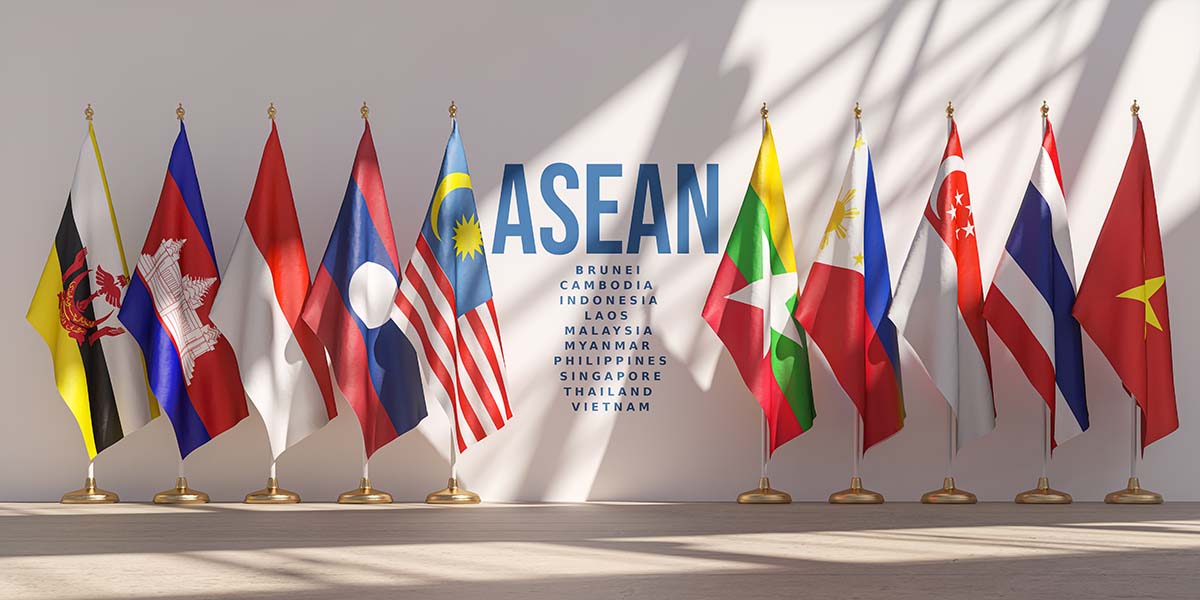
Together, these countries represent a dynamic region of more than 650 million people, acting not only as individual economies but increasingly as a collective force on the global stage.
What ASEAN Actually Does
At its core, ASEAN works to:
- Encourage trade and investment among member states
- Promote regional peace and stability
- Coordinate responses on infrastructure, climate action, education, and disaster preparedness
Present Southeast Asia with a unified voice in engagements with major partners such as Japan, China, the United States, and the European Union.
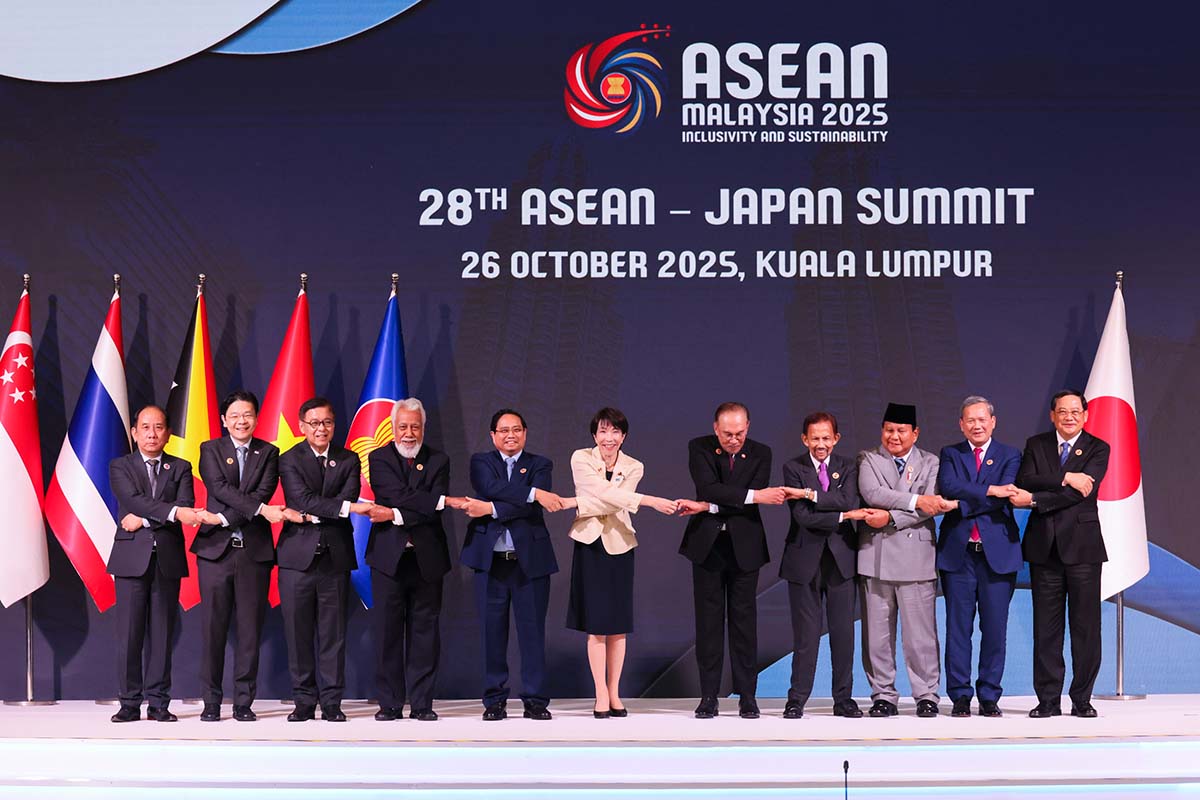
One defining feature sets ASEAN apart: it operates by consensus. No member is forced into agreement. While this approach can slow decision-making, it has been central to ASEAN’s durability and unity for nearly six decades.
The Role of the ASEAN Chair
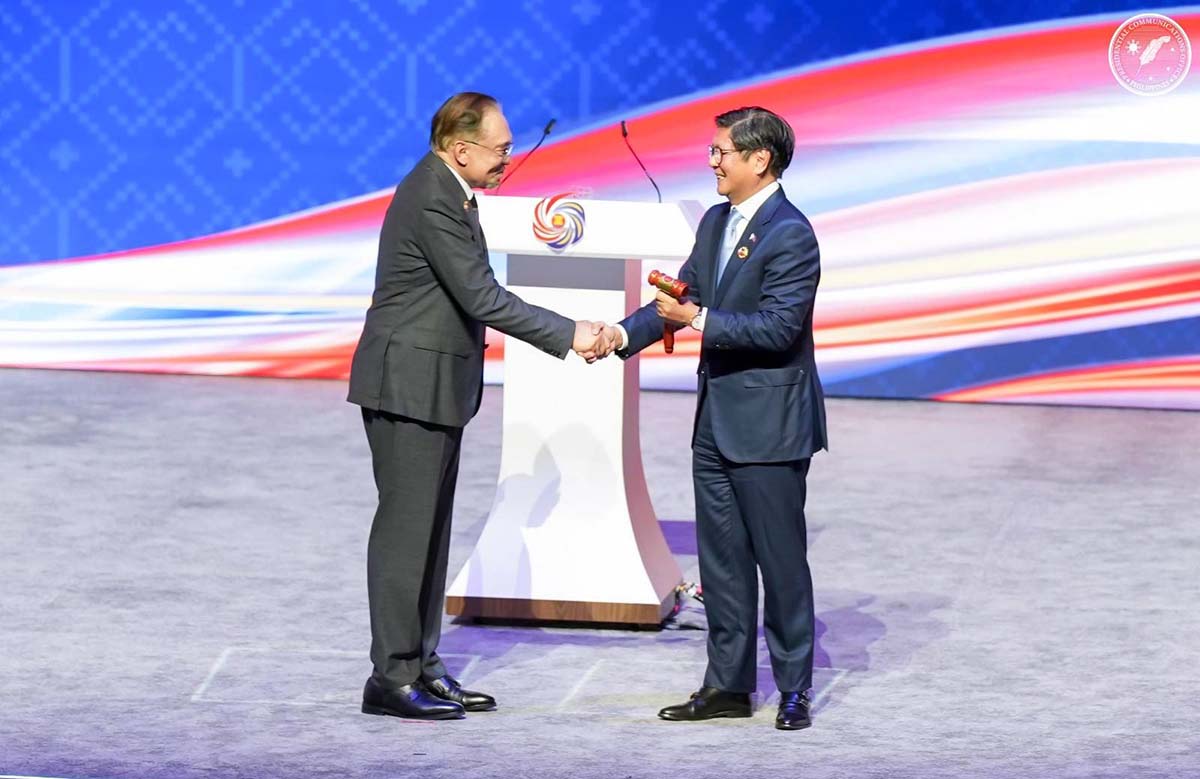
Each year, one member state assumes the role of ASEAN Chair, leading the organization and setting its tone and priorities.
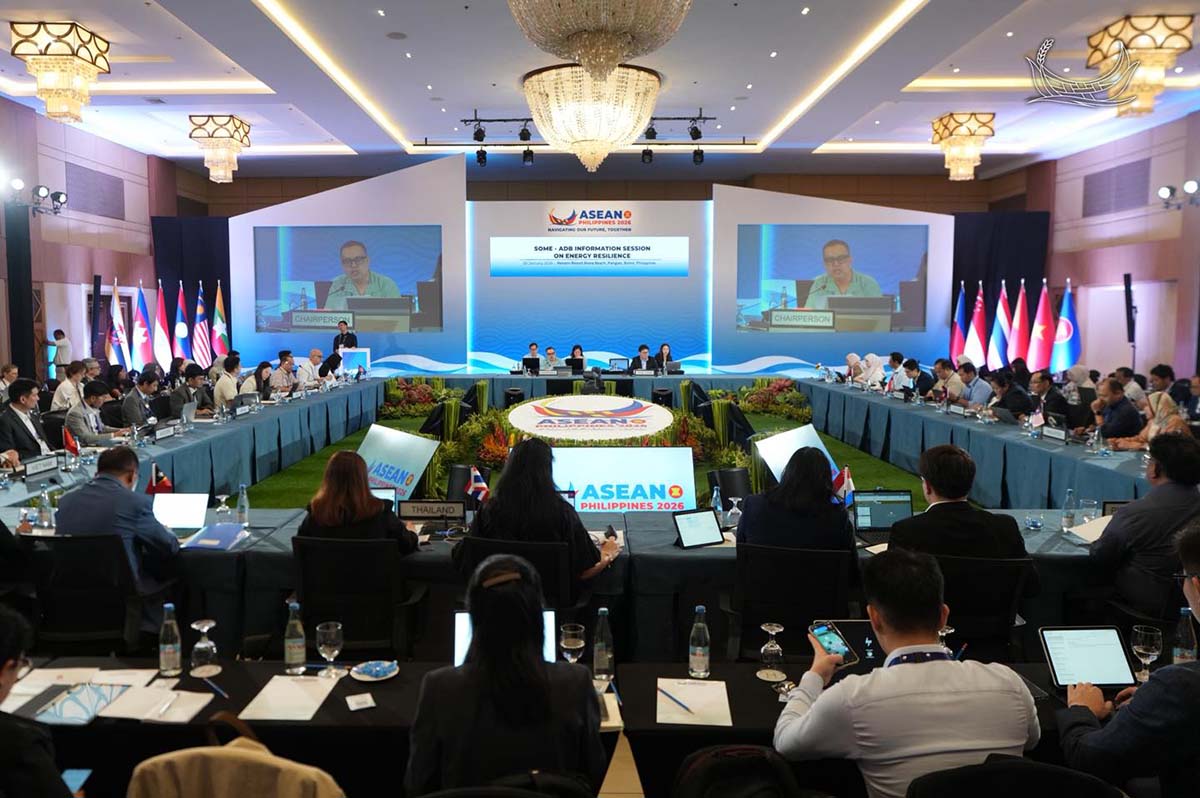
The Chair hosts all major ASEAN meetings and summits, including engagements with dialogue partners such as Japan, the US, China, and the EU. It also:
- Sets the annual theme and agenda, spanning economic growth, security, sustainability, and digital transformation.
- Represents ASEAN externally, speaking on behalf of all 10 member states.
- Acts as a diplomatic coordinator and honest broker, guiding consensus among diverse national interests
The position rotates annually in alphabetical order, meaning each country serves as Chair once every ten years.
While ASEAN functions by consensus, the Chair enjoys real strategic influence — shaping discussions, spotlighting national strengths, and attracting global diplomatic and investment attention.
Why the Philippines’ Chairmanship Matters
With the Philippines assuming the ASEAN Chairmanship in 2026, the timing is particularly significant.
The year coincides with the 70th anniversary of Japan–Philippines diplomatic relations, underscoring the Philippines’ role at the center of regional and bilateral engagement.
Japan remains one of ASEAN’s closest strategic, economic, and development partners, and the Philippine Chairmanship offers a platform to deepen cooperation in areas such as security, infrastructure, maritime cooperation, and economic integration.
Beyond diplomacy, the Chairmanship positions the Philippines as a regional convenor and agenda-setter, reinforcing its leadership role within Southeast Asia.
Launching ASEAN 2026: Symbols with Meaning
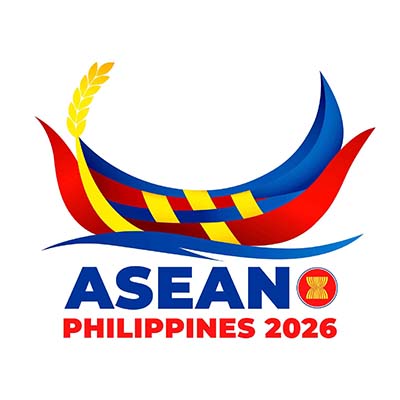
The Philippines formally launched its ASEAN 2026 Chairmanship with the unveiling of its official logo. A design rich in symbolism and regional meaning. The logo is composed of four core elements:
Rice Stalk – Symbolizing nourishment and abundance, the rice stalk reflects ASEAN’s shared commitment to food security. Each grain represents a member state, with an 11th grain marking Timor-Leste’s anticipated entry into the ASEAN community.
Weave Pattern – This element highlights the strength found in interconnection — the coming together of cultures, values, and aspirations. Each thread represents a nation bound by a shared purpose, forming a vibrant tapestry of unity and collective progress.
Wave – Rendered in blue, the wave signifies maritime security and cooperation, acknowledging the seas that connect ASEAN’s archipelagic and coastal nations.
Balangay – The only red element in the logo, the Balangay draws inspiration from the pre-colonial Filipino boat of the same name. It symbolizes moving forward together aboard a single vessel, despite each nation’s unique identity and character.
As the Philippines prepares to lead ASEAN in 2026, the Chairmanship represents more than a ceremonial role. It is an opportunity to shape regional dialogue, strengthen partnerships — particularly with Japan — and help steer Southeast Asia toward a more connected, secure, and inclusive future.
A Forward-Looking Agenda
During the launch, President Ferdinand Marcos Jr. outlined a forward-leaning vision for the Philippines’ Chairmanship, highlighting the responsible and ethical use of artificial intelligence to address security challenges, early-warning systems, maritime domain awareness, and humanitarian assistance and disaster response.
The official ASEAN 2026 theme, ‘Navigating Our Future, Together’ reflects this collective ambition and centers on three pillars:
- Peace and security anchors
- Prosperity corridors
- People empowerment
As the Philippines prepares to lead ASEAN in 2026, the Chairmanship represents more than a ceremonial role. It is an opportunity to shape regional dialogue, strengthen partnerships — particularly with Japan — and help steer Southeast Asia toward a more connected, secure, and inclusive future.