
The relationship between Japan and the Philippines is widely regarded as one of Asia’s most successful examples of postwar reconciliation transformed into long-term partnership.
As the two nations commemorate the 70th anniversary of the normalization of diplomatic relations in 1956, their shared history offers important lessons about trust, continuity, and the power of people-to-people engagement.
At the center of this journey stands the Philippines–Japan Society (PJS), an institution that has quietly but consistently helped shape bilateral relations for more than six decades.
From conflict to reconciliation
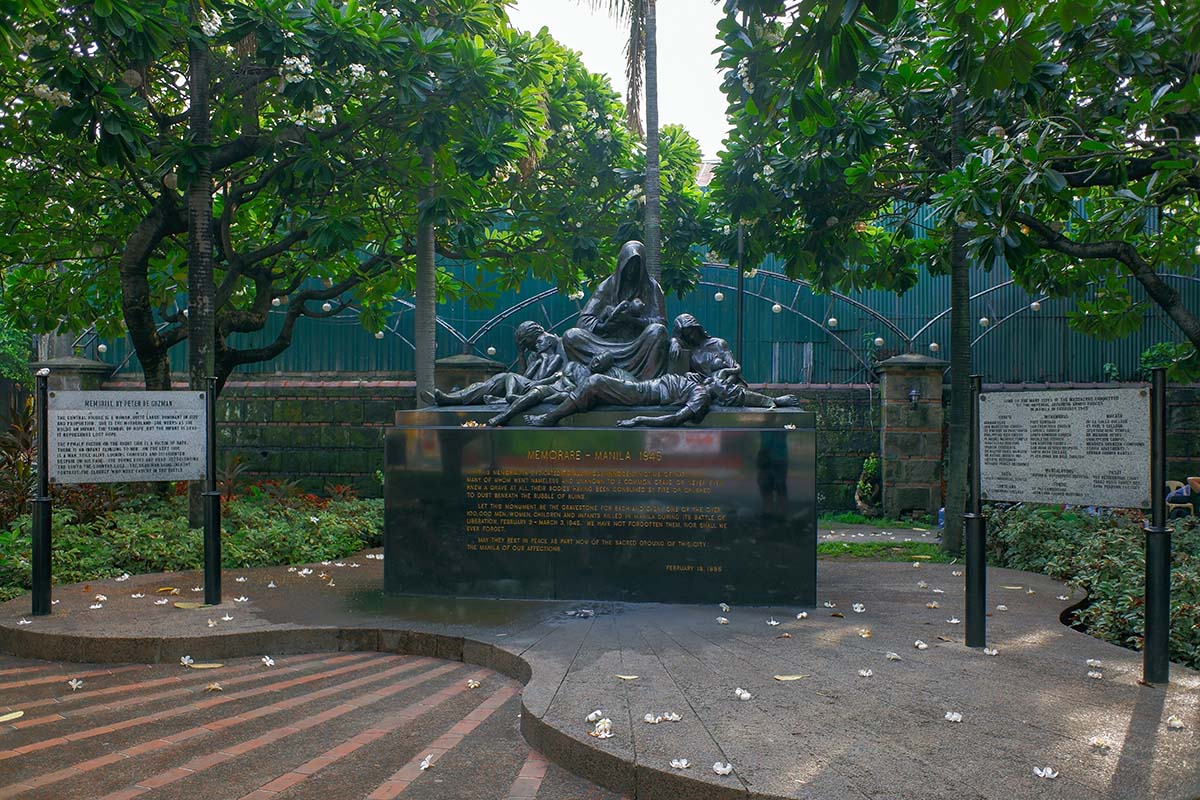
The Second World War left the Philippines deeply scarred. The Battle of Manila in 1945 resulted in immense civilian casualties and the near-total destruction of the capital, making it one of the most tragic urban battles in Asia.
In the immediate postwar years, relations between Japan and the Philippines were understandably fragile. Yet Philippine leaders made a deliberate and principled decision to pursue reconciliation rather than prolonged resentment.
A key figure was José P. Laurel, former wartime president, whose postwar advocacy for understanding and engagement with Japan helped shape early reconciliation efforts.
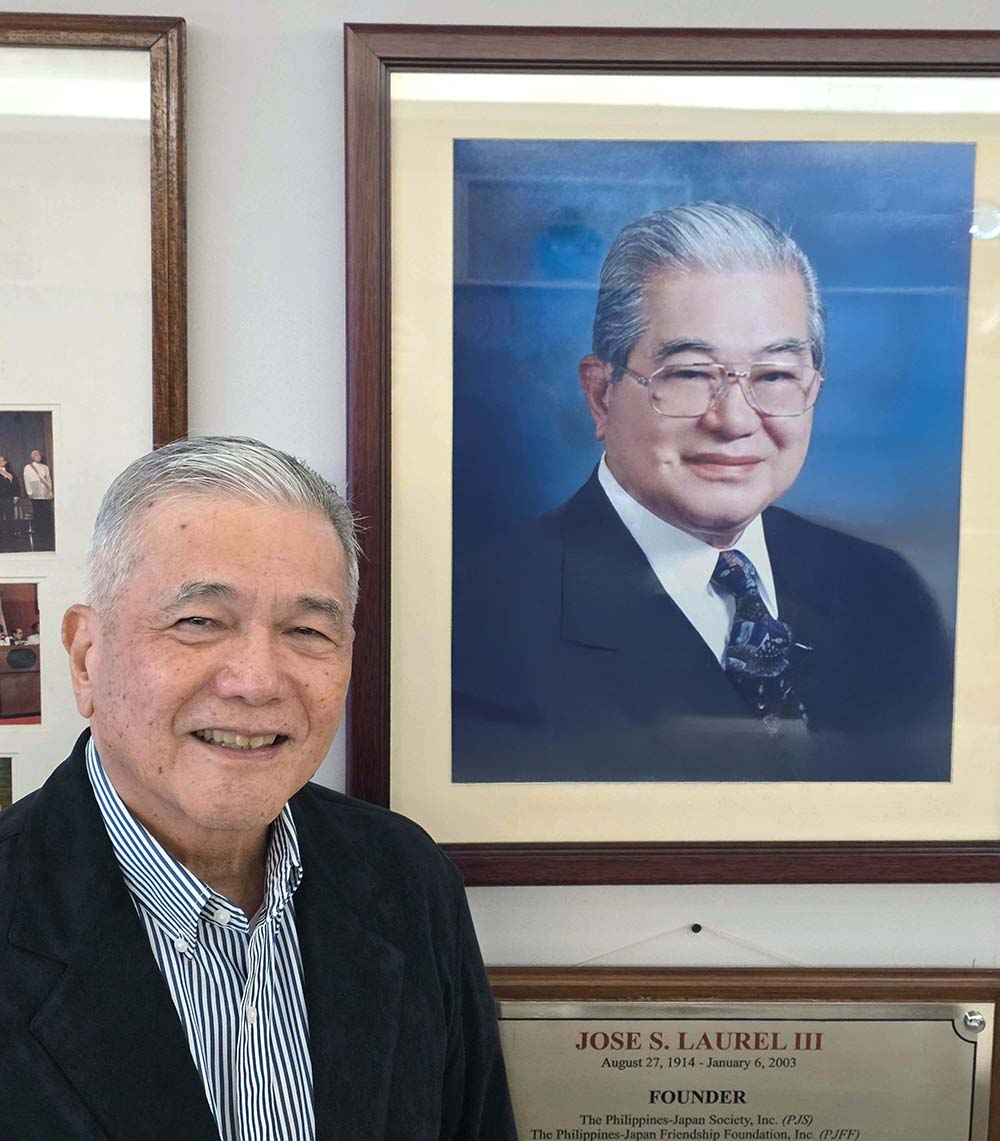
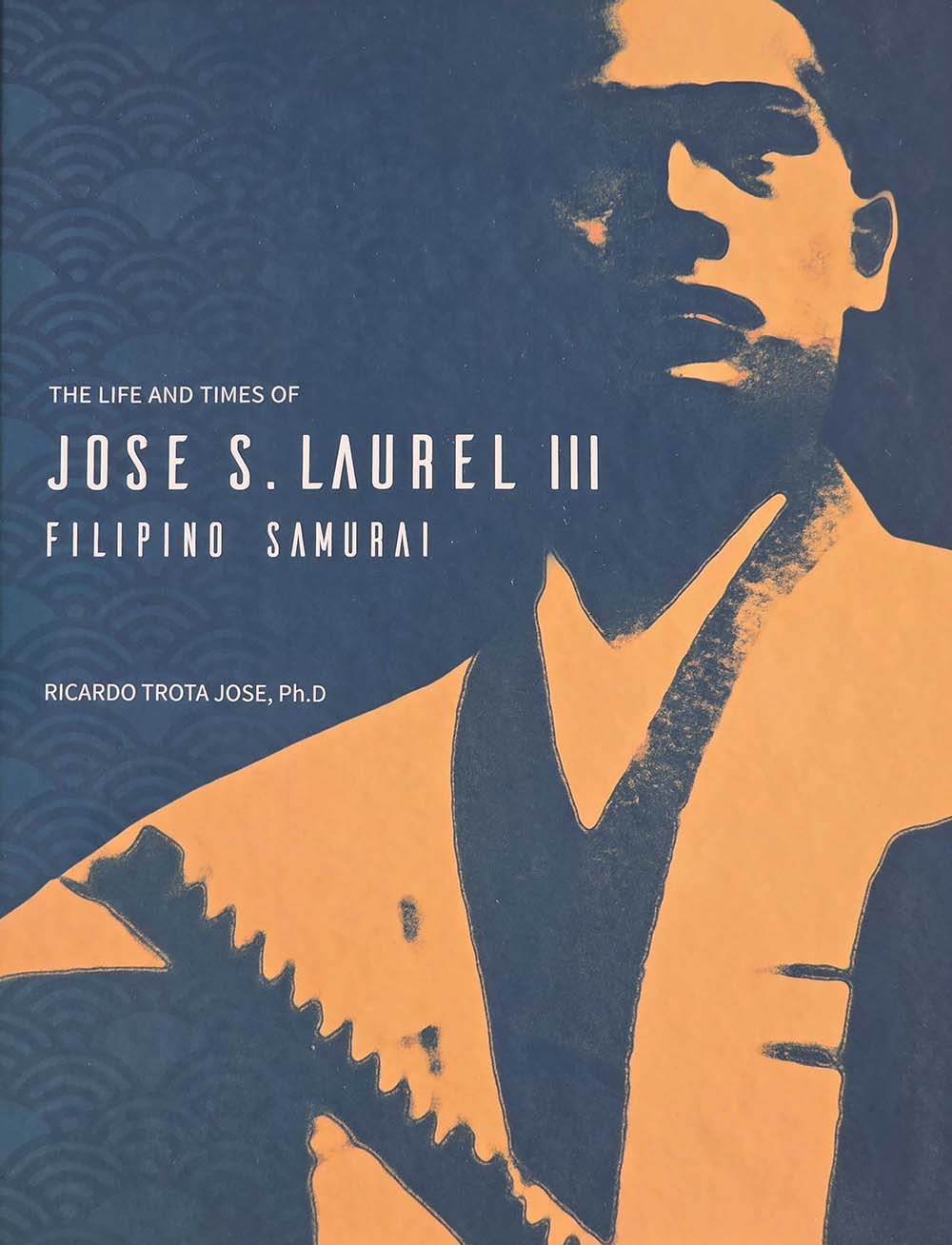
Followed by the diplomatic efforts of Jose S. Laurel III, José’s son, the Laurel family continues to play a significant role in fostering strong ties between the Philippines and Japan.
The Japan–Philippines Reparations Agreement of 1956 formally normalized diplomatic relations. Rather than simple compensation, the agreement focused on reconstruction and development, setting the stage for long-term cooperation.
The emergence of the Philippines–Japan Society
In 1959, civic and business leaders from both countries launched initiatives that would evolve into the Philippines–Japan Society. Establishing a bilateral friendship organization so soon after the war required both courage and vision and the PJS founders believed that genuine reconciliation could not rely on governments alone; it required sustained engagement between citizens, educators and business communities.
On the Japanese side, postwar leaders influenced by Prime Minister Shigeru Yoshida’s emphasis on economic reconstruction and regional engagement understood that rebuilding trust in Asia was essential to Japan’s future.
Philippine counterparts, particularly in the business and civic sectors—including the Laurel family—recognized Japan’s transformation into a partner for development. From the outset, the PJS positioned itself as non-political, independent, and practical, creating a safe space for dialogue at a time when sensitivities remained high.
The planned establishment of the Philippine-Japan Society (PJS) in 1959 was sadly aborted with the passing of former President Jose P Laurel Sr., on the same day that the PJS was to be organized.
In 1971, 55 years ago this year, after a 5-year stint as the Philippine Ambassador to Japan, Jose P Laurel’s second son, Jose S Laurel III successfully established The Philippines-Japan Society.
A stable bridge in a changing landscape
Since the 1970s, the Philippines–Japan Society has served as a stable bridge amid shifting political administrations in both countries. Japan emerged as the Philippines’ largest source of official development assistance, financing major infrastructure projects such as highways, ports, and energy facilities. While government-level cooperation expanded rapidly, the PJS played a complementary role—maintaining trust beyond electoral cycles.
“This continuity has been particularly valued by Japanese partners, for whom long-term relationships and reliability are core values”, says PJS President Francis C. Laurel and son of Jose S. Laurel III.
Despite its relatively small size, the Society has earned a reputation for discretion, efficiency, and follow-through, all qualities that have allowed it to connect senior leaders across business, government and civil society.
Economic cooperation and mutual growth
Japan’s role in the Philippines’ economic development has been both extensive and enduring. Industrialization and technology transfer continues with Japanese investment consistently taking a long-term view.
The PJS has supported this approach by fostering dialogue between business leaders and encouraging partnerships rooted in mutual benefit.
Through forums, delegations, and informal exchanges, the PJS has helped reinforce Japan’s reputation as a reliable partner that emphasizes quality, sustainability and institutional strength.
These efforts have complemented the work of chambers of commerce and official trade bodies, adding a layer of trust-based engagement that formal mechanisms alone cannot provide.
The relationship between Japan and the Philippines is widely regarded as one of Asia’s most successful examples of postwar reconciliation transformed into long-term partnership.
Education and the Power of People-to-People Exchange
One of the most enduring legacies of Japan – Philippines relations has been the emphasis on education and human capital. From the 1960s onward, Japanese government programs, many later administered by the Japan International Cooperation Agency (JICA), enabled thousands of Filipinos to study, train and work in Japan.
The Japan Government’s scholarship program has been, and continues to be, primarily promoted by the Ministry of Education, Culture, Sports, Science and Technology (MEXT).
There are many other scholarship offerings, including private grants. Indeed JICA is one of the agencies providing scholarship grants, mainly for Government employee-nominees.
The PJS actively supports these exchanges, recognizing that future leaders shaped by firsthand experience become natural bridges between the two societies.
Many alumni of Japan-related programs have risen to prominence in Philippine business, government and academia, bringing with them a nuanced understanding of Japanese culture, work ethic and long-term planning.
History as a foundation, not a constraint
The strengths of Japan–Philippines relations today owe much to the Philippines’ conscious decision to treat history as a guide rather than a burden.
This approach has never meant forgetting the past, but rather acknowledging it honestly while refusing to allow it to define the future. The Laurel family has exemplified this philosophy, showing how leadership and civic engagement can span generations. The PJS consistently embodies this approach, promoting remembrance alongside cooperation and dialogue.
Looking Ahead
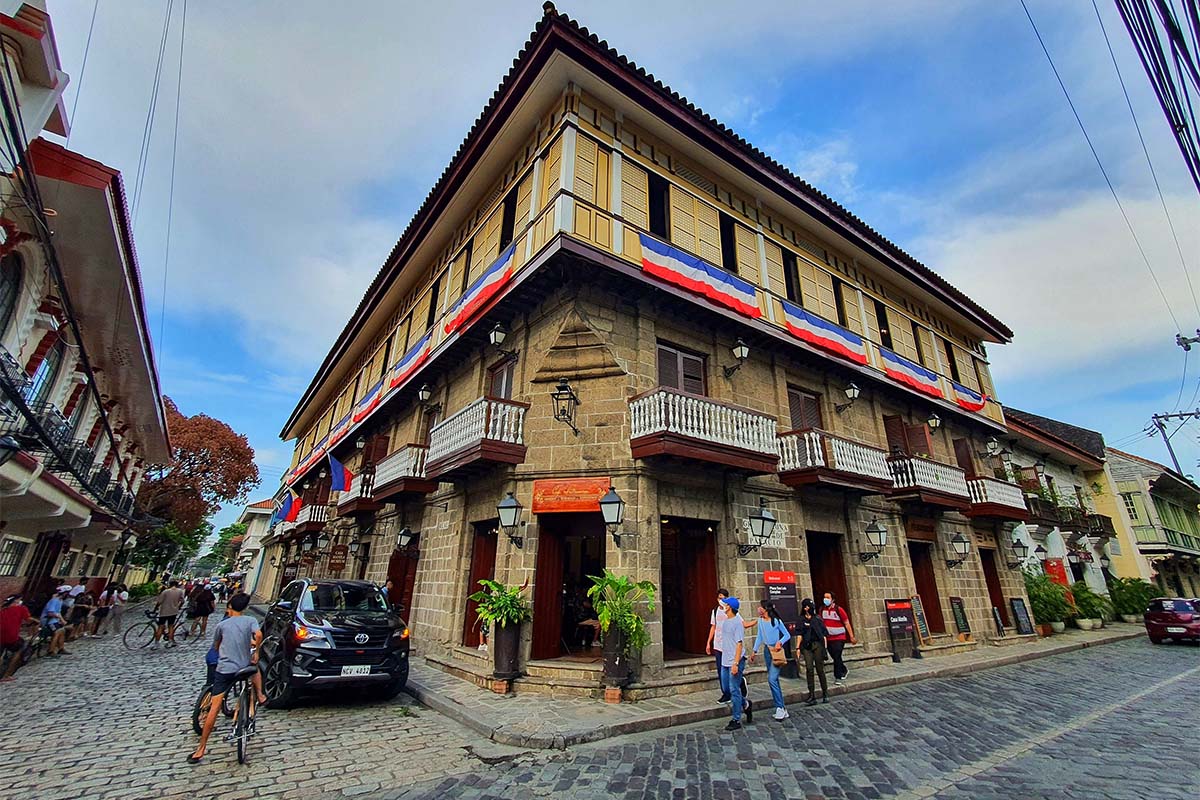
Today, Japan and the Philippines enjoy one of their most robust partnerships to date, spanning infrastructure development, trade, energy transition, disaster resilience, security cooperation and cultural exchange.
As regional and global challenges grow more complex, the importance of trusted, non-political institutions has become increasingly clear.
As the two nations commemorate 70 years. PJS stands as a reminder that enduring relationships are not built by anniversaries alone, but by patience, trust and the quiet work of committed institutions.
Japan–Philippines Relations: Key Historical Milestones
- Pre-1941 – Early trade and migration link Japanese and Filipino communities across Asia, laying foundations for long-term interaction.
- 1945 – The Battle of Manila devastates the Philippine capital during the final months of the Second World War, leaving a profound historical legacy.
- 1956 – Japan and the Philippines formally normalize diplomatic relations through the Reparations Agreement, marking a turning point from conflict to cooperation.
- 1959 – Early civic and business initiatives lead to the establishment of the Philippines–Japan Society (PJS), promoting people-to-people engagement and reconciliation.
- 1960s–1970s – Japan expands development cooperation and educational exchange programs in the Philippines, including scholarships and technical training supported by JICA.
- 1970s–1980s – Japan becomes one of the Philippines’ largest economic partners and sources of official development assistance, supporting major infrastructure and industrial projects.
- 1990s–2000s – Bilateral ties deepen through trade liberalization, private investment, and expanded cultural and academic exchange.
- 2010s – Japan and the Philippines elevate cooperation in infrastructure, disaster resilience, maritime security, and people-to-people exchange.
- 2026 – The two countries mark 70 years since the normalization of diplomatic relations, reaffirming a partnership built on trust, history, and shared regional responsibility.