
As Japan and Thailand approach the 140th anniversary of diplomatic relations in 2027, the partnership between the two countries is entering a new phase. Long defined by trade, investment and manufacturing cooperation, the relationship is now evolving toward deeper collaboration across emerging sectors such as sustainability, digital transformation and wellness.
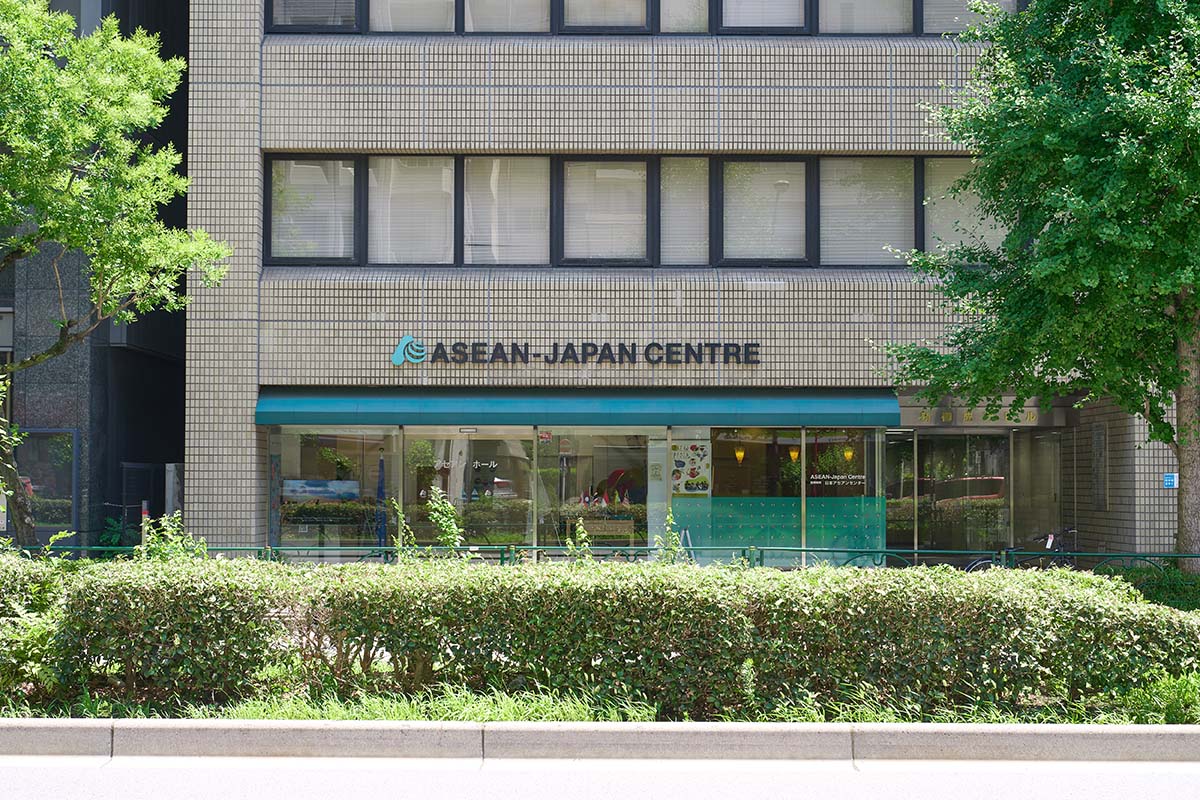
For Kunihiko Hirabayashi, secretary general of the ASEAN–Japan Centre, the milestone represents not just a historical commemoration but an opportunity to reshape the partnership for the future.
In this interview, Hirabayashi reflects on the evolution of Japan–Thailand cooperation, the ASEAN–Japan Centre’s role in facilitating exchange and the emerging opportunities that could define the next chapter of collaboration.
Bridges: From the ASEAN–Japan Centre’s perspective, how has Japan–Thailand cooperation evolved in recent years, and what makes this period leading up to the 140th anniversary particularly significant?
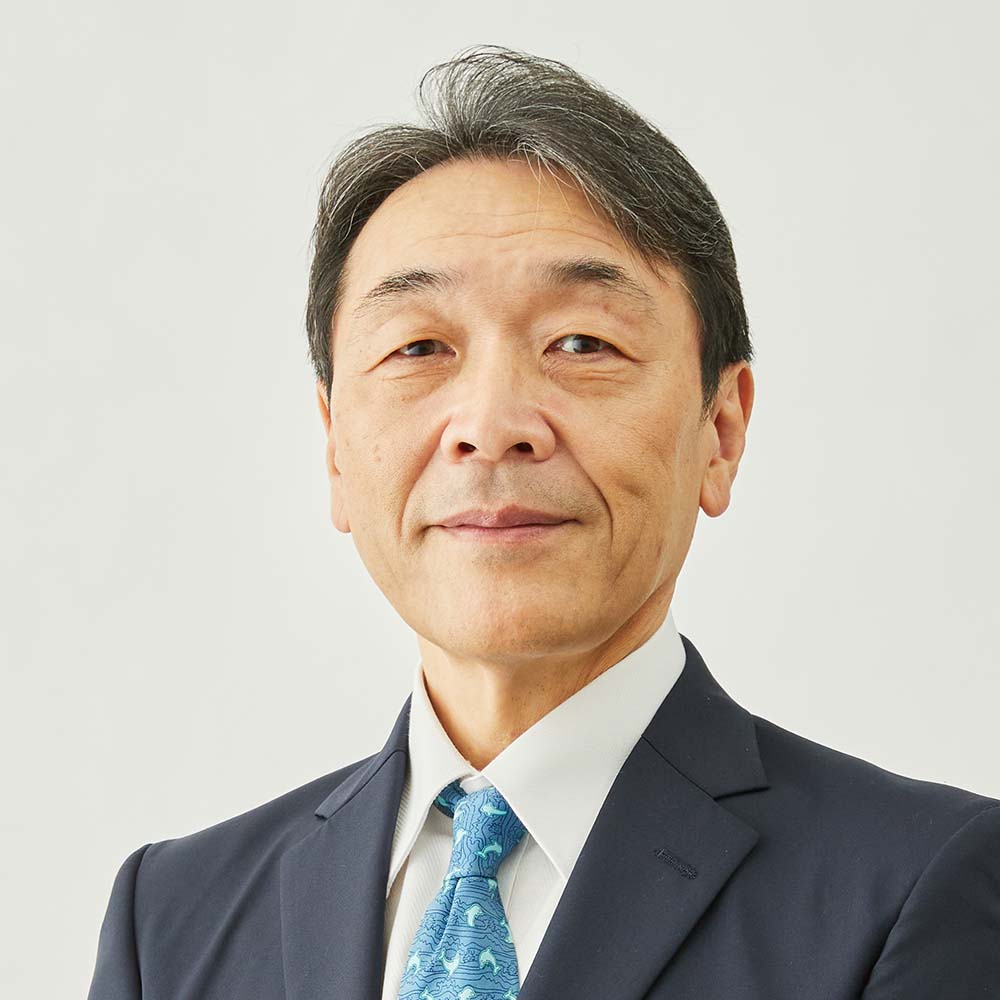
Hirabayashi: Japan–Thailand relations have always been grounded in trust. Over the decades, the partnership has evolved from a primarily trade- and investment-driven relationship into a multidimensional one encompassing supply chains, digital transformation, green transition, healthcare, tourism and strong people-to-people connections.
In recent years, particularly following the pandemic and amid geopolitical and economic uncertainty, we have observed a qualitative shift. The relationship is no longer defined solely by trade volumes or investment flows. Increasingly, it is defined by resilience, co-creation and shared responsibility.
My own experience helped shape this perspective. From 2016 to 2021, I was based in Bangkok overseeing East Asia, Southeast Asia, North Asia and the Pacific from a UNICEF perspective. During that time, including throughout the COVID-19 pandemic, I saw how deeply interconnected economic stability, public health, environmental sustainability and human security truly are.
A health crisis quickly becomes a supply chain crisis. Environmental degradation becomes an economic issue. These domains are not parallel, they are structurally connected.
This experience reinforced my belief that the next phase of Japan–Thailand cooperation must be systemic rather than sectoral.
As we approach the 140th anniversary in 2027, the timing is significant not only symbolically but structurally. Thailand is repositioning itself as a hub for advanced manufacturing, the bio-circular-green (BCG) economy, digital industries and wellness tourism. Japan, meanwhile, is reassessing its global partnerships through the lenses of sustainability, demographic transition and economic security.
This alignment presents a rare opportunity.
“Japan–Thailand relations have always been grounded in trust. Over the decades, the partnership has evolved from a primarily trade- and investment-driven relationship into a multidimensional one encompassing supply chains, digital transformation, green transition, healthcare, tourism and strong people-to-people connections.”
Kunihiko Hirabayashi, Secretary General of the ASEAN–Japan Centre

Could you share examples of key programs and initiatives through which the ASEAN–Japan Centre has supported exchange between Japan and Thailand?
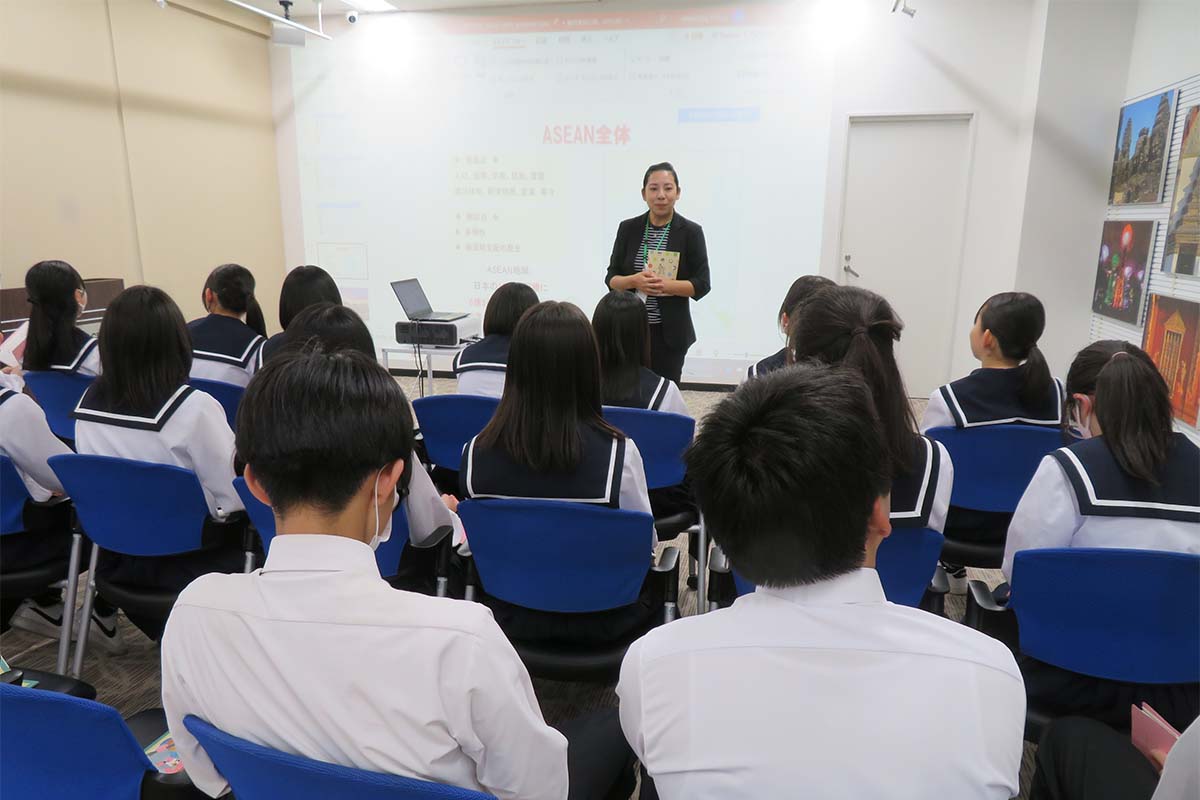
The ASEAN–Japan Centre has supported this evolving partnership through initiatives focused on economic connectivity, sustainable tourism, SME internationalization and platforms for youth and women entrepreneurs.
On the economic side, we have facilitated business missions in BCG-related sectors, supported the international expansion of small and medium-sized enterprises and provided guidance on the use of free trade agreements and economic partnership agreements to help companies navigate increasingly complex regulatory environments.
We have also organized investment dialogues aligned with sustainability and digital transformation, helping companies explore new opportunities across ASEAN and Japan.
However, the next stage must move beyond simple exchange toward genuine co-creation. This direction is reflected in our new strategic plan, AJC 5.5 (2026–2030), approved by the Centre’s Council in February 2026.
The strategy places greater emphasis on emerging economic areas and deeper collaboration among governments, businesses and communities.
As Thailand positions itself as a regional hub, how do you see Japan’s role evolving?
Two particularly promising areas stand out: the wellness economy and the nature-positive economy.
Thailand possesses extraordinary natural capital, biodiversity and traditional wellness knowledge, along with strong community-based environmental practices. Japan, meanwhile, brings strengths in preventive healthcare, longevity science, digital health technologies, quality assurance systems and the spirit of omotenashi – service rooted in care and precision.
Too often these strengths are viewed in purely transactional terms. Instead, they should be integrated into jointly developed products and services.
For example, we could imagine co-designed wellness tourism ecosystems that combine Thailand’s nature-based resources with Japan’s wellness innovation and hospitality expertise.
In this sense, Japan’s role is evolving from investor to co-creator.
“If Japan and Thailand co-create integrated wellness ecosystems, regenerative tourism models, sustainable manufacturing clusters and youth-driven innovation platforms, then green and digital technologies become tools for human well-being rather than ends in themselves.”
Looking ahead, I do not see green, digital and nature-positive transitions as separate agendas. They must function as a triangle rather than a hierarchy.
If treated independently, they risk fragmentation. If aligned intentionally, they become a blueprint for value creation.
This triangle consists of three elements:
- Green by Digital – using digital technologies to accelerate decarbonization, efficiency and transparency.
- Digital with Green – ensuring digital growth itself operates within environmental limits.
- Green and Digital with a Nature-Positive Economy – moving beyond mitigation toward regeneration by restoring ecosystems while creating economic opportunity.
Ultimately, this is not simply a technical framework. It is a design for shared prosperity.
If Japan and Thailand co-create integrated wellness ecosystems, regenerative tourism models, sustainable manufacturing clusters and youth-driven innovation platforms, then green and digital technologies become tools for human well-being rather than ends in themselves.
Looking ahead, what are your priorities and recommendations for strengthening Japan–Thailand cooperation?
Both societies value harmony—with people, with nature and across generations. Both also possess a quiet resilience: the ability to transform small setbacks into steady progress.
That cultural strength will be important as young innovators experiment in emerging fields without fear of failure.
Looking ahead, our priorities are clear.
First, we must deepen inclusive and resilient supply chains that integrate small and medium-sized enterprises and secondary cities.
Second, we must accelerate green and digital transitions together within a nature-positive framework.
Third, we should foster structured co-creation in wellness and regenerative economies.
And fourth, we must strengthen people-to-people networks, especially for youth and women entrepreneurs.
“If, decades from now, young people in Japan and Thailand can say that this partnership helped them build healthier lives, restore nature and create meaningful work across borders, then we will have honored not only 140 years of history—but also the responsibility to the generations to come.”
The 140th anniversary should not simply be commemorative. It should mark the beginning of a more systemic, human-centered and quietly transformative phase of cooperation.
It also coincides with another important milestone: 2027 will mark the 60th anniversary of ASEAN’s establishment. Together, these anniversaries present an opportunity to align our shared aspirations for a more resilient, inclusive and forward-looking ASEAN–Japan partnership.
At the ASEAN–Japan Centre, our role is not to dominate the narrative but to enable connections.
If, decades from now, young people in Japan and Thailand can say that this partnership helped them build healthier lives, restore nature and create meaningful work across borders, then we will have honored not only 140 years of history—but also the responsibility to the generations to come.