
In Japan and Australia, eating well is not just about taste—it’s about timing. From cherry blossom season sweets in Tokyo to summer stone fruit at Sydney farmers’ markets, both countries have quietly built food cultures that follow the rhythm of nature rather than the logic of convenience.
At first glance, Japan’s centuries-old concept of seasonal eating and Australia’s modern farmers’ market culture may seem unrelated. One is rooted in tradition and ritual; the other in relatively recent urban lifestyle trends. Yet both reflect the same underlying idea: food tastes better—and feels more meaningful—when it is connected to the season it comes from.
Eating with the season, not against it
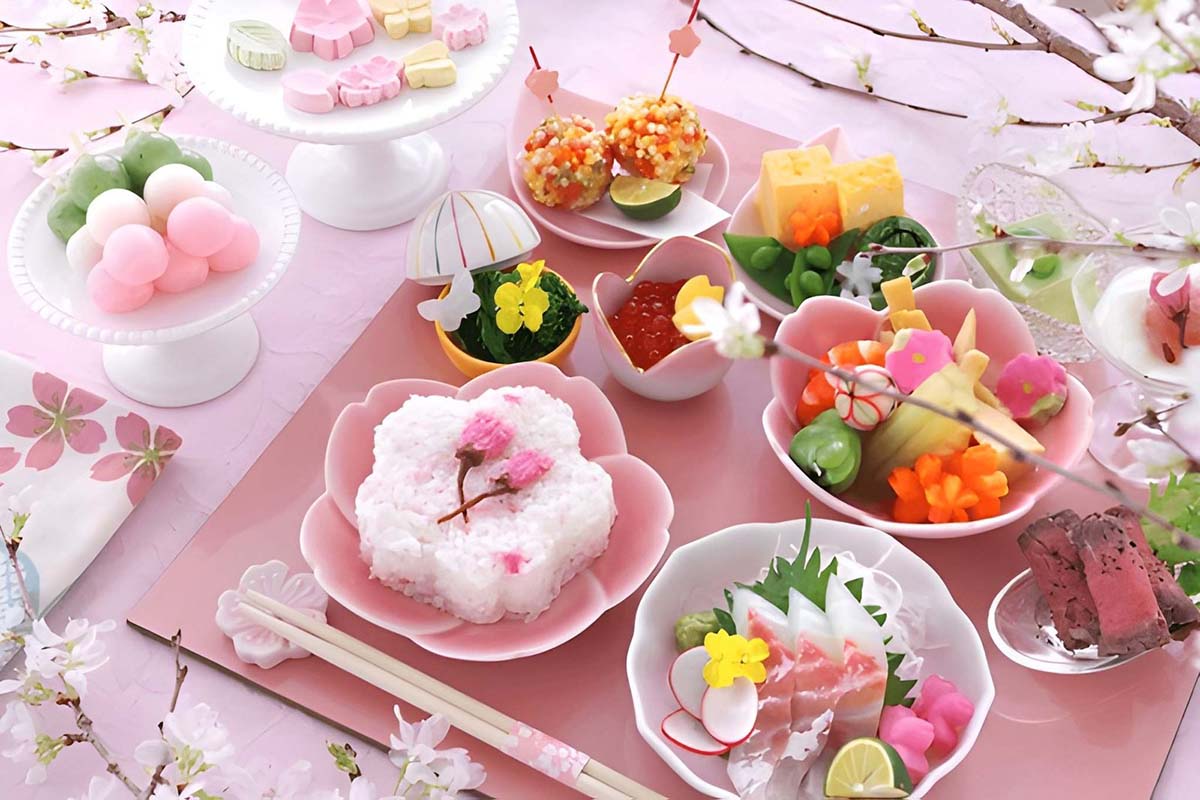
In Japan, the idea of shun refers to consuming food at its absolute seasonal peak. It is not simply about freshness—it is about capturing a moment in time when flavor, texture, and cultural meaning align. Spring might bring bamboo shoots and strawberry confections, summer highlights eel dishes for stamina, while autumn centers on mushrooms, chestnuts, and newly harvested rice.
This seasonal awareness extends far beyond restaurants. Convenience stores, department store food halls, and even snack packaging shift their offerings throughout the year. A visit to Tokyo in spring, for example, often reveals limited-edition sakura-flavored products that disappear just as quickly as the blossoms themselves.
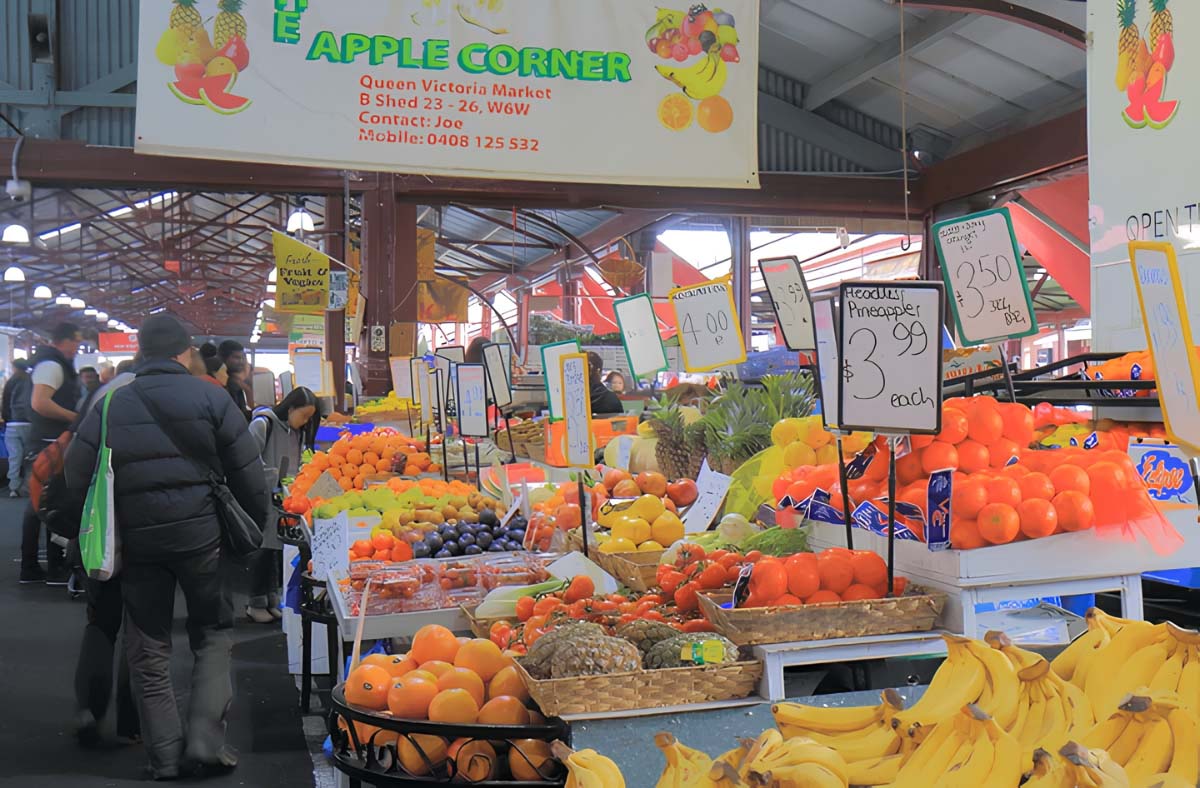
Australia expresses seasonal eating differently, but with equal clarity. Rather than structured culinary tradition, it appears through accessibility and proximity. Farmers’ markets in cities like Melbourne, Sydney, and Brisbane highlight regional produce that changes week by week—stone fruits in summer, citrus in winter, and fresh greens in spring.
The result is less about ritual and more about visibility: food reflects what is growing nearby, right now.
Markets as cultural infrastructure
One of the most interesting parallels between the two countries is how food distribution itself becomes a cultural experience.
In Japan, food halls (depachika) and neighborhood grocers act as curated spaces where seasonal change is highly visible. Presentation, packaging, and limited-time offerings reinforce the idea that eating is tied to time as much as place.
In Australia, farmers’ markets serve a similar role, but in a more open and social format. Weekend markets are often as much about community interaction as they are about shopping. Conversations with growers, tasting seasonal samples, and discovering small-batch producers turn grocery shopping into a local ritual.
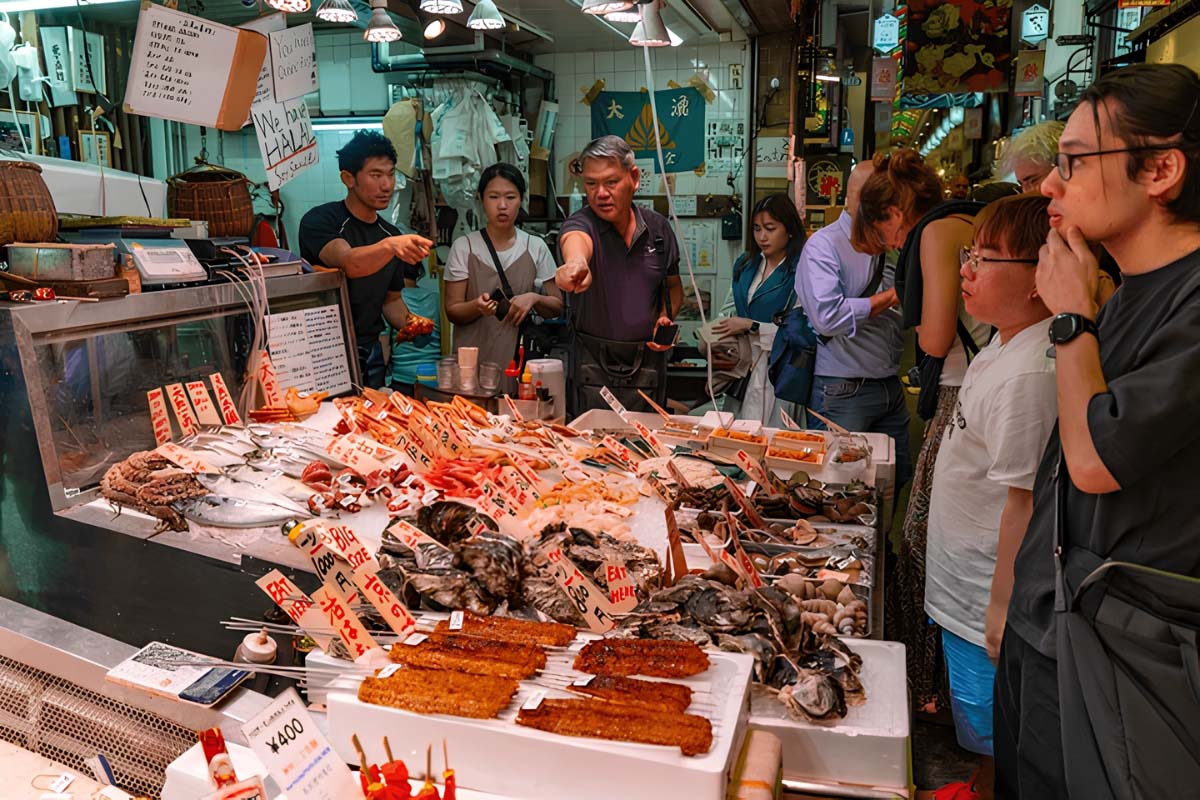
Seafood markets offer another powerful parallel between the two countries. In Japan, urban seafood markets (known as shijō or uogashi) and regional coastal fish markets reflect a long-standing relationship with seasonal marine harvests, where the time of year determines what is freshest—and most valued. In Australia, coastal cities like Sydney, Melbourne, and Perth maintain similarly strong seafood cultures, where daily catches, fish markets, and waterfront dining reinforce a close connection to the ocean. In both contexts, seafood is not just a commodity but a direct expression of geography and timing, shaped by tides, temperature, and seasonality.
INSIDER TIP
The best way to understand a city’s food culture in both Japan and Australia is to avoid peak supermarket hours and instead visit early morning markets. In Tokyo, this might mean exploring a local morning market before commuters fill the streets. In Melbourne or Sydney, arriving early at a farmers’ market often means access to the freshest produce—and direct conversations with the people who grew it.
In Japan and Australia, eating well is not just about taste—it’s about timing. From cherry blossom season sweets in Tokyo to summer stone fruit at Sydney farmers’ markets, both countries have quietly built food cultures that follow the rhythm of nature rather than the logic of convenience.
FUN FACT
Japan’s seasonal food culture is so deeply embedded that major brands release limited-edition products tied specifically to natural cycles—spring cherry blossom snacks, autumn chestnut desserts, and winter citrus drinks. In Australia, while branding is less seasonal at scale, demand patterns at farmers’ markets often shift dramatically within weeks as certain fruits enter and exit peak harvest.
The shared outcome is subtle but significant: people eat in sync with their environment, even without necessarily thinking about it.
In both countries, the ocean is not separate from the table—it is part of it.
Seasonal eating as lifestyle intelligence
Both cultures demonstrate something increasingly relevant in modern urban life: food can act as a form of environmental awareness.
In Japan, seasonal eating is deeply tied to aesthetics and mindfulness. Meals are often designed not just for flavor but for visual and emotional harmony with the time of year. A spring lunch might feel intentionally lighter and more floral, while winter dishes lean toward warmth and comfort.
Australia’s version is less formal but equally intuitive. Climate variation across regions naturally shapes consumption patterns, and outdoor lifestyles reinforce a preference for fresh, locally sourced food. Coastal cities especially tend to align eating habits with outdoor seasons—lighter meals in summer, more substantial foods in cooler months.
The shared outcome is subtle but significant: people eat in sync with their environment, even without necessarily thinking about it.
Fun fact: Japan’s seasonal food culture is so deeply embedded that major brands release limited-edition products tied specifically to natural cycles—spring cherry blossom snacks, autumn chestnut desserts, and winter citrus drinks. In Australia, while branding is less seasonal at scale, demand patterns at farmers’ markets often shift dramatically within weeks as certain fruits enter and exit peak harvest.
Food as connection, not just consumption
Perhaps the most striking similarity between Japan and Australia is how food functions as a social experience shaped by nature.
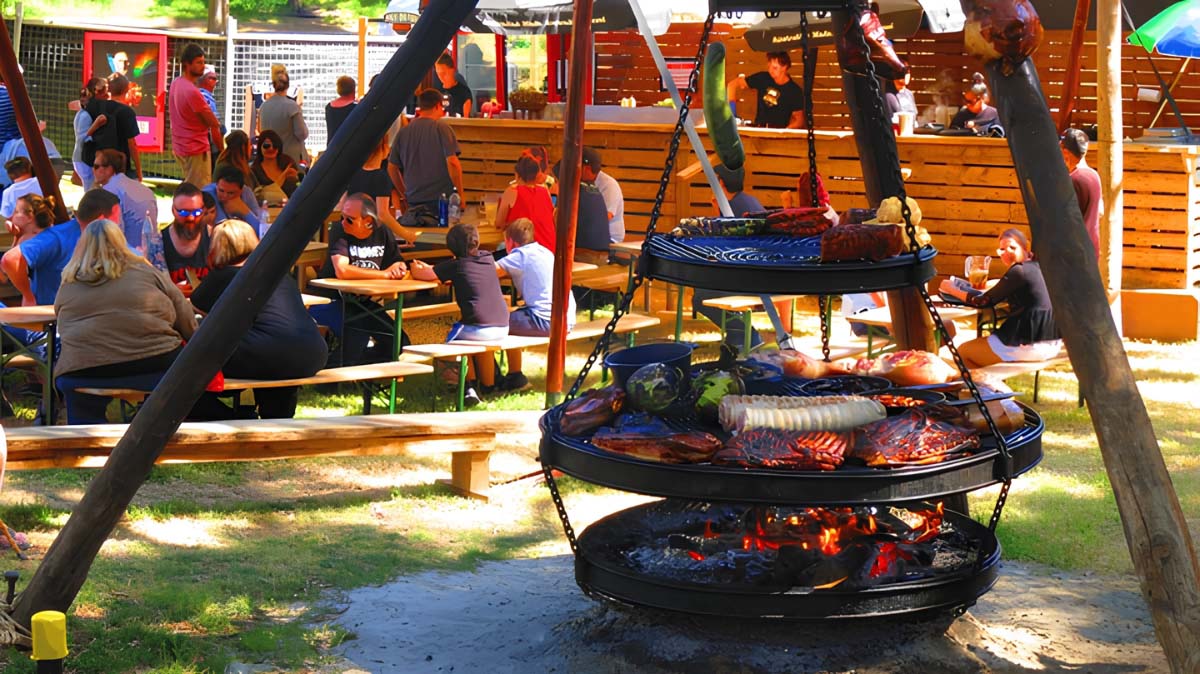
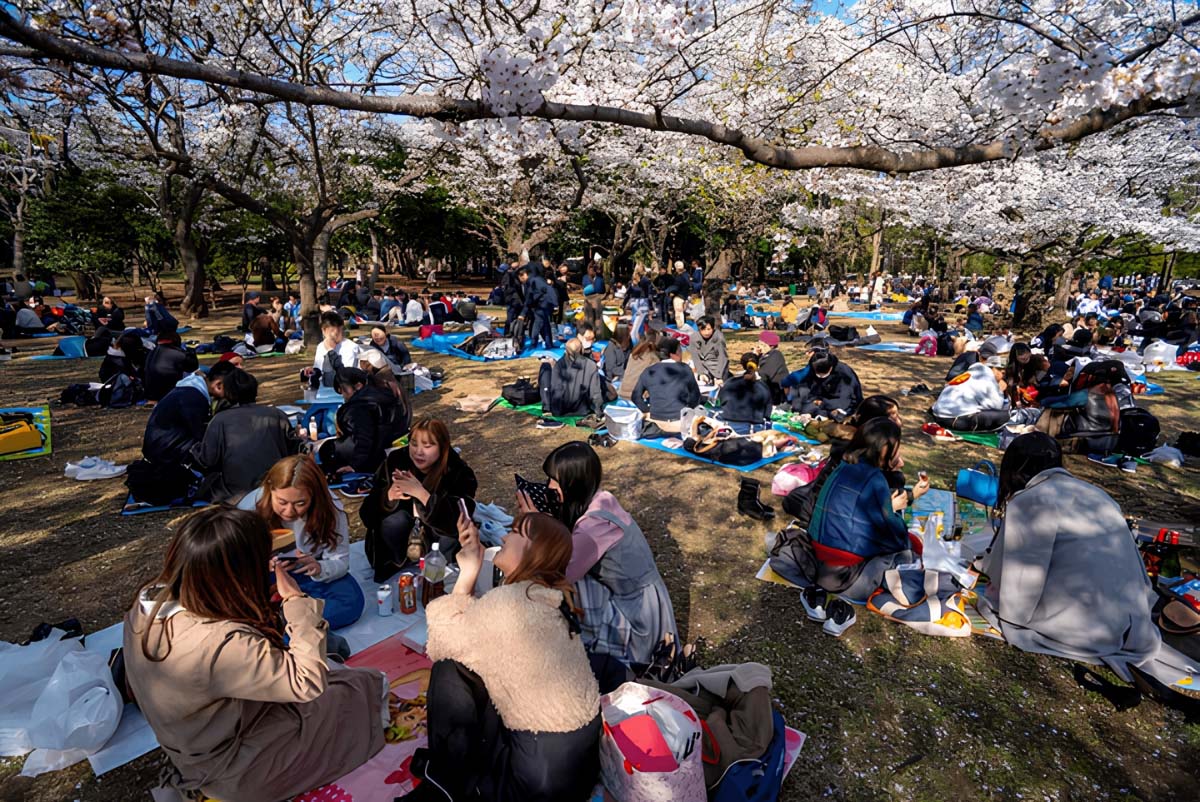
In Japan, seasonal ingredients often define moments of gathering—family meals during hanami (cherry blossom viewing), or autumn trips centered around regional harvests. In Australia, long lunches, beach barbecues, and park picnics are similarly structured around weather and seasonal abundance.
Both cultures place food in shared outdoor or communal settings, reinforcing the idea that eating is not separate from environment—it is part of it.
This connection also explains why seasonal food experiences tend to feel more memorable. They are tied not just to taste, but to time, place, and atmosphere.
The gastronomic lesson behind seasonal eating
Stripped of geography, Japan and Australia are telling the same story through different food systems.
Japan does it through precision, tradition, and cultural continuity. Australia does it through openness, locality, and environmental responsiveness. But both ultimately encourage the same behavior: paying attention to what the season is offering, and adjusting daily life accordingly.
In an increasingly globalized food economy where almost anything can be eaten at any time of year, that simple idea becomes surprisingly powerful.
Eating with the season is not just a culinary choice. It is a way of staying grounded in the world outside the plate.