
Comfort food doesn’t always have to be heavy, nostalgic, or indulgent. In Taiwan and Japan, it’s often refined, artisanal, and visually captivating—a playful intersection of taste, culture, and lifestyle. From a silky matcha latte in Taipei to chewy tapioca pearls in Tokyo, both cultures have embraced comfort food as a daily ritual rather than a guilty pleasure. Cafés, dessert bars, and tea shops act as miniature laboratories for happiness, where each sip and bite becomes a small ritual of cross-cultural delight.
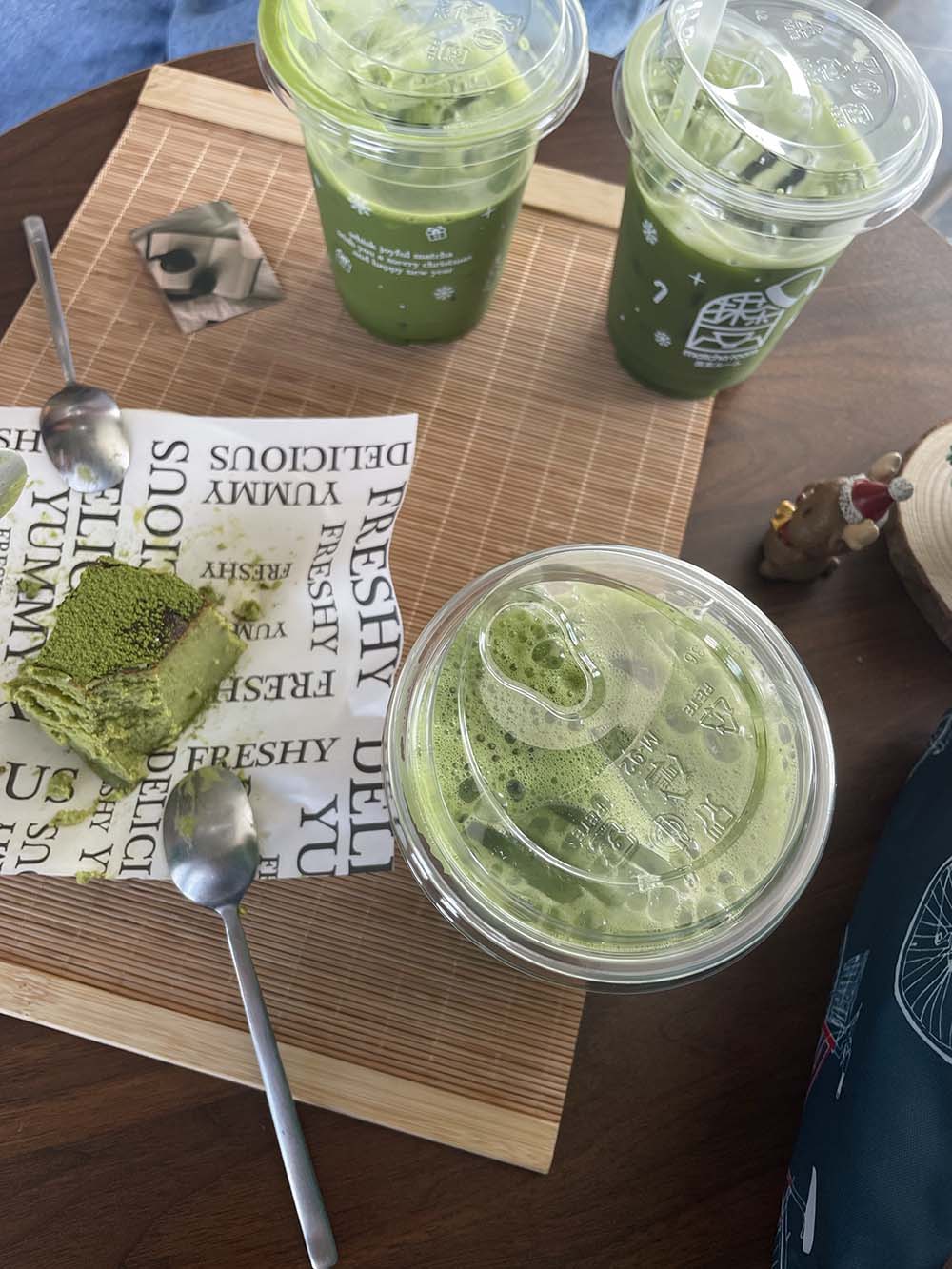
Matcha in motion, boba on the move
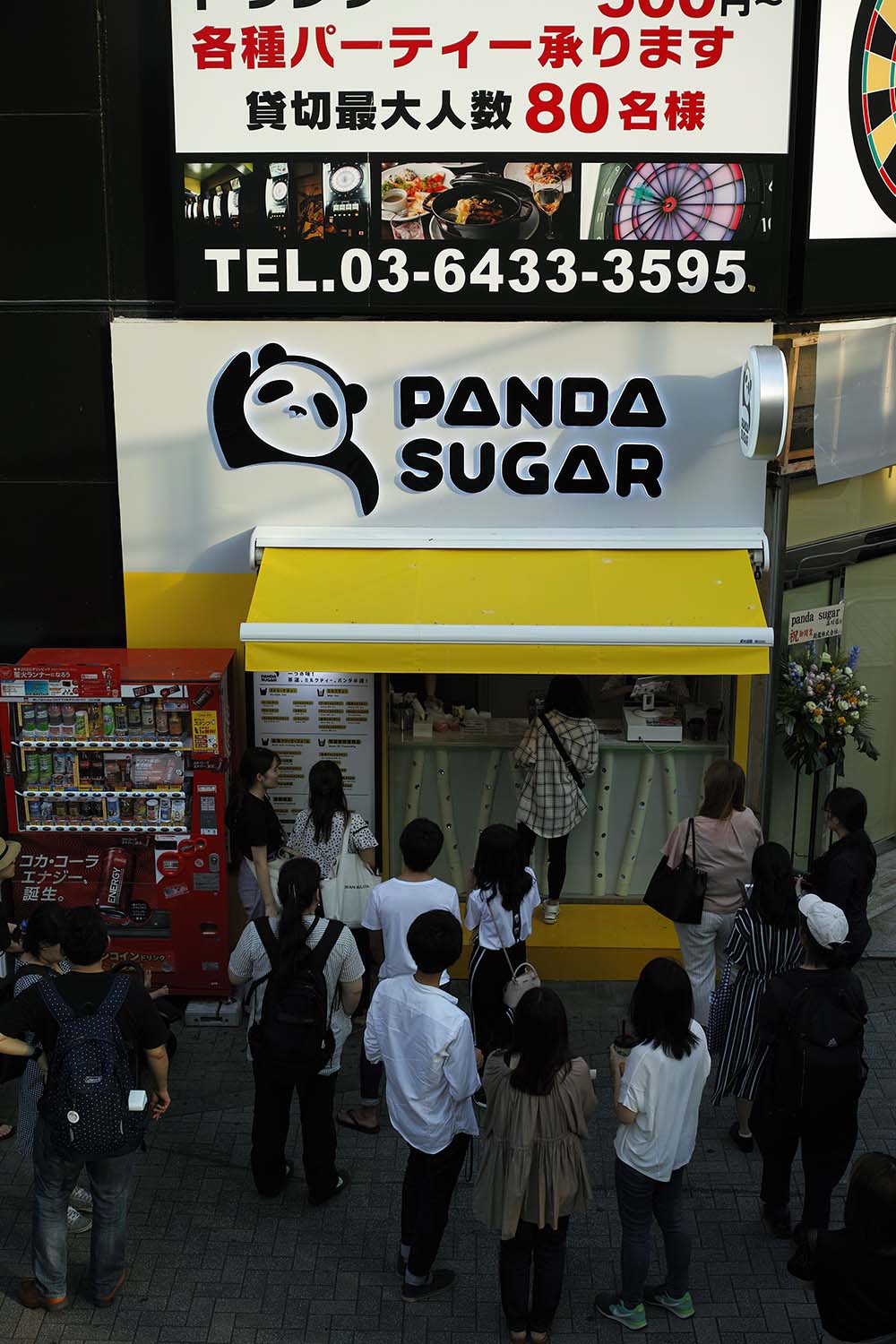
The culinary dialogue between Japan and Taiwan has unfolded for decades. Matcha, long tied to Japanese tea culture, is now a staple in Taiwanese cafés, appearing in lattes, pastries, and ice cream. Taiwanese bubble tea—boba—has similarly crossed borders, thriving in Japan’s urban hubs like Shibuya and Shinagawa.
The exchange isn’t one-way. Japanese shaved ice techniques, prized for fine textures and delicate presentation, have influenced Taiwan’s summer desserts, resulting in treats that are both refreshing and visually delightful.
Slow sips and small joys
This trend isn’t about indulgence—it’s about mindfulness. Savoring a latte or dessert engages multiple senses: aroma, texture, temperature, and sight. It reflects a broader appreciation for finding small moments of joy in daily life. For busy professionals, a carefully prepared beverage or dessert becomes a mini-ritual, helping reset the mind and offer a brief pause. Research on mindful eating suggests that paying closer attention to food and drink can reduce stress, enhance well-being, and make it easier to recognize hunger and fullness cues before reaching for another bite.
FUN FACT
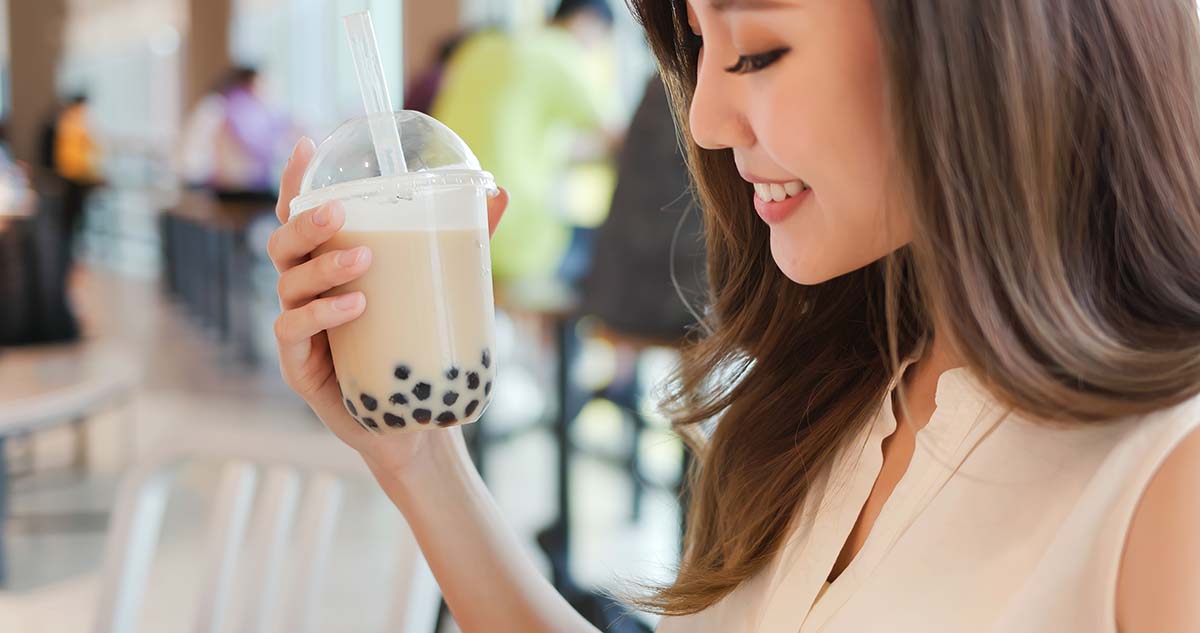
Bubble tea was invented in Taiwan in the 1980s and has since grown into a global phenomenon, inspiring countless variations from brown sugar boba to cheese tea.
Little rituals with big impact
Practicing this philosophy doesn’t require a barista certificate—just slowing down and noticing details. Imagine stepping into a softly lit café, the aroma of roasted tea drifting through the air, and choosing a dessert not just for flavor but for the textures, colors, and ritual it offers. Taipei favorites like SunnyHills and VVG Something, and Tokyo gems such as The Alley and Nana’s Green Tea, showcase thoughtfully crafted drinks and desserts, inviting a mindful tasting mindset.
Pairing desserts and drinks can heighten the experience: shaved ice, mochi, or red bean sweets complement lightly roasted oolong, balancing sweetness while refreshing the palate.
Presentation matters too—the sheen of tapioca pearls, layers of a parfait, or a delicate matcha dusting adds visual delight and deepens enjoyment.
These rituals can be recreated at home. Whisk ceremonial-grade matcha into a latte, prepare bubble tea with black sugar syrup, or layer shaved ice with seasonal fruits. The pleasure comes not from perfect technique, but from slowing down and turning ordinary treats into moments of comfort and joy.
PRO TIP
Alternate small bites and sips rather than finishing one before the other. The contrast between tea and dessert allows flavors to unfold gradually, making the experience feel richer and more nuanced.
The business of comfort culture
Refined comfort food has become a growing segment of the café and specialty beverage market, shaped by demand for quality ingredients, novelty, and experience-led dining. In Taiwan, cafés continue to expand their use of matcha-based desserts and artisanal tea offerings, reflecting a broader premiumization of everyday treats. In Japan, bubble tea has maintained a strong foothold since its resurgence in the late 2010s, particularly in urban centers like Tokyo, where youth-driven demand continues to support specialty drink chains.
FUN FACT
Japan’s bubble tea boom has been widely linked to a second wave of popularity in the late 2010s, when visually driven “Instagrammable” drinks helped drive new café concepts in major cities.
Beyond product categories, the café environment itself plays a central role in value creation. Presentation, interior design, and pacing all contribute to how these items are experienced, turning drinks and desserts into structured moments of pause rather than quick consumption. In dense urban settings, these spaces often function as informal “in-between” zones—neither fully leisure nor fully routine.
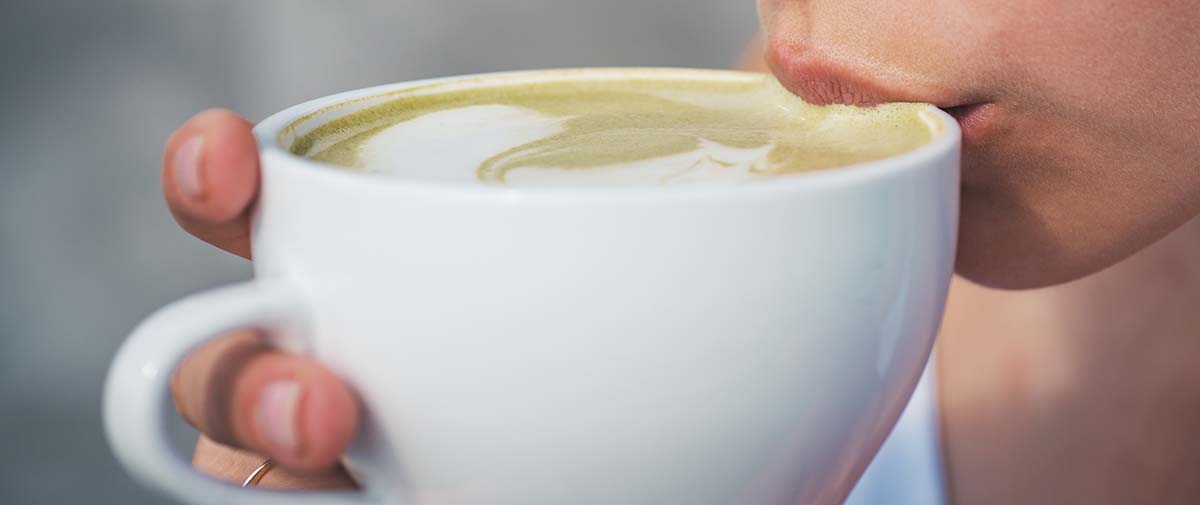
This shift reflects a broader consumer pattern across both markets: food and drink are increasingly purchased not only for taste, but for atmosphere and experience. A carefully prepared matcha latte or layered dessert becomes part of a short break that feels intentionally carved out of the day.
FUN FACT
Industry reports on café culture in East Asia consistently highlight “experience value” (atmosphere, presentation, and shareability) as a key driver of repeat visits, alongside flavor and price.
This connection between comfort and well-being helps explain the category’s continued growth. Refined comfort food succeeds not only because it tastes good, but because it transforms everyday consumption into a ritual—one that feels restorative, meaningful, and worth returning to.
Two cultures, one evolving palate
Taiwan and Japan show that comfort food can be more than nostalgia; it can be an evolving ritual where everyday treats become tiny experiments in taste and texture. In both places, matcha lattes, chewy tapioca pearls, and delicately crafted shaved ice reflect a shared curiosity for reimagining the familiar. What emerges isn’t just indulgence, but a quieter shift in how pleasure is built into daily life—one sip, one bite at a time.