
Step inside a 7-Eleven in Tokyo or a Family Mart in Taipei, and you’ll find more than just snacks and soft drinks. These stores are bustling microcosms of urban life, a place where efficiency meets ingenuity. Long gone are the days when convenience stores were merely pit stops—they are now social hubs, service centers, and culinary laboratories rolled into a few tidy aisles. For residents and travelers alike, they offer a window into the subtle ways that routines shape culture.
Just how did these compact hubs turn necessity into culture?
How convenience stores became indispensable
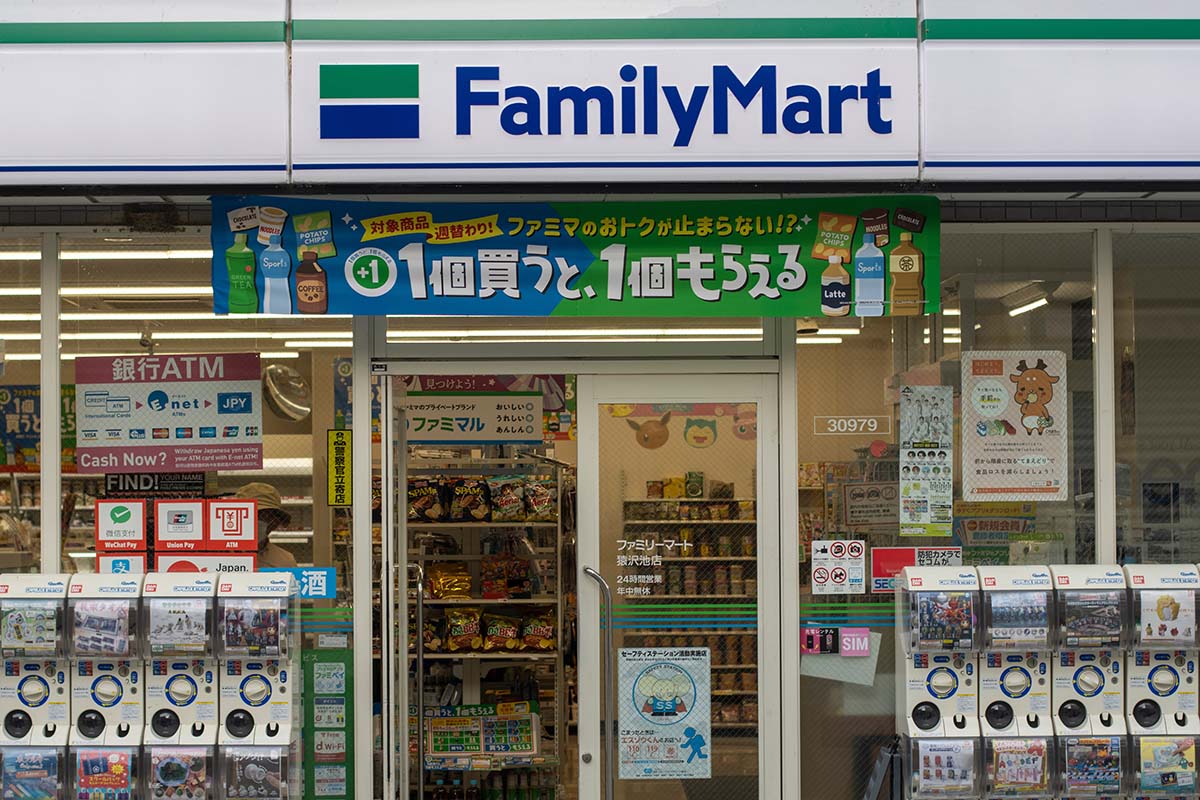
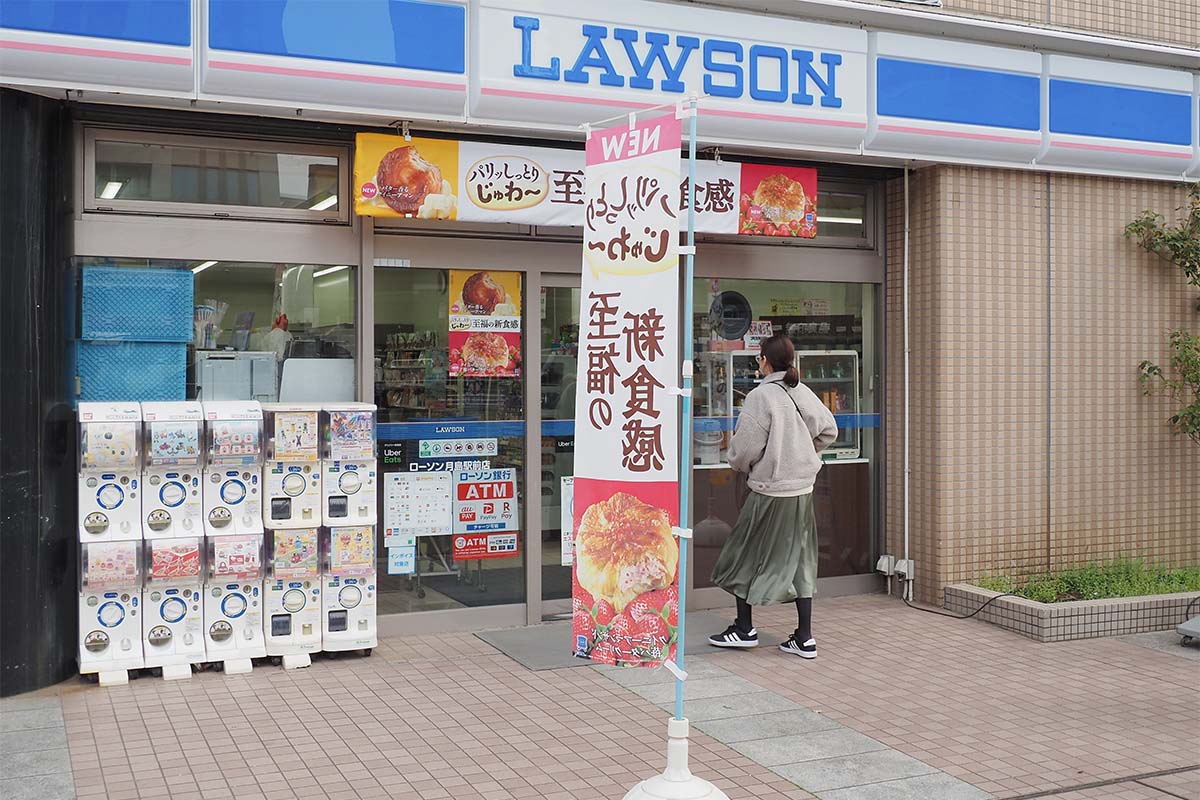
In Japan, the modern konbini emerged in the 1970s, responding to rapid urbanization and a growing appetite for speed, variety, and quality. Taiwan followed in step during the 1980s, adapting the Japanese model but with local twists: bubble tea, boxed meals, and regionally inspired snacks found their place alongside imported brands. Today, more than 69,000 convenience stores operate across Taiwan and Japan, a testament to the enormous influence that small spaces can wield. Japan alone accounts for 55,736 stores as of the end of 2024, with sales reaching a record high of 11,795.3 billion yen, dominated by the “Big Three” chains—7-Eleven, FamilyMart, and Lawson—while Taiwan hosts 13,706 stores as of the end of 2023, reflecting rapid recent growth. Despite Japan having nearly four times as many stores, Taiwan actually has a higher density, with one store for every 1,703 people, compared to one store for every 2,240 people in Japan. Taiwan’s convenience store network is now the second densest in the world, just behind South Korea, highlighting how deeply embedded these stores are in today’s life.
FUN FACT
In Japan, nearly every 7-Eleven is open 24/7, and in city centers, some are just 50 meters apart. In Taipei, Family Mart and Hi-Life stores are so ubiquitous that you’re rarely more than a five-minute walk from one, making them nearly inseparable from the rhythm of modern living.
The surprising services that make life easier
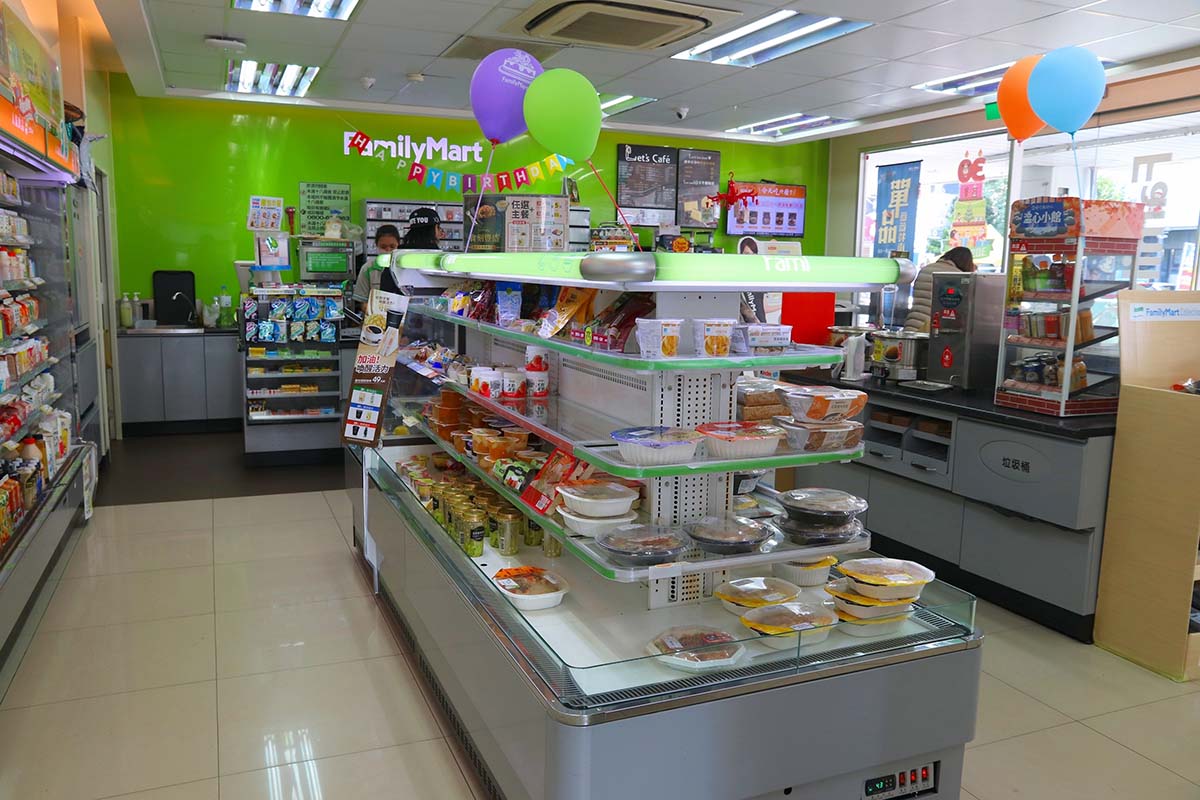
Beyond coffee and instant noodles, these stores are service powerhouses. In Japan, konbini handle bill payments, ticket reservations, and even postal services. Taiwan has adopted similar conveniences: parcel pick-up, payment of utilities, and mobile top-ups are standard. For travelers, this means you can buy train tickets, send packages, and grab breakfast all before heading to work—or before exploring the city.
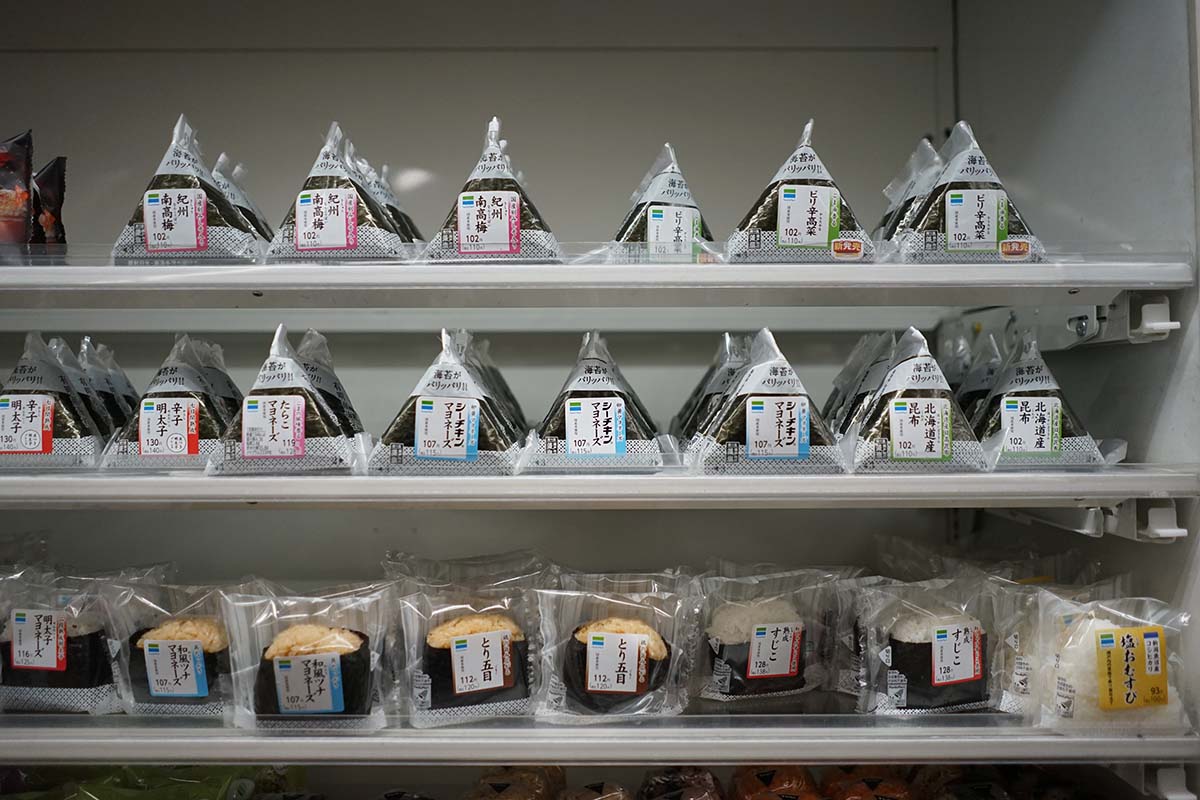
The food offerings alone are worth the visit. Onigiri in Japan and Taiwanese bento boxes are crafted with surprising attention to quality and detail, while seasonal desserts and specialty coffee cater to both practicality and indulgence. These are not your average grab-and-go meals—they are mini experiences, offering a taste of local culinary culture in just a few minutes.
Why people love them
The appeal goes beyond convenience. Konbini and Taiwan’s convenience stores thrive because they are predictable, reliable, and strangely comforting. For locals, they offer stability in bustling cities; for tourists and visitors, they are a backstage pass to authentic, localized routines. You can watch someone picking up a freshly brewed coffee, pay a utility bill, or casually browse seasonal snacks—all in a space more compact than a New York apartment.
In both Japan and Taiwan, the convenience store is more than a retail outlet—it’s a cultural touchstone, a reflection of urban ingenuity, and a place where everyday life is made just a little easier, a little richer, and unexpectedly delightful.
Some stores in Japan feature in-store vending machines and gashapon (capsule toy) machines that offer rare collaborations with popular anime, video games, or even high-end brands, along with limited-edition snacks and seasonal collectibles. These small surprises transform the konbini from a simple stop for essentials into a place of little everyday excitement, where even a quick visit can reveal unique items or ephemeral pop culture moments. In Taiwan, convenience stores occasionally have gashapon or capsule toy machines, often near entrances or checkout areas, featuring local pop culture, seasonal promotions, or anime-themed collectibles. While less widespread than in Japan, these machines still add an element of surprise and delight, showing that even everyday convenience stores can double as miniature entertainment hubs.
PRO TIP
Try seasonal items or limited-edition snacks—they often reflect local flavors or pop culture trends, from matcha desserts in Taiwan to special anime-themed drinks in Japan. Keep an eye out for in-store gashapon or capsule toy machines, which sometimes feature rare collectibles—picking one up can turn a quick snack run into an unexpected treasure hunt.
What convenience stores reveal about urban life
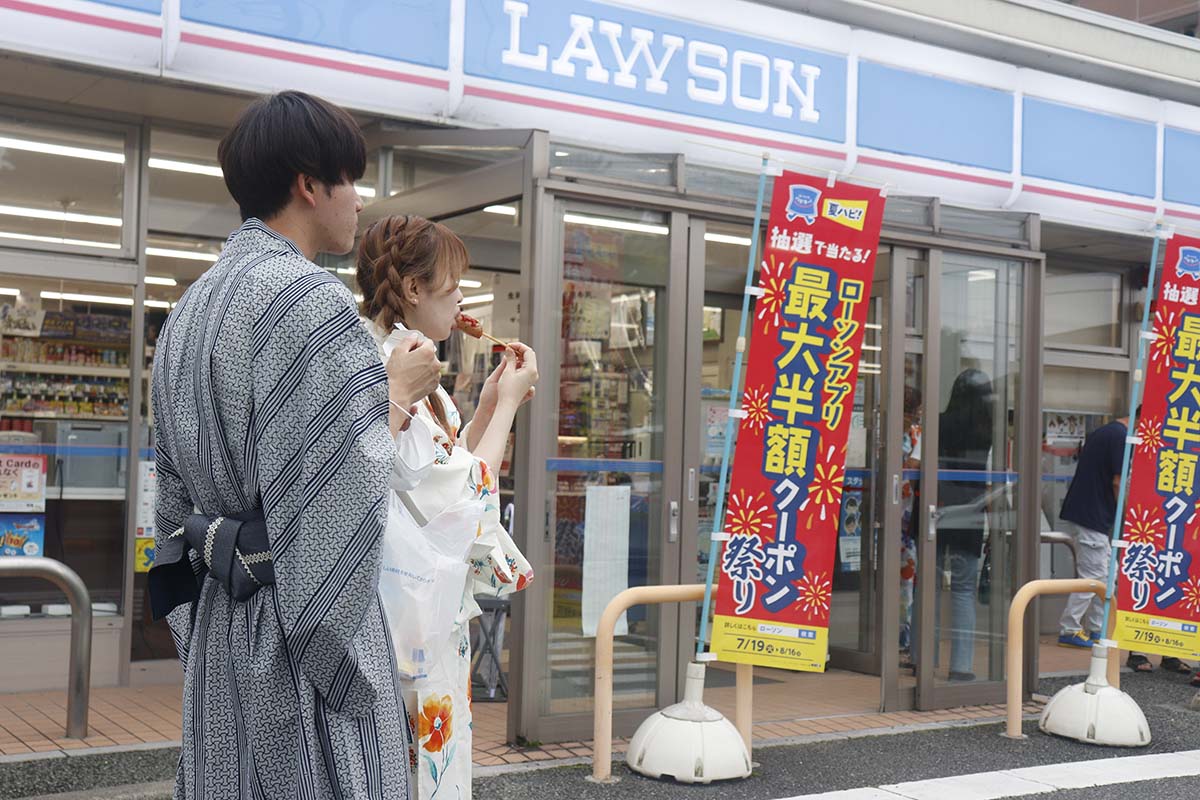
There’s an understated social elegance to the culture around these stores. People typically observe manners fitting to a public area, queuing patiently, avoiding loitering, and respecting personal space—a reflection of broader social norms that emphasize harmony and consideration for others. Everything is efficient but discreet: shelves are meticulously organized, food is freshly prepared and rotated daily, and services run seamlessly alongside day-to-day shopping. The stores mirror societal values in Taiwan and Japan—attention to detail, respect for others, and a focus on service—that are deeply ingrained and visible even in the smallest interactions.
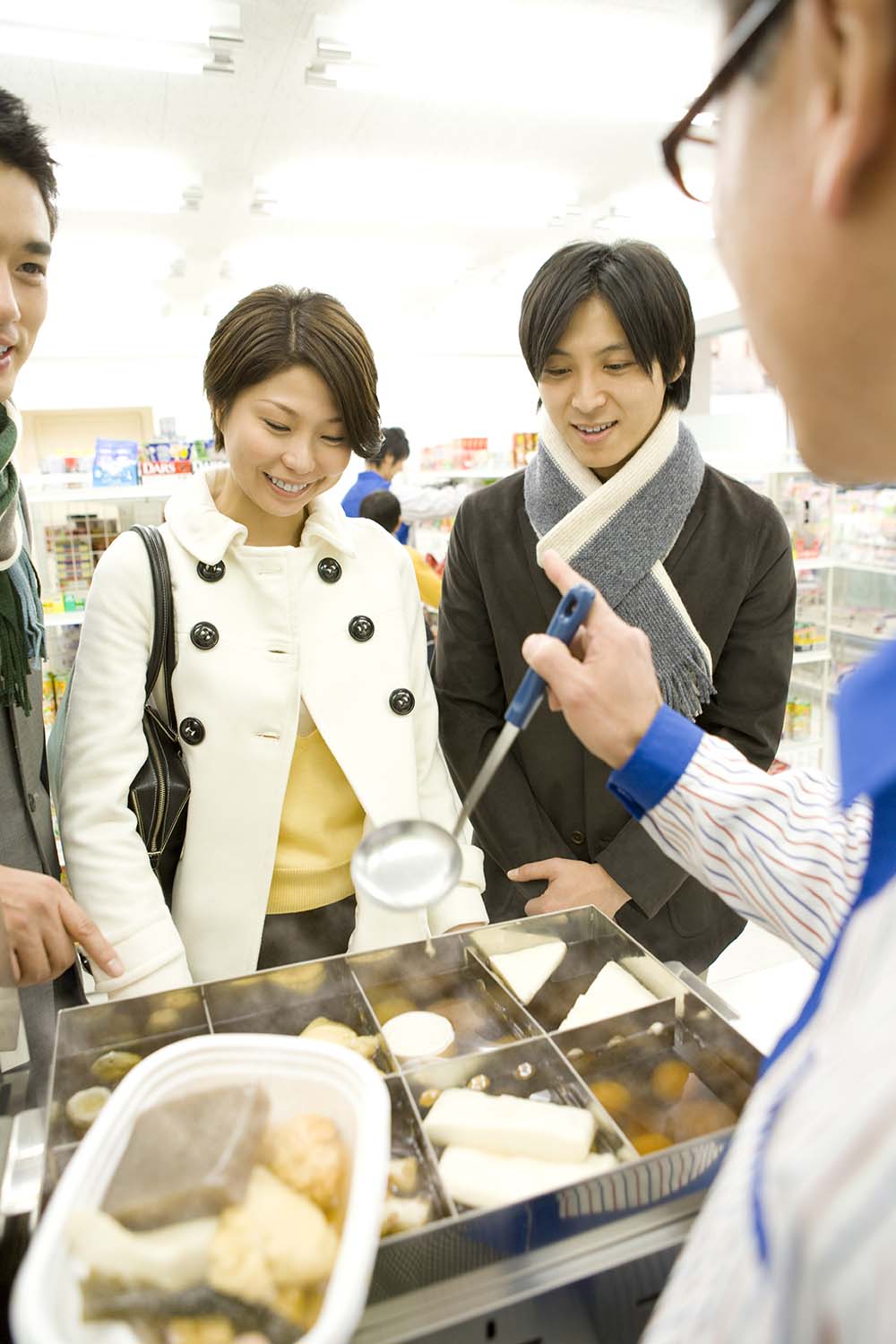
Even for those who initially scoff at the idea of “celebrating convenience stores,” spending time inside one reveals life’s hum and hubbub: the simple joys, the efficiency, and the low-key pleasures of everyday rituals. These stores function as surprisingly sophisticated microcosms of modern urban culture; they are places where the daily grind of commuters, students, and office workers intersect, revealing how communities seamlessly navigate speed, convenience, and cultural expression.
The quiet brilliance of daily convenience
Walking out with a warm bun in one hand and a cold tea in the other, you realize the stores are not just about saving time—they are about creating manageable moments of happiness in busy lives. They remind us that charm and convenience can coexist, that practicality can have elegance, and that even seemingly mundane rituals—buying a snack, paying a bill, grabbing a coffee—can be somewhat transformative.
In both Japan and Taiwan, the convenience store is more than a retail outlet—it’s a cultural touchstone, a reflection of urban ingenuity, and a place where everyday life is made just a little easier, a little richer, and unexpectedly delightful.