
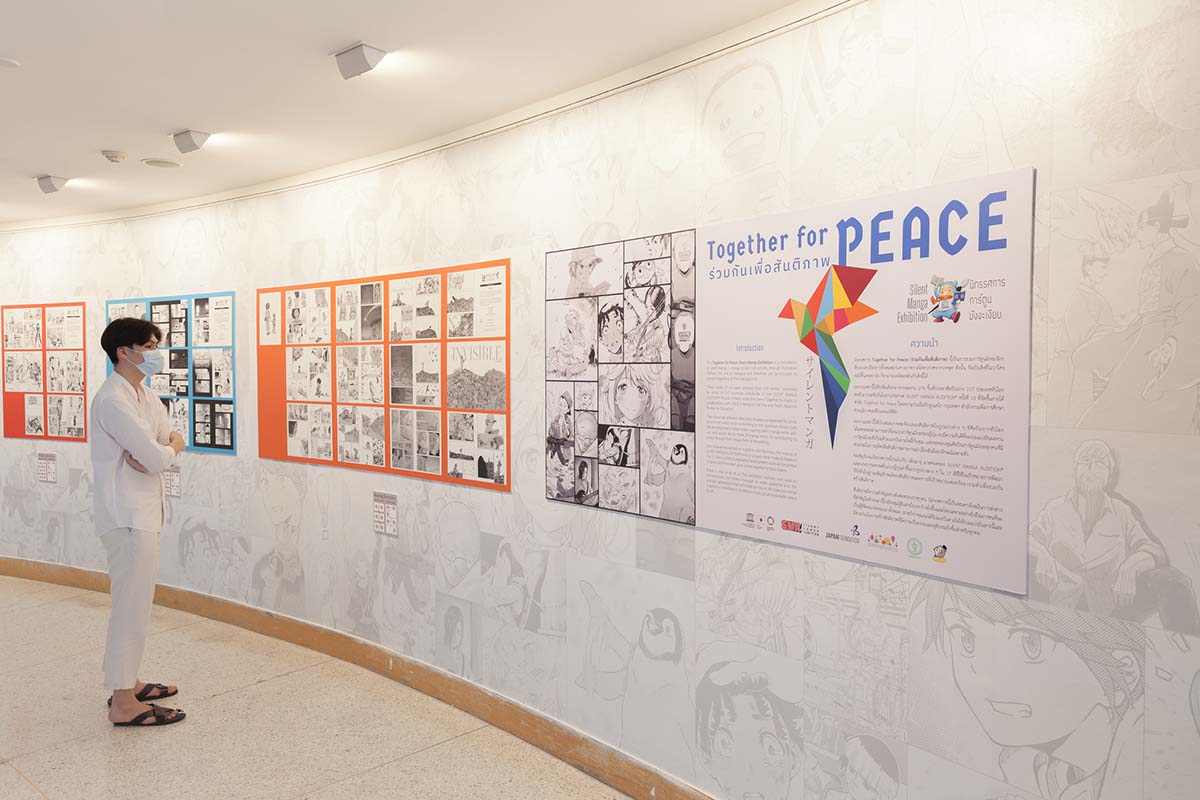
For nearly two decades, the Bangkok Art and Culture Centre (BACC) has positioned itself not simply as an exhibition venue, but as a civic space where culture operates as dialogue, education, and long-term exchange. Central to this mission has been its sustained collaboration with the Japan Foundation, a partnership that Ms. Adulaya Kim Hoontrakul describes as formative to BACC’s institutional identity.

“Since 2008, our collaboration with the Japan Foundation has been formative in shaping BACC as more than a hosting venue,” she explains. “It positioned us as a sustained platform for encounter, learning, and translation.” Rather than a succession of one-off exhibitions, the relationship has unfolded through evolving curatorial frameworks, public programs, and educational initiatives that prioritize continuity and trust.
This long-term approach has shaped how Japanese contemporary art is received in Thailand. Over time, Thai audiences have engaged with these practices not as distant or exotic, but as intellectually and emotionally proximate. “Audiences respond with a notable combination of attentiveness and emotional literacy,” Ms. Adulaya observes, noting a particular resonance with works that emphasize material sensitivity, restraint, and embedded cultural knowledge. Precision, care, and conceptual clarity often draw deeper engagement than spectacle.
“Our collaborations allow exhibitions, talks, and learning programs to operate as shared platforms for examining how art functions within society.”
Adulaya Kim Hoontrakul, Director at Bangkok Art and Culture Centre
For Thai artists and creative communities, the impact has been equally significant. Japanese exhibitions at BACC frequently act as reflective surfaces rather than prescriptive models. “They function as mirrors,” she says, “prompting practitioners to re-examine their own material cultures, vernacular techniques, and inherited forms, not as static heritage, but as living systems of knowledge.” These exchanges have deepened local discourse around craft, authorship, and the ethics of artistic labor, reinforcing BACC’s commitment to process-based thinking and long-term inquiry.
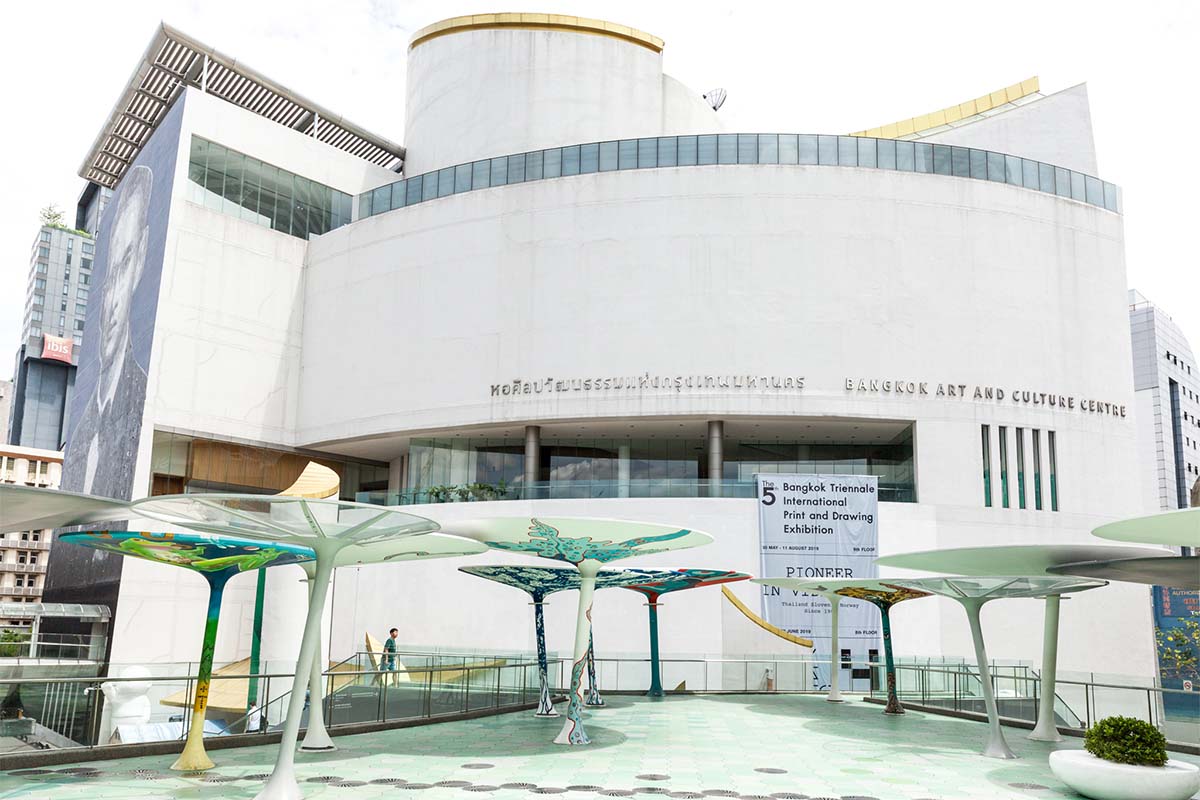
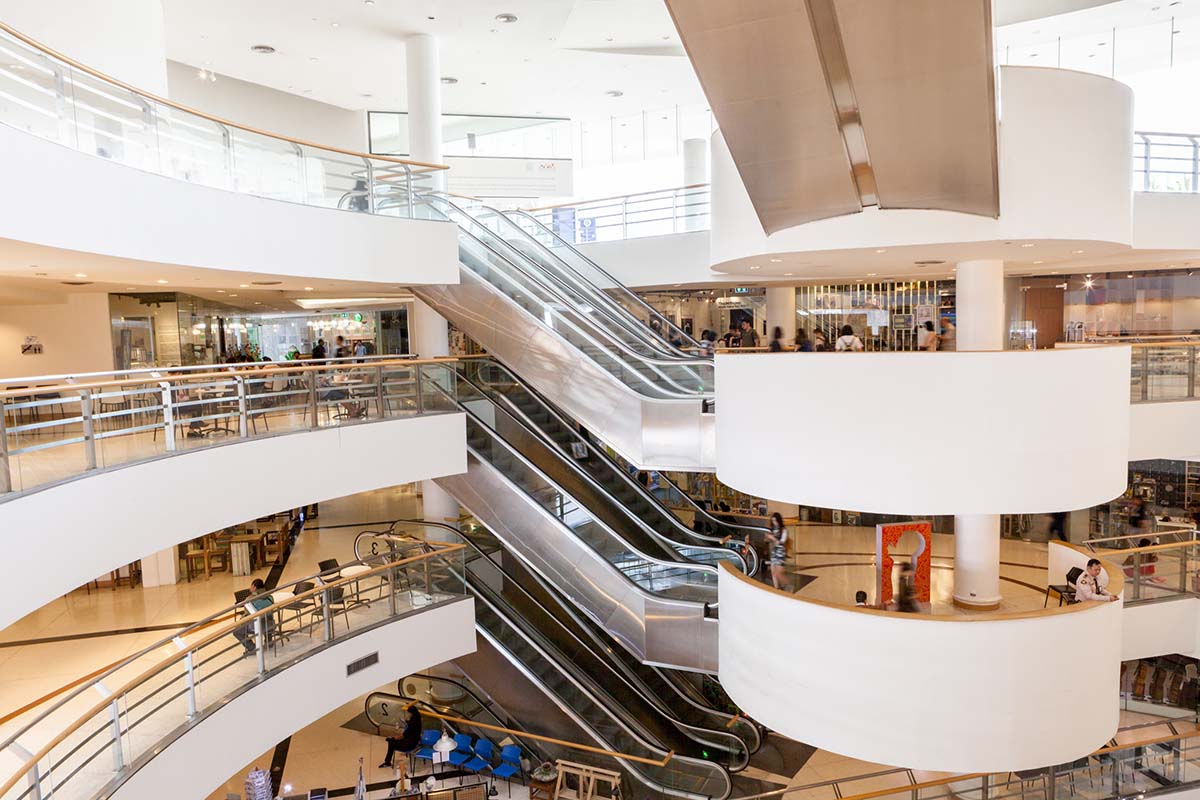
As BACC’s role as a regional cultural hub continues to evolve, partnerships with Japanese institutions remain central to its international outlook. According to Ms. Adulaya, the objective is to move beyond cultural representation toward co-thinking. “Our collaborations allow exhibitions, talks, and learning programs to operate as shared platforms for examining how art functions within society,” she explains. In a city defined by intense cultural circulation, such structured and reciprocal engagement is essential.
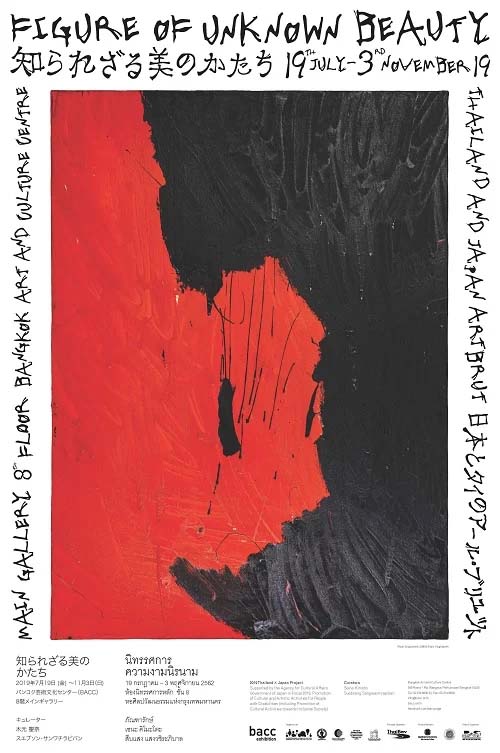
Within this evolving landscape, questions of mobility have become increasingly central to sustaining cultural exchange. As Ms. Adulaya emphasizes, “mobility—particularly for young and early-career practitioners—is essential to future-proofing cultural ecosystems.”
For emerging artists, curators, researchers, and cultural workers in both Thailand and Japan, opportunities to travel, undertake residencies, and participate in long-term exchanges are not merely career milestones, but formative experiences. “These are experiences that shape how cultural knowledge is produced and shared,” she explains, pointing to the role of mobility in developing critical skills, cross-cultural literacy, and sustainable professional networks at an early stage.
Through partnerships with organizations such as the Japan Foundation, BACC views mobility as a long-term investment in people rather than programs alone. “Cultural exchange must extend beyond the circulation of exhibitions,” Ms. Adulaya notes, “to the cultivation of people, practices, and long-term intellectual relationships that will carry Thailand–Japan dialogue into the decades ahead.”
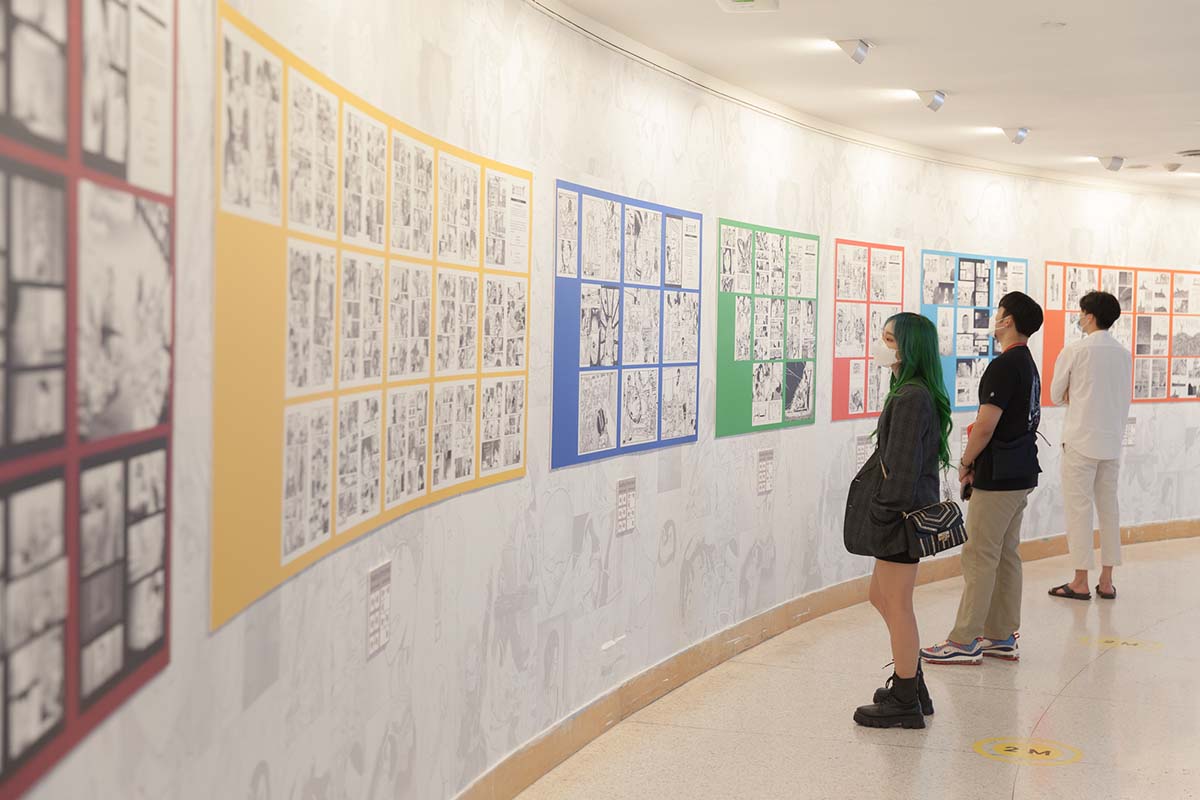
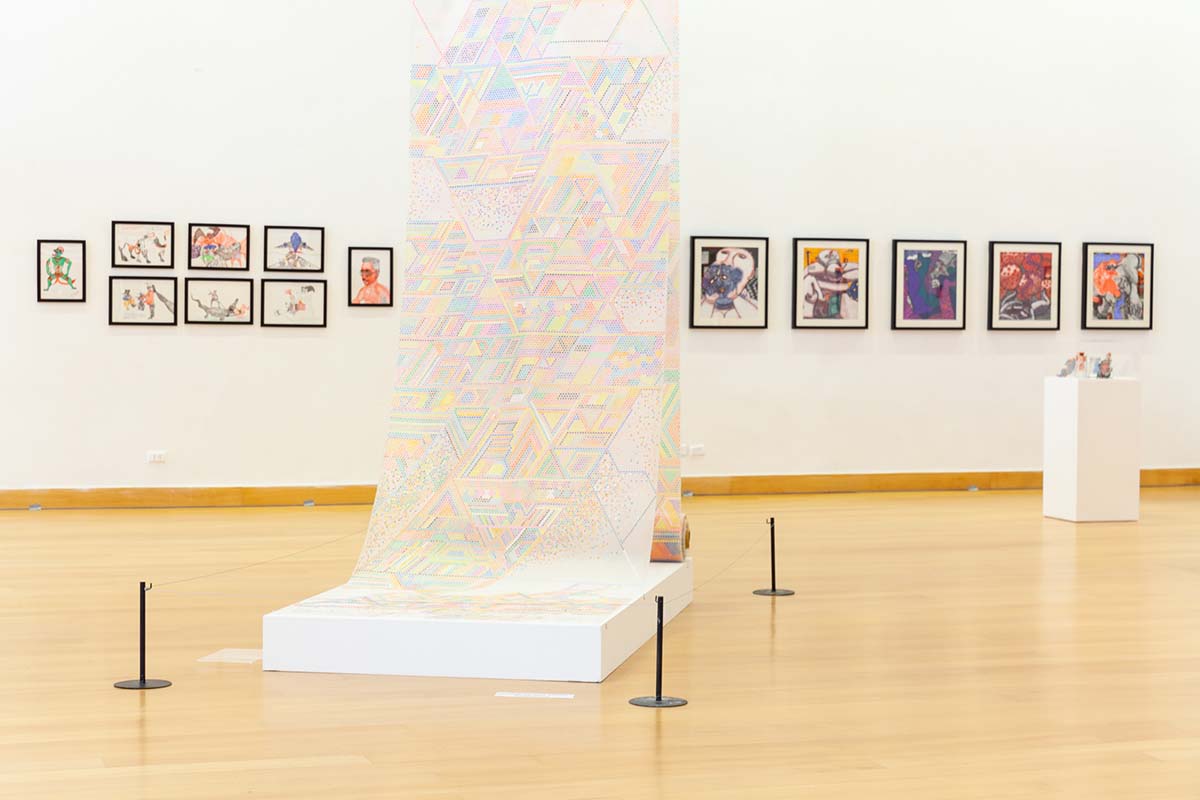
This ethos will come into focus with the forthcoming 2027 exhibition that places contemporary Japanese kogei in dialogue with Thai contemporary craft. The project reflects shared concerns in both countries around how craftsmanship operates today, amid globalization, technological change, and ecological precarity. “The exhibition seeks to challenge rigid distinctions between art and craft, tradition and contemporaneity,” Ms. Adulaya says, foregrounding craft as a future-oriented language embedded with ethical and social imagination.
Looking ahead, BACC positions itself as a core component of Bangkok’s cultural infrastructure. Its mandate extends beyond artistic production to encompass cultural literacy, critical thinking, and civic imagination. Sustained partnerships, particularly with institutions such as the Japan Foundation, will remain strategic, not only facilitating exchange but also shaping shared conversations on cultural sustainability, access, and the evolving role of art institutions in an increasingly complex regional landscape.