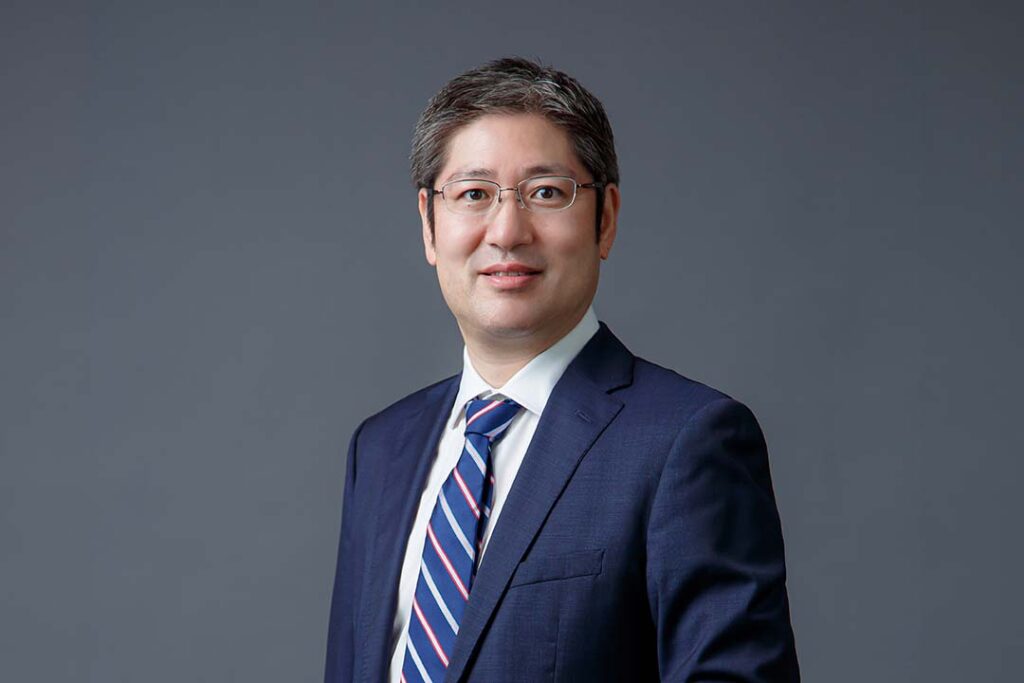

JETRO Bangkok President Ichiro Abe on the next chapter of Thailand–Japan economic cooperation
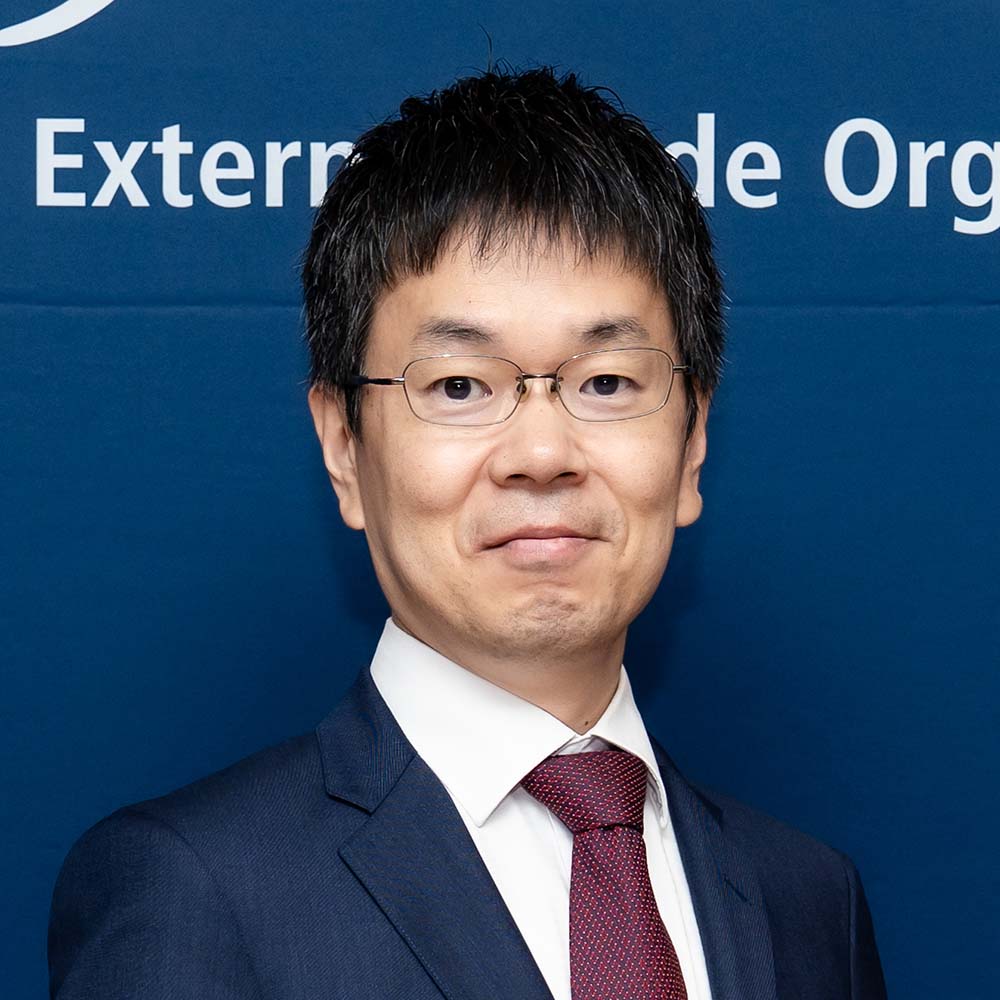
For more than seven decades, the Japan External Trade Organization (JETRO) has played a key role in supporting the expansion of Japanese businesses in Thailand while strengthening economic ties between the two countries. Today, Thailand hosts thousands of Japanese companies and remains one of Japan’s most important economic partners in Southeast Asia.
As global supply chains evolve and sustainability rises on the industrial agenda, JETRO is adapting its mission to support new forms of collaboration between Japanese and Thai companies. In this interview, Ichiro Abe, president of JETRO Bangkok, discusses the organization’s evolving role, Thailand’s continued appeal as an investment destination and the emerging opportunities shaping the next phase of bilateral cooperation.
A Legacy of Partnership and Progress
Since its establishment in 1954, JETRO Bangkok has played a central role in advancing Thailand–Japan trade and investment. As bilateral ties continue to deepen, how is JETRO evolving its mandate to remain a catalyst for high-quality investment and long-term economic collaboration between the two nations?
About 70 years have passed since JETRO established its presence in Thailand. Over this period, the number of Japanese expatriates in the country has increased dramatically—from around 500 people to roughly 72,000 today. Likewise, the number of Japanese companies operating in Thailand has grown from several dozen to approximately 6,000.
Throughout these decades, JETRO’s role has evolved. Immediately after World War II, our main mission was export promotion to help rebuild the Japanese economy. Later, import promotion became another priority as Japan’s trade balance shifted and international expectations changed. As Japanese companies expanded overseas, investment promotion became an increasingly important part of our work.
“Today, as Thailand faces new challenges such as an aging society, decarbonization and global economic uncertainty, JETRO will continue working with our partners to respond to these changes and strengthen economic cooperation between the two countries.”
Ichiro Abe, President, JETRO Bangkok

Today, our mission encompasses export promotion and investment promotion. However, the central function of JETRO has always been connection. We connect Japanese industries with Thai industries, Japanese companies with the Thai government, and both governments with each other. Building networks and facilitating collaboration remain at the core of our activities.
Over the years we have also supported concrete initiatives. For example, in the 1980s we helped develop supporting industries in Thailand by providing technical guidance to local manufacturers in areas such as metal processing and plastic molding. Later, in the early 2000s, we supported Thailand’s “One Tambon, One Product” initiative by helping promote Thai products in the Japanese market and assisting with distribution networks.
JETRO has also contributed during major events such as the Japan–Thailand Economic Partnership Agreement negotiations and the 2011 floods, when we worked with both governments to help maintain supply chains and support companies and workers affected by the disaster.
Today, as Thailand faces new challenges such as an aging society, decarbonization and global economic uncertainty, JETRO will continue working with our partners to respond to these changes and strengthen economic cooperation between the two countries.
Turning Sustainability into a Business Opportunity
JETRO’s enhanced commitment to carbon neutrality reflects a growing alignment between environmental priorities and industrial strategy. How is JETRO helping Japanese and Thai companies translate sustainability ambitions into commercially viable projects?
Companies that participate in global supply chains must transform their operations in order to maintain competitiveness. Sustainability and decarbonization are becoming central to that transformation.
Both the Japanese and Thai governments are strongly committed to carbon neutrality by 2050. They are introducing policy frameworks such as carbon credit markets while supporting technological innovation and funding for new solutions. These policies help create an environment where sustainability initiatives can become commercially viable.
JETRO’s role is to connect companies that can work together to achieve these goals. Since 2022, the Japanese government has launched a five-year plan to promote startups, many of which possess advanced technologies related to carbon neutrality. These startups often have strong ambitions to expand globally.
“Both the Japanese and Thai governments are strongly committed to carbon neutrality by 2050.”
For example, some Japanese companies have developed technologies that allow businesses to visualize greenhouse gas emissions and identify ways to reduce them. By combining visualization with practical solutions, companies can better manage their environmental impact.
JETRO facilitates matchmaking between Japanese companies with these technologies and Thai corporations that can apply them. We also work closely with the Board of Investment of Thailand and the Eastern Economic Corridor Office to organize seminars and introduce policy information to Japanese companies. These activities often lead to partnerships, memorandums of understanding and collaborative projects.
Through these initiatives, JETRO aims to turn sustainability challenges into new business opportunities for companies in both countries.
Thailand’s Rising Strategic Importance
Recent surveys point to strengthening business sentiment and rising investment interest in Thailand. From JETRO’s perspective, what structural advantages are reinforcing Thailand’s position as a preferred base for Japanese companies in ASEAN?
Thailand has several structural advantages that continue to attract Japanese investment.
First is its long history of cooperation with Japanese industry. Over many decades, Japanese companies have built strong relationships with local partners and government institutions.
Second is Thailand’s investment environment. The Board of Investment provides a one-stop service that integrates several government ministries and offers strong incentives, including tax benefits. This demonstrates Thailand’s clear commitment to attracting foreign direct investment.
Infrastructure is another major strength. Thailand offers reliable land access, electricity, water, port facilities and connectivity with other markets across Asia.
Perhaps most important is the accumulation of supporting industries. According to surveys of Japanese companies, the average rate of local procurement across ASEAN is about 40 to 45 percent. In Thailand, it is closer to 60 percent. This reflects a highly developed industrial ecosystem that allows companies to source components and services locally.
“Ultimately, strengthening people-to-people connections will remain an essential foundation for the next phase of Thailand–Japan economic partnership.”
Shaping the Next Chapter of Thailand–Japan Cooperation
As global supply chains recalibrate and new technologies reshape industry, where do you see the most promising frontiers for Thailand–Japan collaboration over the next decade?
Looking ahead, one important priority is increasing domestic value creation in Thailand. In the past, many investments focused on assembly operations. In the future, it will be important to attract more parts manufacturers and companies that can transfer advanced technologies.
Thailand should also continue developing a broader industrial ecosystem that creates local employment and strengthens the country’s technological capabilities.
Another key challenge is talent. There appears to be some mismatch between the skills provided by educational institutions and the needs of companies. Thailand is also facing demographic changes related to an aging society. Developing human resources will therefore be critical to fully capture the benefits of foreign investment.
JETRO will continue to support these efforts by attracting quality investment and encouraging companies to expand into new sectors beyond traditional manufacturing. Areas such as healthcare, content industries and agriculture present promising opportunities for deeper cooperation.
Ultimately, strengthening people-to-people connections will remain an essential foundation for the next phase of Thailand–Japan economic partnership.