
This Valentine’s Day, it’s no longer about giri choco—it’s about jibun-choco, premium treats, solo dining, and celebrating ohitorisama like never before
Valentine’s Day in Japan is not just about couples anymore—it’s also about self. You, in your solo era. And no, it’s not about feeling sorry for yourself when you’re single; it’s about embracing me-time in all its glory. The Japanese term for this is ohitorisama, which literally means “one person” or “one customer” but carries the essence of someone confidently carving their own path, happy in their solitude.
Gone are the days of handing out obligatory chocolates to coworkers (a practice known as giri-choco) or scrambling to find something cute for your crush. These days, Japan is more about self-love, personal indulgence, and treating yourself like royalty during Valentine’s.
In fact, the trend is so strong that it’s practically taking over the entire holiday season. From chocolates to dining experiences to karaoke solos, people in Japan are giving the classic version of Valentine’s Day a major makeover. Let’s dive into why this cultural shift is happening, how it’s redefining what it means to “celebrate” the holiday.
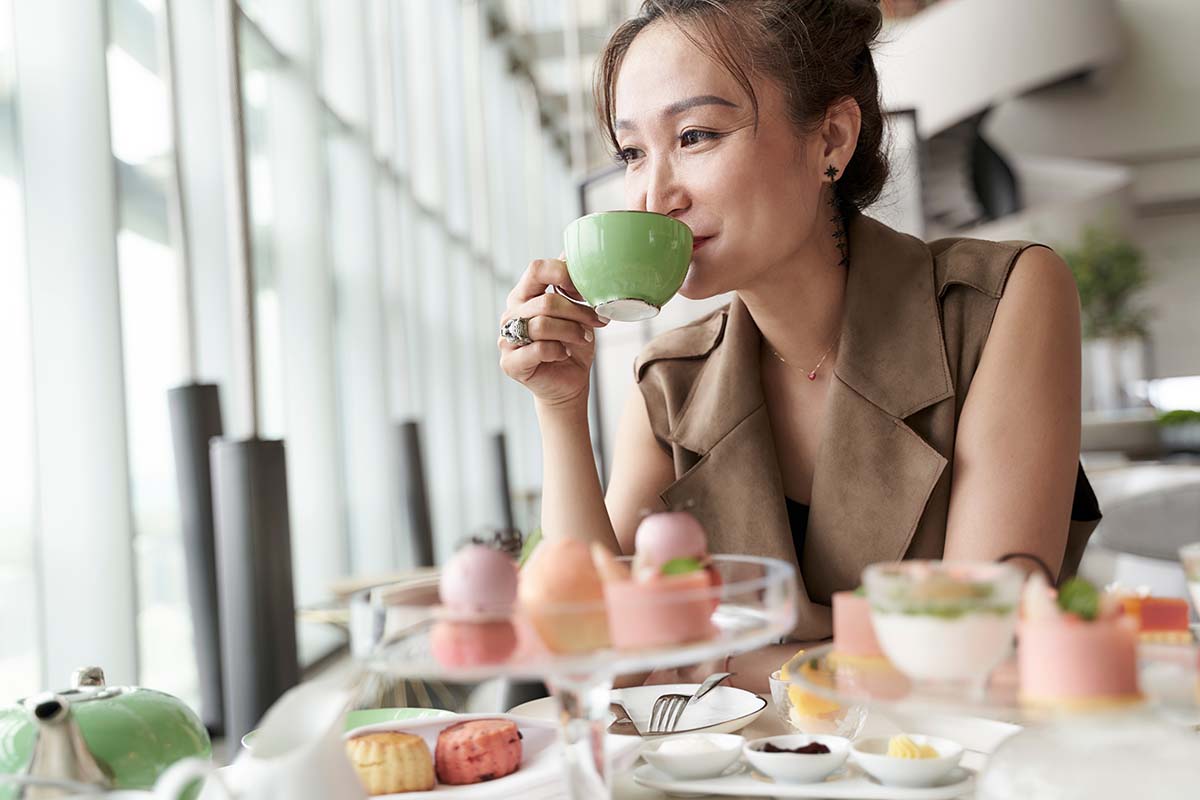
Valentine’s Day for one
When it comes to Valentine’s Day, self-love is the new norm. People are increasingly saying: “Forget the stress, I’ll treat myself.” According to a December 2025 survey by Matsuya Ginza, for instance, a whopping 65% of respondents are planning to splurge on high-quality chocolates for themselves in 2026. That’s right, it’s not just a few people—it’s a trend. The result? Self-gifting (jibun-choco) is now officially more popular than gifting your partner (romantic gifts only come in at 53.7%). And the trend doesn’t stop there. The average amount spent on self-gifting chocolates has skyrocketed to about ¥10,662 (around $67), nearly double what people spend on gifts for their significant other. The fact that people are willing to drop big bucks on chocolates they won’t share with anyone? Now that’s a definite shift in the Valentine’s vibe.
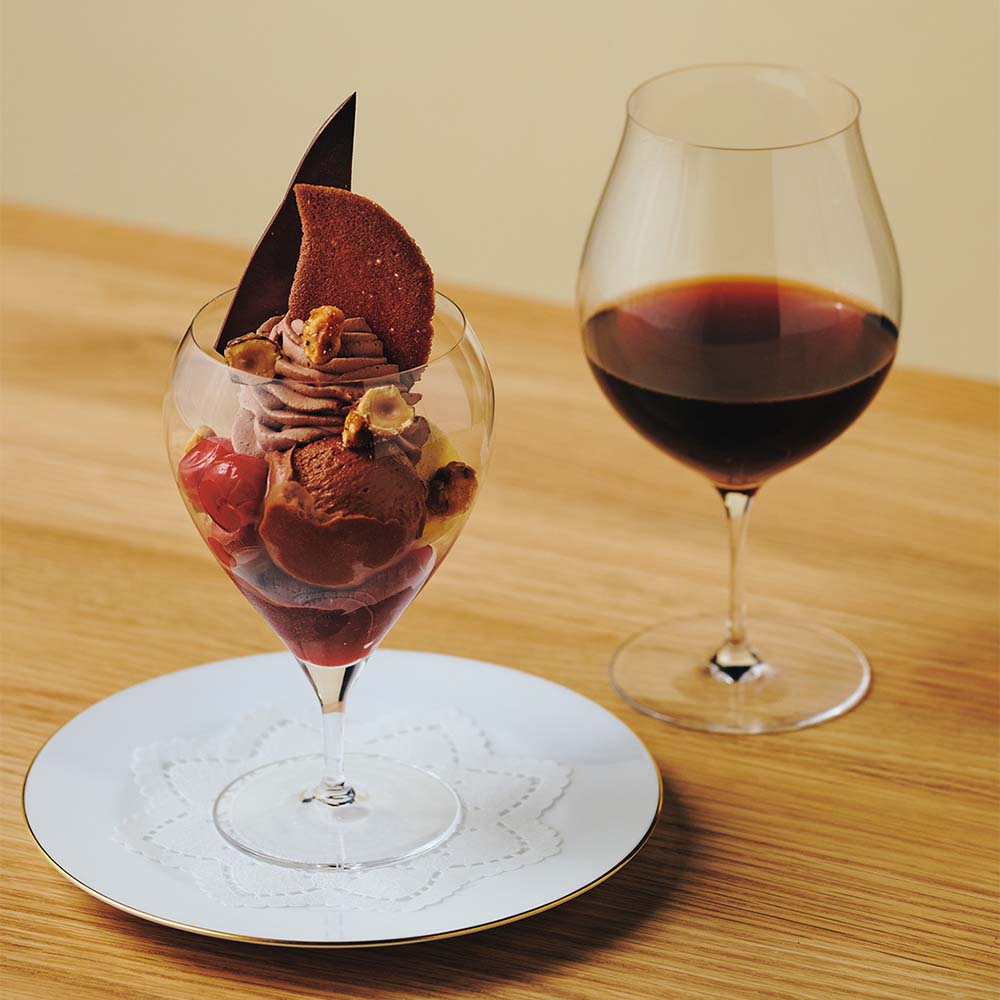
The art (and smarts) of self-gifting
The rise of self-gifting doesn’t just mean buying whatever’s on sale at the convenience store—it’s about splurging on the best.Chocolates, for instance, are more than sweet treats; they’ve become symbols of sweet, satisfying self-indulgence. Premium chocolates are in high demand, and with the global cocoa crisis driving prices up, consumers aren’t holding back. In fact, the average price of chocolate in Japan has risen by 30% due to shortages, but that hasn’t stopped people from splurging on the finest offerings. Some people are even spending ¥300,000 (around $1,890) just on chocolates for themselves!
What’s the deal with this splurge mentality? It’s part of a larger shift toward personalized, indulgent experiences. People aren’t just buying chocolates—they’re buying stories, experiences, and craftsmanship. Some chocolatiers are even experimenting with unconventional ingredients like premium Japanese Shine Muscat grapes, buckwheat, or spices like shichimi (a Japanese chili powder blend), offering a twist on traditional treats that makes them even more desirable.
PRO TIP
Looking to buy chocolates that are a little more “wow” than the usual? Go for limited-edition or seasonal offerings. In Japan, chocolates made with local fruits or paired with unique alcoholic beverages (think: chocolates + sake) are super trendy. Bonus points if you can find something that reflects the artistry behind it.
Solo dining and solo everything
Japan has been quietly riding the wave of the “Loneliness Economy” for a while now. This may sound like a depressing term, but in reality, it’s quite the opposite. The Loneliness Economy refers to a cultural shift where solitary experiences, once thought of as sad or undesirable, are now being embraced as a luxurious and enjoyable way to spend time. It’s about doing things on your own terms and turning loneliness into a positive, empowering experience, often tied to high-quality products and services. Solo dining, solo travel, and personalized services are no longer stigmatized—they’ve become a sought-after lifestyle.
In this economy, people are choosing experiences that cater specifically to individuals, offering moments of relaxation, freedom, and indulgence. From private dining booths to behind-the-scenes tours at aquariums (once predominantly marketed to aquarium fanatics), there’s a growing demand for moments of solitude that feel exclusive, high-end, and just right for the solo traveler or diner.
FUN FACT
Did you know that oshi-katsu (supporting your favorite celebrity or influencer) is a big deal in Japan? People are so into the idea of supporting their idols that they’re now bringing that same devotion to their personal experiences. For instance, many women visit patisseries not just for the chocolate but because they adore the chefs who make them. Who knew chefs could have groupies?
In Tokyo, for example, Matsuya Ginza hosts a Valentine’s event called Ginza Valentine World, where solo visitors can take part in chocolate-tasting events, gourmet meals, and live demonstrations. But here’s the twist: a lot of these experiences are tailored for one person, meaning you get a private viewing, a personalized service, and even the luxury of sitting alone without the uncomfortable side-eye from anyone. In short: it’s your moment, and it’s all about enjoying it.
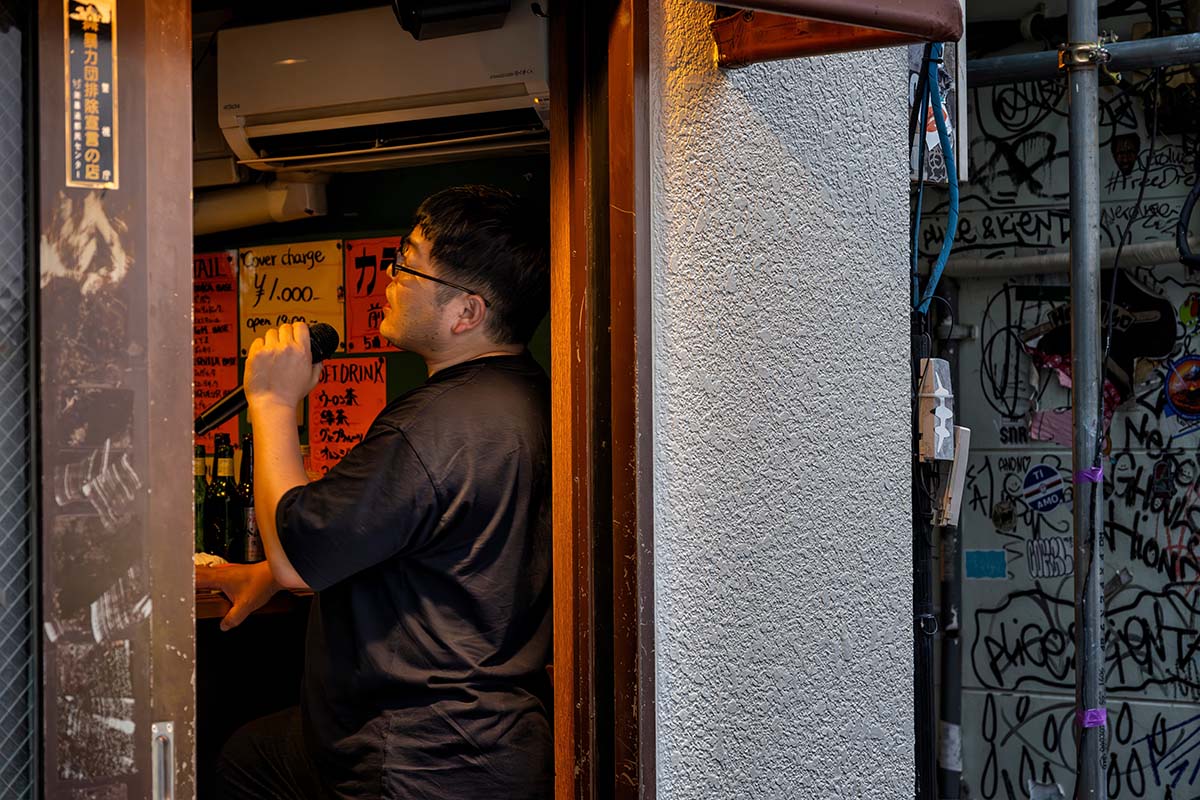
The real fun of doing things solo? (spoiler alert: it’s all about the experience)
One of the most exciting parts of this trend is the sheer creativity behind it. Whether it’s indulging in a luxurious, quiet meal or booking a private behind-the-scenes tour, businesses are getting more imaginative with the concept of solo experiences. Restaurants and shops are capitalizing on the demand for private, custom-tailored moments where people can enjoy things on their own terms. For example, restaurants offering single-diner-friendly tables or even exclusive “solo dining events” are becoming more popular.
FUN FACT
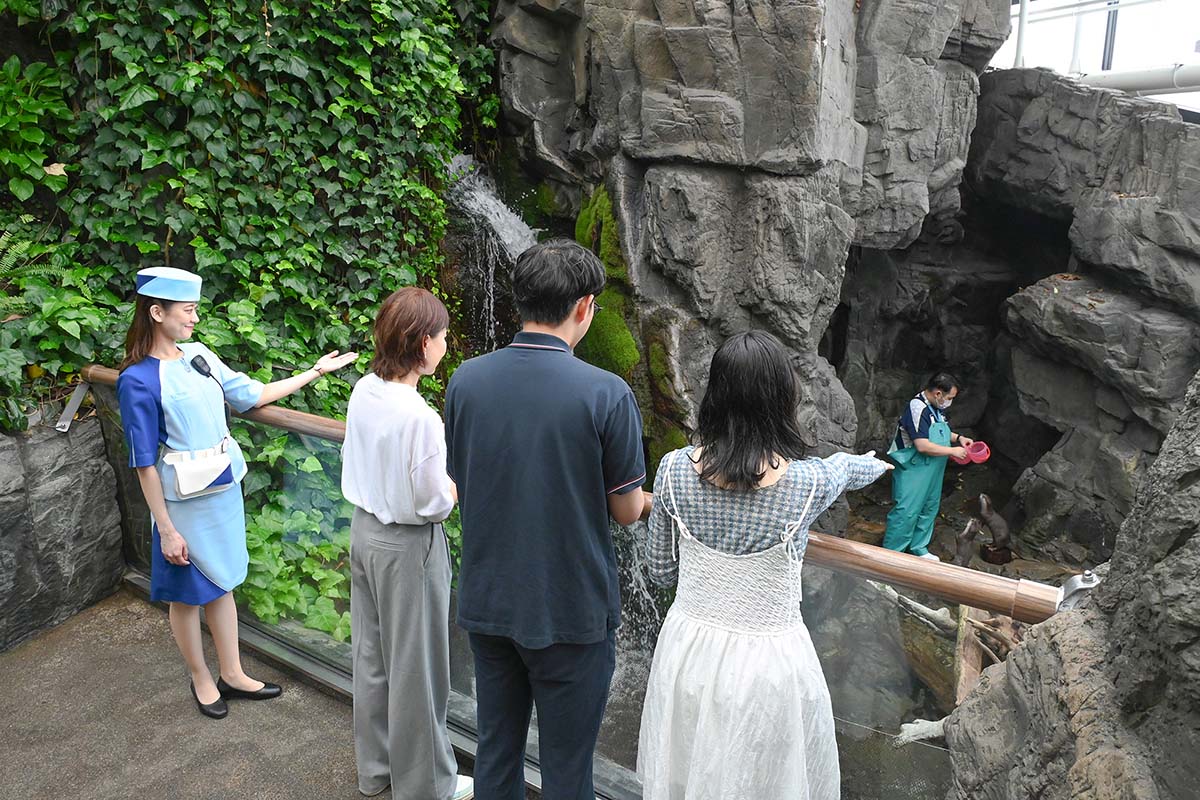
Want to feel like a VIP? Check out Japan’s “maniac tours,” specialized, niche travel experiences that dive deep into specific interests and subcultures. These exclusive behind-the-scenes experiences let solo guests go backstage at places like aquariums, museums, and art galleries. You’ll get intimate access to exhibits, meet with curators, and even learn about the hidden history behind what’s on display—all with no one else around. Pretty cool, right?
For those who love entertainment but want it their way, solo karaoke rooms (like the popular 1Kara in Shinjuku) are popping up all over Japan. Hitokara (a portmanteau for hitori karaoke) or “alone karaoke” is the Japanese term for going to karaoke alone. You can belt out your favorite hits without worrying about anyone judging your off-key notes. It’s just you, the microphone, and your favorite jams. No one else needed.
Business takeaway—you may want to leverage solo indulgence
If you’re in business, there’s no better time to tap into (and yes, cash in on) this growing solo trend. Offering experiences that cater to single visitors can not only boost your profits but also build customer loyalty and make your business more inclusive. Whether it’s an exclusive solo dining experience or a custom chocolate box with a personal touch, there’s a huge opportunity to cater to people who want something just for them.
So, as Valentine’s Day continues to shift toward self-celebration, don’t forget that people are increasingly turning to high-end, personalized experiences. Solo, yes—but not lonely. It’s all about living your best life and indulging in what truly makes you happy. And if there’s ever been a time to embrace that, it’s now.