
A piece of chocolate can make an unfamiliar place feel a little closer. In the hands of Susana Tavares and Tomoko Suga, it becomes a personal invitation to discover two. The Portuguese and Japanese co-founders of Feitoria do Cacao bring their respective cultures to a shared craft, giving a familiar pleasure the capacity to surprise.
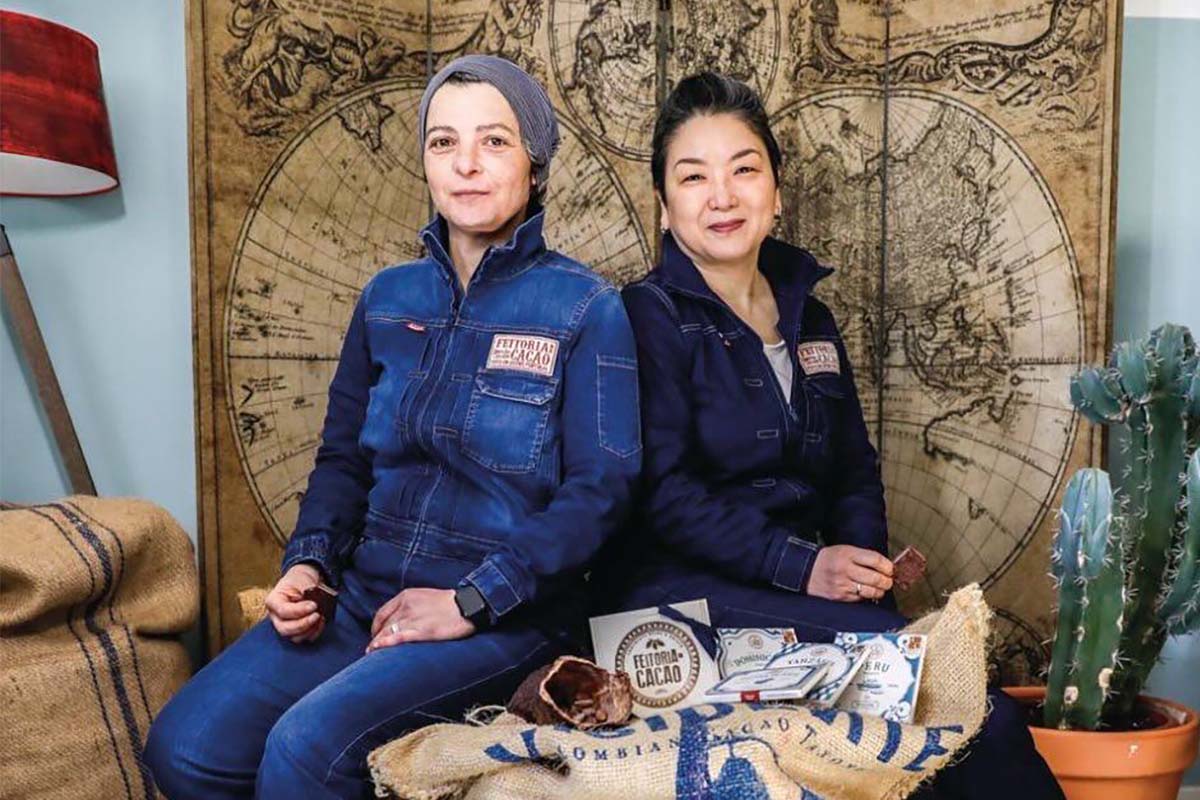
Their story gives the cultural exchange between Portugal and Japan a human scale. Behind the name are two women whose collaboration invites curiosity about the people, places and tastes that make each chocolate their own. In the following conversation, Suga, Feitoria do Cacao’s Japanese co-founder and general manager, introduces the company she and Tavares have nurtured, offering readers a welcome introduction before that first bite.
Bridges: How have your Japanese and Portuguese backgrounds influenced Feitoria do Cacao’s approach to flavor, craftsmanship and business?
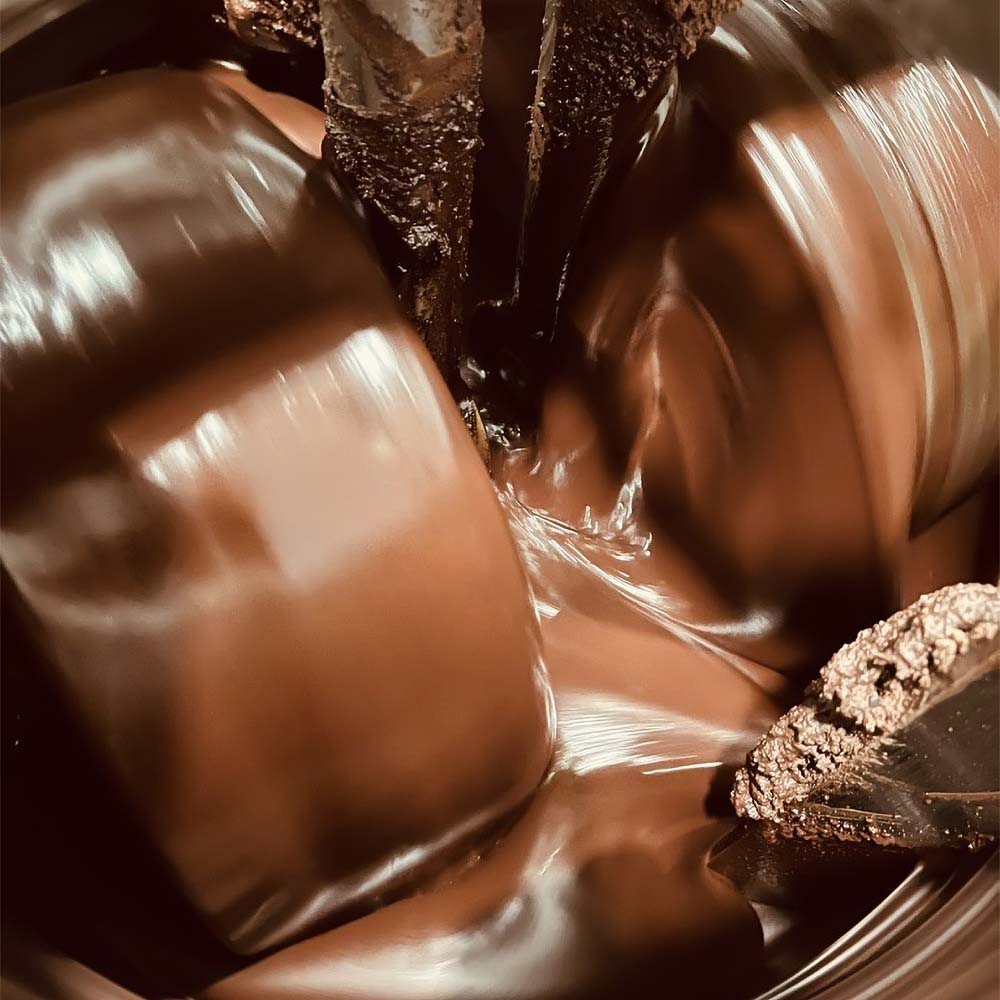
Suga: Japan’s sophisticated culinary culture is well known worldwide, but Portugal is also a country blessed with the fresh, rich ingredients of the Mediterranean, making its cuisine truly delicious. We rely on each other’s sense of taste, incorporating traditional flavors from Portugal and Japan and experimenting with new cacao origins. We produce chocolate through repeated trials and tastings until we are fully satisfied.
Actually, Japan and Portugal share many similarities in their national character, and having a craftsman’s spirit is one of them. Many Portuguese people are patient and skillful with their hands, and the country is famous for its exquisite traditional crafts such as detailed wood carvings, embroidery, and weaving. On the production side, Susana from Portugal applies her natural perfectionism to carefully craft each chocolate, paying close attention to every process and detail.
I mainly handle the business side. I put the Japanese strengths of quick and polite response to use in sales, communication, and PR.
After winning two gold medals in 2026 and reaching nearly 20 countries, how do you plan to meet growing demand while remaining a two-person operation?
I came to Portugal at the age of 33, completely exhausted from overwork in Tokyo. In the slow flow of time and the warm smiles of the people, I learned a lot about values more important than social success and about the meaning of happiness.
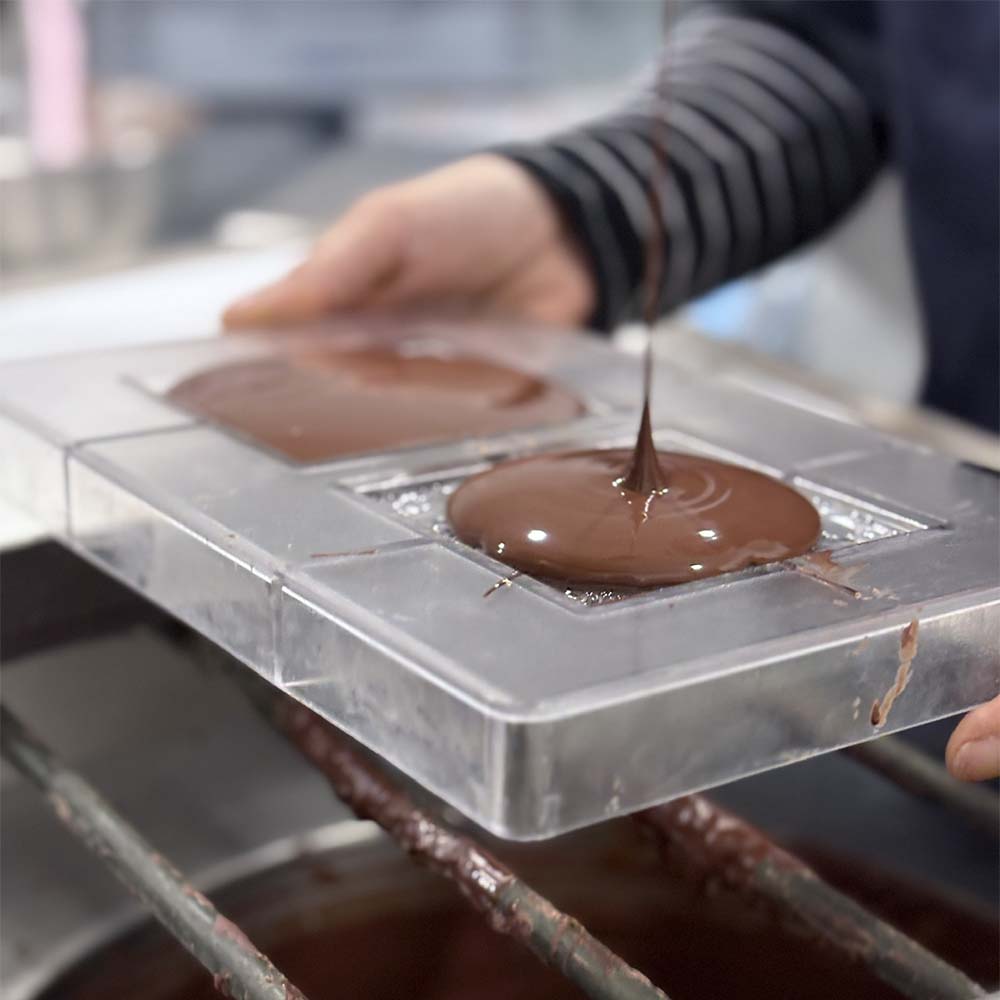
We have chosen to keep our company small, operated by just the two of us. Of course, there are times when we must work very hard, but we know that this way brings the greatest happiness, both for the quality of our chocolate and for our own quality of life.
We want to be artisans, not corporate managers.
“Delivering high-quality products finished to perfection and responding promptly and carefully to even the smallest requests—these habits translate into a business style that is welcomed in any market.”
Tomoko Suga, Co-Founder of Feitoria do Cacao
Rather than worrying about managing lots of staff, sales strategies, or the pressures of numerical targets, we want to make the chocolate we love with our own hands.
From the beginning, our motivation for starting this business was not to make big money. It is to create delicious chocolate as part of a transparent and sincere supply chain where everyone—from cacao producers to consumers—can be happy. As long as it is a business, being economically sustainable is a basic requirement, but pursuing profits beyond what is necessary for life is missing the point.
We do not mass-produce, nor do we sell in supermarkets or large chains. This may, in turn, enhance the value of our brand and products.
What have you learned from selling in Japan, and which aspects of Portuguese chocolate culture resonate most strongly with Japanese consumers?
Japanese customers are known for being the most demanding in the world. Even the tiniest details that would not be an issue in other countries can lead to a complaint. Delivering high-quality products finished to perfection and responding promptly and carefully to even the smallest requests—these habits translate into a business style that is welcomed in any market.
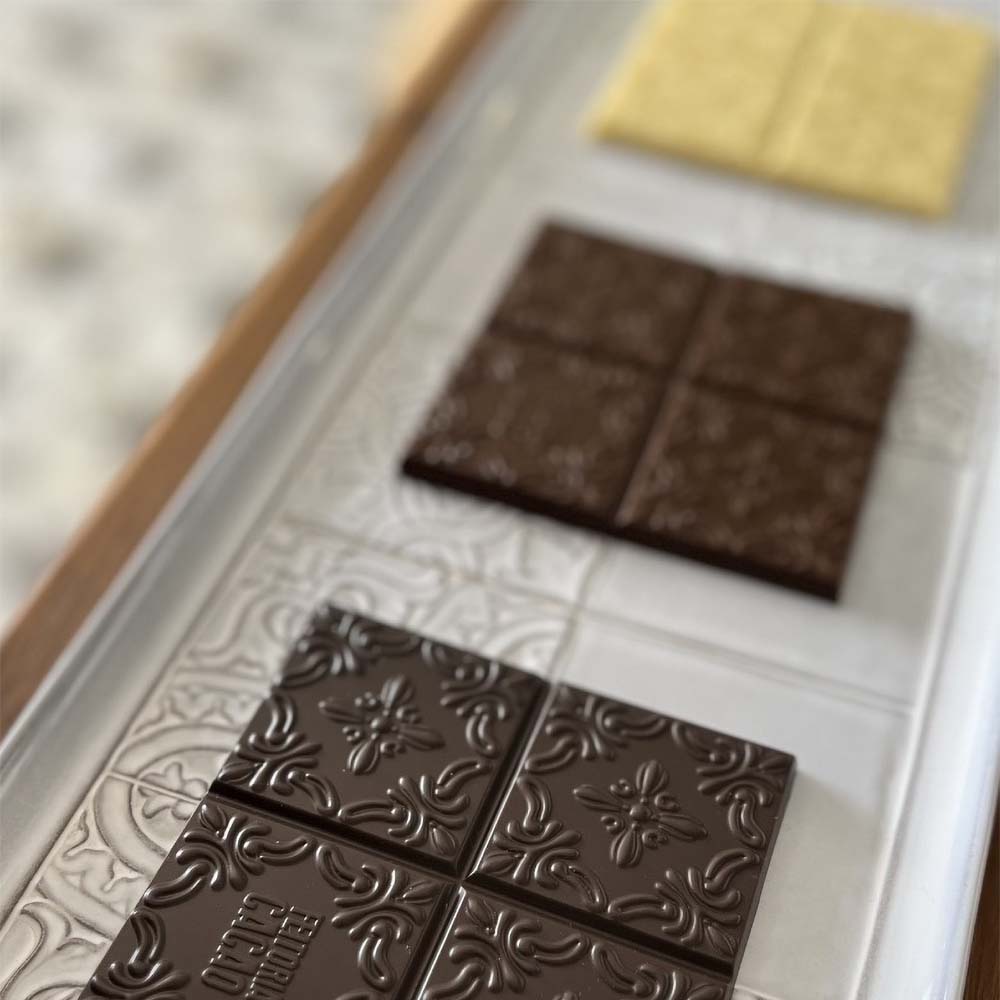
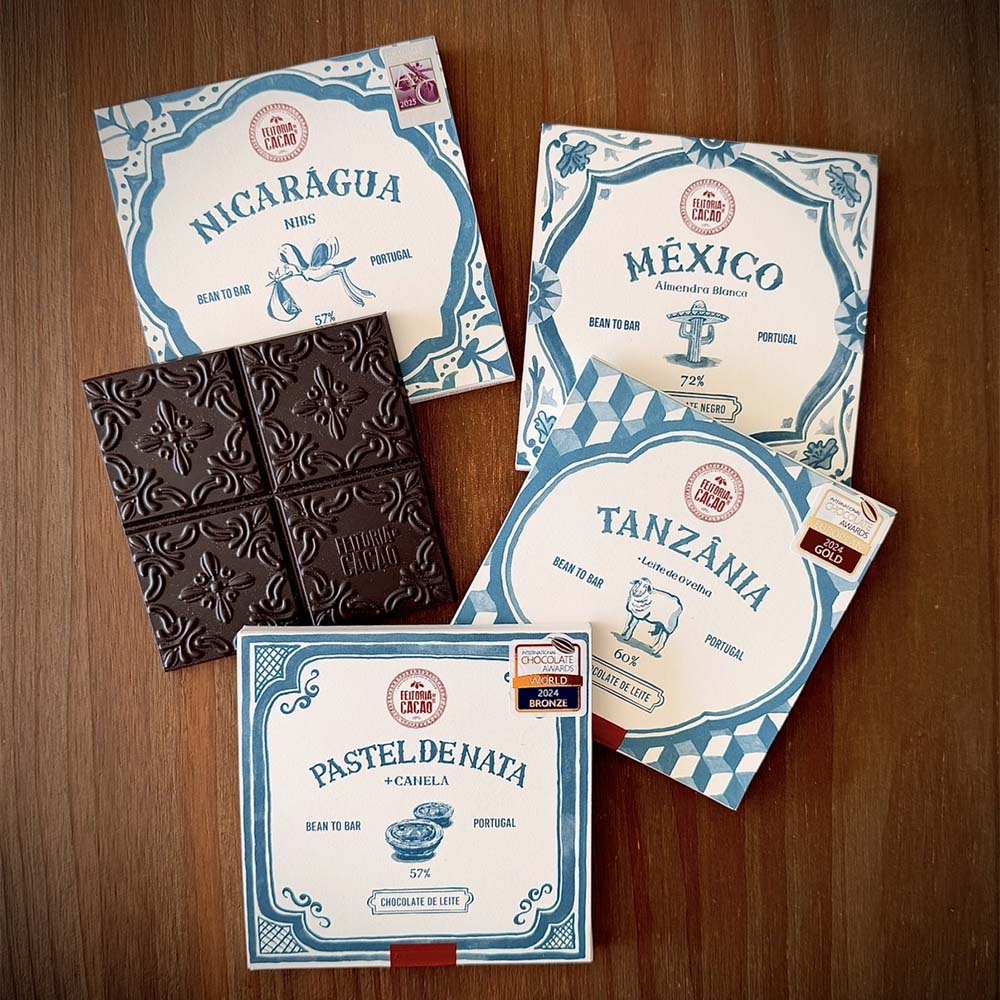
Portugal itself does not have a strong image as a chocolate country. On the other hand, Japan and Portugal share a deep historical connection. Japanese people learn about this relationship in school, which gives them a kind of familiarity with Portugal. In addition, our packaging design inspired by Portuguese tile (azulejos) or chocolates based on the now globally famous pastel de nata often catch customers’ eyes and make them want to pick them up.
As Feitoria do Cacao enters its second decade, what do you want the company to become, and what role could Japanese ingredients, chocolatiers and retailers play in that future?
The dreams we envisioned when we launched our business have, fortunately, all been realized within ten years. Our challenge now is how to maintain our current joy and sense of fulfillment while continuing to create even more delicious chocolate. To achieve this, we believe it is also important to value work-life balance, which has often been difficult until now.
Regarding Japan, the current depreciation of the yen is our greatest obstacle. What we can do is to create and offer chocolates that are even more delicious and unique. Chocolates that feature traditional Japanese flavors are one example of this approach.