
My long search for the intense flavors of tsukemen began behind an unassuming sliding door in Tokyo—and eventually led to a restaurant beside my home in Manila.
The first time I tasted tsukemen, I had no idea what I was ordering.
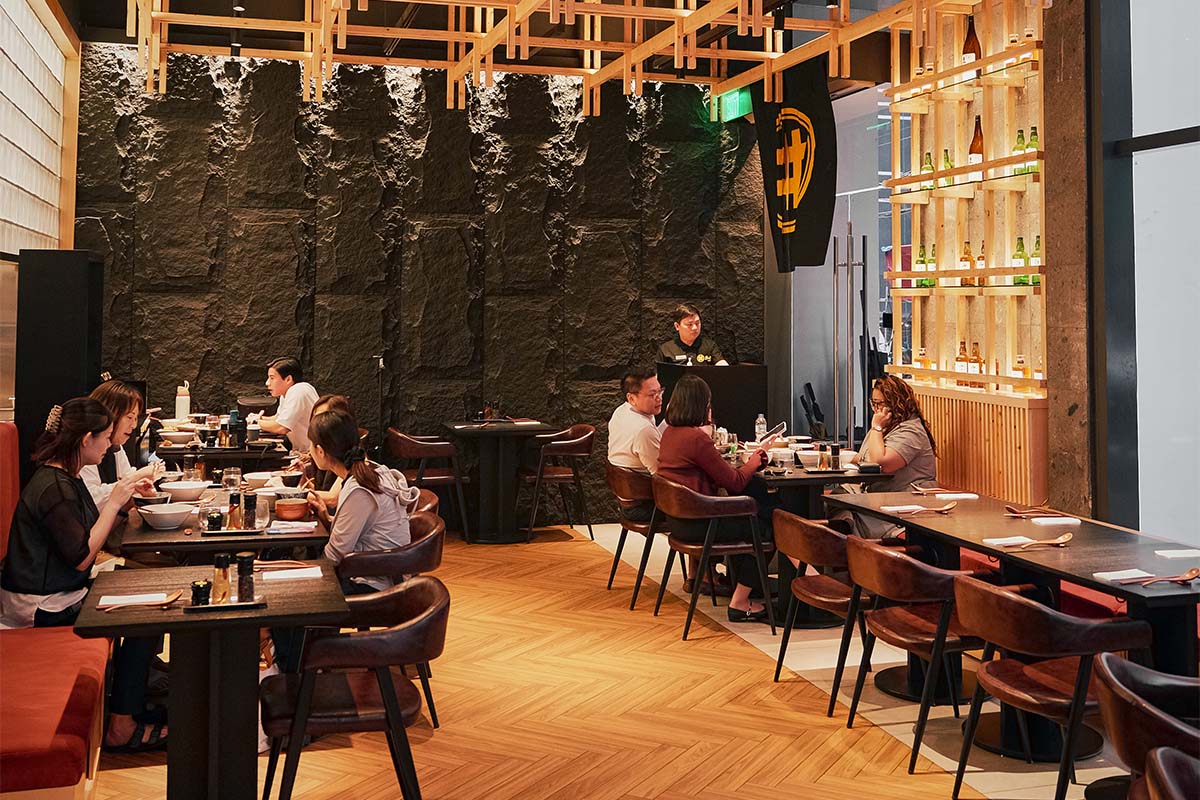
It was 2010, and I was living near Gotanda Station on Tokyo’s Yamanote Line. The main street had a seemingly endless variety of restaurants. Most were easy enough for a foreigner to navigate: an English name, photographs of the food or a brightly lit façade through which I could see what other diners were eating.
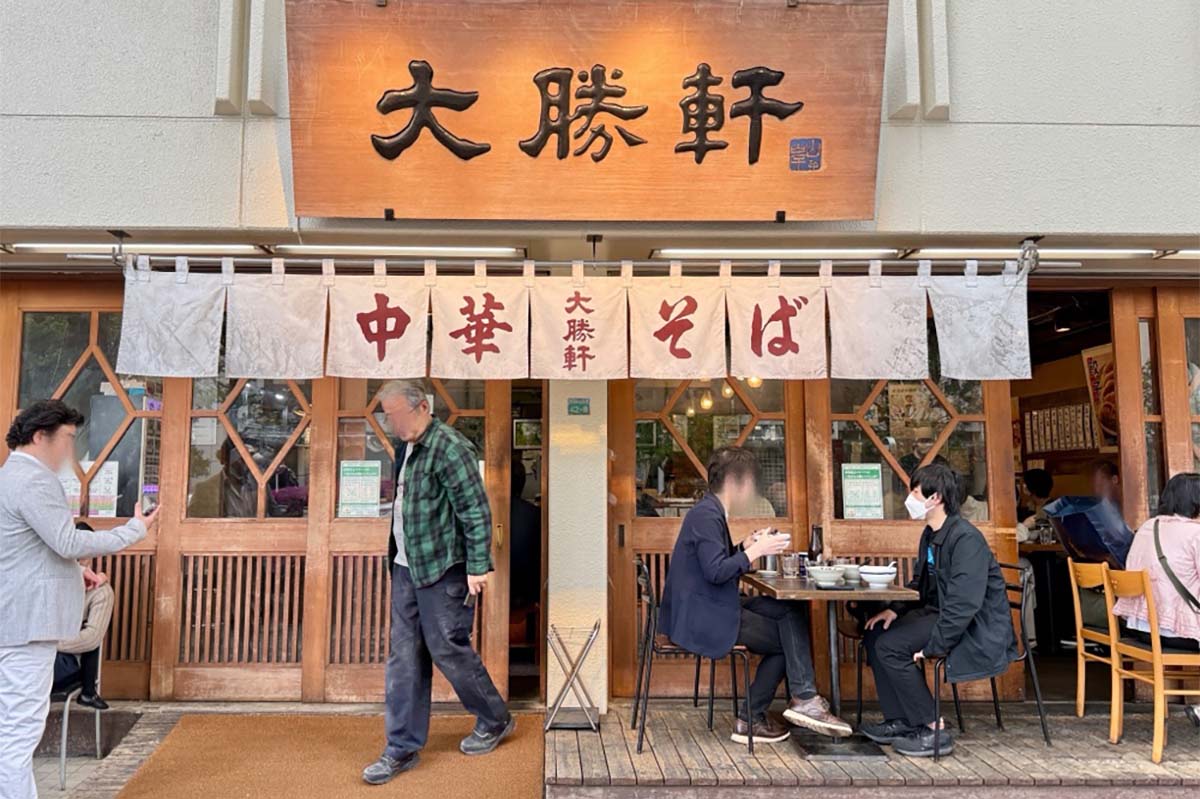
But there was one restaurant that offered none of these reassurances. Its exterior was traditional and almost secretive, with a shoji-style sliding door obscuring whatever was waiting inside.
One day, I finally took the chance and went in. With no English menu or photographs to guide me, I watched what the other customers ordered and how they ate it. I followed their lead, dipping the thick noodles into the dark, concentrated broth before taking my first bite.
I was floored.
That decision introduced me to tsukemen — and began what has become a lasting obsession.
I have always been drawn to rich flavors with depth, and a great tsukemen broth is a taste to behold: concentrated, intensely savory and layered with flavors that continue to reveal themselves with every mouthful. I absolutely loved it.
Since then, tsukemen has been one of my essential meals whenever I visit Japan, which I try to do every year. I enjoy many kinds of ramen, but tsukemen is by far my favorite among Japan’s noodle dishes.
My search continued in Manila. Around 10 years ago, I discovered a restaurant serving tsukemen, but it did not leave much of an impression. Other versions appeared over the years. Some were better than others, and I developed my preferences, but I was still looking for that particular depth and intensity I remembered from Japan.
Then INOSHO Ramen opened in the building next to mine. It felt heaven-sent.
So, what exactly is tsukemen?
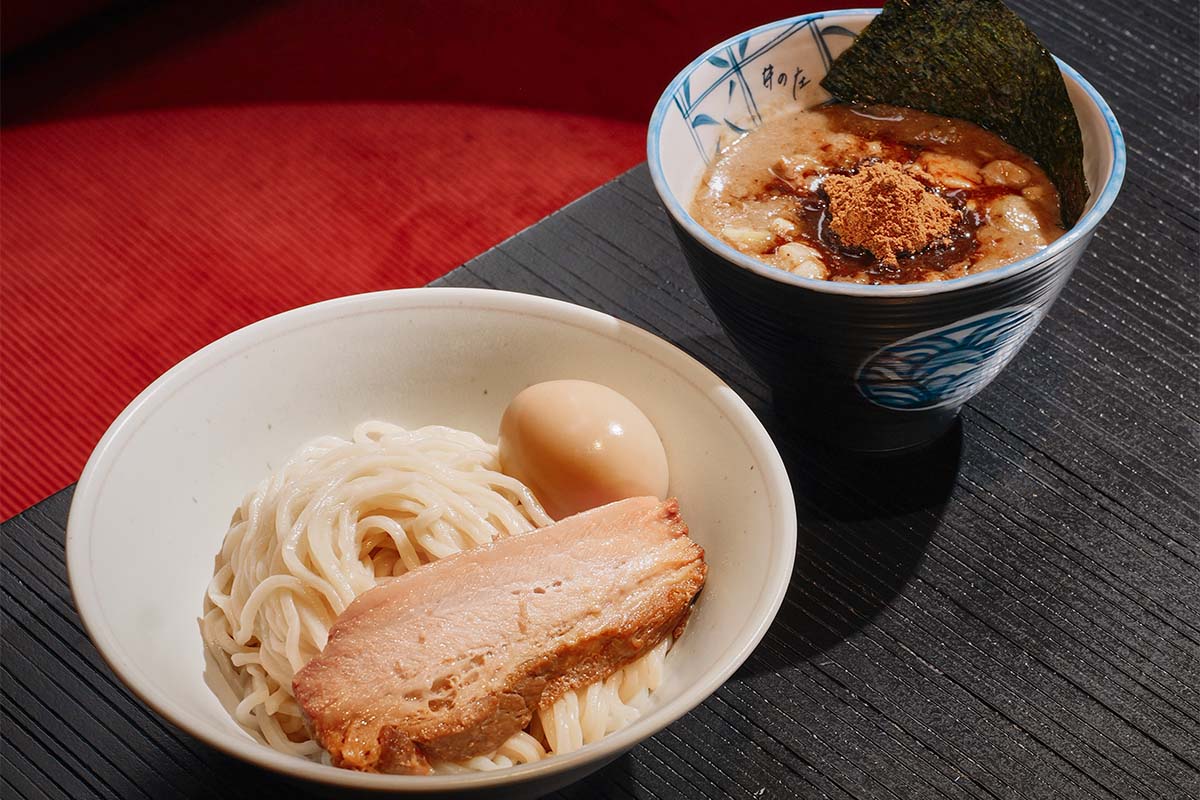
Tsukemen is often described simply as “dipping ramen,” although that definition does not fully capture what makes it special.
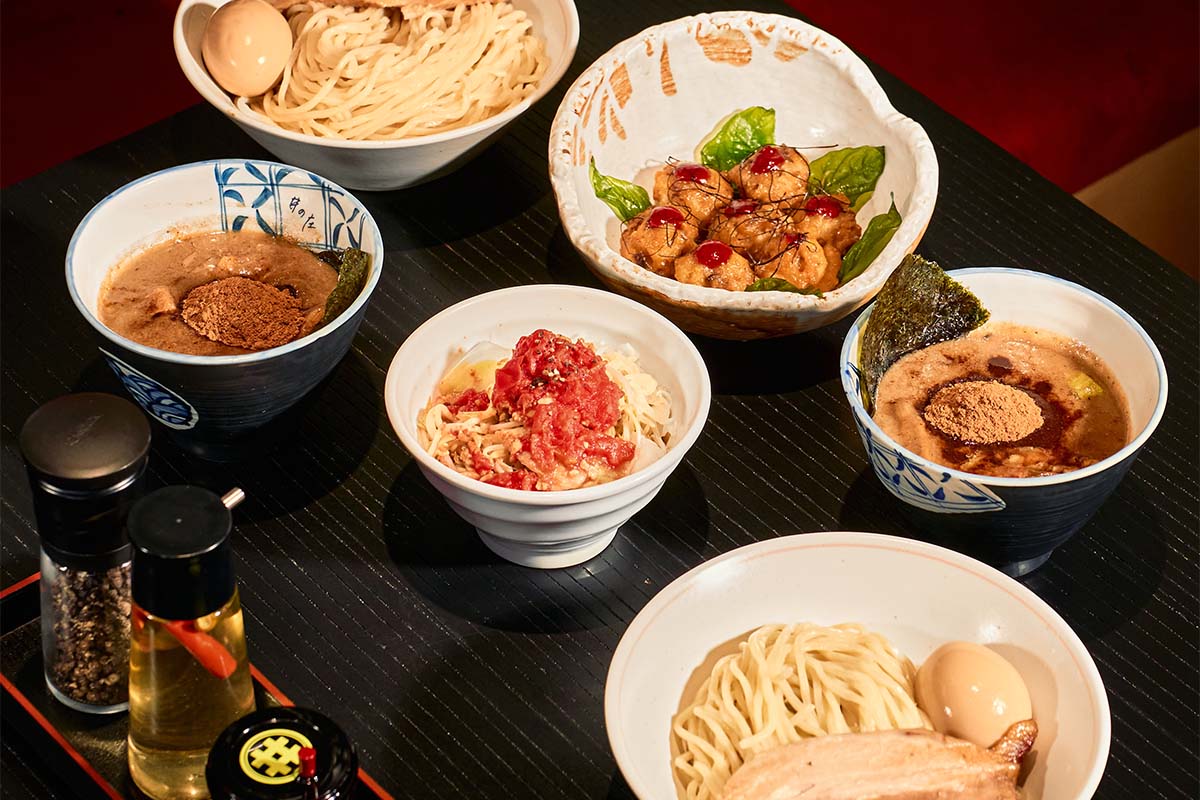
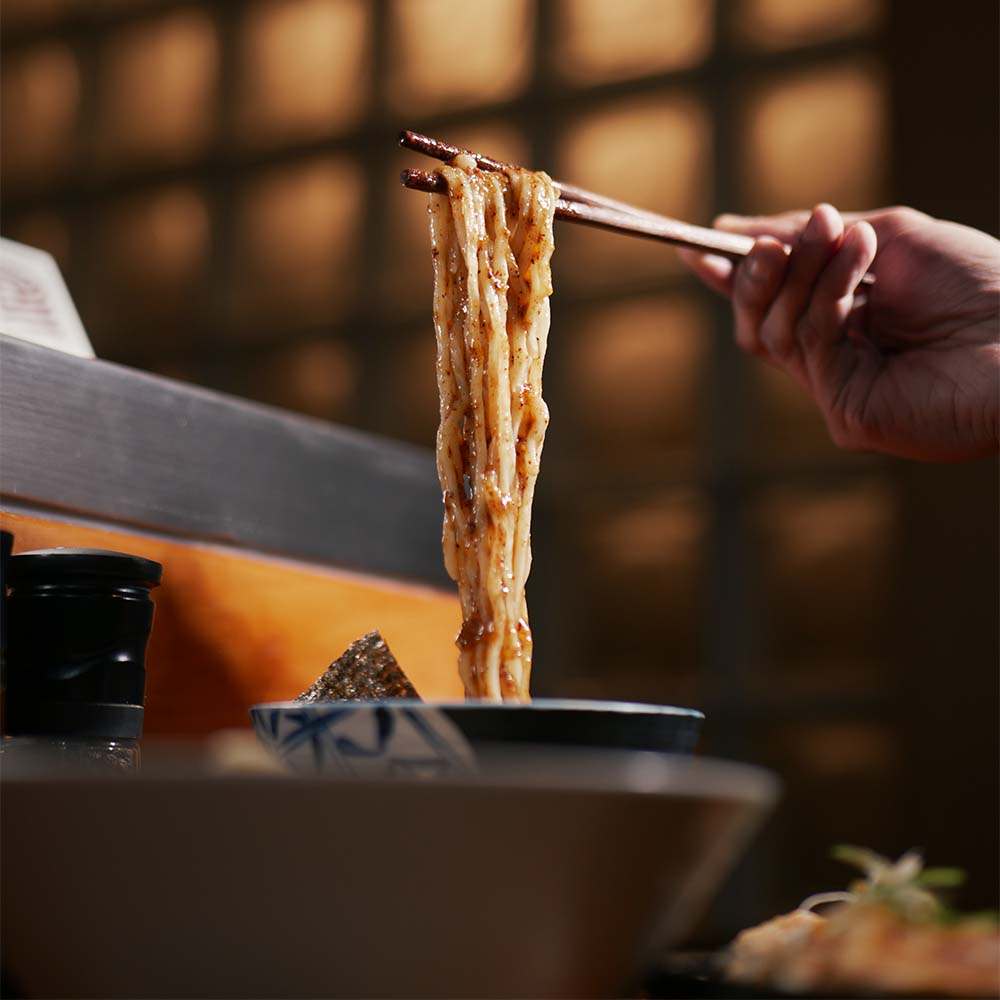
With conventional ramen, the noodles arrive immersed in a bowl of hot broth. Tsukemen separates the two. The noodles — usually considerably thicker than ramen noodles — are served in one bowl, often cool or at room temperature, while a smaller bowl contains a hot, highly concentrated dipping broth.
You pick up a portion of noodles, dip them into the broth and eat. The contrast is central to the experience: cool, firm and satisfyingly chewy noodles meet a warm sauce that clings to their surface. Because each bundle is dipped separately, you can control how much broth accompanies every bite.
This format also places the noodles in the spotlight. Served outside the soup, their texture, elasticity and wheat flavor become far more noticeable. Meanwhile, the dipping broth must work harder than an ordinary ramen soup. It needs enough concentration and character to coat the thick noodles without having its flavor diluted or lost.
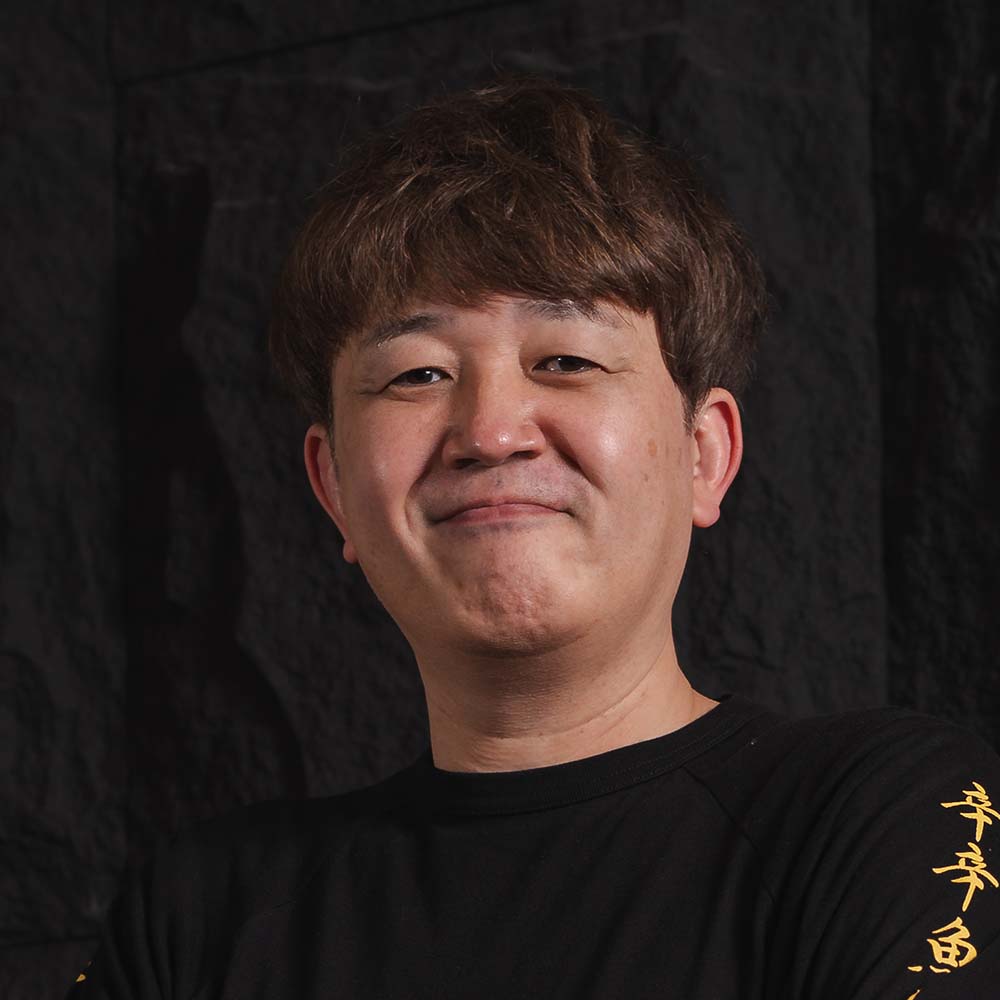
For Taisuke Nakamura, founder of INOSHO Ramen, his first encounter with tsukemen came in 1998, when he was 20 years old. He ate it at Higashi Ikebukuro Taishoken, the restaurant of Kazuo Yamagishi, who is revered in Japan as the “god of ramen” and is considered the inventor of tsukemen.
At the time, the dish was not yet common in Japan. Nakamura remembers “feeling a strange sensation; it was like ramen but also different, a unique experience.”
That difference involves far more than simply placing noodles and soup in separate bowls.
“Ramen is about enjoying the broth and noodles,” Nakamura explains. But merely separating those components does not automatically create tsukemen. To complement the cold noodles, the dipping broth needs sweetness, acidity and spiciness. Adding seasonings to a weak broth will only result in a sauce without sufficient depth.
“Therefore, to create a delicious dipping sauce, you need to make a broth that is stronger than ramen,” he says.
At INOSHO, that strength is constructed through a remarkable combination of ingredients and techniques. Bones from various parts of the pig are prepared using different cooking methods, according to the qualities of each part. Chicken bodies and legs are also simmered to extract their individual characteristics.
“There’s several times more pork bones in our soup than what people in the Philippines might expect from typical pork bone ramen,” Nakamura says.
The richness of the meat, however, is only one side of the equation. The broth also incorporates traditional Japanese ingredients, including niboshi, or dried small fish, and katsuobushi, the dried and smoked bonito that is fundamental to Japanese cooking.
“If either the pork or the Japanese ingredients are weak, it won’t work,” Nakamura explains. “It’s only when both are strong that we achieve the INOSHO dipping sauce.”
“I experimented with many different combinations of ingredients available in the Philippines and those imported from Japan, trying countless recipes until we finally arrived at a flavor we were happy with, which the people in the Philippines can enjoy.”
Taisuke Nakamura, Founder of INOSHO Ramen
It took Nakamura and his team 10 years in Japan to perfect this soup. That decade of development is apparent in the finished sauce. Its intensity does not come from one dominant ingredient, but from the expertise required to combine so many components in exactly the right quantities. Richness, savoriness, smokiness, sweetness, acidity and the flavors of pork, chicken and fish all have to work together. The result is not simply a strong broth; it is an exceptionally balanced and complex sauce.
Recreating it in the Philippines presented a new challenge. Nakamura first visited the country in 2023 and continued developing the local version until INOSHO opened in March 2025. He tested numerous combinations of ingredients available in the Philippines and others imported from Japan before arriving at a flavor he felt was right.
“I experimented with many different combinations of ingredients available in the Philippines and those imported from Japan, trying countless recipes until we finally arrived at a flavor we were happy with, which the people in the Philippines can enjoy,” he says.
INOSHO’s story began in Shakujii, Tokyo, in 2006. The company now has 10 branches in Japan. Around 2022, Nakamura began thinking about introducing his flavors to diners overseas. He consulted Ikuta, president of Ramen Nagi, who proposed a test run at Nagi in the Philippines.
Nakamura could already see that ramen had been enthusiastically accepted here. Tsukemen remained less familiar, but he believed Filipino diners who appreciated excellent Japanese ramen would understand its appeal. A test run in November 2023 confirmed his instincts.
“Many customers tasted it and said it was delicious, giving me great confidence to open in 2025,” he recalls.
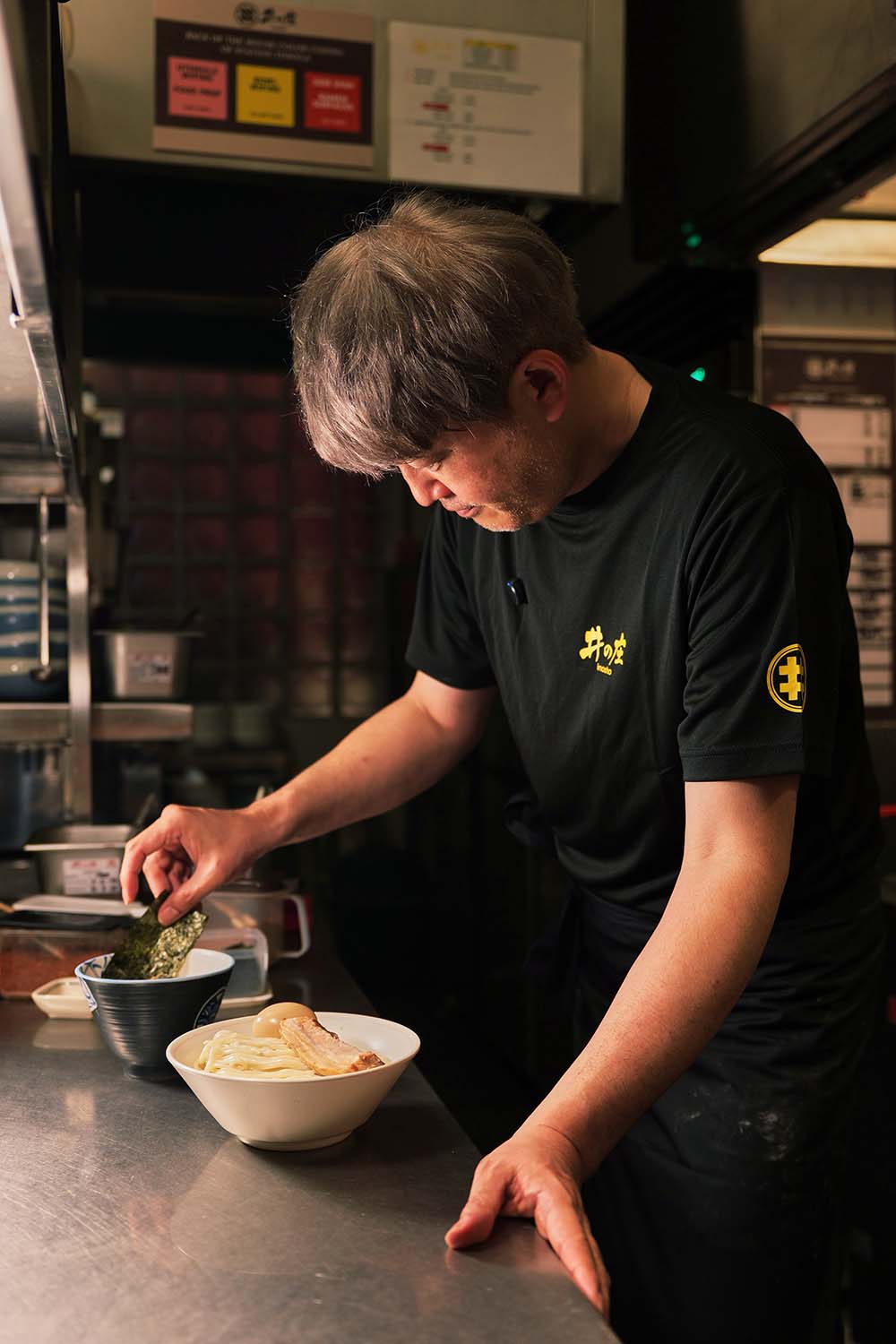
For those trying tsukemen for the first time, Nakamura recommends paying particular attention to the noodles.
“They are much thicker than what you usually find in ramen,” he says. “I want you to enjoy the sensation of having the flavors cling to these thick noodles.”
More adventurous diners should also try Karakara Uo, INOSHO’s spicy specialty and one of its most popular offerings in Japan. It delivers formidable heat without sacrificing the deep savoriness that defines the restaurant’s cooking.
“You’ll be amazed at how delicious something so spicy can be,” Nakamura promises.
The experience does not necessarily end when the noodles are gone. INOSHO also offers soup-wari: hot stock added to the remaining dipping sauce to dilute its intensity and transform it into a lighter, soupier broth that can be enjoyed on its own.
It is an excellent conclusion to the meal, and I sometimes take advantage of it. But my personal preference remains the thick, rich dipping sauce in its original form. After all, this is the broth that took 10 years to perfect—the product of extraordinary expertise, countless trials and the precise balancing of numerous ingredients. I want to savor it at full strength.
My own love for tsukemen began with a closed door and a leap of faith. What waited on the other side was not merely a variation on ramen, but an entirely different way of appreciating noodles and broth: a dish of contrasts, concentration and tremendous depth.
Years later and thousands of kilometers from Gotanda, the flavor I had been searching for finally arrived next door.