
How ALINDECO has spent fifty years supplying the materials that quietly run through Japanese daily life
There is a fiber at the center of the Japanese yen banknote that most people will never think about. It comes from a plant grown in the Philippines — abaca, a relative of the banana, cultivated in the volcanic soils of Albay and Davao for over a century. It is stronger than most synthetic alternatives, biodegradable, and renewable. It is also, to those who know the supply chain, indispensable.
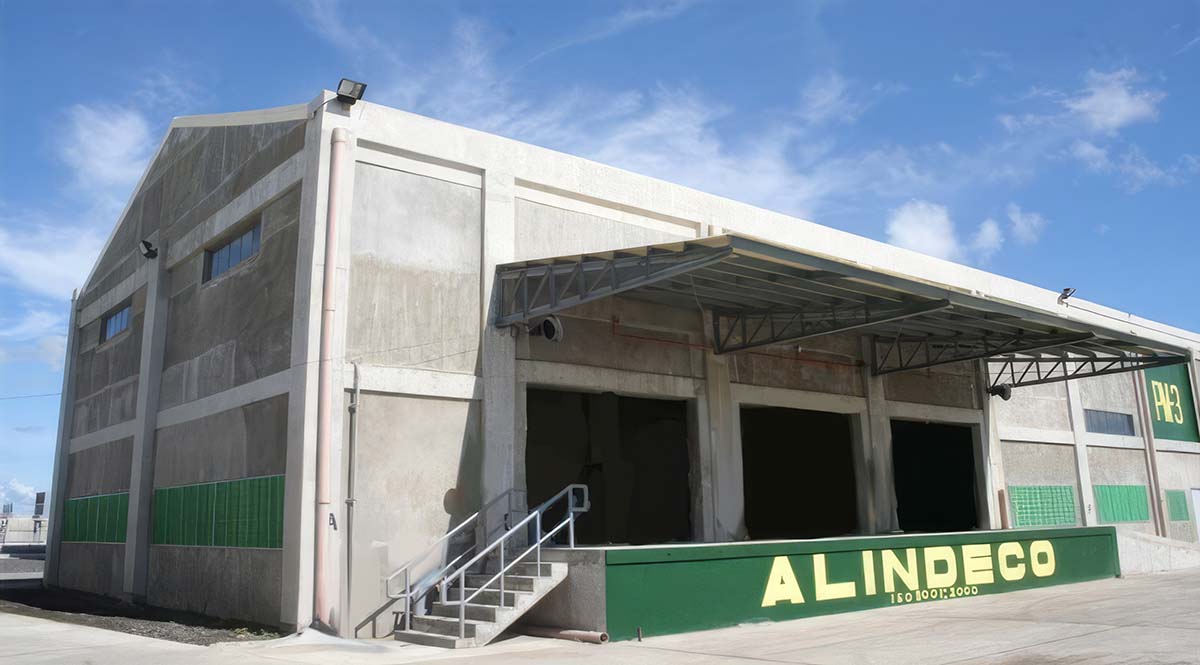
ALINDECO — the Albay Agro-Industrial Development Corporation — has been at the center of that supply chain since 1974. Founded in Malinao, Albay, in the heart of the Bicol region’s abaca country, the company has spent more than fifty years producing and exporting abaca pulp to Japan and global markets, building relationships with Japanese manufacturers that now span generations.
“It started in 1974. What started as a commercial relationship turned into a long-term partnership built on trust. Over the years, we worked closely with Japanese customers to understand their technical requirements, continuously refining our production processes and quality control systems to ensure that every shipment met their expectations. That commitment to consistency became the foundation of relationships that have endured over the years,” the company says.
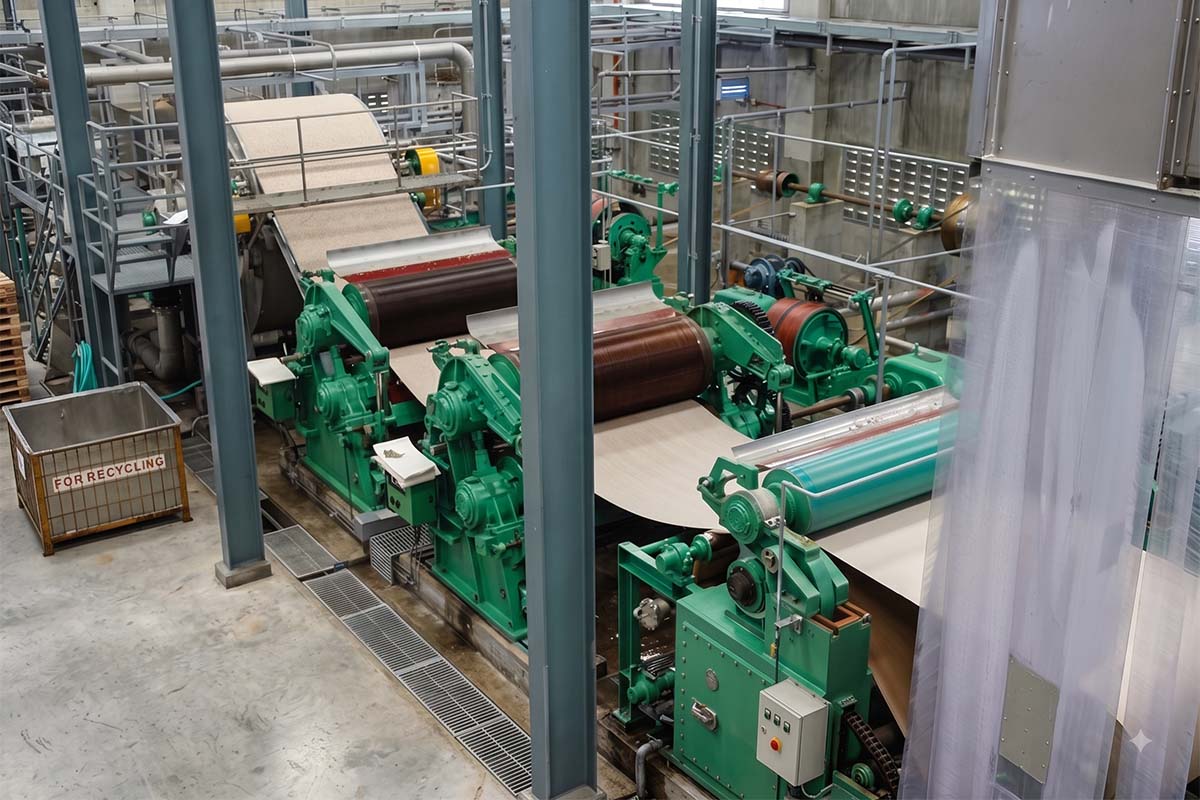
Japan has been ALINDECO’s primary market from the beginning — and the applications for Philippine abaca in Japan have grown more varied with each decade. Banknote paper is the most recognized use, but the full picture is considerably broader: filtration products, tea bags, coffee filters, food casings, and electrolytic capacitor paper used in electronic components. The fiber’s unique combination of tensile strength, cleanliness, and biodegradability gives it advantages that Japanese manufacturers have come to rely on.
“While most consumers will never realize that Philippine abaca pulp is present in the banknotes they carry, the tea bags they steep, the coffee filters they use, or the food casings that help preserve the products they eat — that quiet presence is exactly what makes the work meaningful. Being a part of daily Japanese life means that we are a bridge between Philippine agriculture and Japanese innovation,” the company says.
“Many of our relationships have lasted for years because they are grounded in reliability — our customers know they can depend on ALINDECO to deliver products that meet rigorous specifications, while we value the trust they have placed in us over time.”
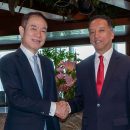
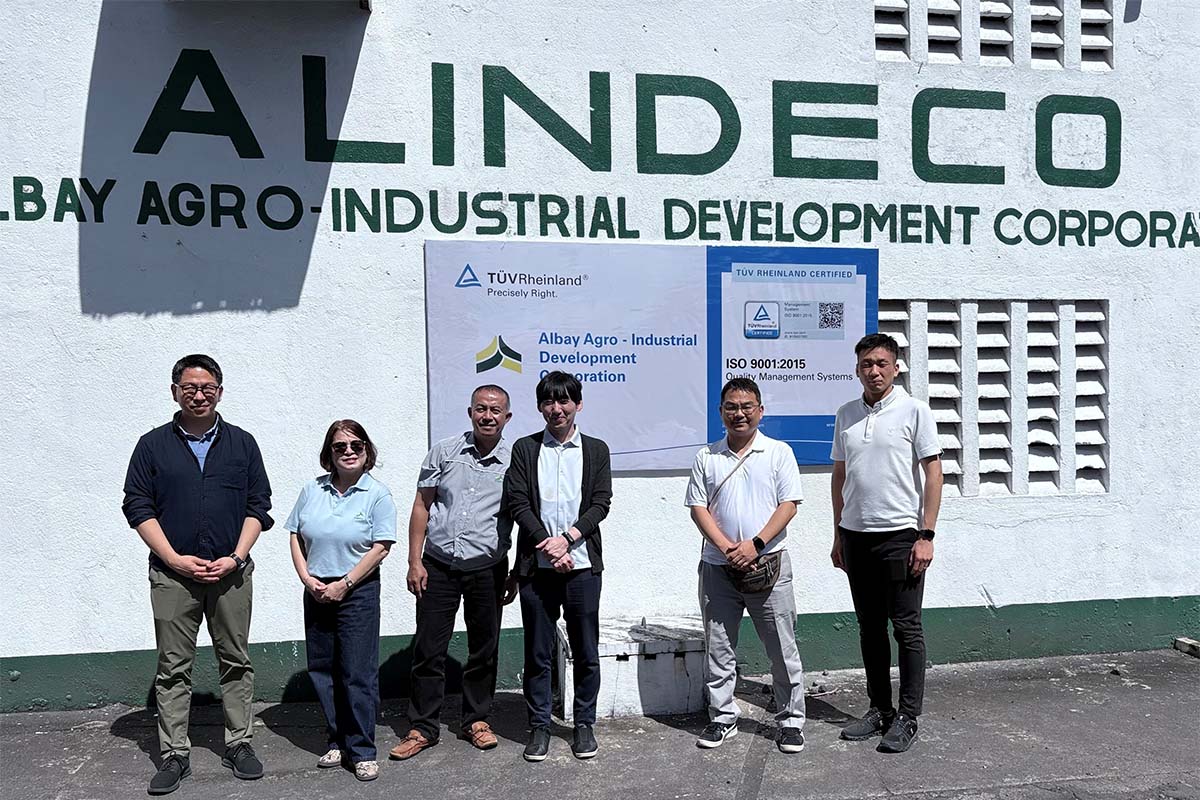
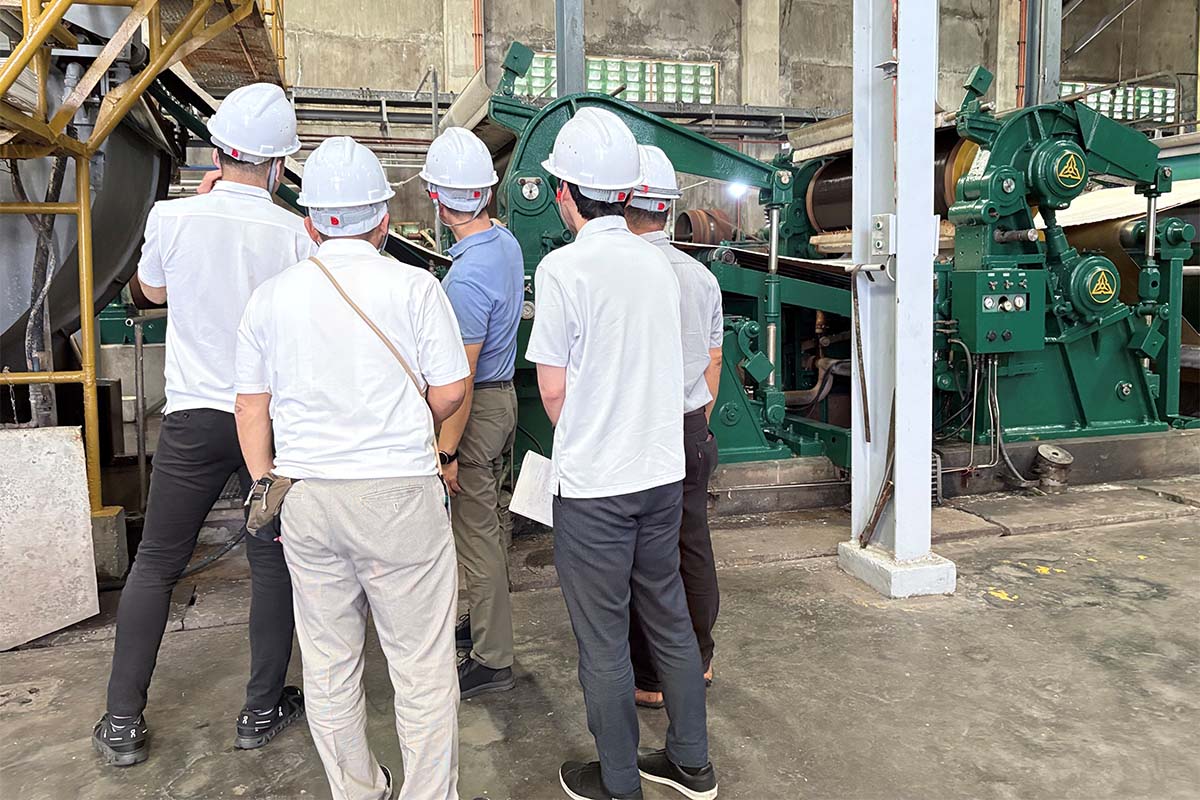
In January 2026, representatives from Japan’s National Printing Bureau visited ALINDECO’s facility in Malinao — a visit that speaks to the depth and durability of the relationship. For an institution as exacting as the National Printing Bureau, trust in a supplier is not easily extended. That ALINDECO has maintained that trust for decades is a measure of the consistency it has built into every step of its production process, from the farming communities that supply the raw fiber to the quality control systems that govern every export shipment.
The sustainability dimension of abaca has taken on new significance in recent years. As Japanese manufacturers face increasing pressure to source materials that meet long-term environmental goals, abaca’s profile has risen. It requires no virgin forest clearance, produces biodegradable end products, and supports farming communities across the Philippine countryside. “For our Japanese partners, sustainability goes hand in hand with reliability. They are looking for materials that not only meet technical standards but also support long-term environmental goals. Abaca fiber offers a unique combination of durability, purity, and renewable sourcing — making it an ideal alternative to wood pulp and many synthetic fibers in specialized applications,” the company says.
“Today, our partnership with Japan extends well beyond buyer and supplier. It is built on decades of mutual confidence, open communication, and a shared commitment to excellence. Many of our relationships have lasted for years because they are grounded in reliability — our customers know they can depend on ALINDECO to deliver products that meet rigorous specifications, while we value the trust they have placed in us over time,” the company says.
The broader story of abaca — one that began in the plantations of Davao over a century ago — runs through ALINDECO’s work in a way the company recognizes and honors. “At ALINDECO, we view ourselves as part of that continuing story. Every shipment of abaca pulp reflects not only the skill and dedication of Filipino communities but also a relationship of trust that has been built with Japanese partners over generations. What began as an agricultural and commercial partnership has evolved into a model of how natural resources, technical expertise, and long-term relationships can support sustainable industrial development,” the company says.
For the people who work in the abaca industry today — from abaca farmers in Luzon, Visayas, and Mindanao, and fiber processors to exporters and manufacturers — the Japan-Philippines connection is no longer just historical. It is something they see in their daily work. “Japanese customers have long been among the world’s most discerning users of abaca, consistently setting high standards for quality, consistency, and reliability. Meeting those expectations has helped elevate the capabilities of the Philippine abaca industry,” the company says.
The fiber is still growing. The relationship is still holding.