
Macau is increasingly defined by what visitors can do across a full itinerary. For Paul Tse, President of the Supervisory Board of The Macau Association of Building Contractors and Developers, the city’s direction is clear: Macau is strengthening its appeal with year-round entertainment, destination dining and standout attractions that encourage longer stays and repeat trips.
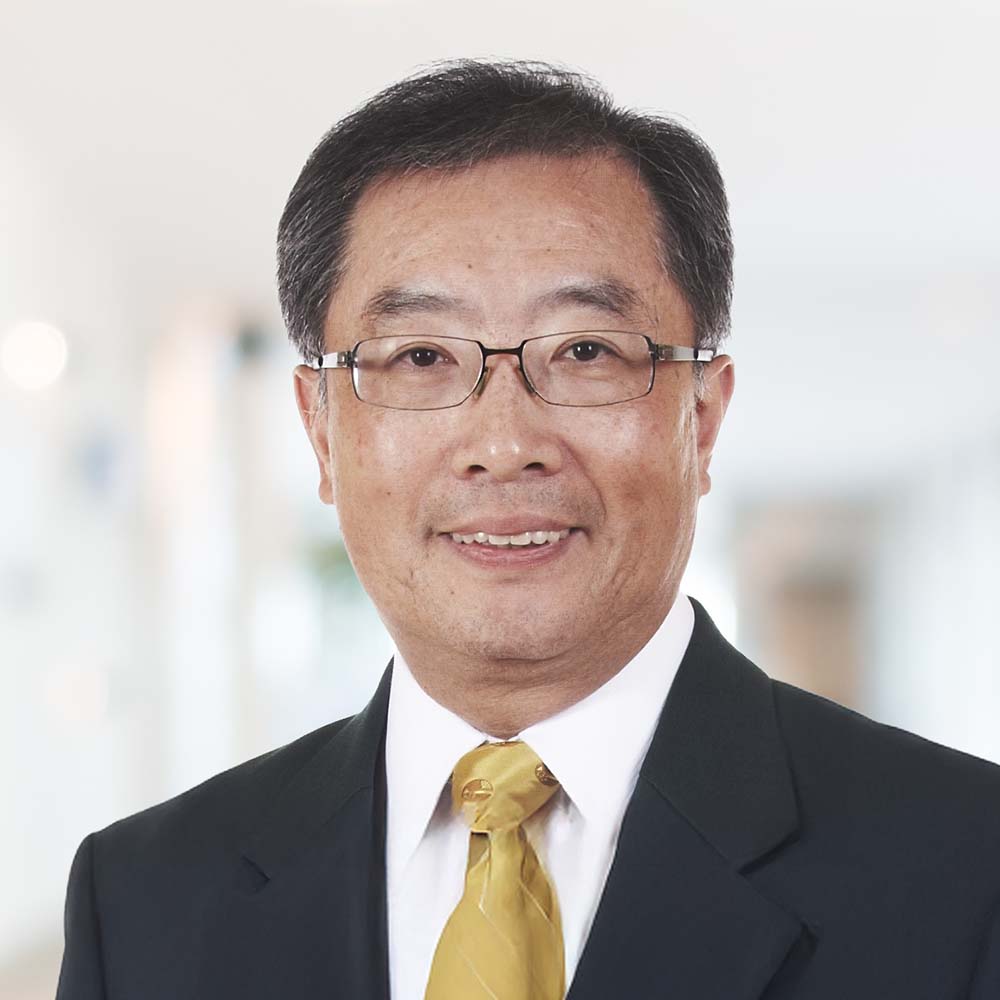
“What Macau is trying to do is diversify from gaming into tourism as well as entertainment,” Tse said.
Based in Macau since 1979, Tse has worked across property development and hotel investment worldwide. He said his companies have developed roughly 10 million square feet across residential, office, commercial and industrial sectors in Macau. From that vantage point, he sees Macau’s progress as increasingly prominent in the destination’s tourism mix and strategy.
A year-round calendar built on entertainment
Macau’s calendar of concerts, exhibitions and large-scale shows has become a defining part of its destination proposition. Tse points to a steady flow of programming that gives visitors reasons to plan trips around specific dates and headline events.
Among the attractions he highlighted is Melco’s “House of Dancing Water,” which he described as a signature production that draws audiences from around the globe for the performance itself. “It’s no longer just gaming, it’s to watch the House of Dancing Water,” he said. For Tse, that shift signals a stronger mix of family-friendly programming that complements gaming and broadens Macau’s appeal across age groups.
He also cited the return of major sports programming, including NBA events hosted by Sands, as part of a wider pipeline of live experiences that keep Macau current in the cultural and entertainment arena.
Beyond the main stage, Tse notes that resorts are building fuller day-to-night itineraries, from attractions and water parks to shopping promenades and art installations. The effect is a more rounded city break where a visitor can arrive for one highlight, then stay for multiple experiences without leaving the district at all.
Dining and neighborhoods in one compact city
Food is one of Macau’s strongest attractions for visitors, and a key reason to return. Tse points to Macau’s reputation for leading restaurants while emphasizing that the experience is defined by range, from acclaimed dining rooms to local favorites.
“What Macau is trying to do is diversify from gaming into tourism as well as entertainment.”
Paul Tse, President of the Supervisory Board of The Macau Association of Building Contractors and Developers

“Macau features not only Michelin style restaurants, but also street food, local food,” he said.
That breadth and depth makes it easy to build an itinerary that feels layered. Visitors can book a table in an integrated resort, sample classic flavors in older districts, then finish the night with late dining just steps from their hotel. Macau’s compact footprint makes it practical to mix shows, dining and neighborhood exploration in a single weekend.
Quality design and regional connections
Macau’s skyline is part of its brand. Tse described the design ambition behind landmark projects that shaped the city’s modern image. “We have seen some very spectacular buildings being put up,” he said. Those landmarks help create a destination environment where hotels, retail, dining and entertainment sit close together.
Looking ahead, Tse sees continued upgrades and quality construction as part of maintaining momentum. “We have about 7,000 buildings, half of those are already 40 years old,” he said. “We should upgrade our buildings. We should be building buildings of high quality to make sure that they have a longer physical as well as economic life.”
He also sees Macau as a natural bridge for deeper regional ties, including with Japan. “People in Macau as well as Hong Kong love to go to Japan,” he said, citing “the food, the entertainment, the people, the scenery.” He believes that shared appreciation can translate into collaboration across hospitality, entertainment, travel and construction.