
As the global mobility landscape undergoes its most significant transformation in decades, one thing has become increasingly clear: software is no longer an optional add-on, it is the backbone of modern vehicles. Whether on two wheels or four, today’s consumers expect seamless digital experiences that connect their rides, routes and data with the world around them. For manufacturers, especially in the fast-moving e-mobility sector, this shift poses both a challenge and an enormous opportunity.

Few European companies have been as early and as persistent in pursuing this mission as GPS Tuner, a Budapest-based software company that has spent more than 20 years building navigation, connectivity and range-prediction tools that power the next generation of mobility.
“From the beginning, we focused on what comes after hardware,” said Gabor Tarnok, founder and CEO of GPS Tuner. “Mapping, battery intelligence and real-time data are where the user experience truly happens. Our goal has always been to make that experience intuitive, smart and universally accessible.”
Today, GPS Tuner stands at the intersection of Asia’s world-leading e-bike industry and Europe’s rapidly expanding mobility markets, helping brands bridge technological gaps, meet regulatory demands and accelerate time to market.
Two Decades of Evolution: From Outdoor Navigation to Electrified Mobility
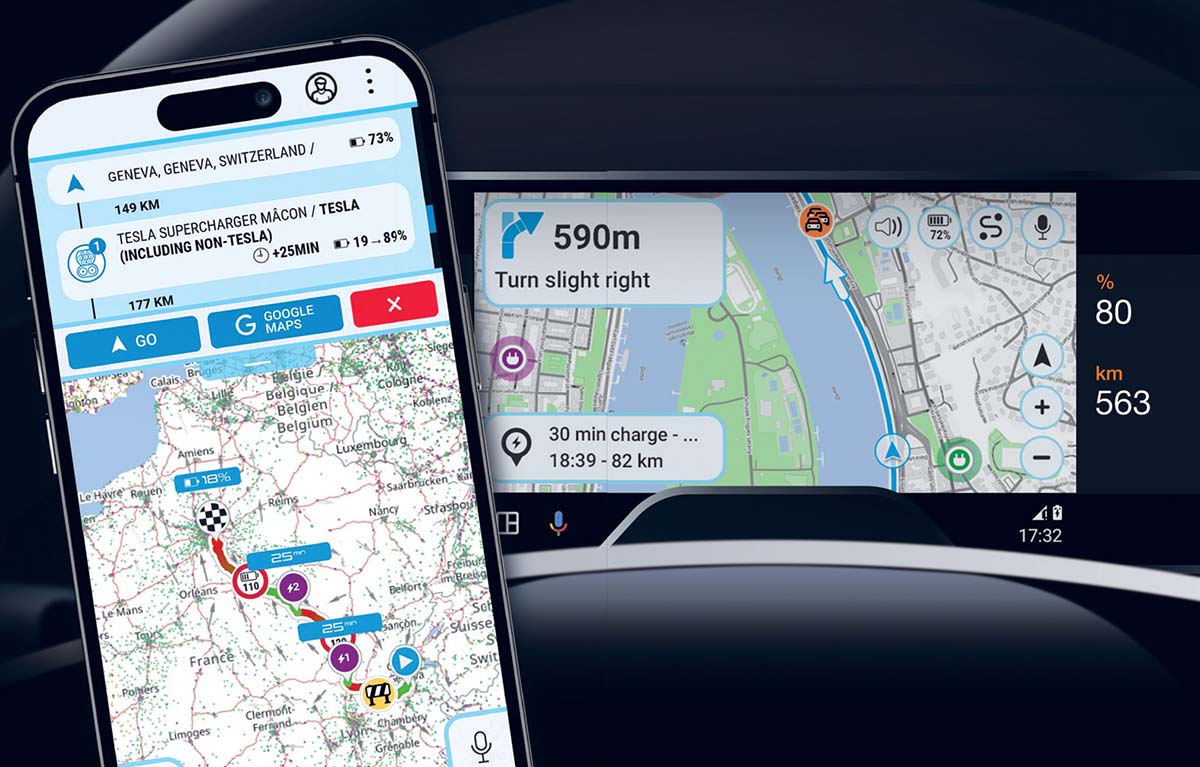
Founded in 2003, GPS Tuner began as a developer of mobile navigation applications for cyclists, hikers and drivers. As consumer habits evolved and smartphones became ubiquitous, the company steadily refined its focus around bicycle route planning, precision navigation and map-based user experiences.
The real breakthrough came with the accelerating rise of electric bicycles and scooters, a category that has reshaped urban mobility. “The moment e-bikes took off, route planning was no longer just about distance,” Tarnok explained. “It became about energy.”
The company invested heavily in developing algorithms that calculate electric range in a way that users can easily understand, visualizing the impact of terrain, elevation, temperature, assistance level and battery condition. This work soon proved invaluable. In countries like Germany, more electric bicycles are now sold annually than traditional ones; meanwhile, electric cars and micro-vehicles are growing at comparable rates worldwide.
“At the same time, many new vehicle concepts were emerging solutions somewhere between a bicycle and a car,” Tarnok said. “These innovations require a software layer that knows how to handle things like hybrid drive systems, variable battery configurations and predictive routing.”
GPS Tuner was already positioned for this moment.
Digitization Becomes an Industry Standard
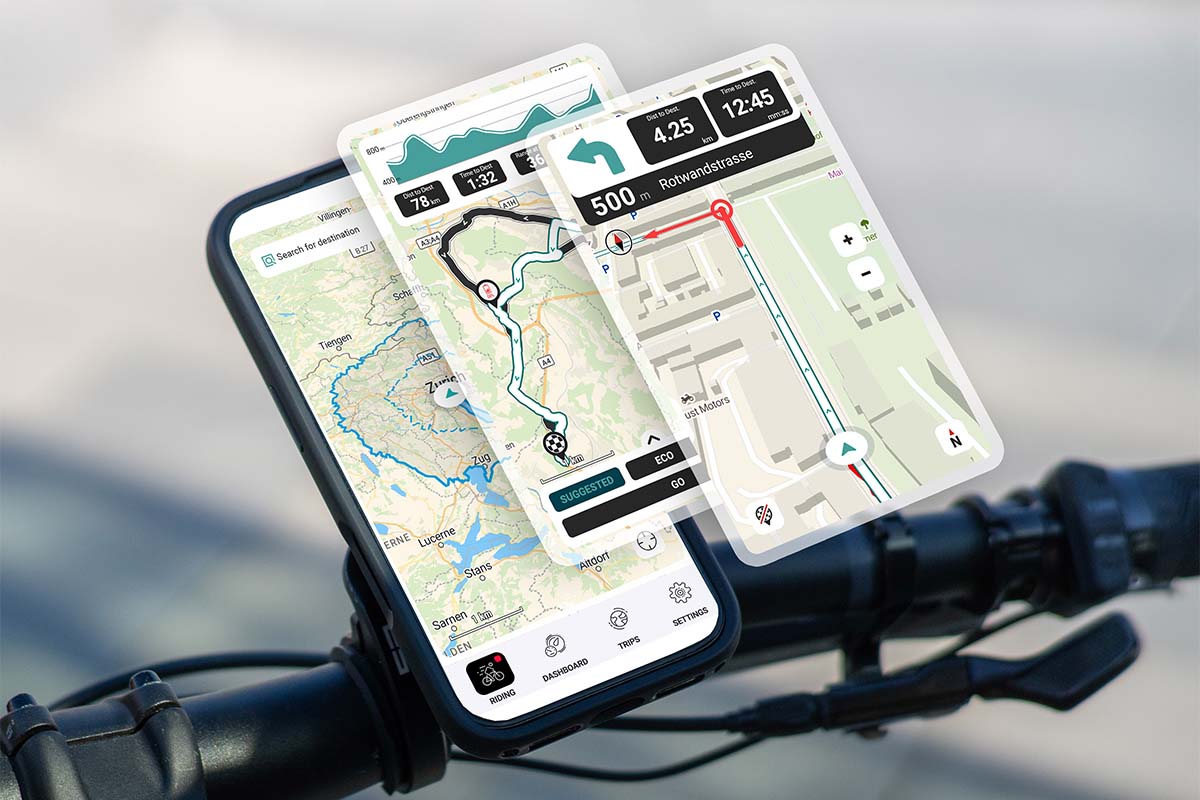
What was once optional—an app that pairs with a bicycle—has become an industry expectation. Modern e-bikes are equipped with Bluetooth or cloud-connected modules capable of sending data in real time. This stream of information, when properly interpreted, provides manufacturers with unprecedented insight into how their products are used.
“Data becomes a feedback loop,” said Tarnok. “If brands understand climbing patterns, assistance usage, ride duration or battery behavior, they can design better drive units and smarter next-generation models.”
The company’s platform processes live vehicle data, combines it with machine-learned historical behavior and produces tailored user experience: range predictions, personalized routing, advanced navigation and even health-related ride notifications.
However, building such applications is far from straightforward.
The Fragmented Challenge: No Standards, Dozens of Protocols
Unlike the automotive world, e-bike drive systems lack standardized communication protocols. Each motor manufacturer uses its own closed interface, profile and commands. This fragmentation has made it nearly impossible for external developers to produce a single app compatible with multiple drive systems.
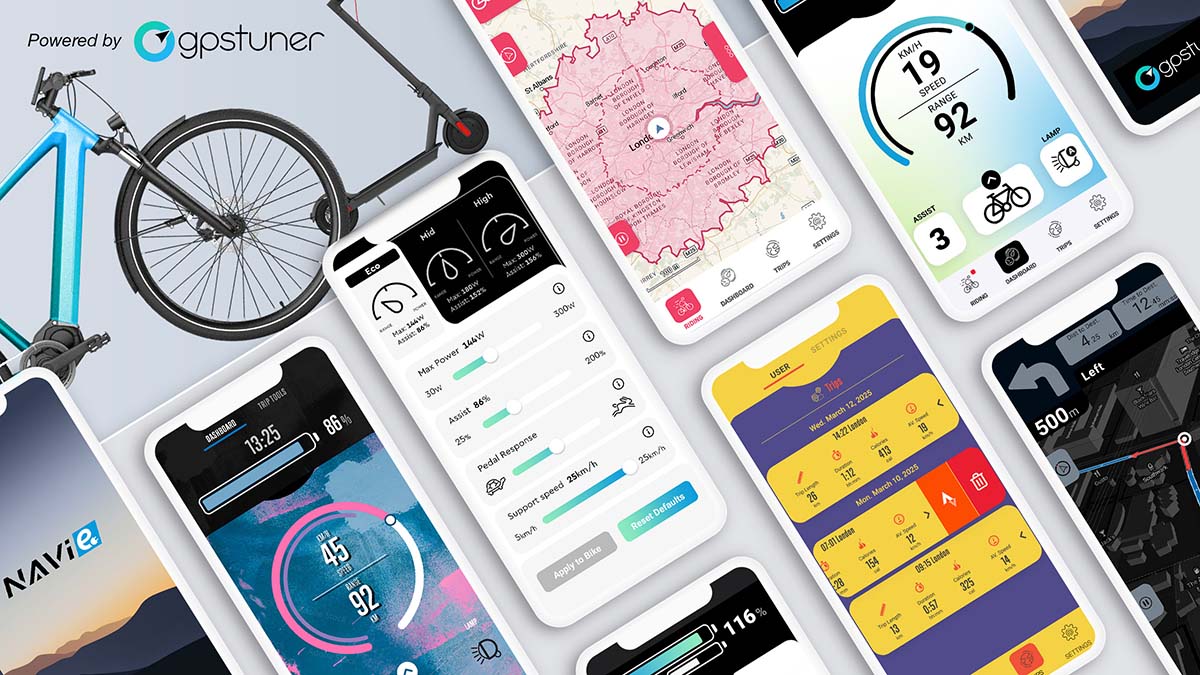
GPS Tuner spent 12 years navigating this complexity, integrating with a wide variety of proprietary drive systems, building deep technical relationships with OEMs and developing a flexible architecture capable of adapting to new protocols quickly.
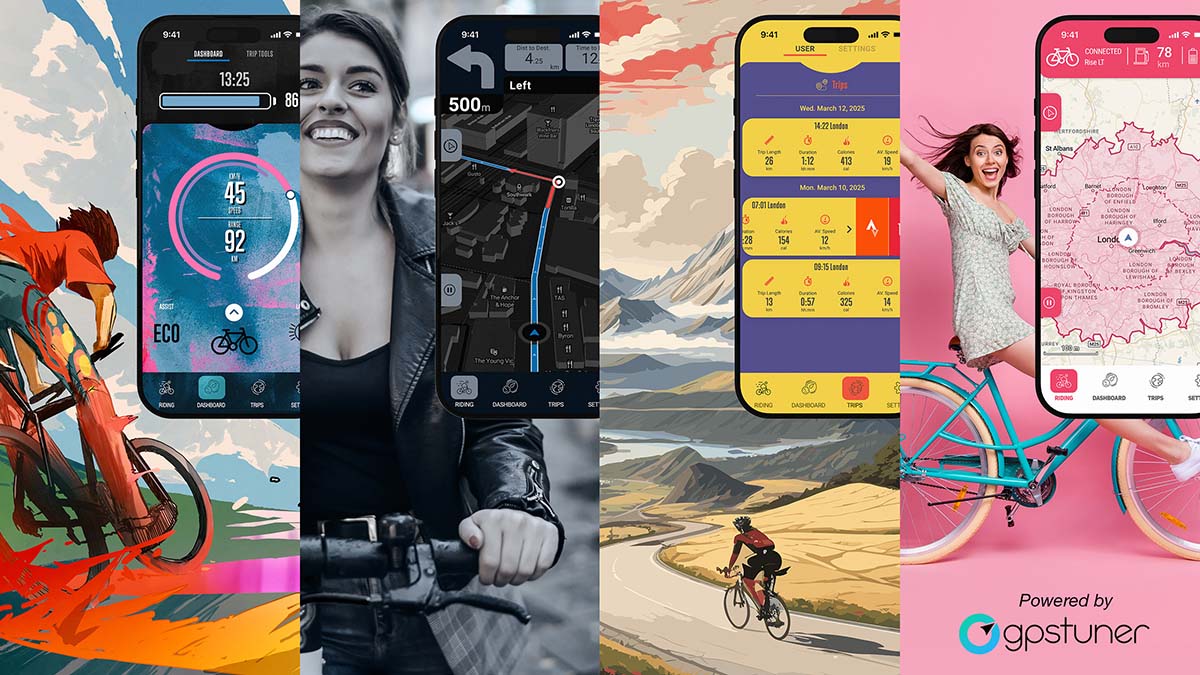
Today, many of the world’s major e-bike motor suppliers rely on the company’s technology. GPS Tuner provides custom-branded applications that customers can download free of charge with their bicycles. These apps display real-time vehicle data (battery level, motor assistance, speed) while enabling advanced configuration, firmware updates and precision route planning.
“Our goal is always the same,” said Tarnok. “Make the digital layer feel like a natural extension of the bicycle.”
A Trusted Partner for Asian Manufacturers Entering Europe and the U.S.
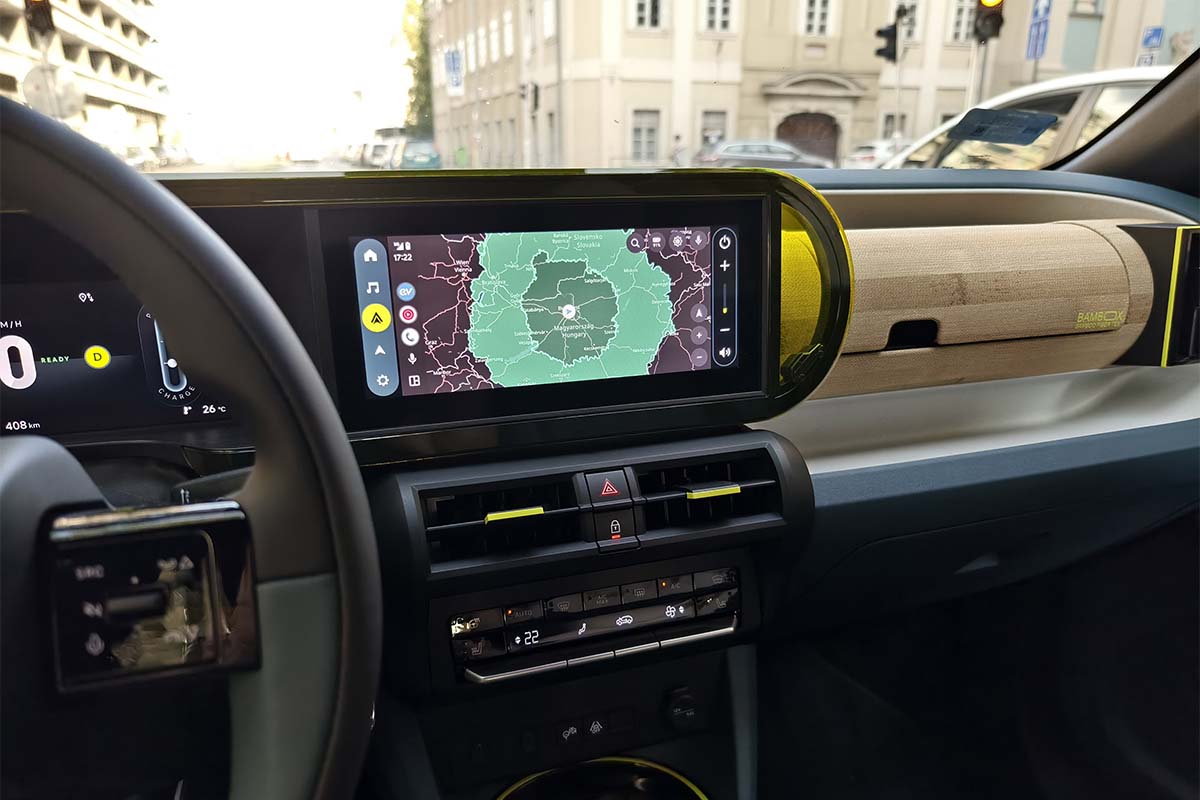
Beyond e-bikes, GPS Tuner increasingly supports Asian companies seeking to adapt their software, cloud services and data flows for use in Europe and the United States. These markets have strict requirements from data privacy laws to mapping standards, backend server regulations and user-interface expectations.
The shift to electric mobility is not just a hardware revolution. It’s a software revolution. And we’re here to help companies make that leap.
Gabor Tarnok, Chief Executive Officer and founder of GPS Tuner

“Japanese and Taiwanese manufacturers, in particular, place great emphasis on quality and reliability,” Tarnok said. “We help ensure their digital services meet Western regulatory, security and usability standards.”
The company already works closely with Japanese leaders such as Shimano, Yamaha and Panasonic, integrating their drive systems into its software platform. With demand growing, GPS Tuner plans to scale these cross-regional services in the years ahead.
Digitizing Mobility – In Just Four Weeks
One recurring theme in GPS Tuner’s partnerships is speed. Hardware-focused manufacturers often struggle with the pace of software development, yet consumer expectations evolve rapidly. To address this, the company established a streamlined program allowing brands to launch a fully customized companion app and backend in as little as four weeks.
This fast-track approach includes branding, drive-system integration, cloud configuration, testing and regulatory alignment, providing manufacturers with a turnkey digital ecosystem without the need for large internal software teams.
“Time to market matters,” Tarnok emphasized. “If a brand wants to compete in Europe today, a connected digital experience is no longer optional. It is part of the product.”
Looking Ahead
As e-mobility becomes the default mode of urban travel, digital intelligence will increasingly determine a vehicle’s value, competitiveness and long-term success. GPS Tuner believes its role is to guide manufacturers through this transition, making their products smarter, safer and more enjoyable.
“The shift to electric mobility is not just a hardware revolution,” Tarnok said. “It’s a software revolution. And we’re here to help companies make that leap.”