
Inside No Name Noodle, Bangkok, the Michelin Bib Gourmand ramen bar serving just 35 bowls a day
In a city known for abundance, No Name Noodle thrives on restraint. Tucked away in Bangkok and awarded a Michelin Bib Gourmand, the ramen bar serves just 35 bowls a day, lunch only – no exceptions. Those fortunate enough to secure a seat are rewarded with something rare: ramen approached not as fast comfort, but as craft.
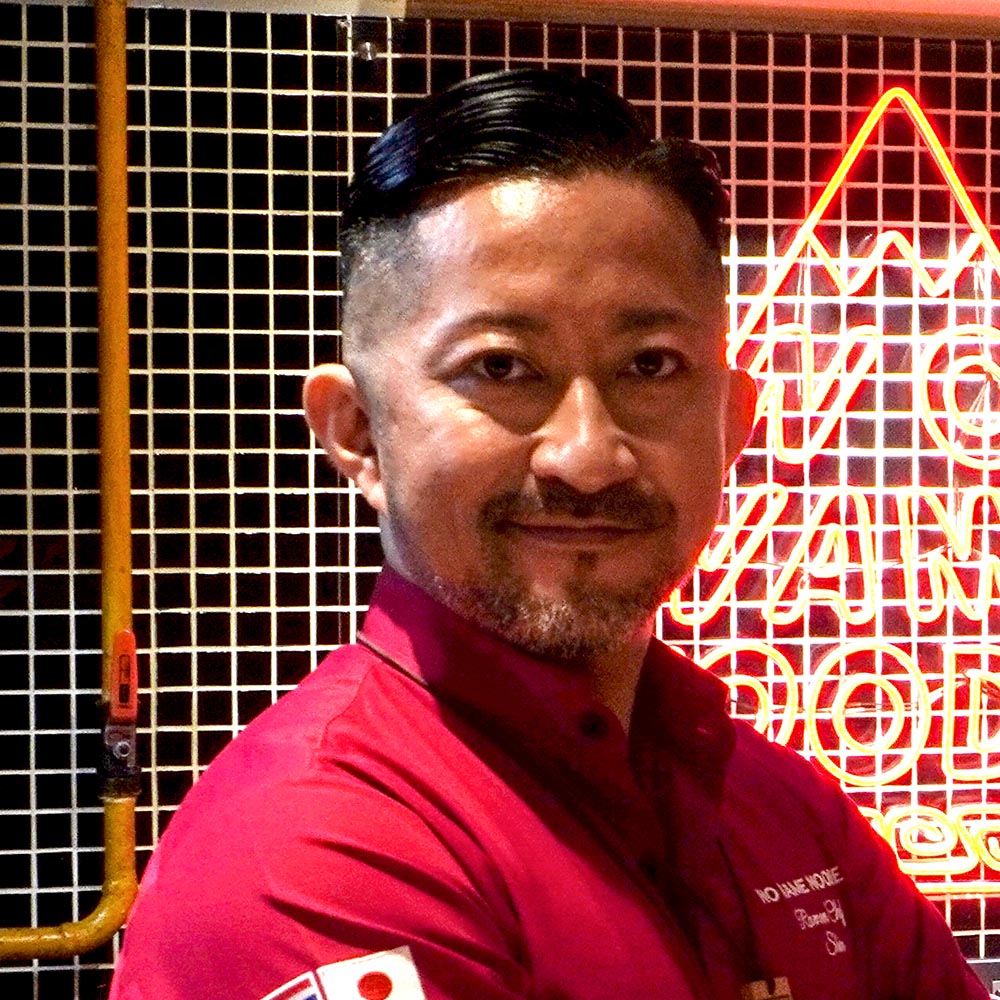
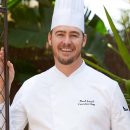
Behind the counter is Chef Shinji Inoue, a master of his craft whose philosophy was shaped early. Raised around his mother’s yatai stall in Fukuoka, he learned that great ramen is not about repetition, but attention. At No Name Noodle, that belief is translated into bowls built with precision, patience, and purpose, using premium Japanese ingredients, handmade noodles, and a deeply personal approach to hospitality.
Signature dishes include Shio Soba and Shoyu Tsuke Soba, each composed of more than 30 ingredients, while seasonal noodle and rice bowls feature a fermented blend of three types of shoyu, delivering layered, lingering umami. It is ramen for those willing to slow down, and trust the chef.
I spoke with Chef Shinji Inoue as he meticulously prepared a special bowl of ramen for me.
You grew up around your mother’s yatai in Fukuoka. How did that shape you as a chef?
I was very young, around six years old, watching my mother cook ramen for customers. What stayed with me was that she never made the same bowl twice. She looked at each customer and adjusted the taste to suit them. She remembered their preferences.
She taught me that being a ramen chef is not just about making ramen. It’s about making people smile and feel happy. That idea has stayed with me throughout my career.
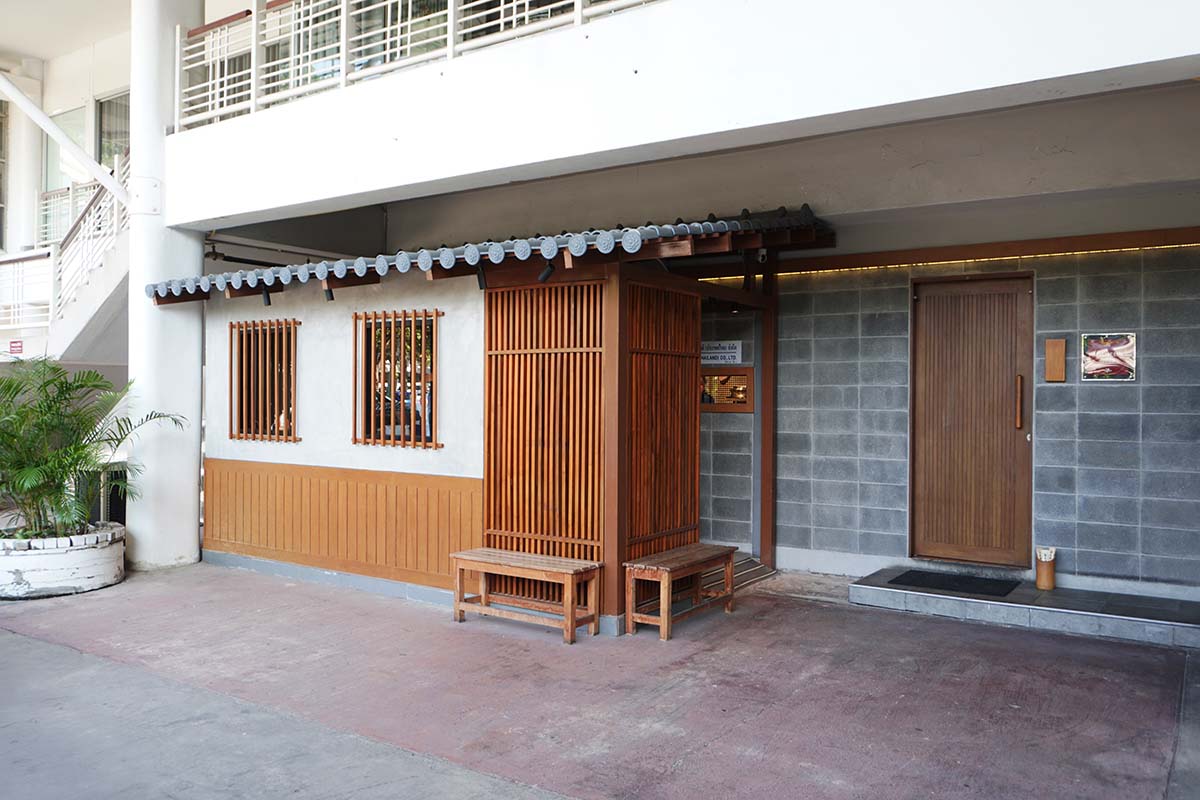
What led you to open No Name Noodle in Bangkok?
Thailand has a strong food culture, with many people who truly care about what they eat. Bangkok’s food community is curious and open-minded, especially when it comes to craft food.
Thailand has a strong food culture, with many people who truly care about what they eat. Bangkok’s food community is curious and open-minded, especially when it comes to craft food.
I also wanted people beyond Japan to experience my ramen. Opening outside Japan allowed me to share my philosophy with a wider audience.
How would you describe the Japanese food scene in Thailand today?
There are two main approaches. One is casual and accessible, easy to understand, affordable, and fun. The other is deeply craft-driven, where technique, ingredients, and precision matter above all else.
No Name Noodle belongs to the second category. We focus on craft ramen, made with intention.
You only serve 35 bowls a day. Why that number?
Quality and consistency. To make ramen at the level I want, I need complete control over every detail. Thirty-five bowls is the ideal number to maintain that standard.
It also allows us to operate with almost zero waste. As chefs, we respect ingredients. Limiting the number of bowls helps us use everything thoughtfully.
Tell us about the menu.
We serve two core ramen dishes, Shio Soba and Shoyu Tsuke Soba, along with a seasonal offering. Each bowl uses more than 30 ingredients.
The seasonal noodles and rice bowls are built around a fermented blend of three types of shoyu, creating deep umami and complexity. Only the chicken used for the broth comes from Thailand; everything else is sourced from Japan.
You also make your own noodles daily.
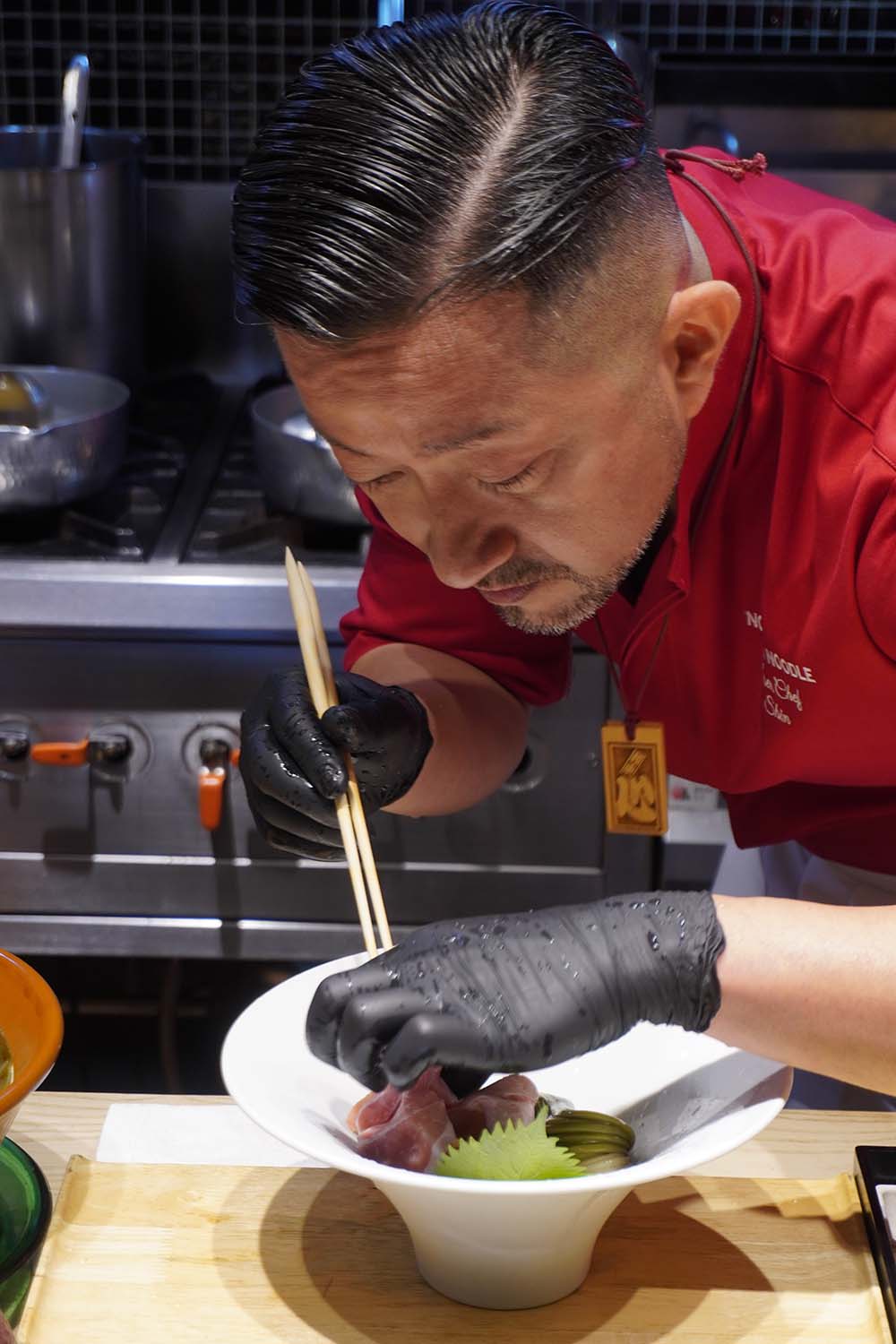
Yes. I make the noodles every morning, starting around 5 a.m. They are only used on the day they are made. Freshness is essential.
You’ve spoken about wanting to teach ramen, not just serve it.
One of my dreams is to open a ramen school in Bangkok. I want to teach Thai chefs, and others, how to make good ramen and understand its culture.
For me, it’s about passing on my mother’s spirit: respect for customers, respect for ingredients, and cooking with heart.
Finally, if a Japanese friend visits Bangkok, where would you take them to eat?
Street food. Thailand’s street food shows the true diversity of flavors. It’s the best way to understand the country.
Enjoying the Noodles
The ramen Chef Shin prepared that day was his limited autumn ramen, a fleeting expression of seasonality and restraint. Chestnuts and persimmons – ingredients rarely seen in ramen, were introduced with care, never overpowering, always in balance.
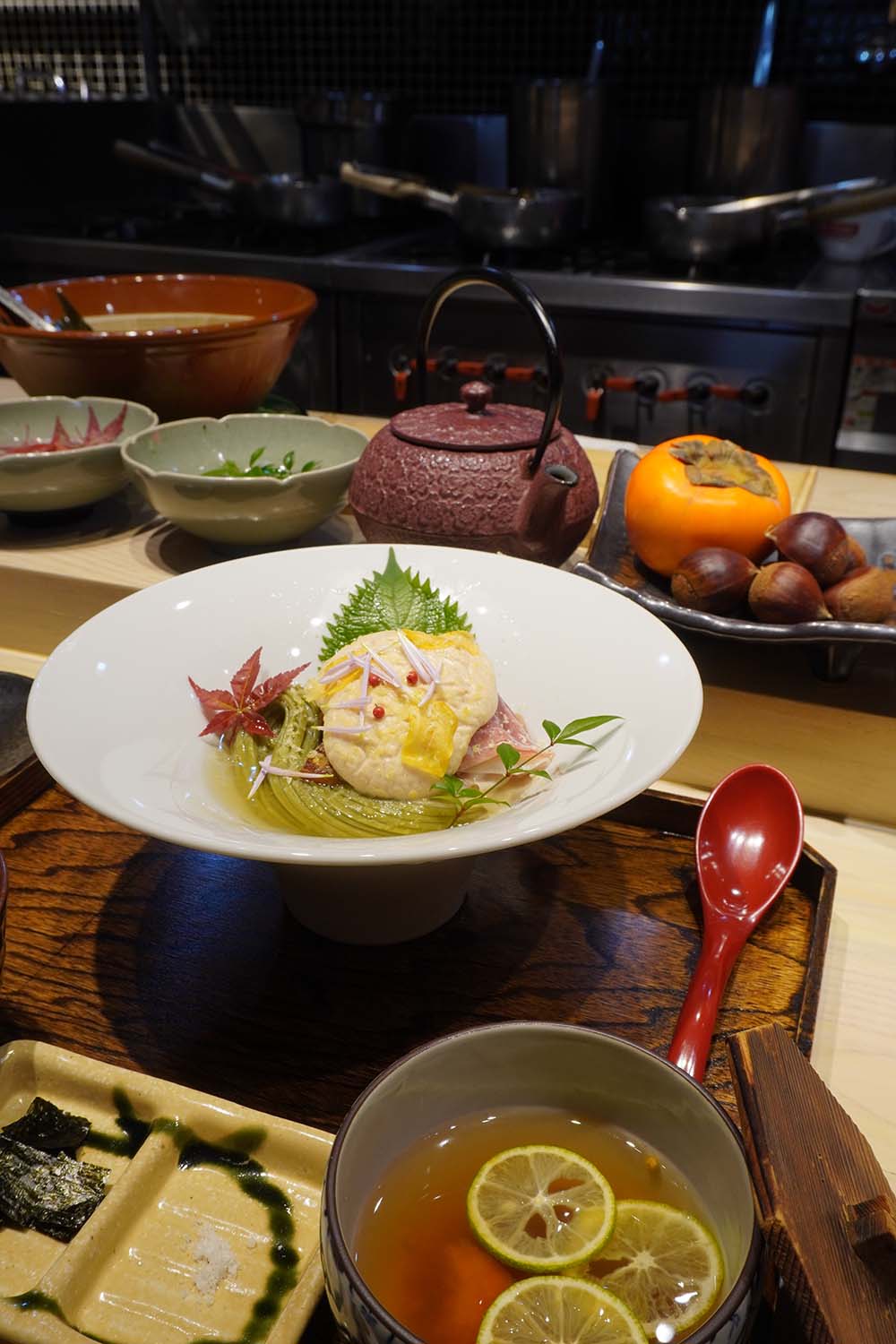
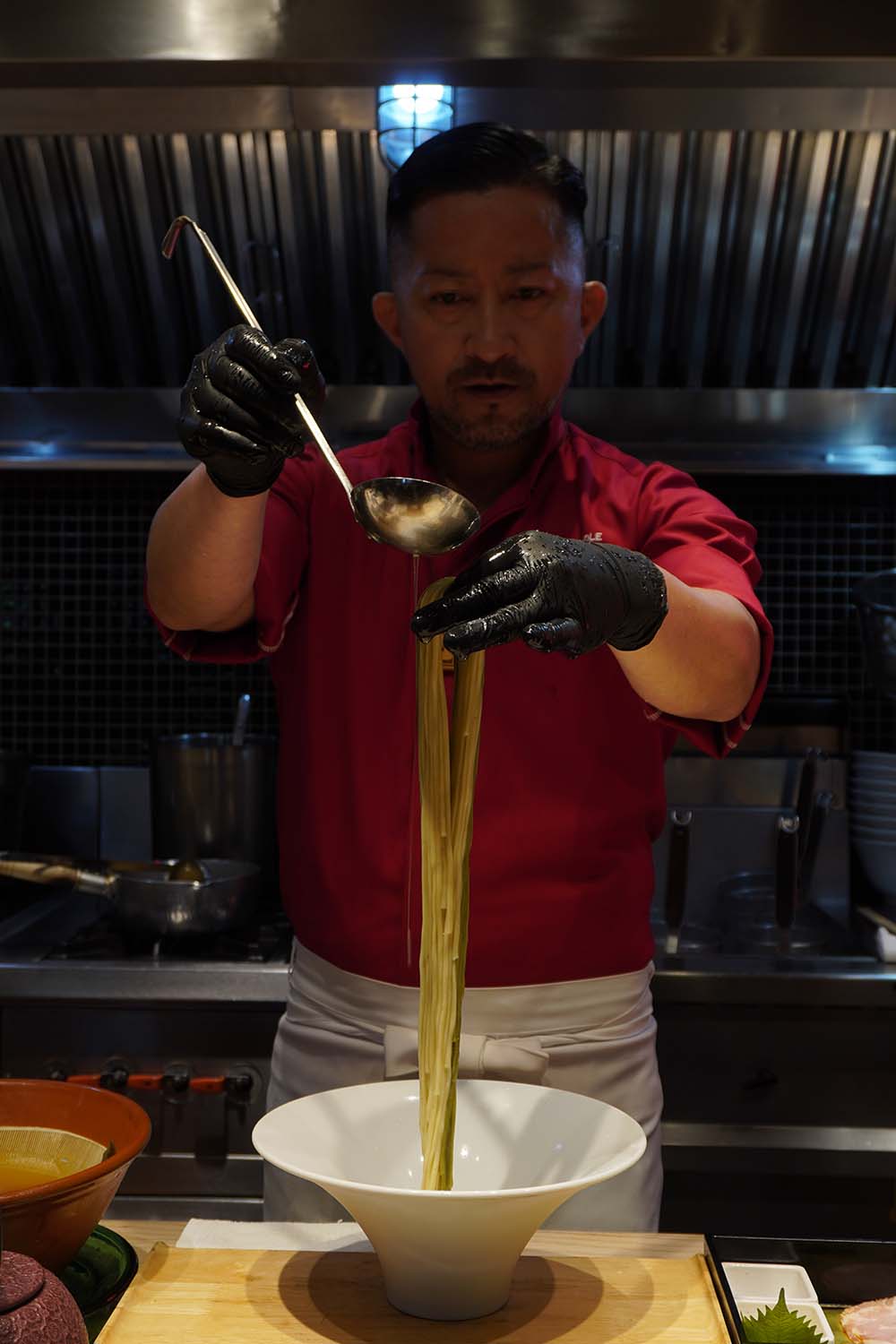
Before service, Chef Shin washed and handled the noodles with quiet precision, treating each component with the same focus. Every ingredient was prepared individually, then assembled with deliberation, as if nothing could be rushed.
The flavors were new yet familiar, layered yet clean, refreshing, comforting, and quietly surprising. It was a bowl that asked you to slow down, to notice, and to appreciate the moment.
The bowl was part of a limited autumn menu, one of many seasonal expressions that come and go at No Name Noodle.
As the last spoonful settled, Chef Shin quietly offered to prepare another bowl. I must have lit up at the thought, but I was already full, deeply satisfied in a way that lingers long after the meal ends. I declined, promising instead to return soon. Some experiences are best revisited with anticipation, and this was one I knew I would be thinking about long after I stepped back into the bustle of Bangkok.