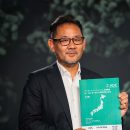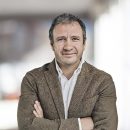

Denmark has built a global reputation in life sciences, but Thomas Senderovitz believes the country cannot afford to stand still. As CEO of Lif, Denmark’s association for the pharmaceutical industry, Senderovitz sees an increasingly competitive global landscape putting pressure on both Denmark and Europe to strengthen their position in research, innovation and patient access.

“We are living in a time defined by a dramatically altered geopolitical landscape,” he says, pointing to intensifying competition from the US and China, shifting global trade dynamics and a lack of European investment.
For Denmark, the challenge is particularly pronounced. The introduction of the US Most Favored Nation (MFN) policy could fundamentally change the country’s position in the global healthcare ecosystem. With the US representing more than half of the global pharmaceutical market, Danish drug prices could have implications far beyond Denmark’s borders, despite the country accounting for just 0.3% of the global market.
Senderovitz says Lif is working with stakeholders and policymakers in Denmark and across Europe to address these challenges. The Danish government has established a joint MFN Task Force involving the Ministries of Health, Foreign Affairs and Business, with Lif participating as a member. At the same time, Lif is advocating for an ambitious new Danish life science strategy and stronger European policies to support biotechnology and reduce barriers facing the industry.
Yet Denmark’s strengths provide a powerful foundation for its next chapter. The country combines world-class research, strong clinical environments, extensive health data and advanced manufacturing capabilities. According to Senderovitz, the next opportunity lies in bringing these assets together with emerging technologies such as artificial intelligence and precision medicine.
“Success requires long-term investments, from both companies and society,” he says. Maintaining Denmark’s attractiveness for private investment will require competitive framework conditions, access to talent and a healthcare system willing to pay for innovations that deliver genuine value to patients.
For Senderovitz, this also creates an opportunity to deepen Denmark’s relationship with Japan. Japanese pharmaceutical and life science companies have already made significant investments in Denmark, particularly in manufacturing. But he sees potential to move beyond investment and production towards more ambitious collaboration in R&D, clinical development, digital health, precision medicine, AI and quantum computing.
“The strongest partnerships will bring companies, researchers and policymakers together around shared healthcare challenges focused on bringing value to the patients.”
Thomas Senderovitz, CEO of Lif
The two countries bring complementary strengths to the table. Japanese companies offer deep expertise in areas such as oncology, rare diseases and advanced biologics, while Denmark has particular strengths in real-world data, health registries and integrated care.
“Where I see significant untapped potential is in establishing more strategic partnerships,” Senderovitz says.
Joint clinical trials using Danish health registries could generate real-world evidence supporting regulatory submissions in both Europe and Japan, while collaboration in digital health could combine Japanese expertise in patient monitoring with Danish capabilities in data governance and interoperability. Denmark is also developing a dedicated super quantum computer for life science in Copenhagen.
Ultimately, the opportunity extends beyond individual companies or technologies. Denmark and Japan face shared pressures from ageing populations, healthcare demands and global competition. For Senderovitz, those common challenges provide the basis for deeper cooperation.
“The strongest partnerships will bring companies, researchers and policymakers together around shared healthcare challenges focused on bringing value to the patients.”