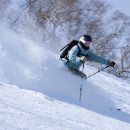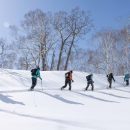


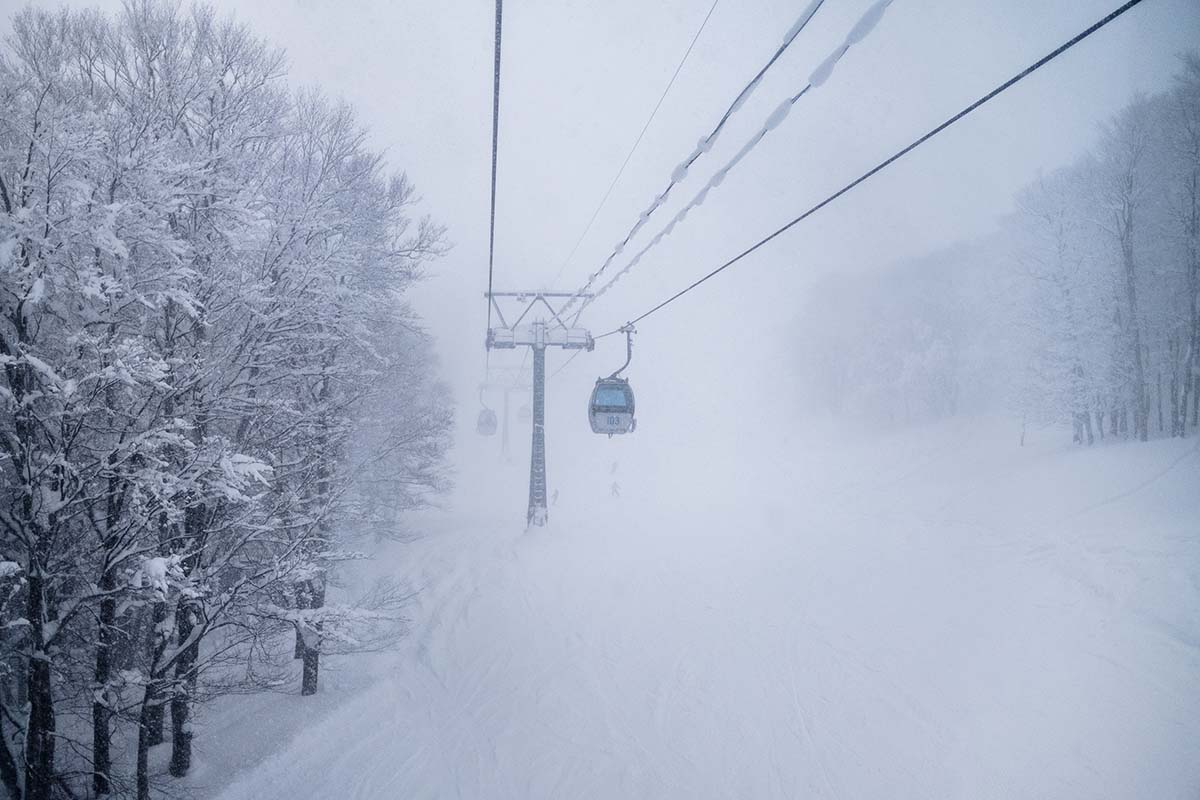
It is –5°C, snowing steadily, and the seasonal tally has already passed 500 centimetres.
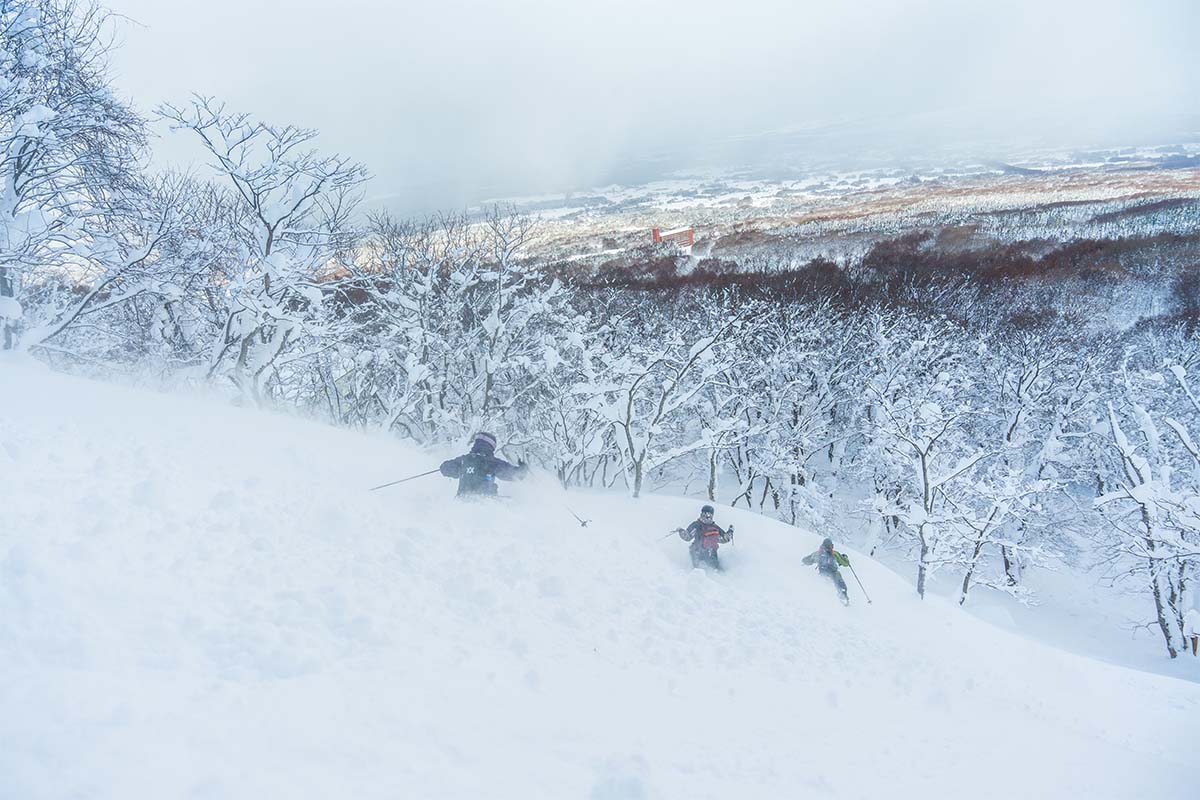
Storm after storm has rolled in uninterrupted, blanketing the slopes in what skiers come to northern Japan for above all else: Japan’s powder snow – Japow. Here in Aomori, cold Siberian and Arctic air masses sweep across Hokkaido, absorb moisture over the Sea of Japan, and unload relentlessly on northern Honshu. The result is snowfall that is slightly denser than Hokkaido’s famed cold smoke, yet deeper, more frequent, and extraordinarily consistent.
A few weeks after leaving Aomori Spring Resort, I find myself scrolling through the resort’s official Facebook page. Another overnight dump. Another morning of untracked lines. I can’t help but wish I were back there.
This is a mountain where you ski fresh tracks, lap the lifts without queues, duck into a ramen stop mid-day and return to find the slopes reset once again by constant snowfall.
I’ve skied on five continents and chased powder across Japan, including Niseko. Timing is always critical. But Aomori Spring delivered the best snow I’ve experienced in Japan so far – not just in depth, but in rhythm and calm.
A Mountain Designed for Quiet
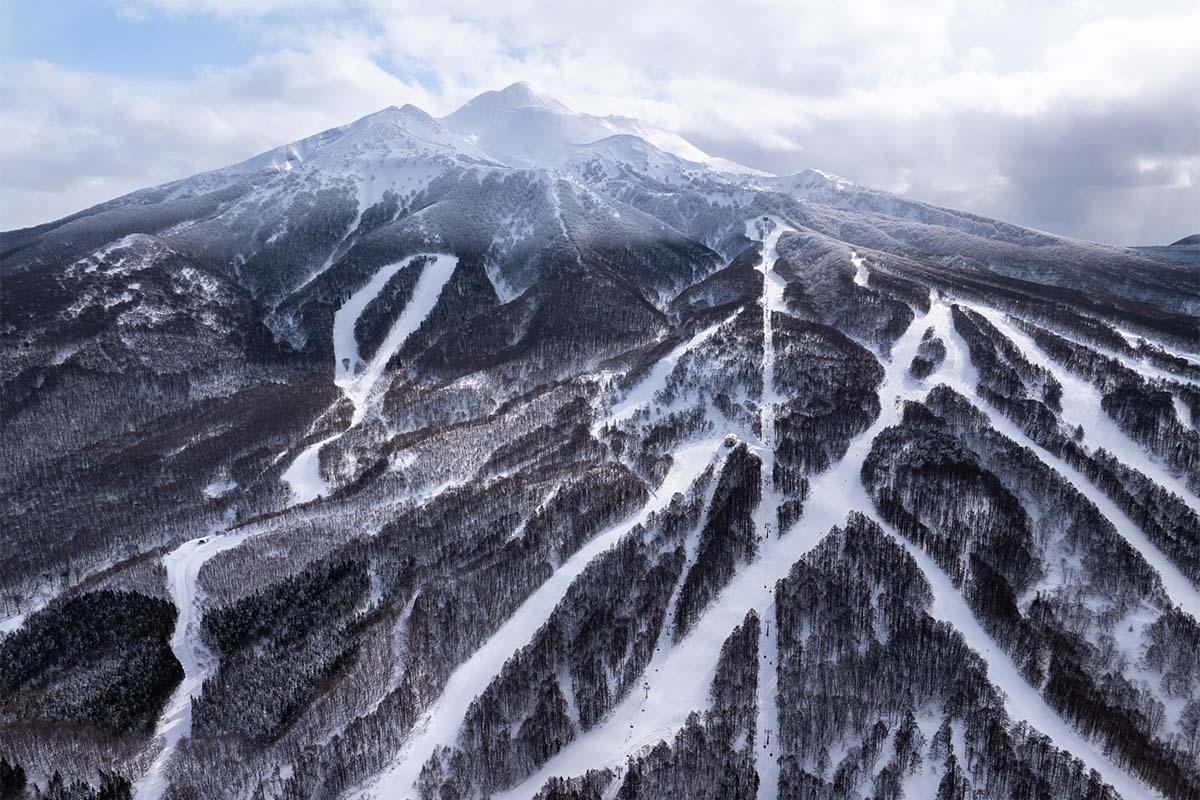
Aomori Spring sits alone in its region – the only resort in this winter wonderland – and that solitude is fiercely protected. Unlike the mega-resorts that dominate today’s ski industry, Aomori Spring deliberately limits access.
“We only sell lift tickets up to 1,200 per day,” explains Tomoyuki Yasuda, the resort’s General Manager. “Quietness has become a value.”
At peak, even with hotel guests included, the entire mountain hosts around 1,500 skiers and snowboarders – a figure almost unthinkable elsewhere in Japan let alone other countries. Spread across varied terrain, inbound sidecountry, and backside routes, it creates a rare feeling: space.
“You don’t feel crowded,” Yasuda says. “People spread out. That’s important.”
It’s a philosophy that defines everything here. No mass season-pass traffic. No rush. Just snow, terrain, and time.
An Olympian’s Playground — Without the Noise
That serenity is precisely why Aomori Spring has become the National Training Center for the Japanese National Halfpipe Snowboarding Team, and a host venue for Japanese National Championships.
The resort is home to one of only a handful of Olympic-standard 22-foot halfpipes in Japan, built entirely from natural snowfall – no snowmaking, no shortcuts. It’s a mountain governed by weather and patience.
“We rely on Mother Nature,” Yasuda says. “That’s part of the character here.”
That character has attracted not only Japan’s elite – including Ayumu Hirano, who trains here extensively with his brother – but also visiting U.S. riders and international athletes looking to escape the circus of competition.
Aomori Spring sits alone in its region – the only resort in this winter wonderland – and that solitude is fiercely protected.
Watching snow fall outside the hotel windows, it becomes easy to understand why. This is a place where even Olympians get giddy. Where decorated champions come not to be seen, but to remember why they love the sport.
Ski-In, Ski-Out — and Everything Else
The rooms mirror the mountain’s philosophy. Minimalist and quietly Zen, they are designed for recovery rather than distraction – comfortable beds, generous space, and just enough warmth to let the landscape outside do the talking.
After long days in the cold, they feel restorative rather than indulgent, encouraging early nights and unhurried mornings. It’s the kind of comfort that serves skiers well: understated, thoughtful, and deeply practical.
Aomori Spring is a true ski-in, ski-out resort, and once you arrive, there is little reason to leave — unless you want to.
The resort has everything an avid skier or snowboarder needs: excellent rental facilities, an open-air onsen for recovery, and dining designed for people who burn serious calories.
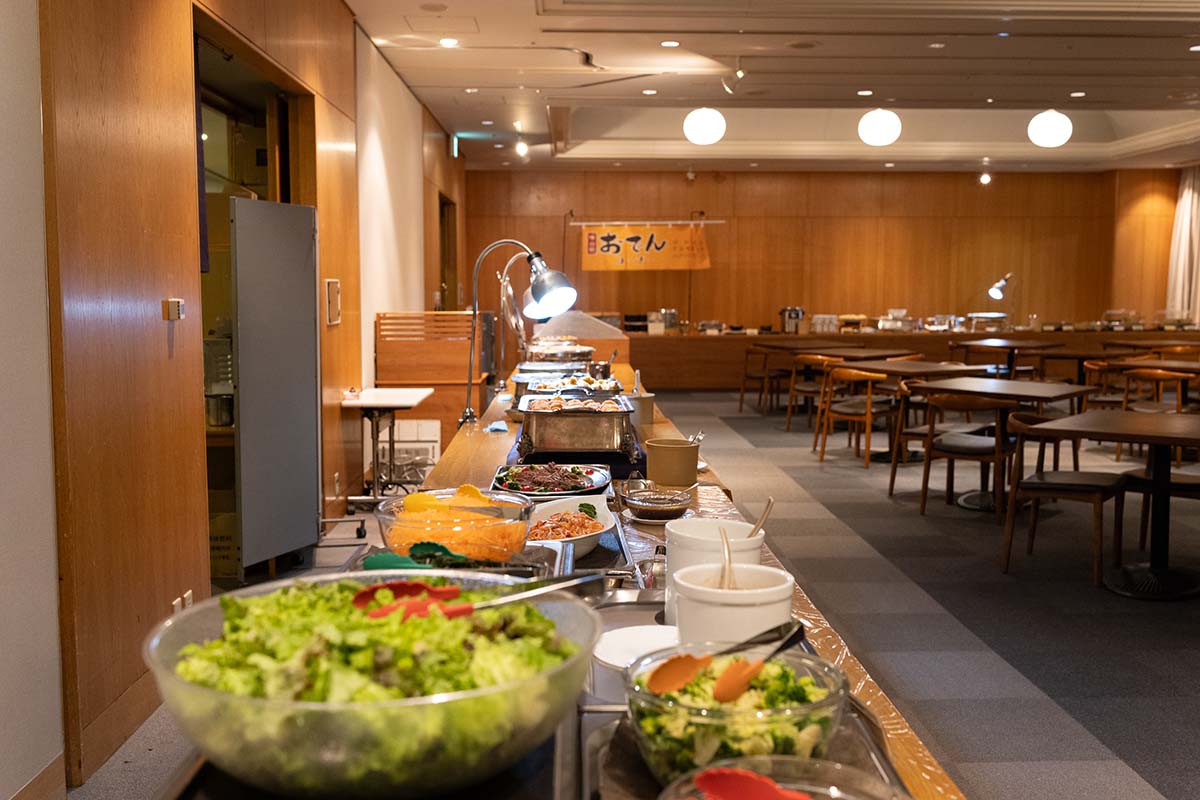
Breakfast and dinner buffets are generous, well-balanced, and unapologetically functional – carbs and protein to fuel long days on the mountain.
“For active guests, the buffet is important,” Yasuda notes. “It’s a mix of Japanese and Western styles, designed for people who ski all day.”
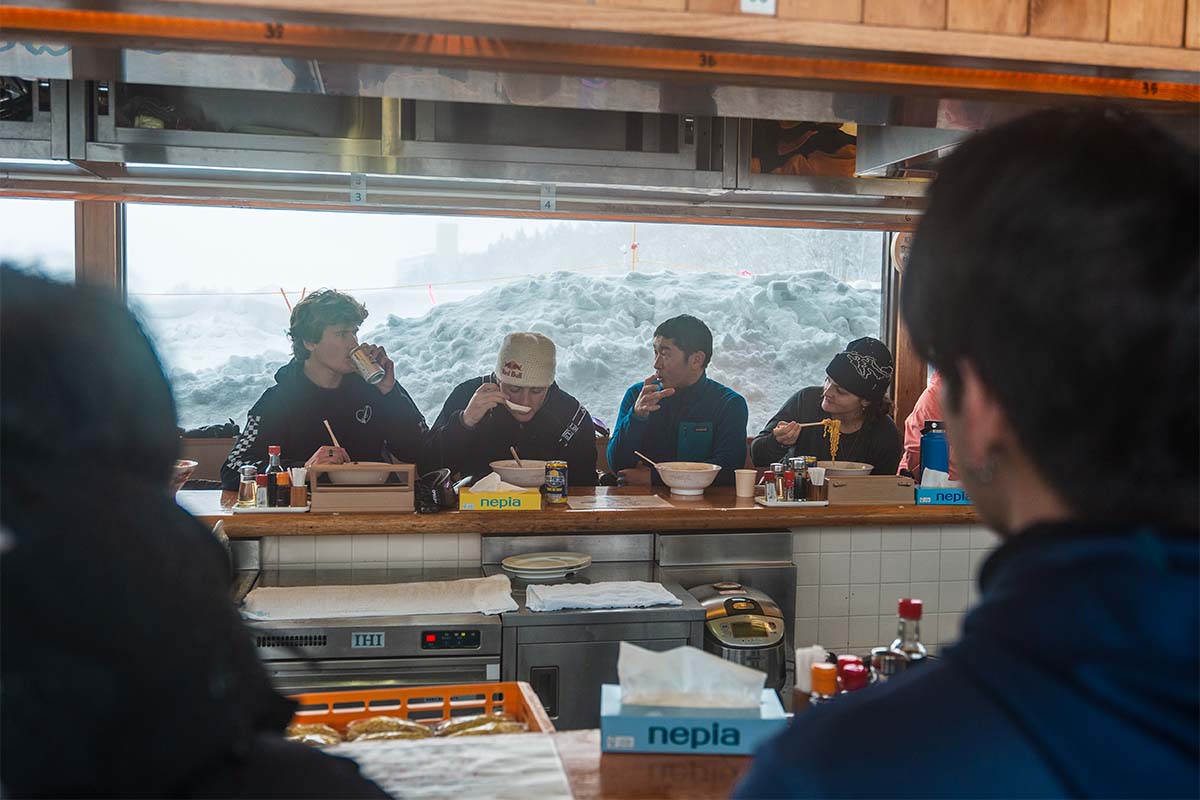
There is also a Japanese restaurant for a more traditional experience, a pizza stop at the base station, and a ramen restaurant perfectly placed for quick refuelling between runs. More than once, I skied straight down, slurped a bowl, clicked back in and found fresh tracks waiting.
Service throughout is impeccable. Whatever inconvenience you encounter, the team handles it quietly, efficiently, and with genuine care. When the lifts close, families gravitate toward the game room and movie room, while others soak, eat, and sleep only to repeat the ritual the next morning.
It is, in every sense, a place to reconnect: with nature, with family and friends, or simply with yourself.
Easy to Reach, Hard to Leave
Despite its remoteness, Aomori Spring is surprisingly accessible. Flights from Haneda to Aomori run up to six times a day, taking just one hour and ten minutes. From there, it’s a straightforward transfer to the resort.
On the return, we took the Shinkansen back to Tokyo, a smooth three-and-a-half-hour journey that only sharpened the contrast between the calm of the mountain and the pulse of the city.
Beyond Winter
While winter is unquestionably the headline act – and occupancy in January and February runs close to 100% – Aomori Spring is very much a year-round destination.
In summer, the resort’s Arnold Palmer–designed golf course becomes the main draw, complemented by hiking, cycling, and access to the deeply traditional Tsugaru region. Within 30 minutes, guests can reach real Japanese towns – places untouched by resort gloss, where dialects change, festivals like Nebuta define the calendar, and evenings end in old-style snack bars.
“This area is very unique – even for Japanese people,” Yasuda says. “It’s real.”
Exactly What I Was After
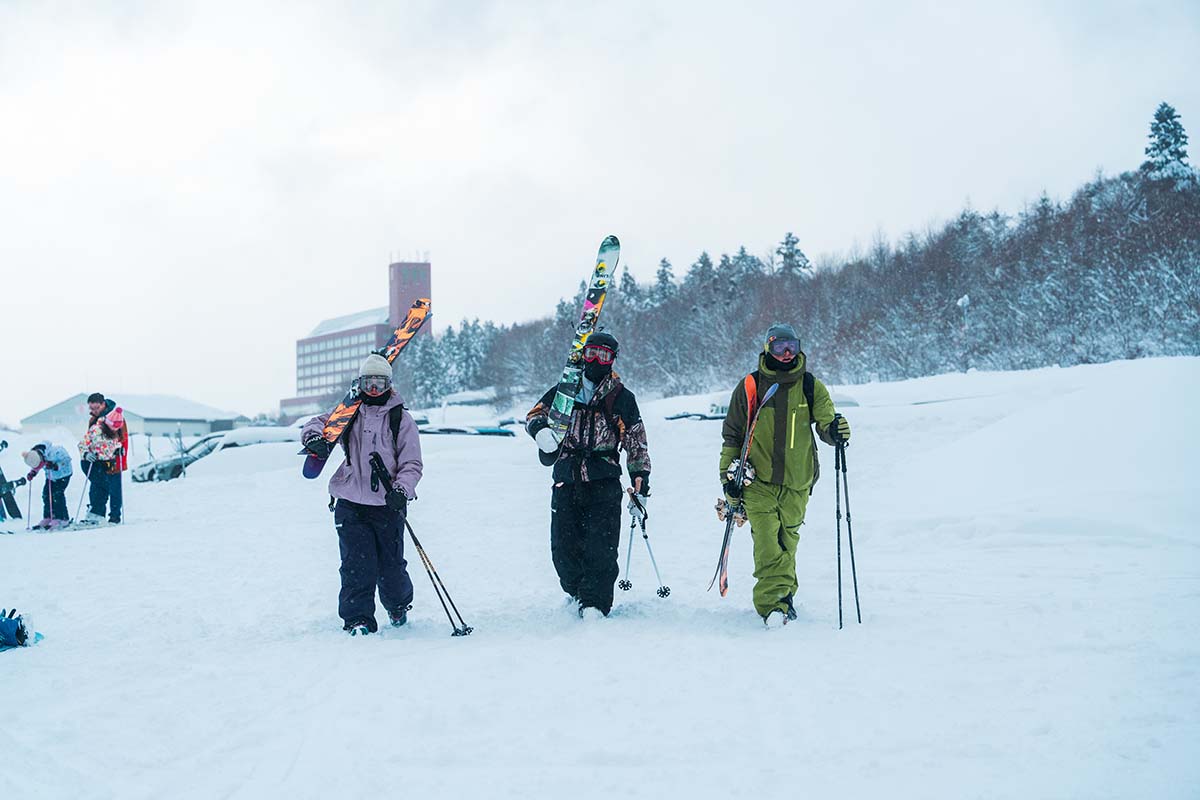
Timing matters in skiing. You can be in the right country and still miss the storm cycle. But during my stay, Aomori Spring delivered everything I was chasing and more.
I’ve experienced Japow at about six different resorts across Japan, including Niseko. While each has its strengths, Aomori Spring offered the best snow I’ve experienced so far – not just in depth, but in consistency, calm, and context.
Now, I understand fully why this mountain is an Olympian’s playground. Why riders return. Why a place like this doesn’t need to shout.
I left Aomori Spring giddy every single day grateful to have experienced a resort that still lets winter belong to the mountain.
And as the snow continues to fall, I already know: I’ll be back.