
Japan–Philippines relations have entered what many describe as a “golden age,” marked not only by strong economic and security ties, but by an unprecedented level of trust and goodwill between the two societies. At the heart of this relationship is people-to-people exchange—an area where the Japan Foundation plays a central role.
The Japanese community in the Philippines is supported by two main organizations: one focused on the business community, and another that serves the broader Japanese civilian population living in the country. Together, they represent Japanese interests across business, culture and community life, reflecting the Philippines’ size, diversity and strategic importance in the region.
Having lived in the Philippines both decades ago and in recent years, the contrast is striking. Perceptions of Japan among Filipinos have changed dramatically. According to recent surveys, 92% of Filipinos now view Japan positively, the highest level recorded and among the strongest in Asia. This shift reflects Japan’s long-term contributions to Philippine infrastructure, economic development, disaster resilience and daily life—support that Filipinos experience directly.
While historical memory of World War II once shaped negative perceptions, these views have steadily given way to a more forward-looking partnership. Today, even sensitive developments—such as closer Japan–Philippines security cooperation—are widely accepted. The landing of Japanese aircraft at former wartime airfields, unthinkable two decades ago, passed without controversy, underscoring how profoundly attitudes have evolved.
This transformation aligns with a long-standing diplomatic philosophy. In 1977, then–Prime Minister Takeo Fukuda articulated the “heart-to-heart” doctrine in Manila, committing Japan to peaceful engagement, mutual understanding and equal partnership with Southeast Asia. Nearly five decades later, that doctrine remains alive, shaping Japan’s cultural diplomacy and regional engagement.
“The Japan Foundation aims to strengthen long-term networks among young leaders across Japan, the Philippines and ASEAN.”
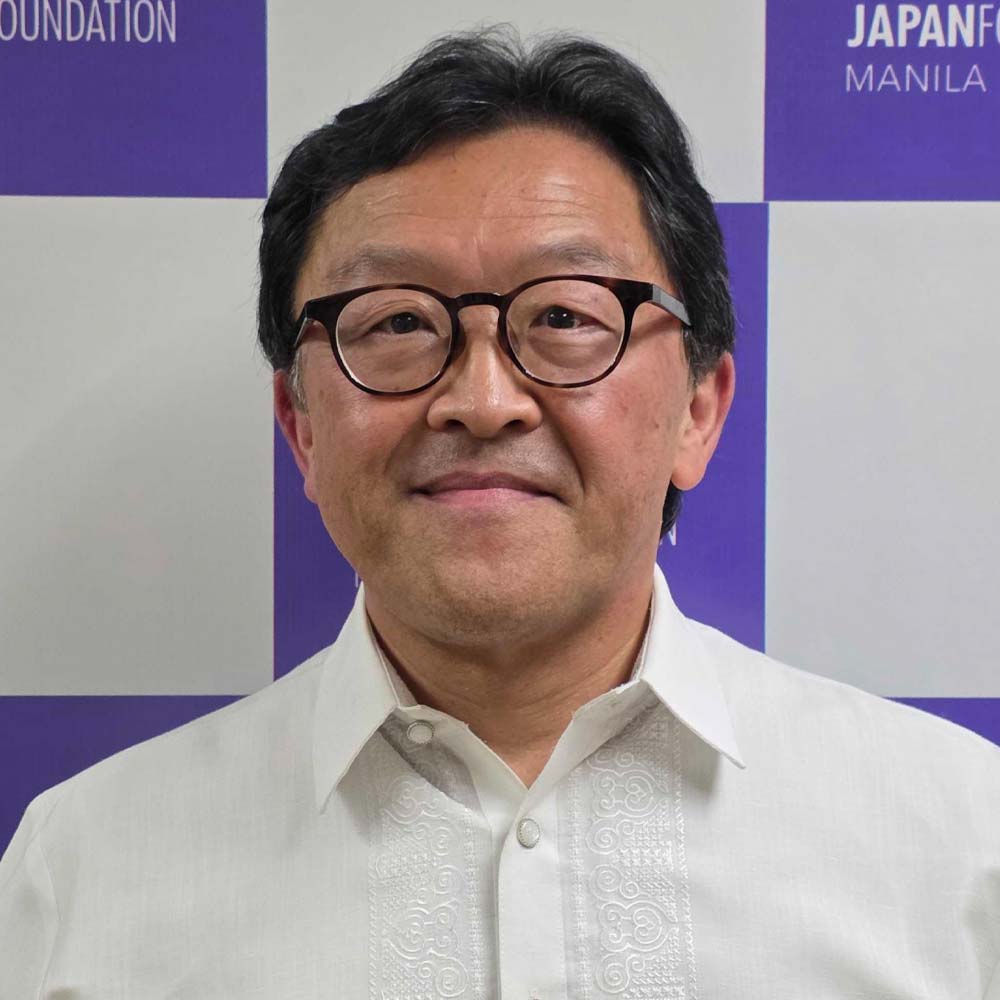
Ben Suzuki, Director of the Japan Foundation, Manila
The Japan Foundation’s mission in the Philippines reflects this philosophy through three core pillars: cultural exchange, Japanese-language education, and intellectual and global partnerships. Cultural exchange remains the most visible. The Japanese Film Festival, now the largest Japanese cultural event in the country by audience size, is held annually across multiple cities and cinemas, attracting tens of thousands of viewers. Screenings of anime, classic films and contemporary works routinely sell out within seconds. Major exhibitions—from Japanese fashion to iconic pop-culture franchises—draw large, cross-generational audiences, balancing traditional arts with contemporary culture.
Japanese pop culture has also fueled growing interest in language learning. The Philippines now has an estimated 44,000 Japanese-language learners, many motivated by employment opportunities in Japan or with Japanese companies. The Japan Foundation supports this demand through teacher training, standardized testing, vocational-focused textbooks and partnerships with Philippine education authorities. Japanese is now offered in dozens of public high schools nationwide, with steady expansion beyond Metro Manila into the regions.

Youth engagement is a priority. With a median age of around 25—compared to Japan’s 48—the Philippines represents a dynamic, future-oriented partner. The Foundation deliberately designs programs that appeal to both younger audiences and cultural leaders, ensuring broad and inclusive participation.

Beyond bilateral ties, the Japan Foundation actively promotes multilateral dialogue within ASEAN, recognizing that regional cooperation is increasingly vital. Forums bringing together journalists and think tanks from Japan and Southeast Asia foster frank, off-the-record discussions on shared challenges—from security to regional governance.
As the Philippines marks key milestones—70 years of diplomatic relations with Japan and its role as ASEAN Chair—the timing could not be more significant. For Japan, the Philippines has emerged as one of its most important partners in Southeast Asia, a shift clearly reflected in high-level diplomatic engagement.
Looking ahead, the focus is firmly on the next generation. With dedicated funding and new initiatives, the Japan Foundation aims to strengthen long-term networks among young leaders across Japan, the Philippines and ASEAN. The goal is not only to preserve today’s goodwill, but to ensure that the heart-to-heart relationship continues to evolve—resilient, inclusive and future-oriented.
In an era of regional uncertainty, the Japan–Philippines partnership stands as a model of how history, culture and trust can converge to shape a shared future.