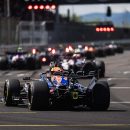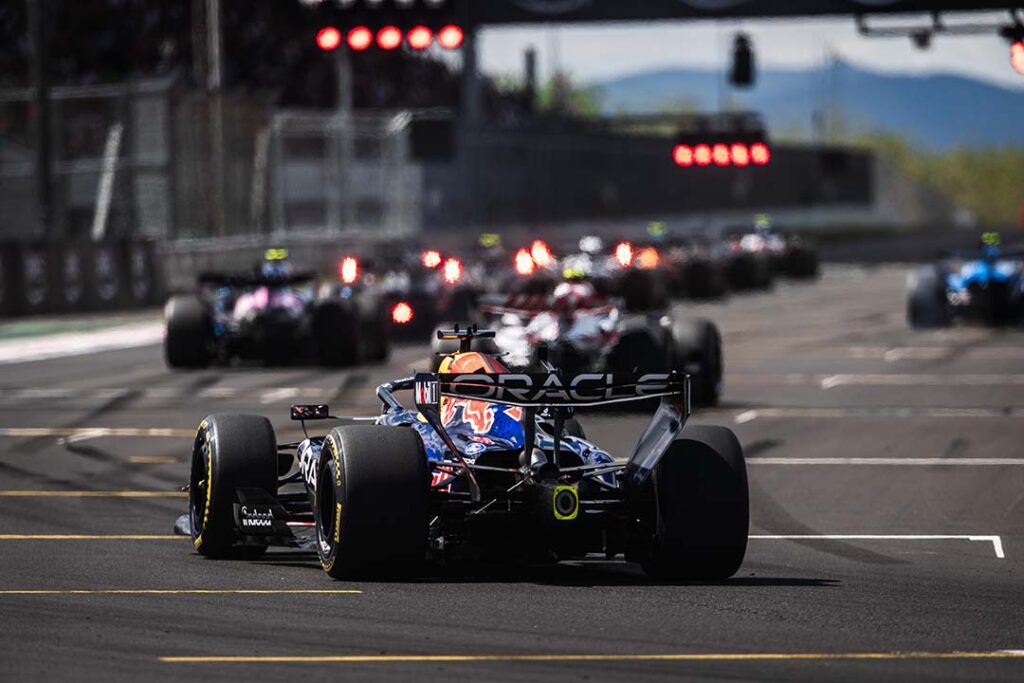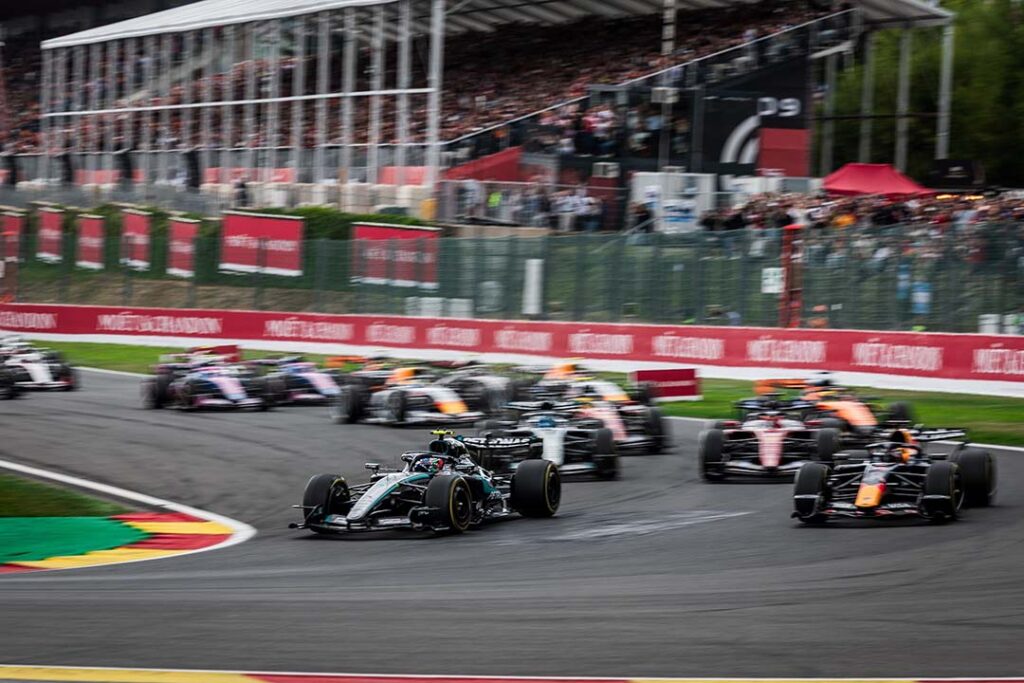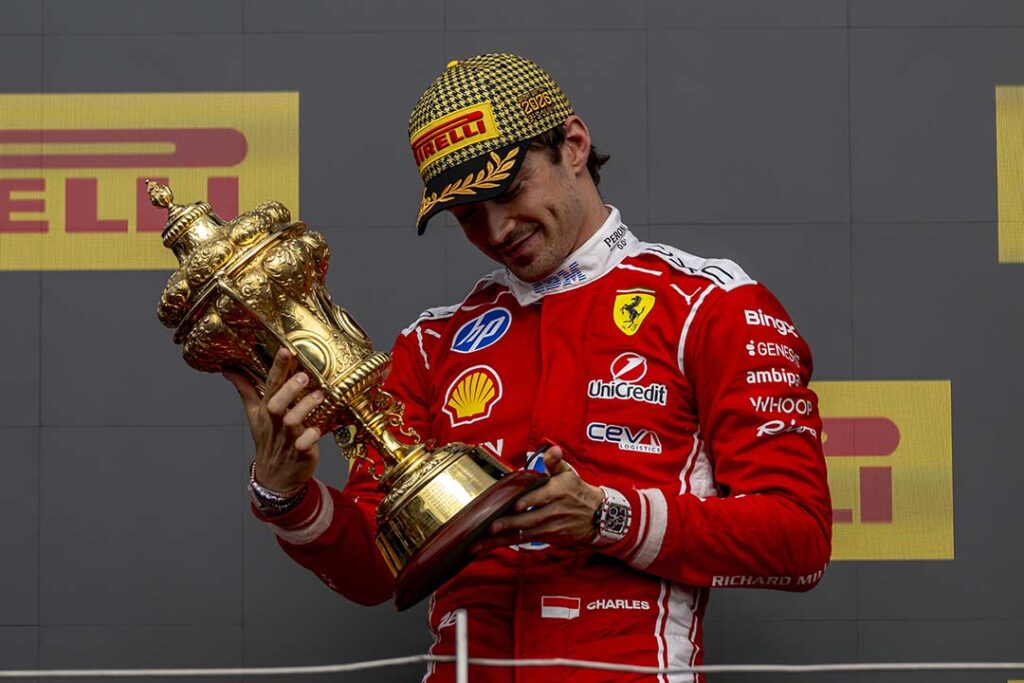

The Red Bull Ring is more than another stop on the Formula 1 calendar. As Red Bull’s home race, Spielberg carries extra significance for everyone wearing the team’s colors. Across both Red Bull Racing and Visa Cash App Racing Bulls, all four drivers know that strong results in Austria matter just a little more.
After a dramatic Qualifying session and a race shaped by extreme heat, strategy, and resilience, the 2026 Austrian Grand Prix became a weekend that reflected the very identity of modern Formula 1: fiercely competitive, deeply international, and united by a shared passion for racing.
A champion’s recovery
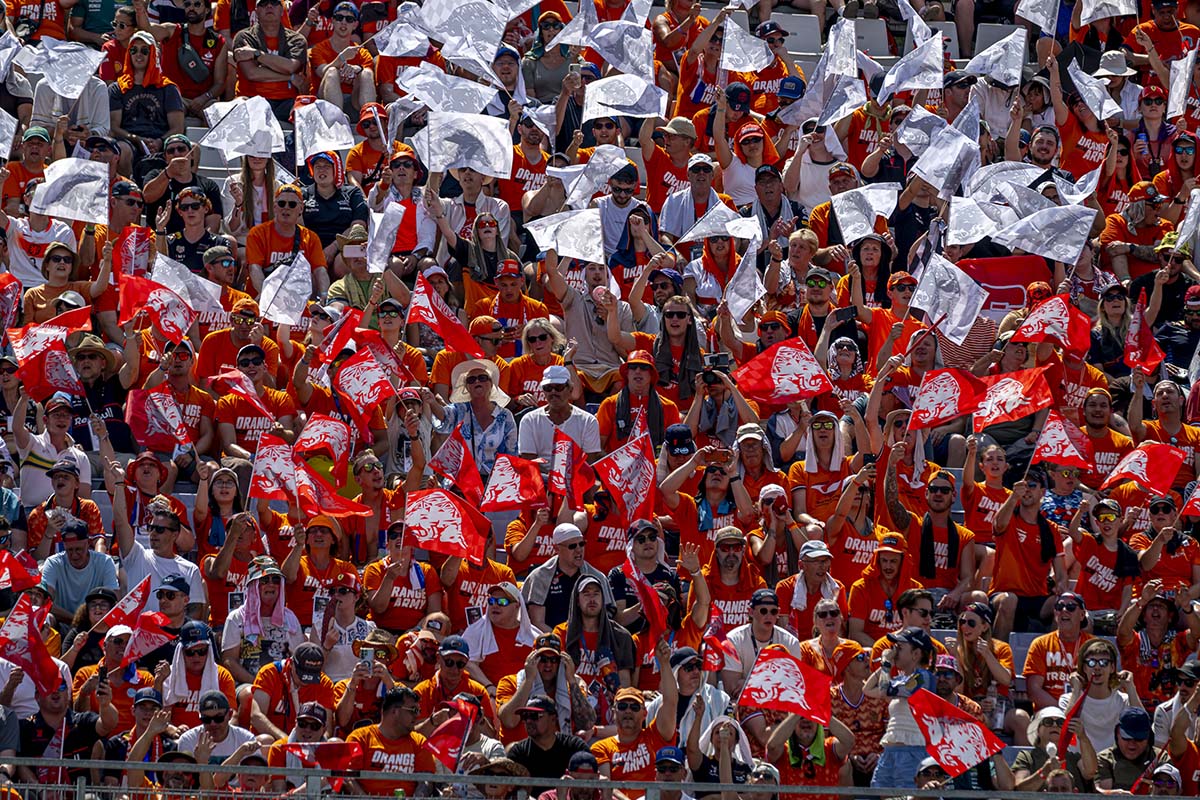
Few drivers draw a crowd quite like Max Verstappen. Every year, thousands of Dutch supporters, better known as the “Orange Army”, transform the Red Bull Ring into a sea of orange, traveling across borders to support their home hero. While the race takes place in Austria, the atmosphere often feels unmistakably Dutch, showing how Formula 1 fan culture regularly extends far beyond national boundaries.
That support became especially significant after Verstappen’s challenging Saturday— crash during qualifying left many wondering whether Red Bull’s star driver could recover in front of his home crowd.
Sunday provided the answer.
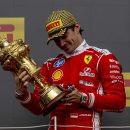
With measured race strategy and Verstappen’s perseverance, he fought his way from fifth on the grid to second when the checkered flag flew, salvaging an important result for Red Bull Racing after what had looked like a difficult weekend.
Speaking after the race, Verstappen reflected on the result: “It was a very good race for us, the first few laps were quite fun. But to be second this close to a win, I’m very happy.”
A reminder that in Formula 1, recovery is rarely just about damage limitation. Sometimes, it’s about turning a setback into a statement.
Home soil, shared pressure
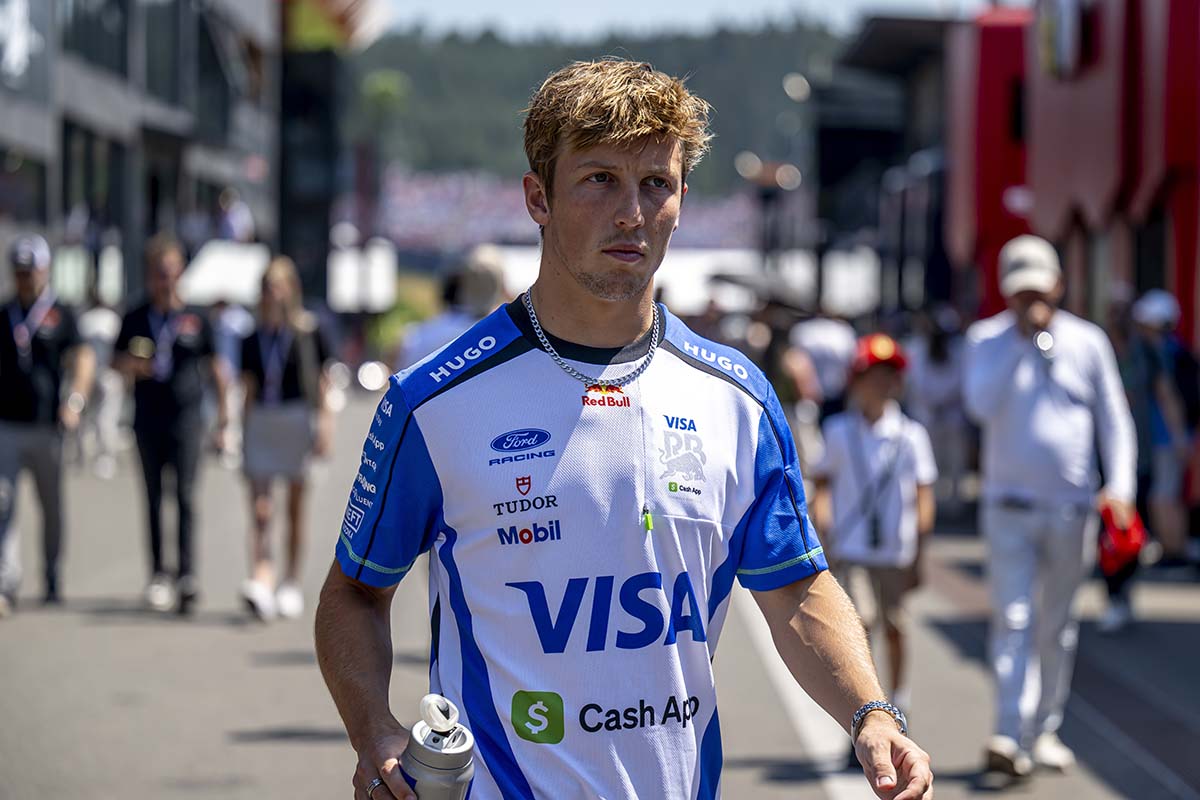
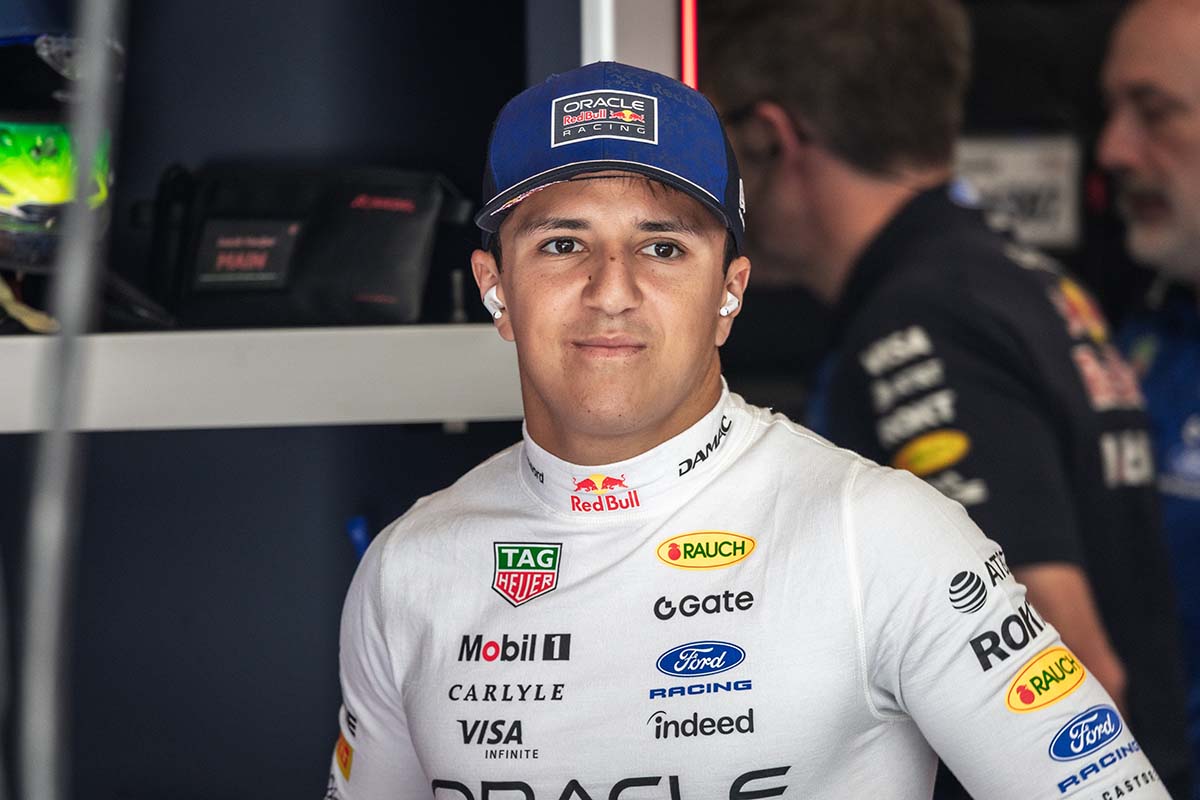
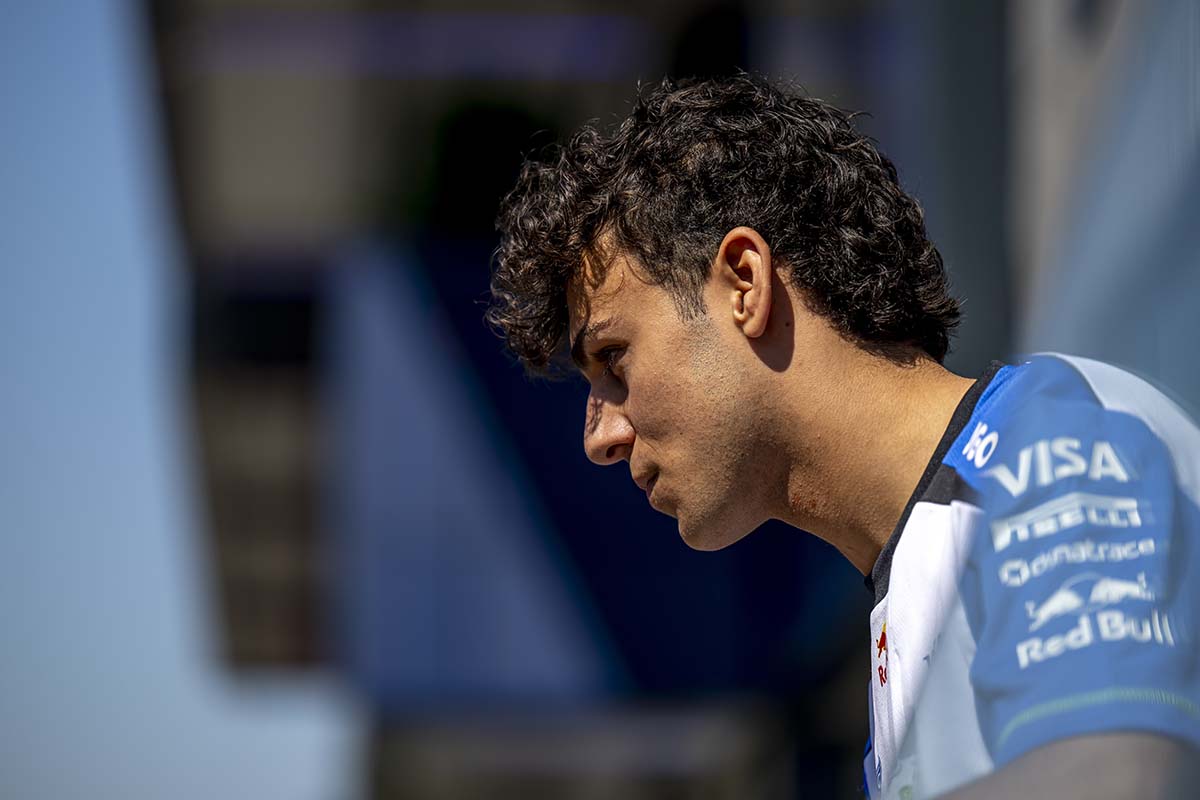
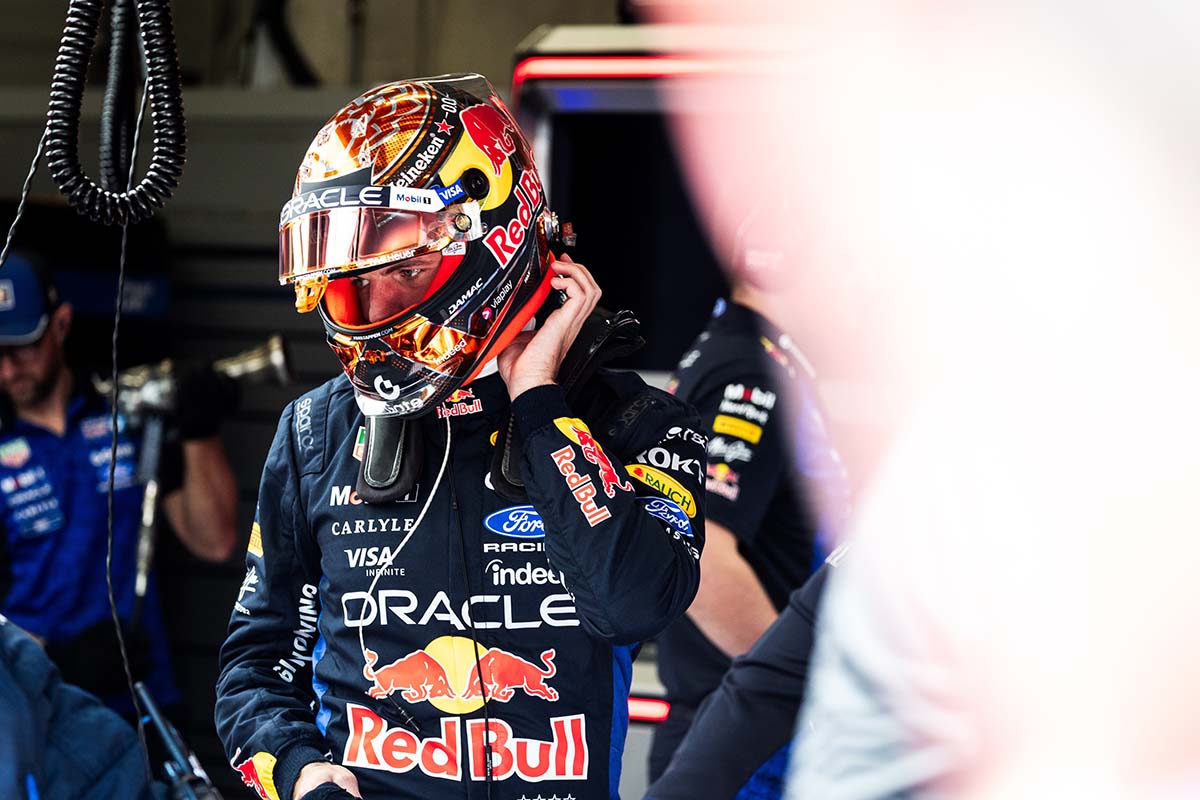
While Verstappen’s podium naturally attracted the headlines, the entire Red Bull family delivered a performance worth celebrating.
For Red Bull Racing, Verstappen secured second place while teammate Isack Hadjar crossed the line in sixth, giving the Milton Keynes-based team a valuable haul of points at its home circuit. Visa Cash App Racing Bulls also enjoyed a successful weekend, with Liam Lawson finishing ninth and rookie Arvid Lindblad claiming tenth to secure a double-points finish for the Faenza-based outfit.
The results reflected the increasingly global nature of Red Bull’s driver program. A Dutch four-time world champion, a French-Algerian rising star, an established New Zealand racer, and a British rookie with Swedish and Indian heritage all represented the same organization across two teams. Different backgrounds, different career stages, one shared objective.
It is a fitting snapshot of Formula 1 today, where success is built through international collaboration as much as individual talent.
Heat, drama, and fine margins
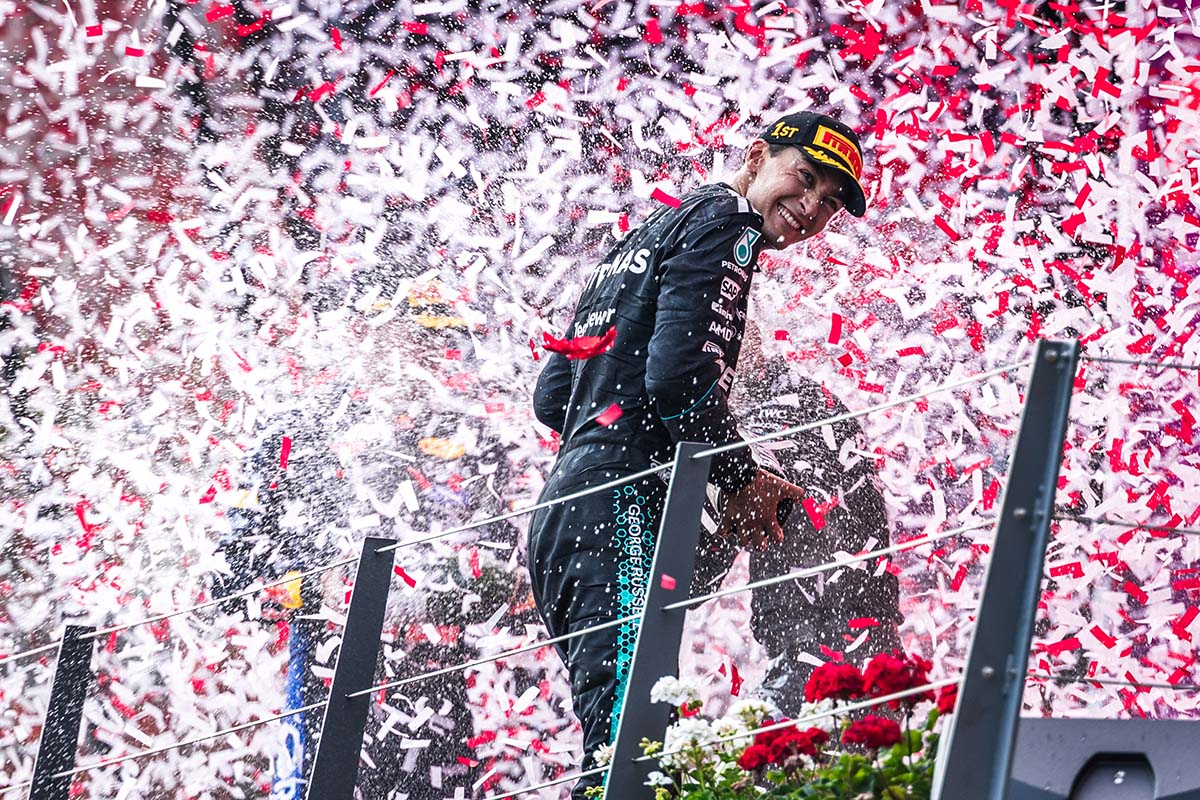
Before Sunday’s race even began, the weekend had already produced its share of controversy.
Mercedes dominated every practice session before George Russell secured pole position in Qualifying. The result, however, came with plenty of discussion after Verstappen’s crash triggered yellow flags late in the session. Questions quickly emerged over whether Russell had reduced his speed sufficiently, and whether marshals had displayed single or double-waved yellow flags, two signals carrying different levels of urgency.
After review, Russell’s pole position stood, lining up ahead of Ferrari and setting the stage for a fascinating race.
Adding another layer of difficulty was the weather.
The Austrian Grand Prix race was officially declared a heat-hazard event, with air temperatures reaching 34.5°C and track temperatures climbing to a scorching 46.8°C. Those conditions tested everyone in the paddock.
Every Grand Prix is shaped by the people behind the scenes, the fans in the stands, and the stories that connect them all. Austria was another reminder that Formula 1 isn’t only about where you come from— it’s about where the sport can bring us together.
Tyre degradation became a constant concern, forcing teams to carefully balance performance against longevity. Brake temperatures required close monitoring to avoid failures, while reliability became an ever-present challenge as engines and cooling systems were pushed to their limits.
Even under those demanding conditions, the racing rarely settled.
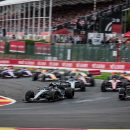
Wheel-to-wheel battles between Lewis Hamilton and Verstappen kept fans on edge, while incidents around the circuit brought out both the Virtual Safety Car and full Safety Car. Young Mercedes driver Kimi Antonelli continued to impress with determined overtakes as he chased every available position, highlighting the new generation steadily making its mark against established champions.
It was a race where strategy mattered as much as speed, and where every decision from the pit wall carried extra weight under the relentless Austrian sun.
Where sport builds bridges
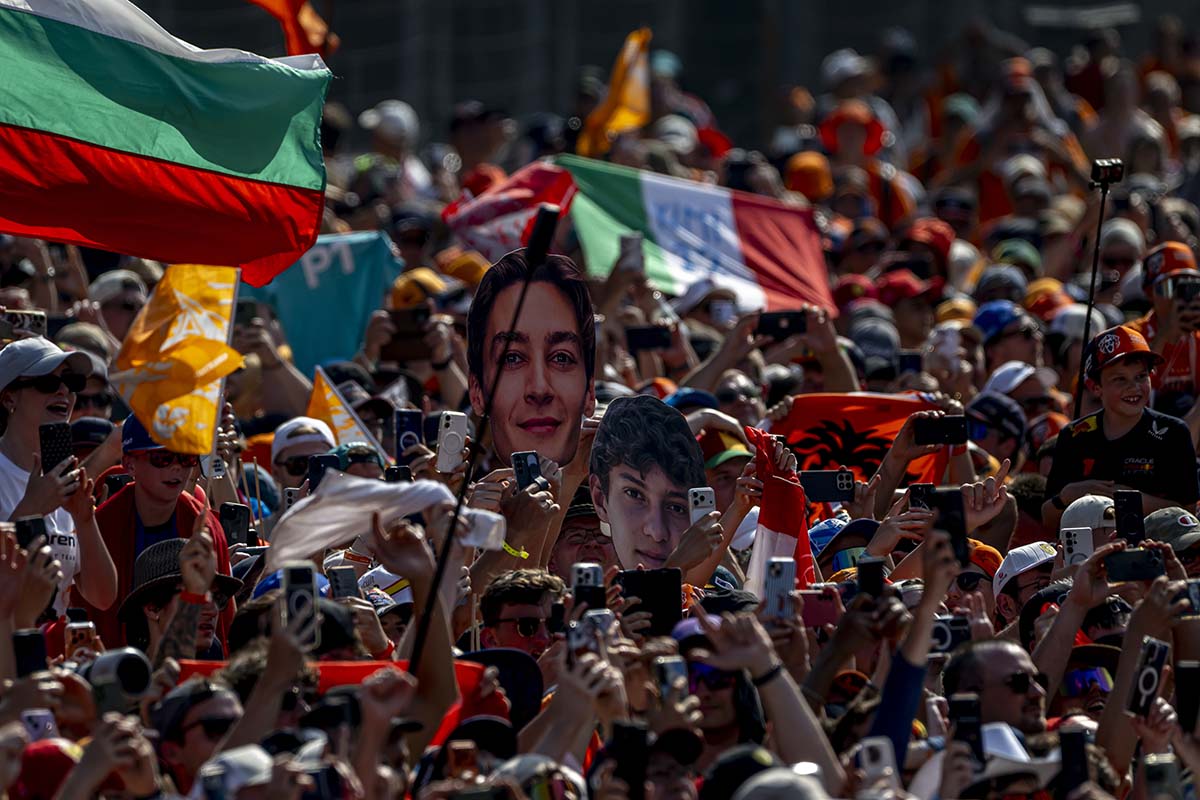
The Austrian Grand Prix had everything Formula 1 fans love: qualifying drama, strategic battles, relentless heat, and a comeback drive that put Max Verstappen back on the podium at Red Bull’s home race.
Across both Red Bull teams, all four drivers delivered important points, while thousands of fans, including the Orange Army, turned the Red Bull Ring into one of the most electric atmospheres on the calendar. From the grandstands to the garages, the weekend showed how Formula 1 brings together people from different countries, cultures, and backgrounds through a shared love of racing.
Long after the podium celebrations end, that’s what stays with you. Every Grand Prix is shaped by the people behind the scenes, the fans in the stands, and the stories that connect them all. Austria was another reminder that Formula 1 isn’t only about where you come from— it’s about where the sport can bring us together.