
There’s something almost primal (and definitely blissful) about slipping into mineral-rich water while the outside world slows to a hush. Hot springs — known as onsen in Japan and wēnquán in Taiwan — are far more than spa indulgences or attractions of slow luxury. They’re a cultural ritual, an ages-old wellness practice, and increasingly, a lifestyle aspiration wrapped into one immersive experience.
Across both countries, these geothermal sanctuaries have become spaces to disconnect from noise, recalibrate the body, and embrace a slower, more intentional pace of living. What began centuries ago as a therapeutic health practice has evolved into a powerful intersection of travel, leisure, mindfulness, and modern self-care.
Steeped in the ceremonies of steam
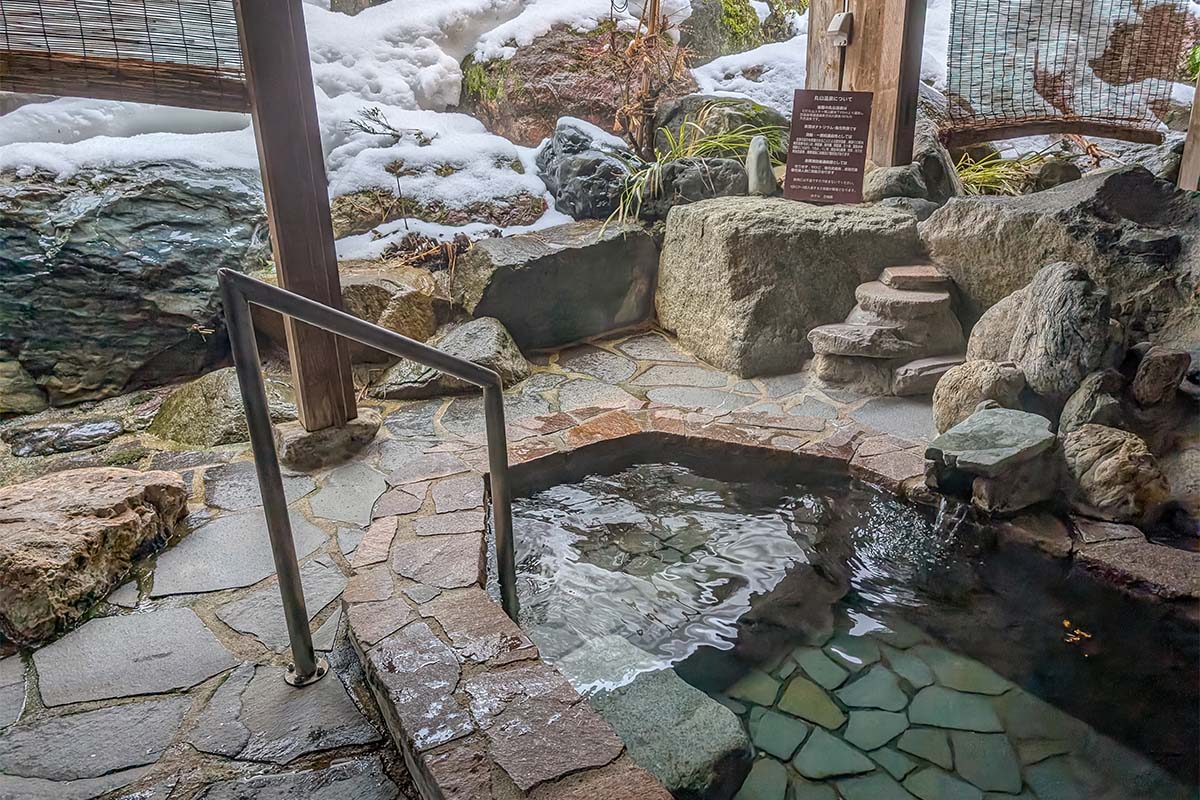
In Japan, the onsen experience is woven deeply into everyday culture. The country is home to more than 3,000 designated hot spring areas (often called onsen-gai or resort towns) and roughly 25,000 natural hot spring sources, thanks to its intense geothermal activity. Visitors soak in mineral baths ranging from sulfur-rich waters to iron-heavy springs, each traditionally associated with benefits for circulation, muscle recovery, and skin health.
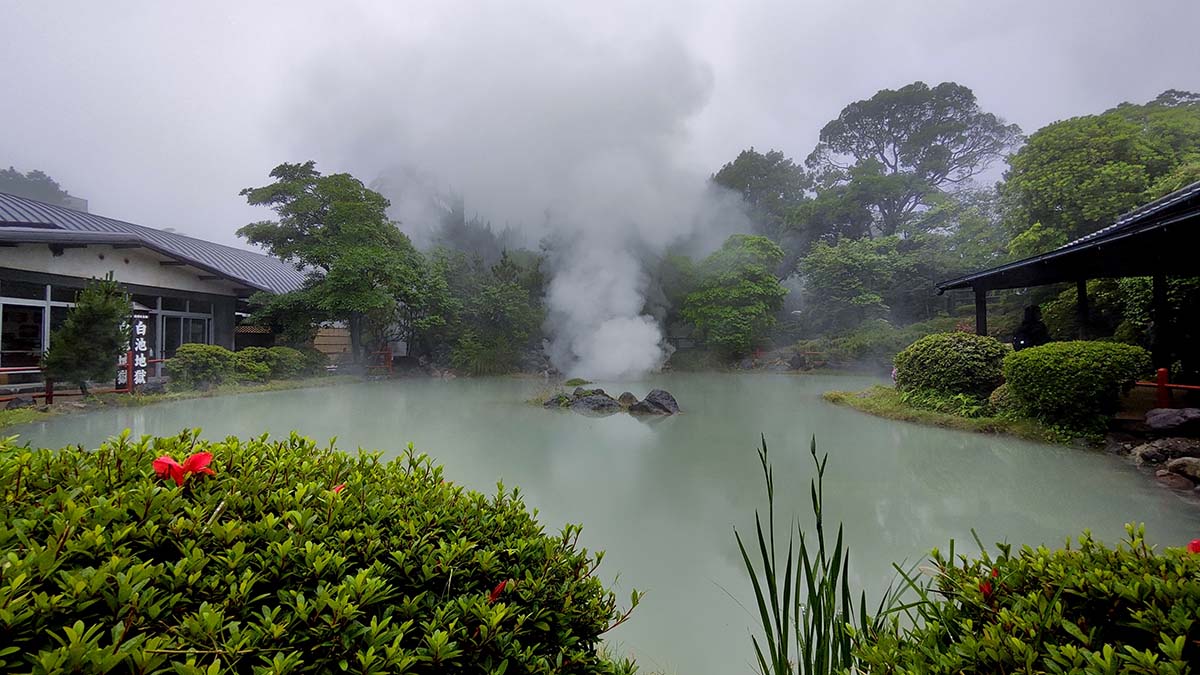
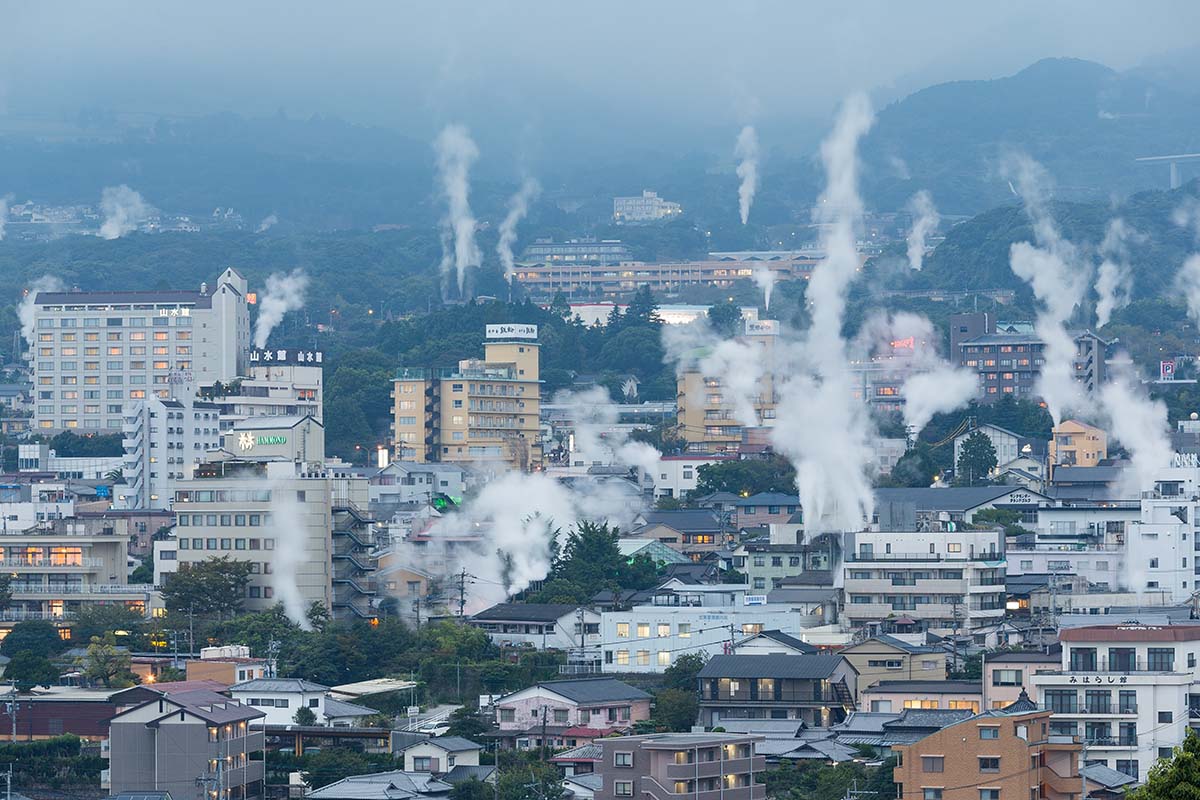
Japan’s almost reverential relationship with onsen exists because the country is essentially sitting on a giant geothermal pressure cooker. Perched along the Pacific Ring of Fire where four tectonic plates collide, Japan channels rainwater deep underground, where it’s superheated by volcanic magma before resurfacing as mineral-rich thermal springs. Around a third of Japan’s natural hot spring sources are concentrated in Kyushu, particularly around Beppu — a volcanic city so geothermally active that steam pours from streets, vents, and rooftops like the entire town is simmering from beneath the earth.
And not every hot bath earns onsen status. Japan takes its soaking culture seriously: for a spring to be legally classified as an onsen, the water must emerge naturally at least 25°C and contain specific minerals such as sulfur, iron, sodium bicarbonate, or radon. In other words, if the chemistry isn’t right, it’s just a bath.
FUN FACT
Beppu’s obsession with onsen runs so deep that even its hottest geothermal vents have become tourist attractions. The city’s famous “Eight Hells” showcase vividly colored mineral pools and steaming springs so hot that some waters exceed 90°C before being cooled for bathing — a dramatic reminder that Japan quite literally sits atop volcanic energy.
Diverse and dramatic volcanic luxury
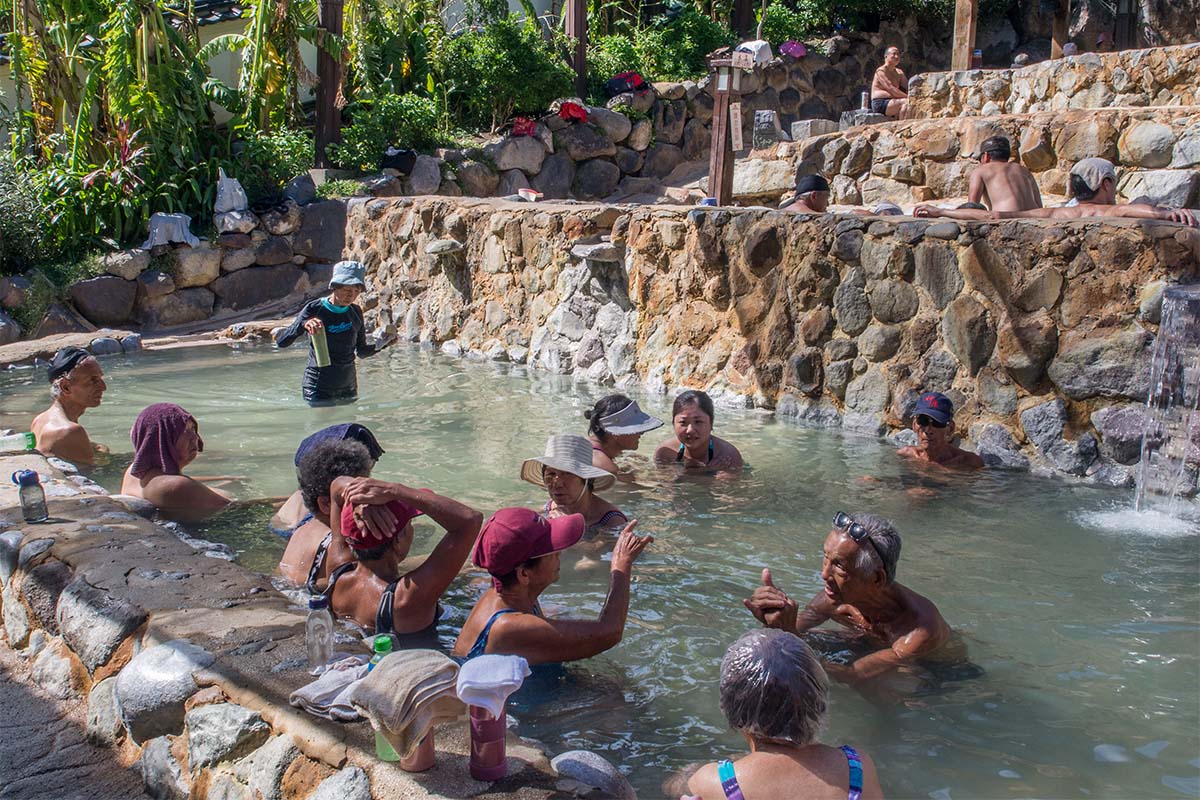
Taiwan’s wēnquán culture is a fascinating collision of influences — indigenous bathing traditions, Japanese onsen heritage from the colonial era, and the island’s own volcanic geography all folded into one deeply ingrained wellness ritual.
And unlike Japan, Taiwan’s hot spring scene is wildly diverse. Each destination feels like a completely different personality.
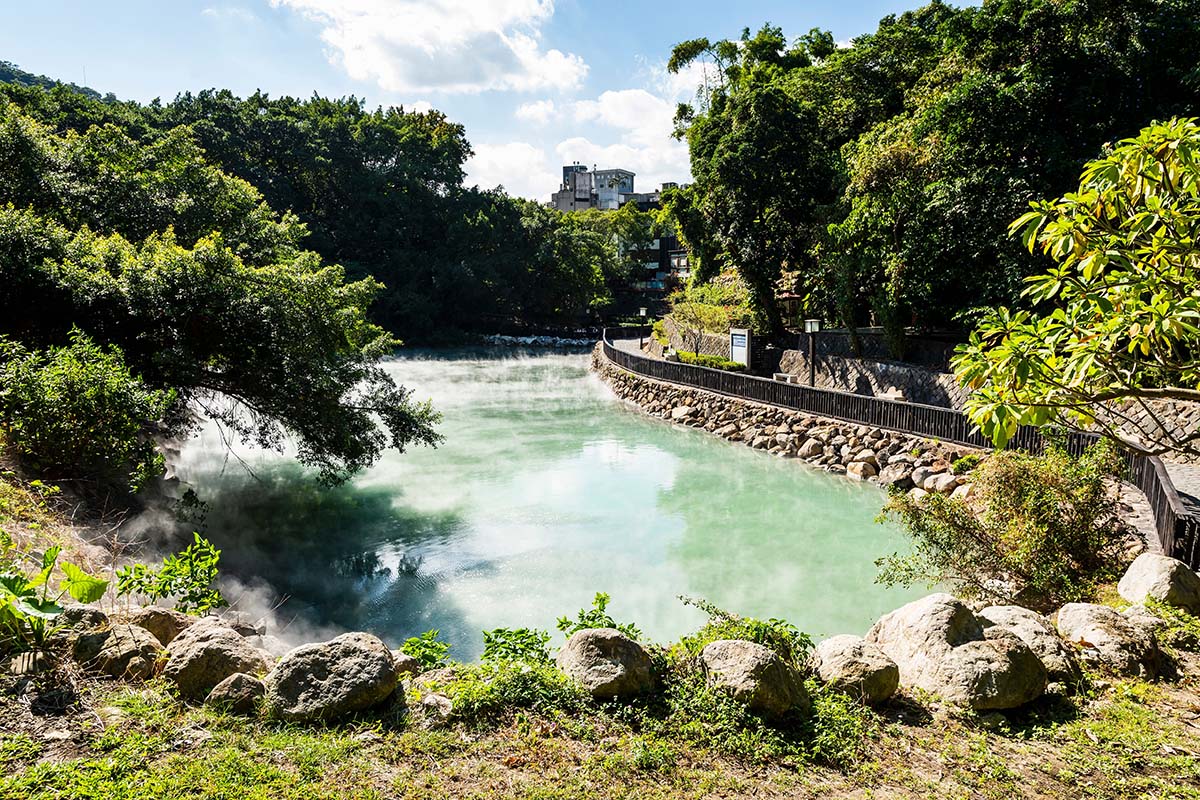
In Taipei’s Beitou district, the springs are famous for their sulfur-heavy waters and cinematic clouds of steam drifting through the valley. Beitou’s famous Thermal Valley sits at the edge of the volcanic Datun Mountain range connected to Yangmingshan National Park, where geothermal activity still actively fuels the region’s hot springs beneath the earth’s surface. What makes Thermal Valley especially dramatic is its chemistry. The water is intensely acidic — often registering a pH between 1 and 2 — creating a surreal landscape of jade-colored water, thick sulfuric steam, and air that smells unmistakably volcanic. Standing there can feel less like visiting a spa and more like peering into the earth’s raw machinery.
Just outside the city, Jiaoxi breaks the mold as one of the world’s rare lowland hot spring towns, prized for its odorless sodium bicarbonate waters often nicknamed “beauty springs” for their skin-softening effect. Then there’s Guanziling in southern Taiwan, internationally known for its black mud hot springs — an unusual mix of geothermal water and mineral-rich clay that turns bathing into something closer to a full-body volcanic treatment. Further east in Taitung, riverside springs like Lisong reveal a more untamed side of wēnquán culture, where open-air pools sit beneath mineral-streaked cliffs, shaped as much by geology as by the river’s slow, constant movement.
Taiwan’s wēnquán culture is a fascinating collision of influences — indigenous bathing traditions, Japanese onsen heritage from the colonial era, and the island’s own volcanic geography all folded into one deeply ingrained wellness ritual.
Economies built on the soak
Hot springs now sit at the center of Asia’s booming wellness tourism economy. It isn’t only a ritual of rest — it’s also a major economic engine.Taiwan actively markets wēnquán culture as a year-round travel experience, blending natural landscapes with luxury hospitality. Japan’s onsen towns pair geothermal bathing with ryokan stays, regional cuisine, and centuries-old traditions, transforming a simple soak into a fully immersive cultural escape.
In Japan, the economy surrounding onsen runs remarkably deep. Traditional hot spring towns support networks of ryokans, family-run inns that source ingredients and goods locally, keeping tourism spending within the community. Municipal governments also collect a small bath tax from visitors, helping fund infrastructure and preserve historic bath districts.
Because bathing culture is woven into everyday life, Japan’s onsen economy remains resilient across all four seasons. Places like Beppu and Kusatsu Onsen now balance long-standing local traditions with growing international demand for wellness travel.Taiwan’s hot spring economy operates differently, but no less strategically. In places like Beitou and Jiaoxi, geothermal escapes sit close to major cities, creating a steady rhythm of day-trippers moving through bathhouses, cafes, and public hot spring parks.
Further into Taiwan’s mountainous regions, hot springs also provide economic lifelines for indigenous and rural communities. Resorts and public baths in areas like Wulai bring employment, infrastructure investment, and opportunities for cultural tourism — transforming geothermal landscapes into long-term regional anchors.
The influence has spread into urban life, too, in both countries. Rooftop baths, boutique spas, and hotel onsen concepts increasingly cater to professionals craving what could best be described as “micro-recovery” — small but intentional rituals that restore balance amid hyperconnected lifestyles. It’s wellness stripped of performance and brought back to something elemental: heat, water, quiet, breath.
FUN FACT
Some Japanese onsen towns once measured prosperity by how much steam rose from rooftops — visible proof that the hot springs, and the local economy, were thriving.
Ancient rituals and modern obsessions
The modern obsession with hot springs goes beyond aesthetics. Studies on thermal bathing suggest potential benefits including improved circulation, reduced muscle tension, stress relief, and better sleep quality. While not miracle cures, mineral-rich hot springs have long been associated with relaxation and recovery.
For overstimulated professionals and frequent travelers, a soak has become less of a luxury and more of a reset button.
But the appeal is also psychological. The quiet. The steam. The absence of screens. Hot springs create rare conditions for stillness in an economy built around constant stimulation. The experience borders on meditative — a deliberate pause in a culture that rarely stops moving.
Many travelers describe leaving an onsen or wēnquán feeling strangely lighter, as if the water dissolves not just physical fatigue but mental static too.
What began centuries ago as a therapeutic health practice has evolved into a powerful intersection of travel, leisure, mindfulness, and modern self-care.
Soaking it all in — literally
Transforming a hot spring visit into a wellness ritual requires more than simply stepping into the water. It begins with understanding that not all springs are the same, and that the experience shifts depending on where you go and how attuned you are to it.
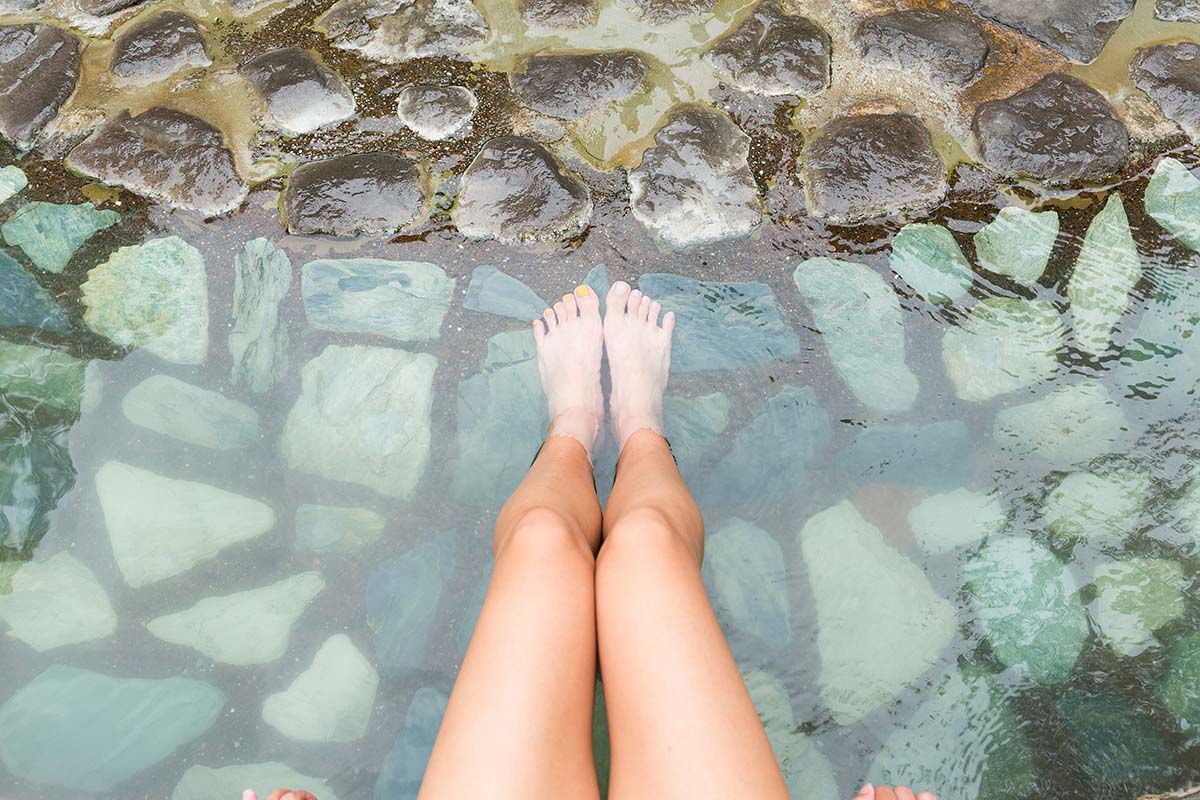
Different mineral compositions are associated with different effects. Sulfur springs are traditionally linked to skin health, while sodium bicarbonate baths are prized for their skin-softening and muscle-soothing properties. The setting matters too: outdoor baths are especially atmospheric in autumn or winter, when icy air meets rising steam.
Respect for local etiquette and customs quietly shapes the ritual. In Japan, communal bathing typically involves gender-separated baths, meticulous cleansing before entry, and an atmosphere of near silence. Communal nudity is standard in many traditional onsens, where the focus is on cleansing and immersion rather than modesty. In Taiwan, the culture is generally more flexible, with private baths offering a discreet entry point for first-timers. Yet the philosophy underneath remains strikingly similar: immersion as restoration — physically, mentally, almost spiritually.
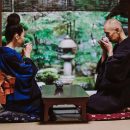
The experience doesn’t end when you leave the water. Many resorts extend the rhythm into tea ceremonies, seasonal cuisine, forest walks, or meditation spaces, encouraging a slower return to the outside world. In Taiwan, hot spring destinations often blur further into landscape, integrating hiking trails or fruit-picking experiences so the day moves continuously between nature and warmth.
And if there is a final rule, it is almost an anti-rule: leave space for nothing. The most restorative part often comes before or after the bath itself — a stretch of time with no notifications, no movement, no urgency. At its best, hot spring culture isn’t just about what you do in the water, but how long you let the stillness linger afterward. Many wellness experts suggest extending the “reset effect” by giving yourself at least 20 minutes of uninterrupted quiet afterward.
A heated exchange
Despite differences in geography and bathing customs, Japan and Taiwan share a belief in the transformative power of hot springs. The act of soaking is about far more than cleanliness. It’s a pause. A recalibration. A reminder that rest itself can be ritualized.
Whether it’s a mountainside onsen in Nagano or a sulfuric wēnquán retreat in Beitou, each visit encourages the same thing: slow down, tune in, and let the body recover at its own pace.
Across both cultures, the hot spring isn’t merely a bath.
It’s a philosophy of living.