
I arrived in Yaowarat just as the late-afternoon light softened the edges of Bangkok’s Chinatown. The narrow streets were alive with movement – gold shops glowing behind glass windows, vendors tending bubbling pots of broth, incense drifting through the air, and the scent of roasted duck pulling me deeper into the maze of market stalls. Dried mushrooms, preserved fruits, herbal roots, and jars of spices lined the sidewalks. I was already hungry long before I reached my destination.
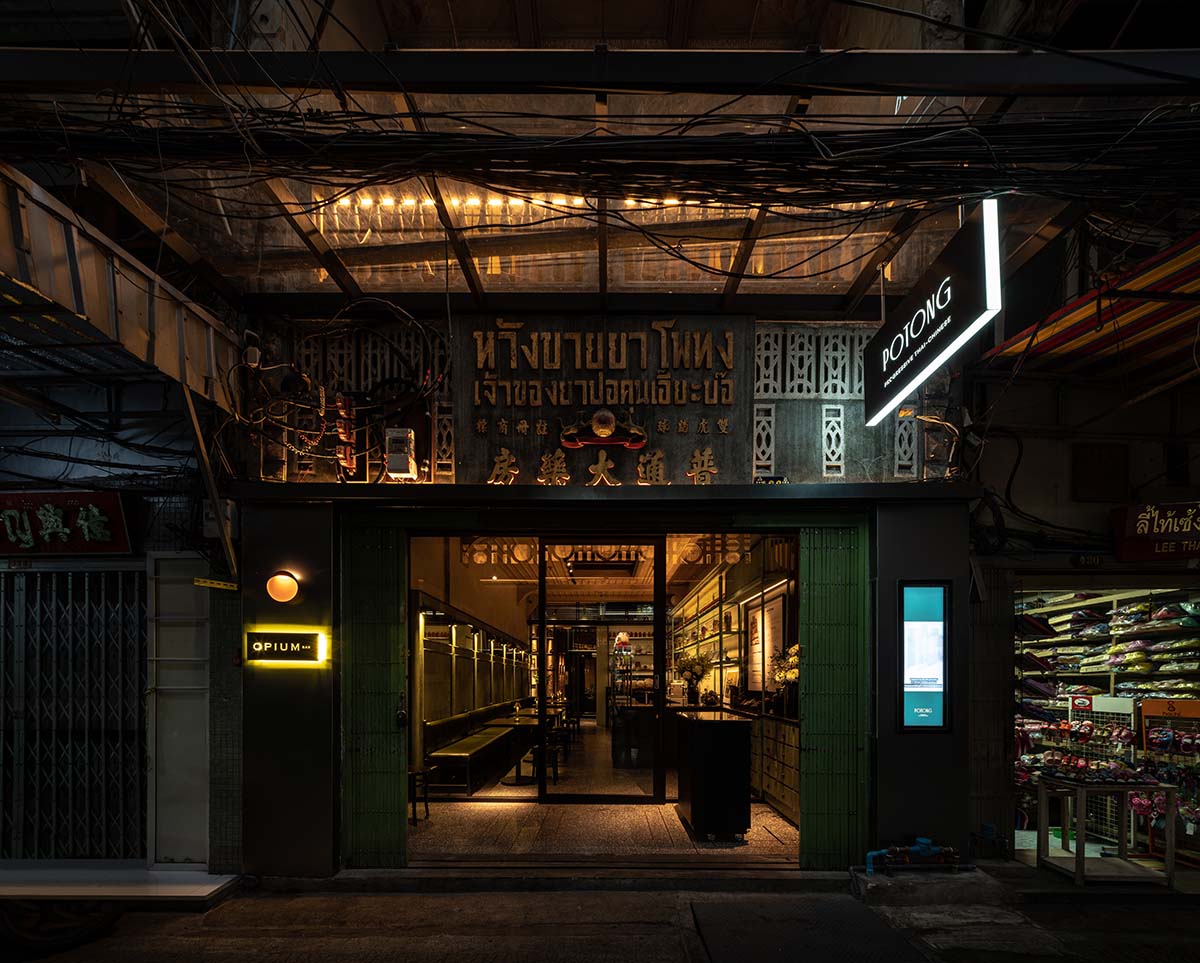
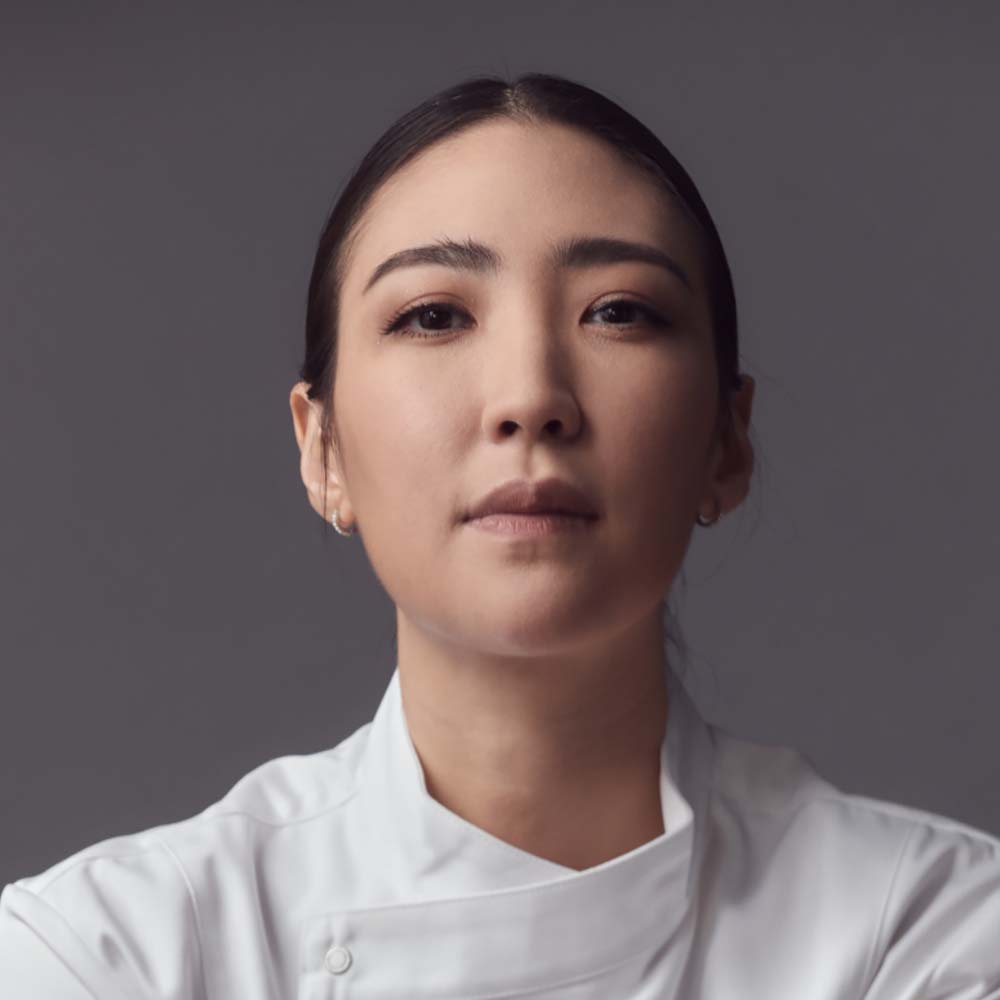
Tucked quietly into one of these historic streets is Potong, the Michelin-starred restaurant that has made Chef Pichaya “Pam” Soontornyanakij one of the most compelling culinary voices in Asia today. The five-story building once served as her family’s Chinese pharmacy, dating back to the 1800s. Today, it stands as a deeply personal expression of heritage, memory, and modern Thai–Chinese cuisine.
Inside, the energy shifts from street-side intensity to calm precision. Angeli, the restaurant manager, welcomed me with warmth and quiet efficiency, guiding me through the evening with the kind of attentiveness that only comes from a team that genuinely believes in what they are building. It quickly became clear that while Potong is Chef Pam’s vision, it is also the collective work of a deeply aligned and long-serving team.
“This building carries the soul of my ancestors,” Chef Pam told me. “I didn’t want to erase that. I wanted to honor it.”
The first two floors once housed a pharmacy and small factory. The upper floors were the family home. For decades, the building was rented out to shoe sellers, like many properties in the area. When the last tenant left in 2019, she saw her moment. The transformation took two years. Old family photographs were preserved. Architectural details were restored and reinterpreted. What emerged was not just a restaurant, but a living archive of family history.
Transforming her ancestral home into a fine-dining restaurant shaped her identity as a chef in profound ways. “It forced me to be honest about who I am and where I come from,” she said. “This place is my backbone. It’s my dream project.”
“When I built Potong, I realized I had patterns in how I created dishes. Every menu I make, I’m thinking about these five things, whether consciously or not. That became our philosophy.”
Chef Pichaya “Pam” Soontornyanakij

Chef Pam describes her cuisine as progressive Thai–Chinese – a term that reflects both history and evolution. Thai–Chinese food, she explains, is everywhere in Thailand, yet rarely labeled as such. It has been part of Thai culture for more than two centuries, quietly evolving through generations of migration and adaptation.
“People don’t really distinguish it anymore,” she said. “But there are words, techniques, and dishes that clearly come from Chinese roots. I wanted to highlight that category, but in my own way.”
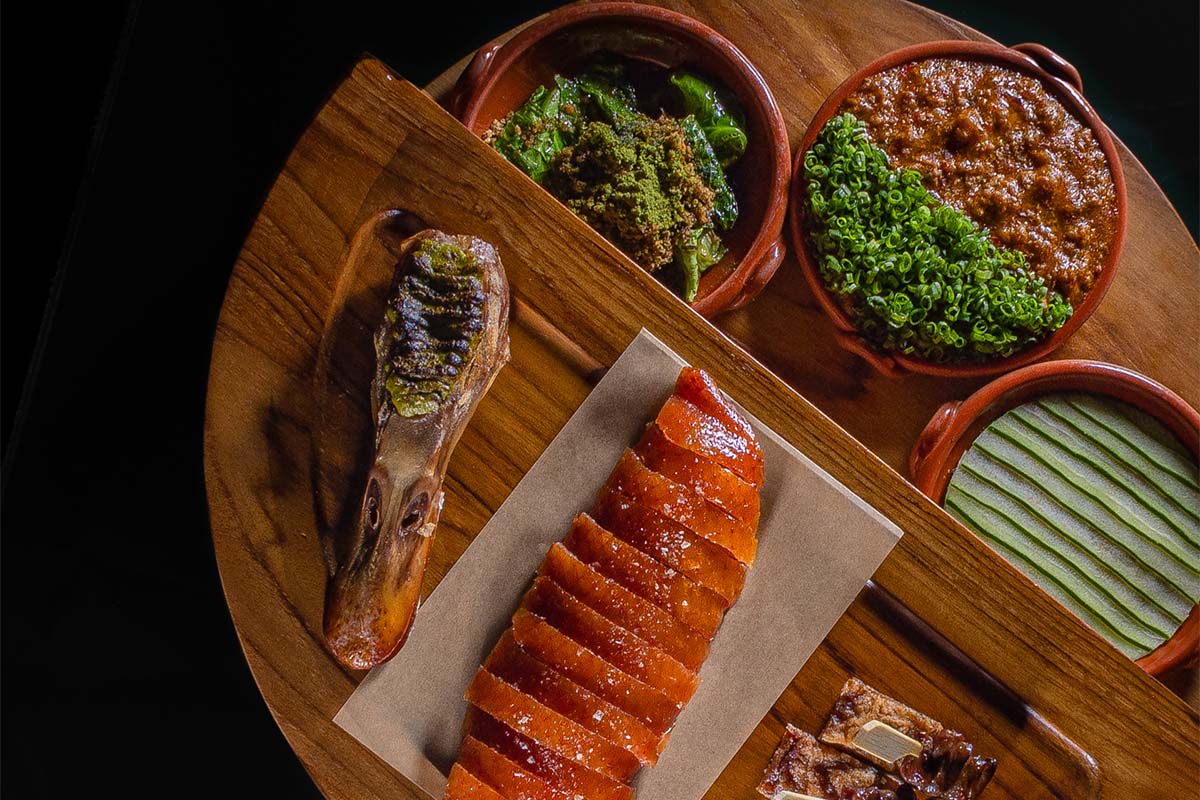
Braised meats, herbal soups, slow-roasted duck, soy-based sauces, preserved vegetables and layered broths form the emotional foundation of her cooking. At Potong, they are reimagined through modern technique and storytelling. Her most iconic dish – the duck – has been on the menu since day one and will never leave.
“That dish took me the longest to develop,” she said. “Every restaurant needs a signature. Something with soul. Not too modern. Not too avant-garde. Something people can return for.”
Her cuisine is guided by a five-element philosophy: salt, acid, spice, texture, and Maillard reaction. “When I built Potong, I realized I had patterns in how I created dishes,” she explained. “Every menu I make, I’m thinking about these five things, whether consciously or not. That became our philosophy.”
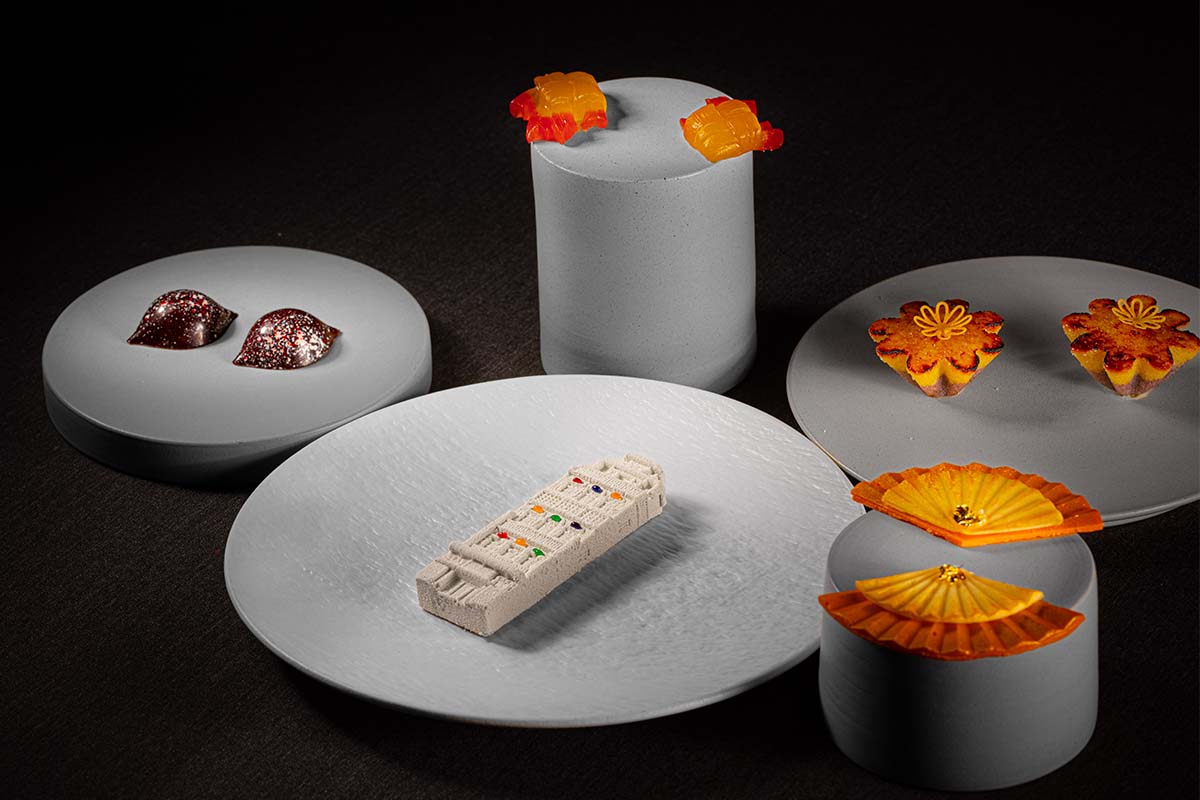
The result is food that is layered yet balanced, deeply flavorful without being heavy, technically refined without losing emotional resonance. That approach earned Potong a Michelin star and international acclaim, culminating in Chef Pam being named World’s Best Female Chef 2025 by The World’s 50 Best Restaurants – the first Asian woman to receive the title.
“At first, I didn’t think I was worth it,” she admitted. “I don’t think I’m the best female chef in the world. But I realized the award isn’t just about talent. It’s about how you carry it, and how you use it to inspire your team and your country.”
In a recent video, she read a letter to her younger self, speaking openly about hardship, failure, and unexpected paths. “I’m very competitive,” she told me. “I love sports. I want to win. When you’re young, you hate losing. But as you grow older, you realize you have to lose some and win some. And when you lose, you learn something. That’s what you gain from losing.”
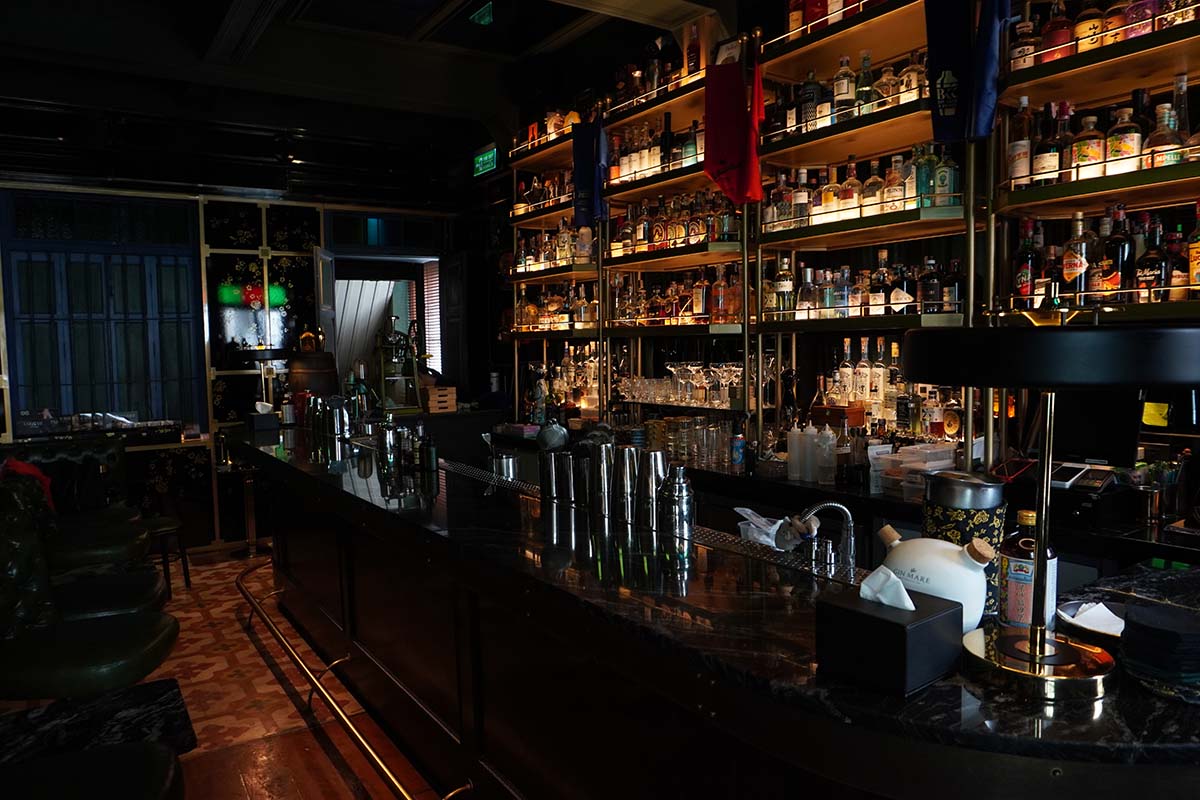
That philosophy extends beyond Potong into The X Project, the umbrella under which she and her husband develop story-driven restaurant concepts. What began as a creative platform has evolved into a leadership incubator.
“At first, it was about creating different concepts with meaning,” she said. “Now, new projects usually come from wanting to grow someone in the team.”
With more than 60 staff, many with her for over a decade, each new concept becomes an opportunity for team members to step into leadership roles. For Chef Pam, expansion is not about empire-building. It is about people-building.
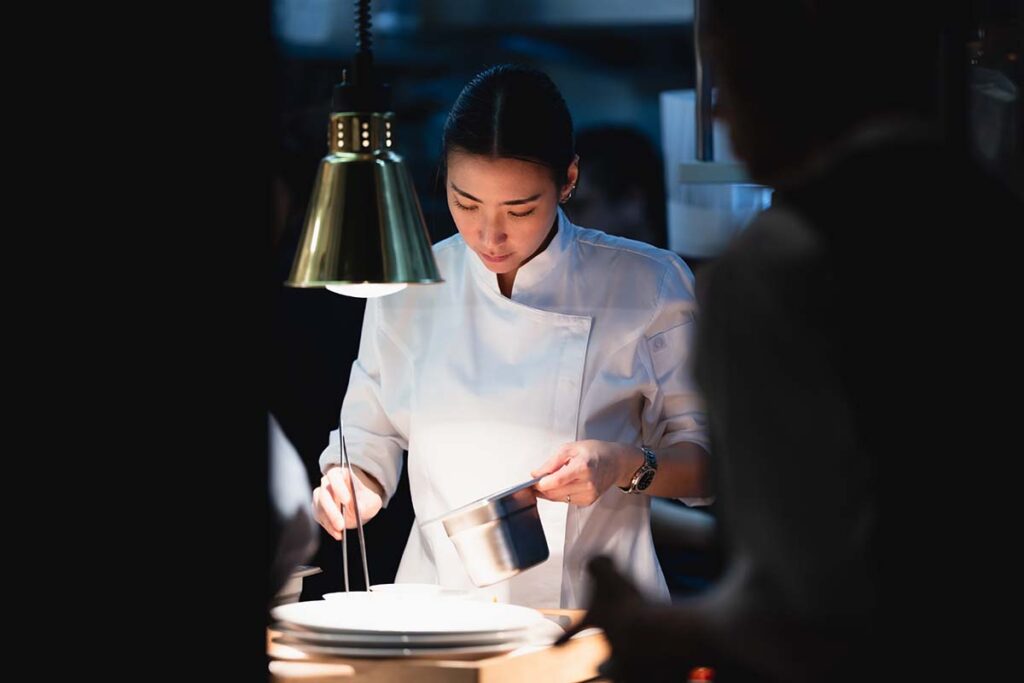
Her food resonates strongly with Japanese and other Asian guests, and it’s easy to see why. “Asian food is very layered,” she said. “It’s not just one dominant seasoning. You often have salty, sour, sweet, and spicy all in one dish.”
For her, cuisine is a cultural bridge, connecting Thai–Chinese heritage with modern global diners. She also confessed her deep love for Japanese food and culture. Japan is the country she visits most, at least once a year. “I love the food, the vibe, the culture. You can find good food everywhere, even very late at night,” she said. In Bangkok, she counts Filets Bangkok, the omakase restaurant by chef-owner Chaichat “Randy” Noprapa, as one of her recent favorites.
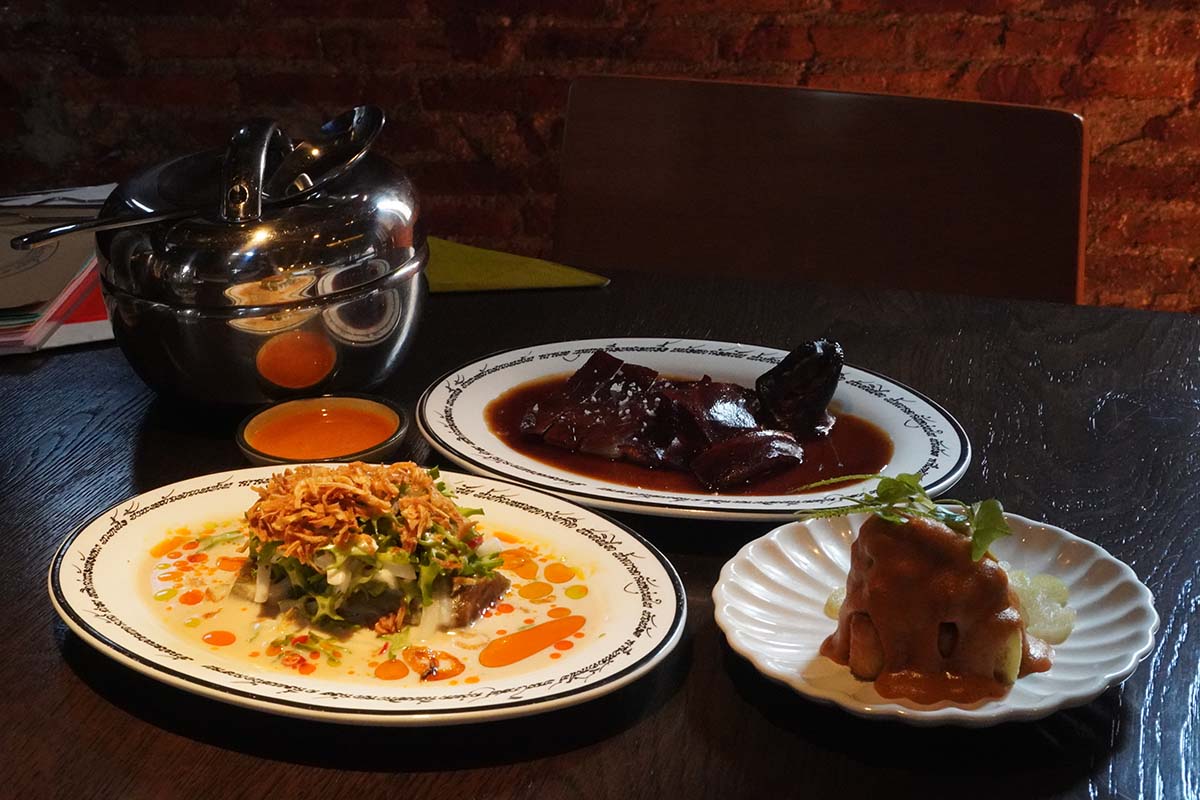
The following day, I visited Khao San Sek, one of the newest concepts under The X Project and a completely different expression of her culinary philosophy. Here, Thai cuisine is reinterpreted through sacred ingredients that symbolize the country’s culinary essence: rice, fish sauce, chili, palm sugar, and coconut.
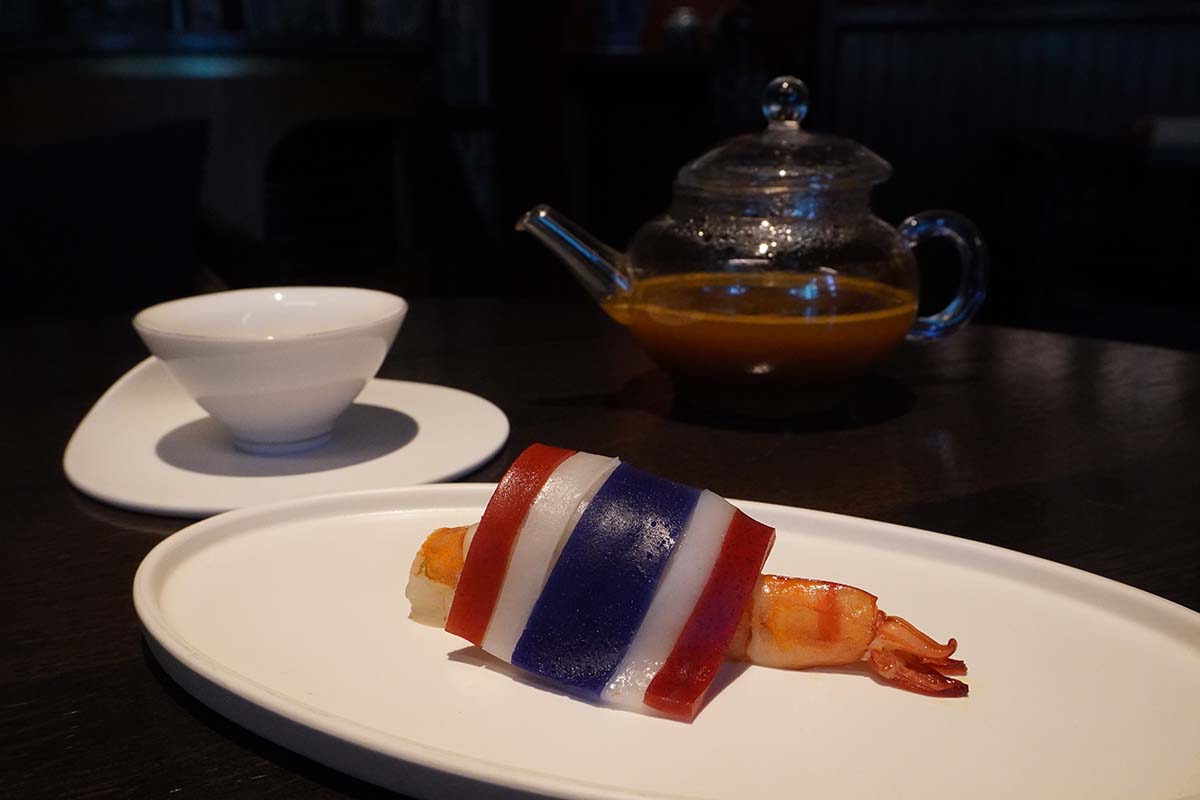
I tried dishes across several of the mini-menus – something centered on rice, something from the fish sauce menu, something built around palm sugar. The flavors were bold yet precise. Textures were immaculate. The rice was cooked perfectly. Skins stayed impossibly crisp. Sauces were layered and deeply aromatic. It felt playful, modern, and deeply Thai all at once.
Walking back into the streets of Chinatown that evening, I realized that Chef Pam is doing something far larger than running a successful restaurant group. She is quietly showing how cuisine can bridge cultures – honoring heritage while embracing modernity, and celebrating the best qualities of different traditions through a shared language of flavor, craft, and hospitality.
And in Yaowarat, amid incense smoke and sizzling woks, Chef Pam’s story continues to unfold—beautifully, deliberately, and with extraordinary flavor.
www.restaurantpotong.com
www.thexprojectbkk.com
www.khaosansek.com