
Is this the delicious new comfort food trend everyone’s been waiting for? Yes, it is!
In the Philippines, food culture has always been at the heart of family life, and recently, there’s been an exciting trend emerging on dining tables across the country: homestyle Japanese cuisine. Gone are the days when sushi and sashimi, often regarded as more culinary high-brow dishes, monopolized the Japanese food scene—although those will always have a beloved spot on the mouthwatering foodie menu. Now, it’s all about comfort food—think: cozy bowls of donburi, savory bento boxes, hearty yakitori, teishoku sets, and sizzling teppanyaki meals. Whether grabbing a quick lunch or enjoying a full dinner, more and more Filipinos are turning to the comfort and simplicity of Japan’s everyday dishes.
What makes homestyle Japanese meals so irresistible?
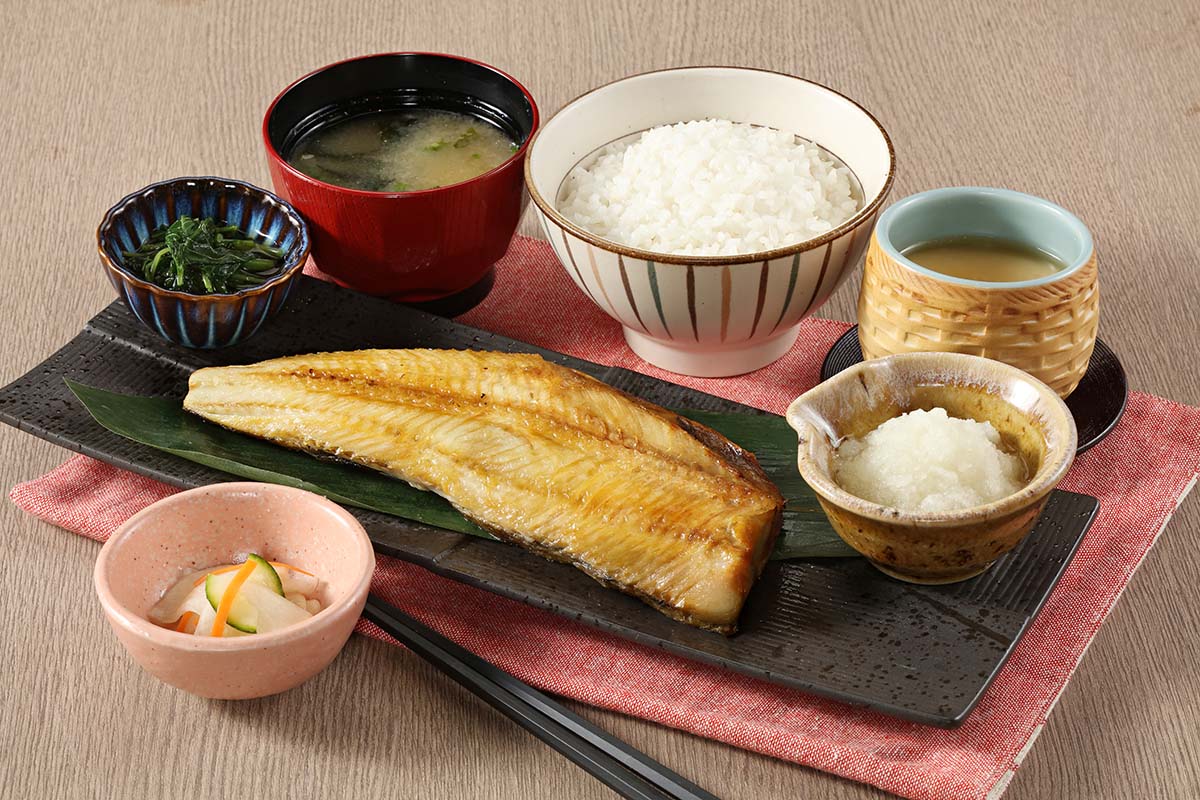
So why exactly are homestyle Japanese meals becoming a hit in the Philippines? It’s simple. The Japanese approach to food—easy, balanced, and flavorful—resonates with Filipino tastes. Japanese comfort food, like katsudon (breaded pork cutlet over rice) or oyakodon (chicken and egg over rice), is all about warmth and nostalgia, much like Pinoy comfort dishes like adobo or sinigang. These dishes speak to a universal desire for home-cooked meals that feel familiar and satisfying. Plus, with the rise of health-consciousness, many homestyle Japanese dishes align with the Philippines’ growing interest in lighter, healthier options. A typical Japanese meal balances protein, carbs, and vegetables in a way that’s not too heavy—perfect for the busy, on-the-go lifestyle that Filipinos have embraced. Think miso soup, fresh maki rolls, or grilled fish like mackarel—light, nutritious, and packed with flavor.
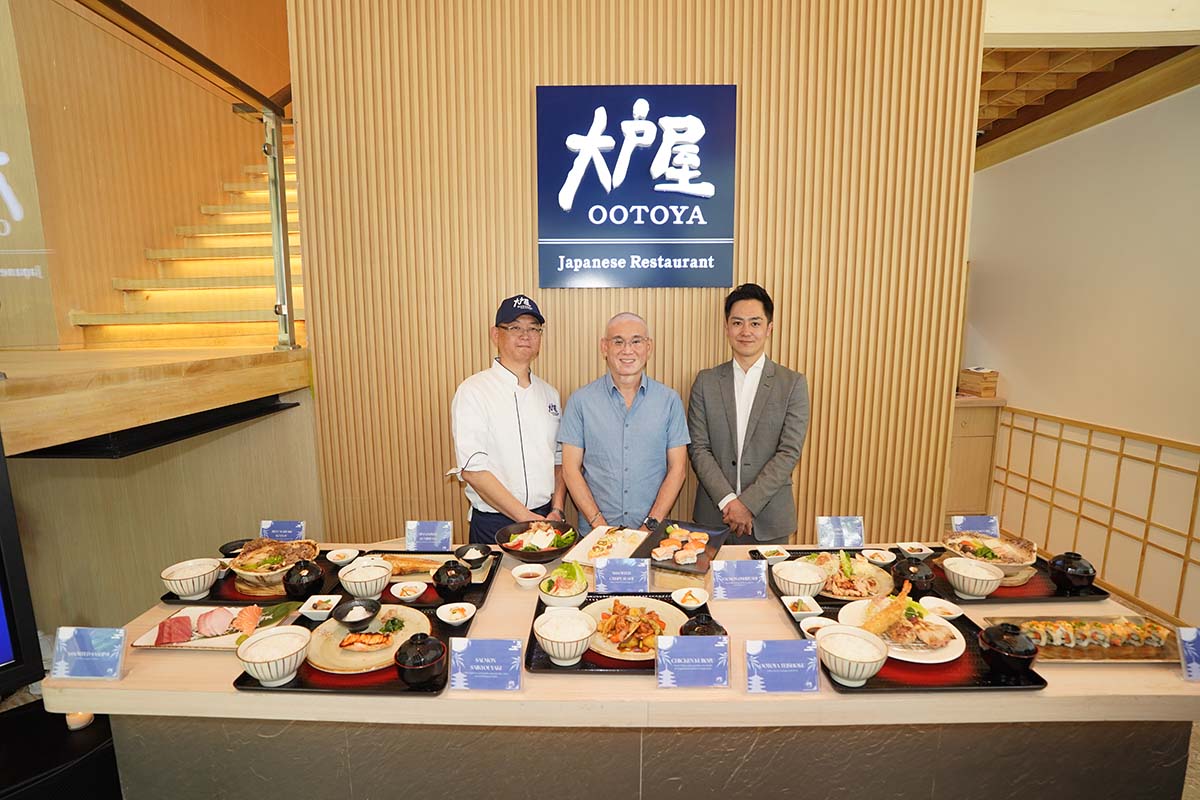
A case in point: OOTAYA’s arrival in the Philippines
To see this trend in action, take a look at OOTAYA, the iconic Japanese brand known for its homestyle dining. Opening its first branch in Bonifacio Global City (BGC), in partnership withPhilippine-based Federal Brent Retail, in February 2026, OOTAYA is bringing a slice of Japan’s everyday comfort food to Manila. Founded in Tokyo in 1958, OOTAYA is celebrated for its washoku—traditional Japanese home-cooked meals served as balanced, nourishing sets (teishoku), including a main protein, rice, miso soup, and seasonal side dishes.
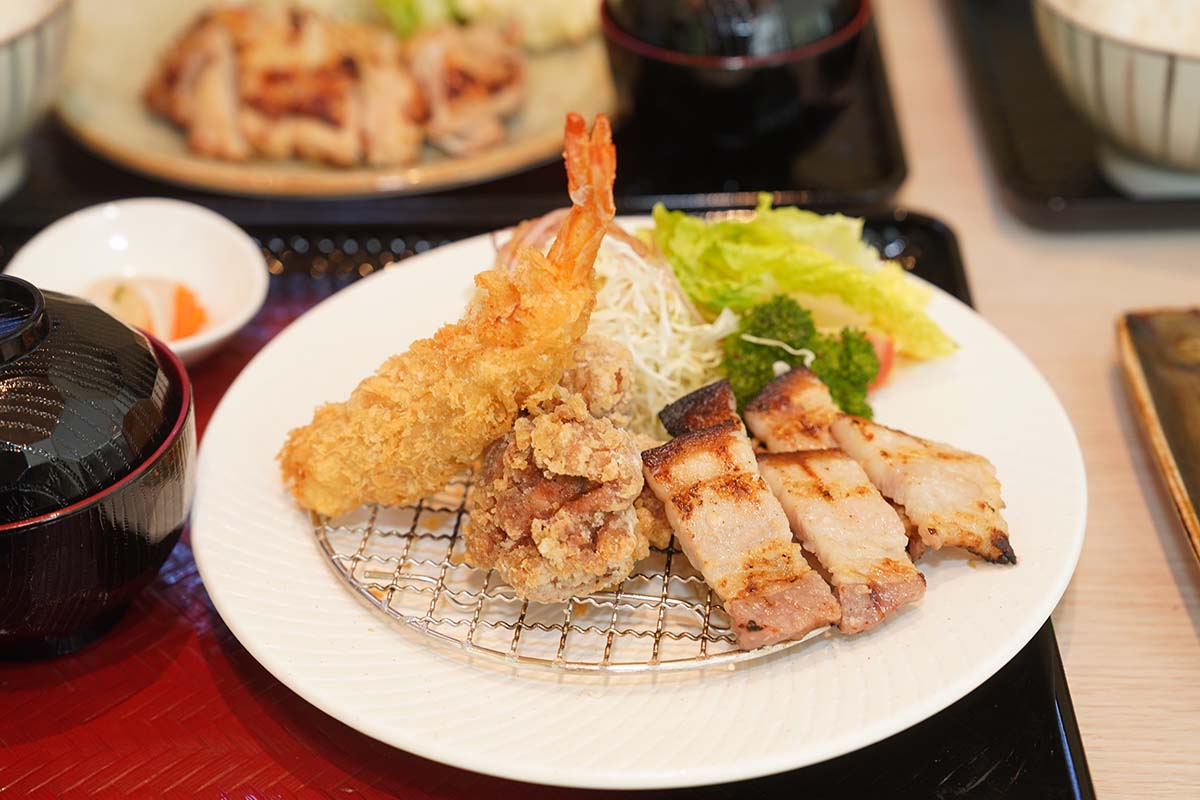
This dedication to wholesome, balanced meals is exactly what appeals to the Filipino palate, especially as more diners seek out food that is both nutritious and delicious. OOTAYA’s signature offerings, like their grilled fish or demi-glace chicken cutlet, emphasize freshness and simplicity—traits that align perfectly with the local appetite for meals that are satisfying and filling without being too heavy. With OOTAYA now in BGC, Filipino diners can experience the comfort and warmth of a Japanese home-cooked meal, without leaving the city. Their carefully prepared dishes, featuring premium ingredients (many of which are sourced from Japan), offer a glimpse into the heart of Japanese food culture—food that nourishes the body and soul.
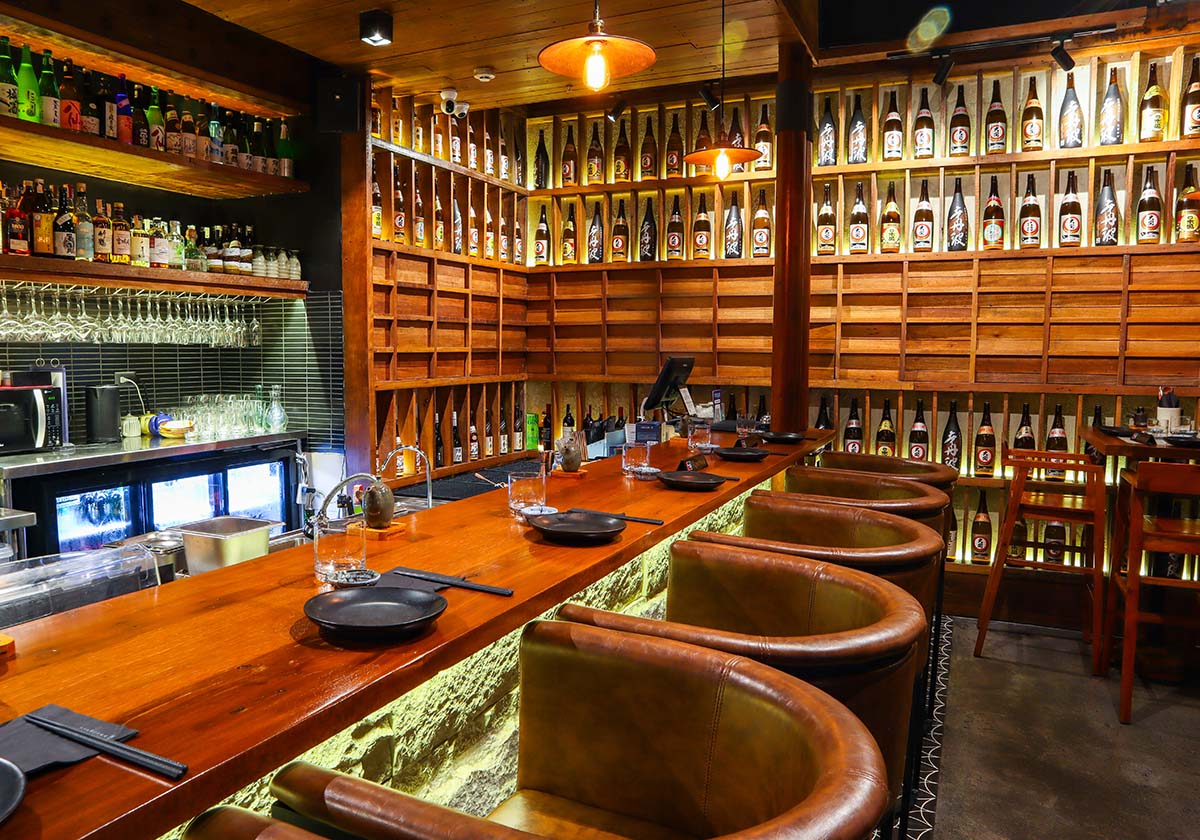
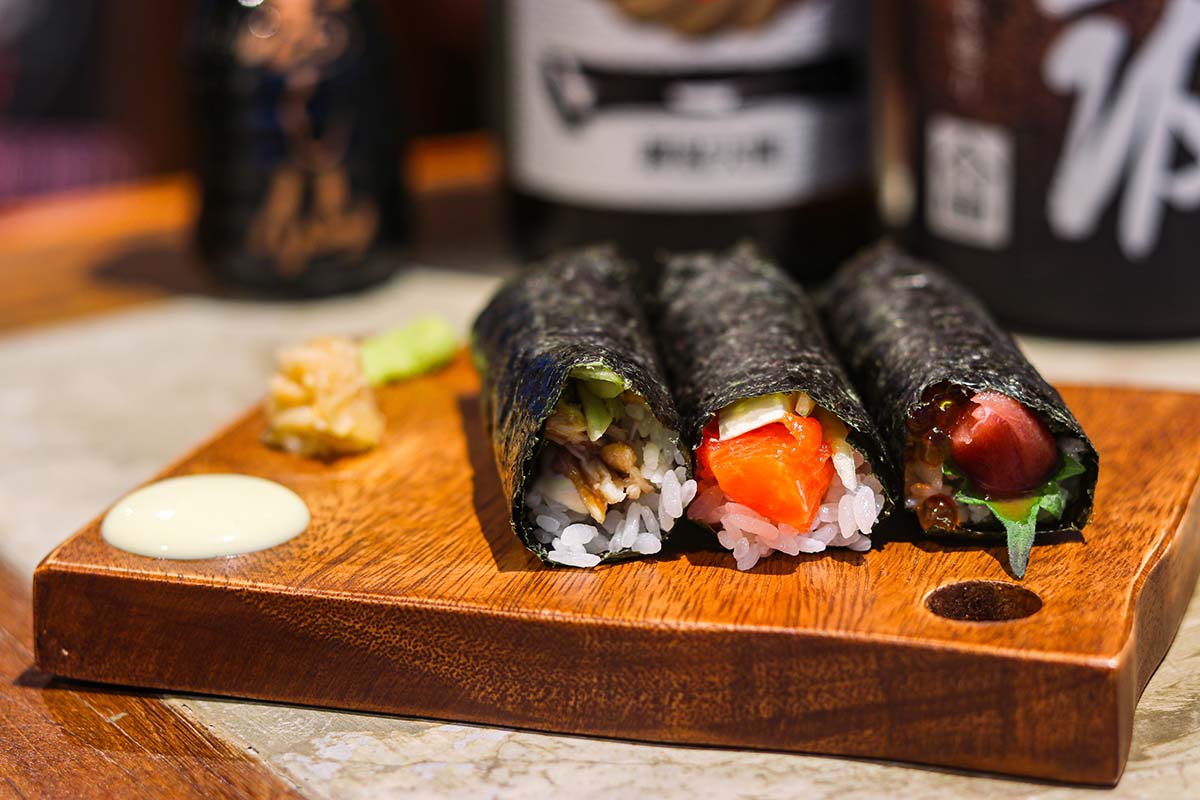
Izakayas are the new hangout spot—have you tried one yet?
If you’ve wandered through the bustling streets of Metro Manila, you’ve likely spotted an izakaya, a Japanese pub where people go for casual drinks, sake flights, and homestyle bites. These places are now a big part of Manila’s dining scene, combining the best of Japanese food with the vibrant Filipino nightlife. Izakayas are perfect for those looking to unwind after work, offering a variety of small, sharable plates—ideal for groups. Dishes like yakitori (grilled skewered chicken), agedashi tofu (fried tofu in a savory broth), hand rolls (sushi rolled by hand with rice and seaweed), and tempura (crispy battered shrimp and vegetables) are mainstays. These are not just meals; they’re part of an experience. The informal setting makes it feel like you’re enjoying a laid-back meal at a friend’s house, and the wide variety of flavors keeps things interesting. It’s social dining at its finest.
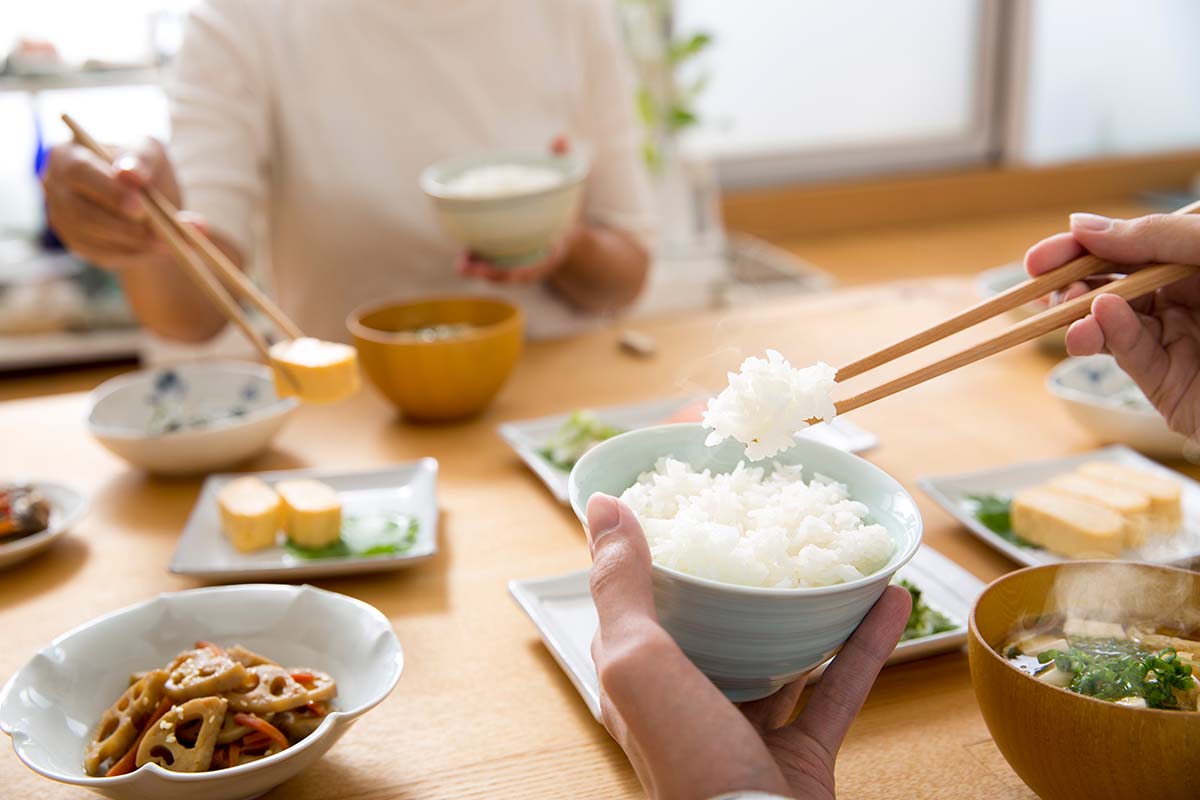
Want to cook homestyle Japanese food at home? Here’s how
Want to bring a little bit of Japan into your kitchen? It’s easier than you think! You don’t need to be a master chef to cook up some of these homestyle dishes. A few pantry staples are all you need to get started.
- Stock up on essentials: Soy sauce, mirin (sweet rice wine), miso paste, rice vinegar, and dashi (a type of broth) are the building blocks of many Japanese dishes. These ingredients are readily available in local supermarkets, and once you have them, you’re halfway to making a great meal.
- Don’t underestimate rice: Rice is the heart of a homestyle Japanese meal. It’s not just a side—it’s often the base of the dish. Invest in a good rice cooker and stick to short-grain rice for the perfect texture. Japanese rice has a sticky quality that holds together beautifully, making it ideal for donburi or sushi.
- Simple is best: Japanese meals are often simple but flavorful. Don’t overcomplicate things. A basic miso soup is made with dashi, miso paste, and tofu, but it’s a comforting and satisfying meal on its own. Add a side of pickled vegetables or a quick stir-fry, and you’ve got a full meal.
- Master the art of tempura: Making tempura at home might sound intimidating, but it’s easier than you think. The key to crispy tempura is a cold batter (mix cold water with flour, cornstarch, and a little baking soda) and frying at the right temperature. Dip shrimp, veggies, or even mushrooms into the batter, then fry for a few minutes until golden and crispy. It’s a treat every time!
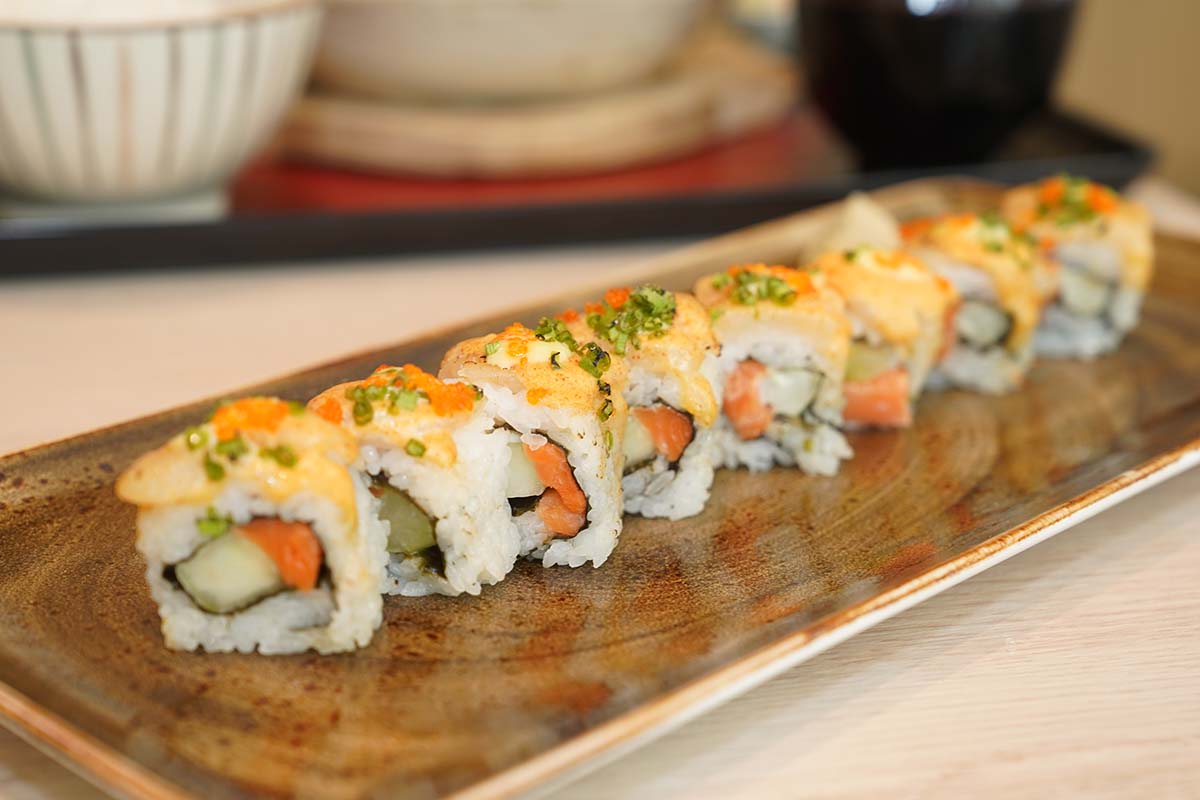
Pop culture made Japanese food mainstream
It’s no surprise that homestyle Japanese cuisine has become a staple in the Philippines, especially with the rise of Japanese pop culture. Anime, J-Pop, and even Japanese fashion have permeated Filipino youth culture, creating an affinity for all things Japan. This cultural wave has naturally spilled over into the food scene, influencing a generation to embrace the flavors and techniques of Japanese cooking.
Movies like Your Name and The Ramen Girl (which shows a young woman learning to make ramen from scratch) have made Japanese food more accessible and intriguing. As a result, people are more likely to try making dishes themselves or visit local Japanese restaurants to recreate the experience. The curiosity sparked by these media has turned into a full-blown love affair with Japanese comfort food.
Whether grabbing a quick lunch or enjoying a full dinner, more and more Filipinos are turning to the comfort and simplicity of Japan’s everyday dishes.
The Japan-Philippines fusion—cooking up something unique
What’s even more interesting is how Japan and the Philippines have influenced each other’s food cultures. Take the beloved Japanese bento box, for example. It’s often filled with rice, vegetables, and fish or meat, and it’s served in a compact, easy-to-carry container. In the Philippines, the concept of a packed meal resonates deeply, whether it’s a classic “baon” for school or the modern take on lunch boxes in office cafeterias.
There’s also the growing trend of katsu sandwiches and Japanese-inspired Filipino dishes like “Tonkotsu Adobo Ramen” or “Sushi Sisig.” This fusion brings the best of both worlds together—Japanese techniques paired with Filipino bold flavors. The intersection of these two cultures is a reflection of the globalized food scene where culinary borders continue to blur.
Homestyle Japanese food isn’t just a phase
As Filipino tastes evolve and diversify, there’s no slowing down the popularity of homestyle Japanese food. Whether it’s fast-casual spots in bustling cities or home-cooked meals shared over family tables, these dishes offer a fresh perspective on what it means to be truly satisfied. The beauty of homestyle Japanese food is in its simplicity and versatility—there’s something for everyone.
If you haven’t yet embraced this trend, now’s the time to dig into a warm bowl of oyakodon or get your hands on a plate of crispy tonkatsu. It’s not just about food; it’s about creating experiences and memories over simple, delicious meals. Japan’s homestyle food has officially found its home in the Philippines—and it’s here to stay.