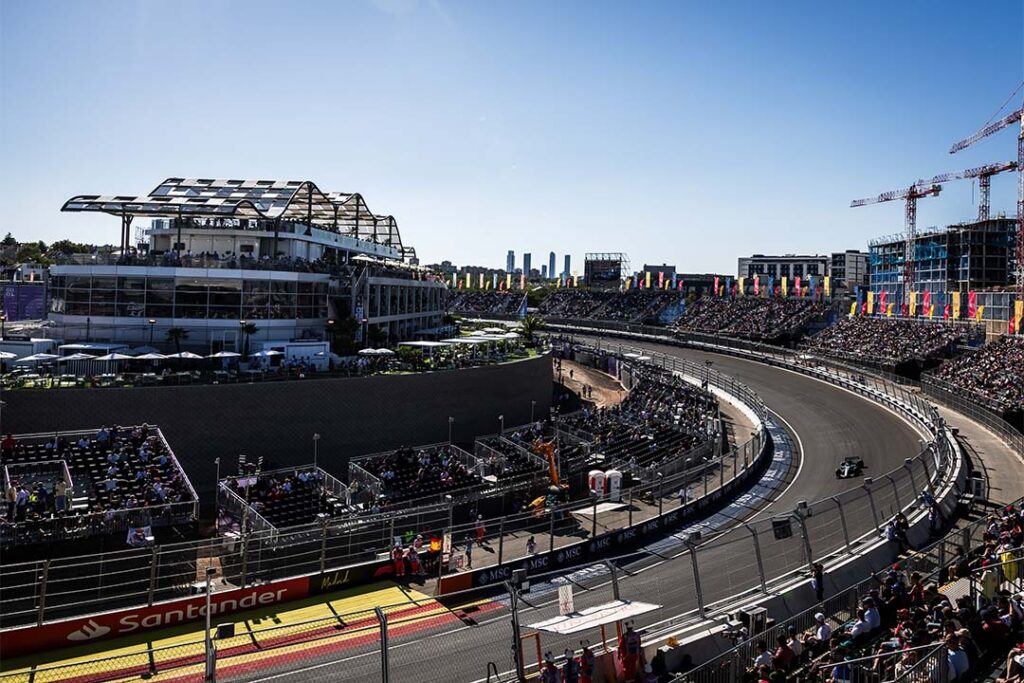

A bold new era on the grid: sweeping rule changes, global talent, and a reset that could redefine who dominates Formula 1.
Formula 1 evolves every season, but it rarely resets like this.
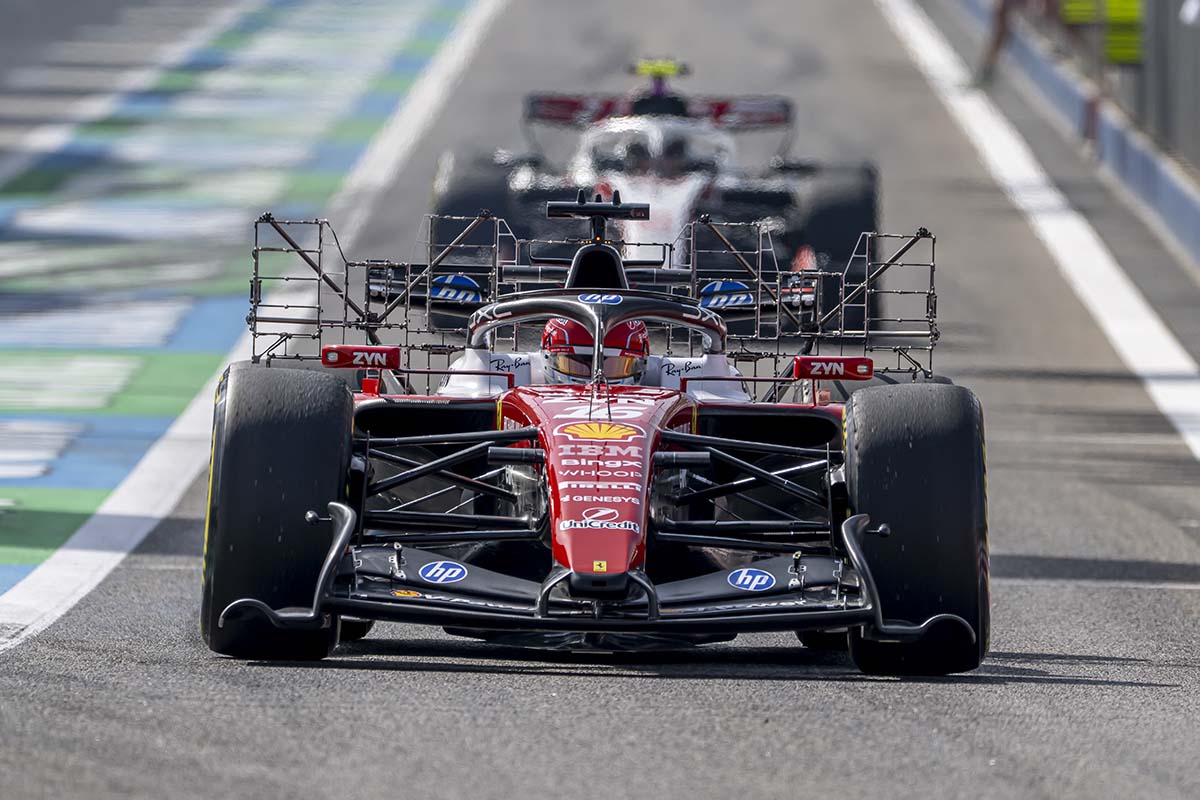
The 2026 season marks one of the most dramatic turning points in modern F1 history, with sweeping technical regulation changes arriving alongside major shifts across the grid. A new team joins the championship, manufacturers reposition themselves within the sport, veteran drivers make their return, and a rookie steps into the spotlight. Honda re-enters the engine conversation, while Toyota Gazoo Racing arrives as a title sponsor through its motorsport and research division.
For the first time in over a decade, Formula One is fundamentally rewriting how its cars behave, how they generate power, and how they race.
Taken together, these developments signal more than the start of another championship campaign. They mark the beginning of a new era for Formula 1.
Meet the grid: eleven teams, one arena
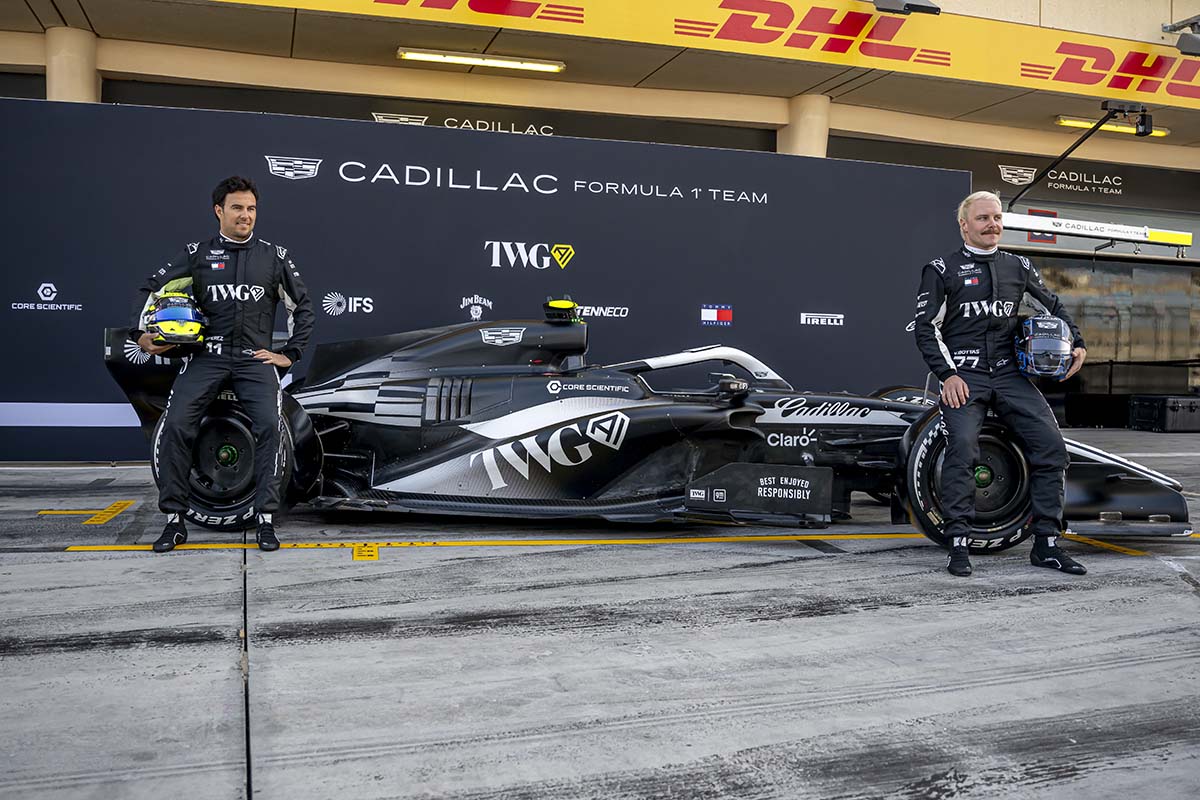
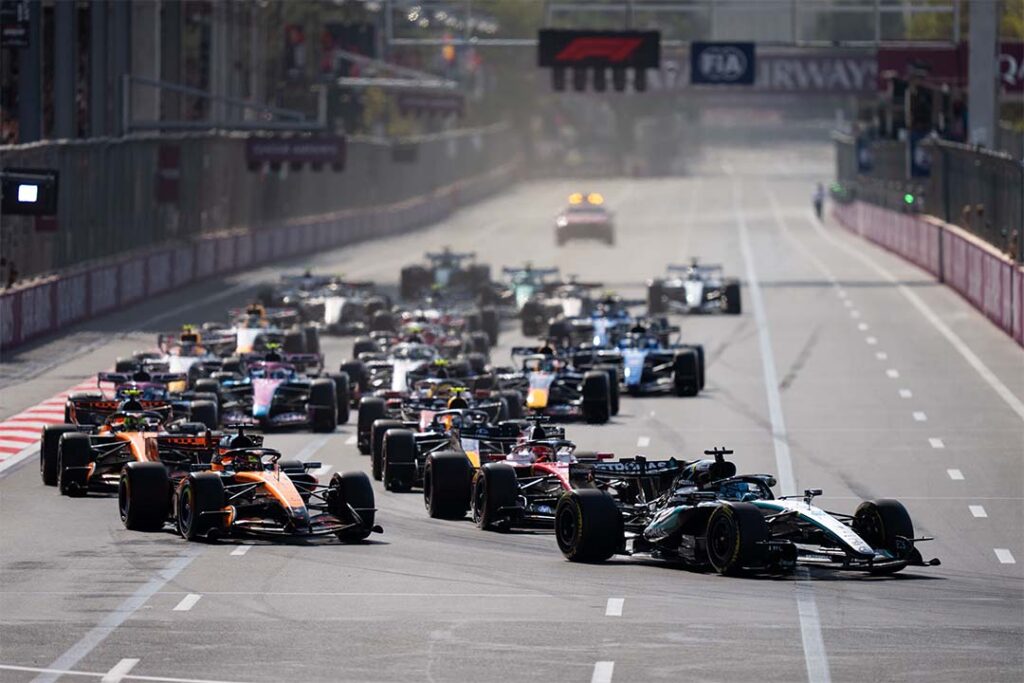
For the first time since 2016, Formula 1 expands to eleven teams, making the paddock feel more diverse and global. This season, there are 13 different nationalities behind the wheel, and six unique national identities among the teams. Cadillac joins the grid, with Valtteri Bottas and Sergio “Checo” Pérez behind the wheel — a mix of Finnish precision and Mexican flair. Audi takes over Sauber, keeping Nico Hülkenberg and Gabriel Bortoleto, a blend of German engineering and Brazilian energy.
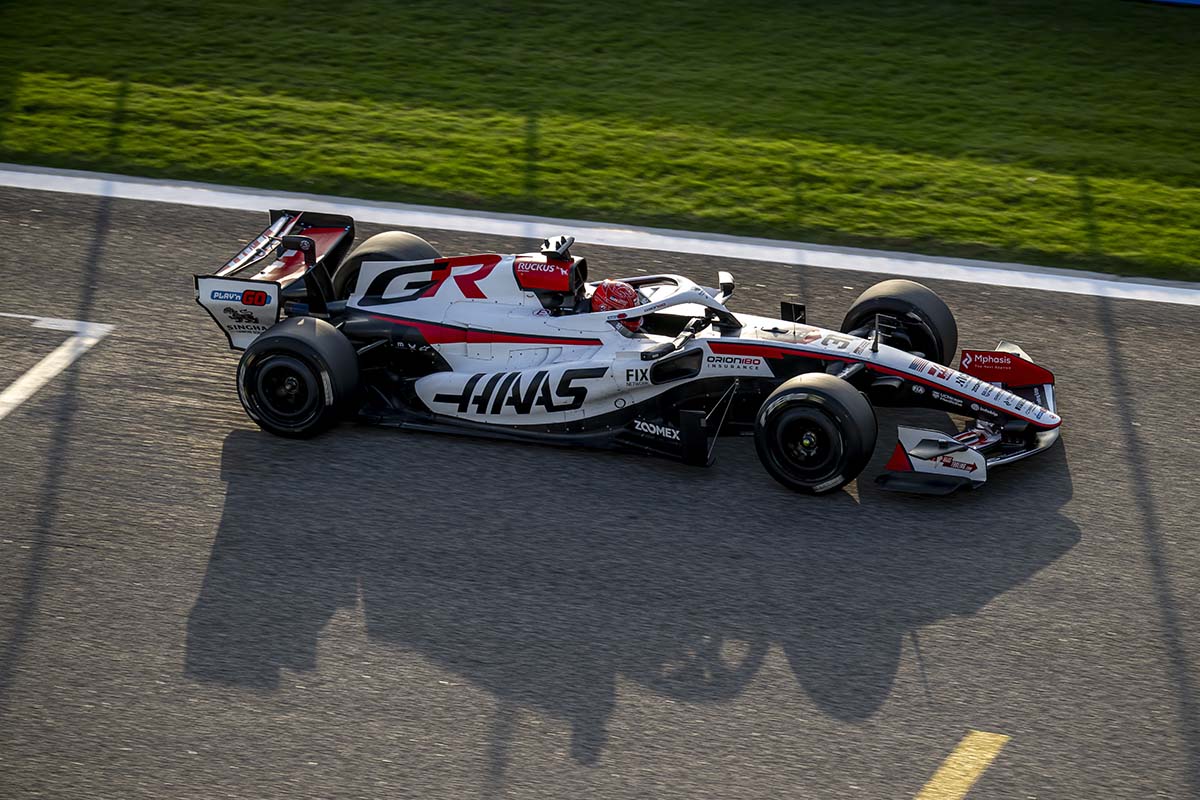
At Racing Bulls, Arvid Lindblad joins Liam Lawson, signaling F1’s younger, broader talent pool. Toyota Gazoo Racing teams up with Haas, and Esteban Ocon and Oliver Bearman represent the fusion of American and Japanese tech. Meanwhile, Honda returns, powering Aston Martin with Fernando Alonso and Lance Stroll, blending British chassis with Japanese power.
Elsewhere on the grid, teams continue to blend heritage and innovation.
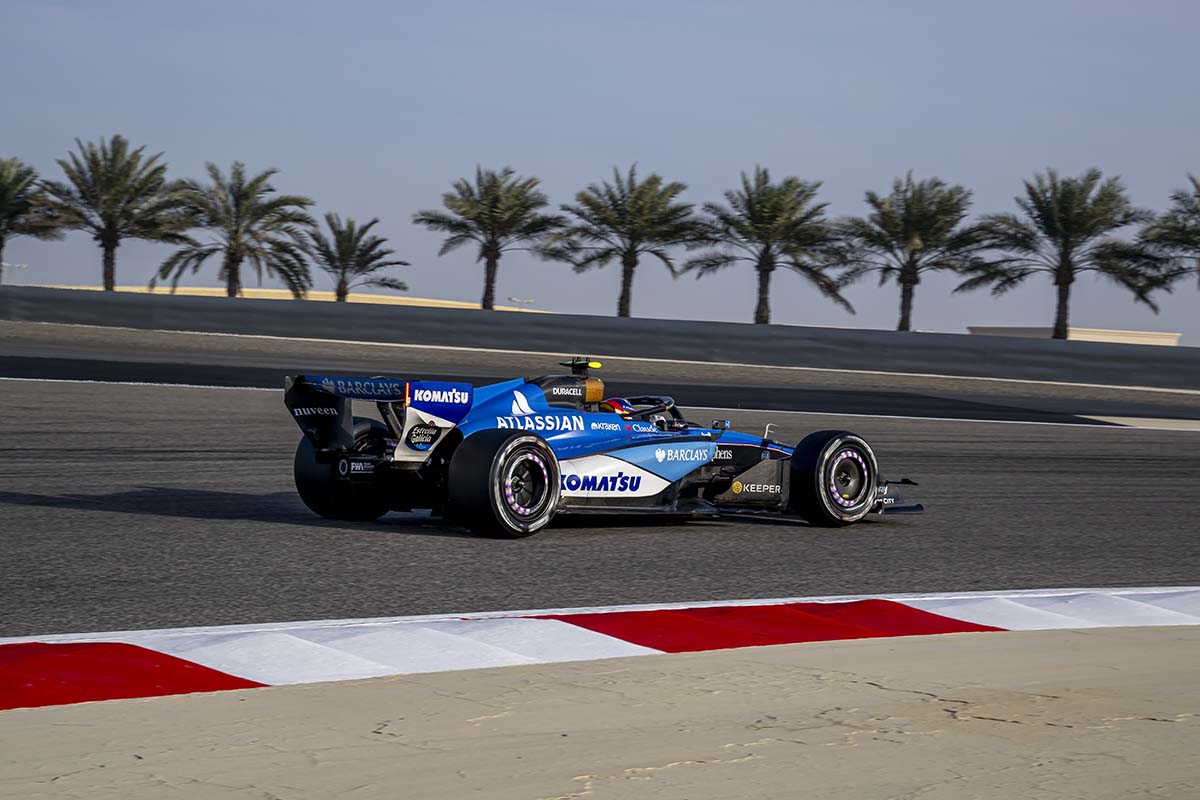
Atlassian Williams Racing, with Komatsu as their Principal Partner, strengthens ties with Japan as Carlos Sainz Jr. and Alex Albon continue their campaign. The grid reflects a new global identity, with Alpine switching from Renault to Mercedes engines and Pierre Gasly and Franco Colapinto pushing forward.
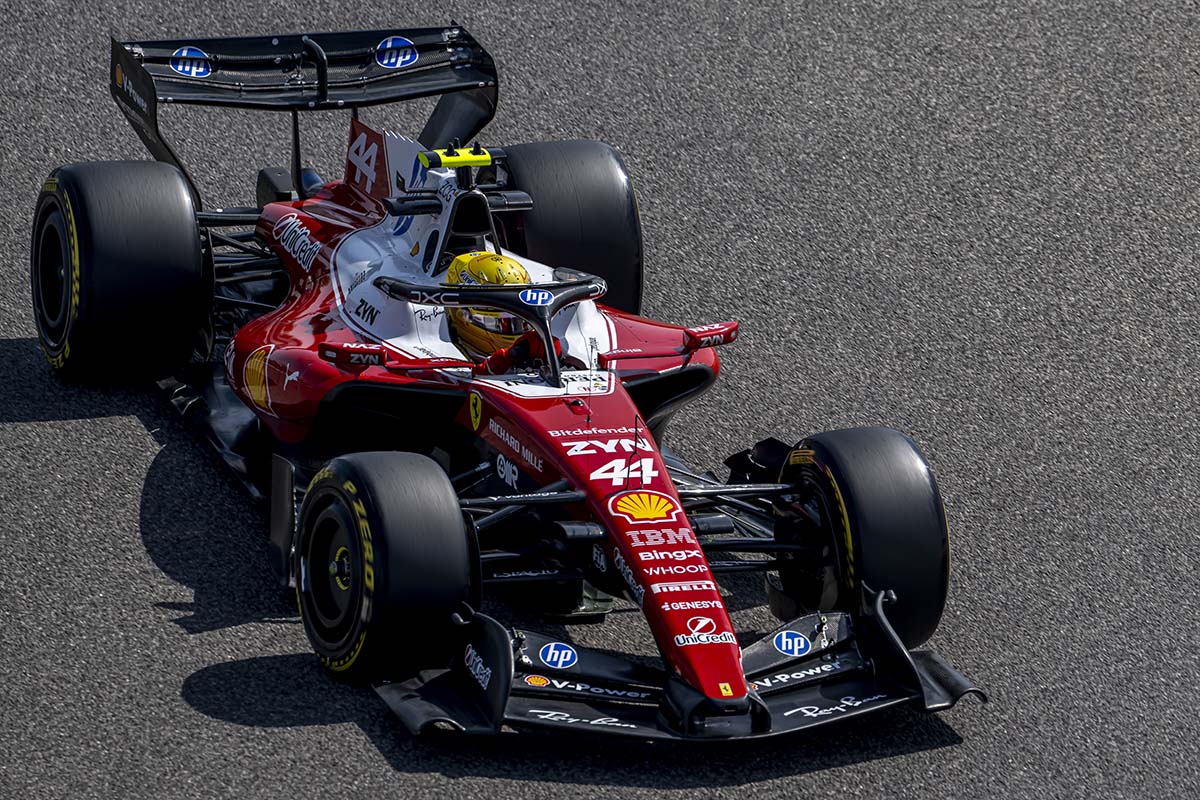
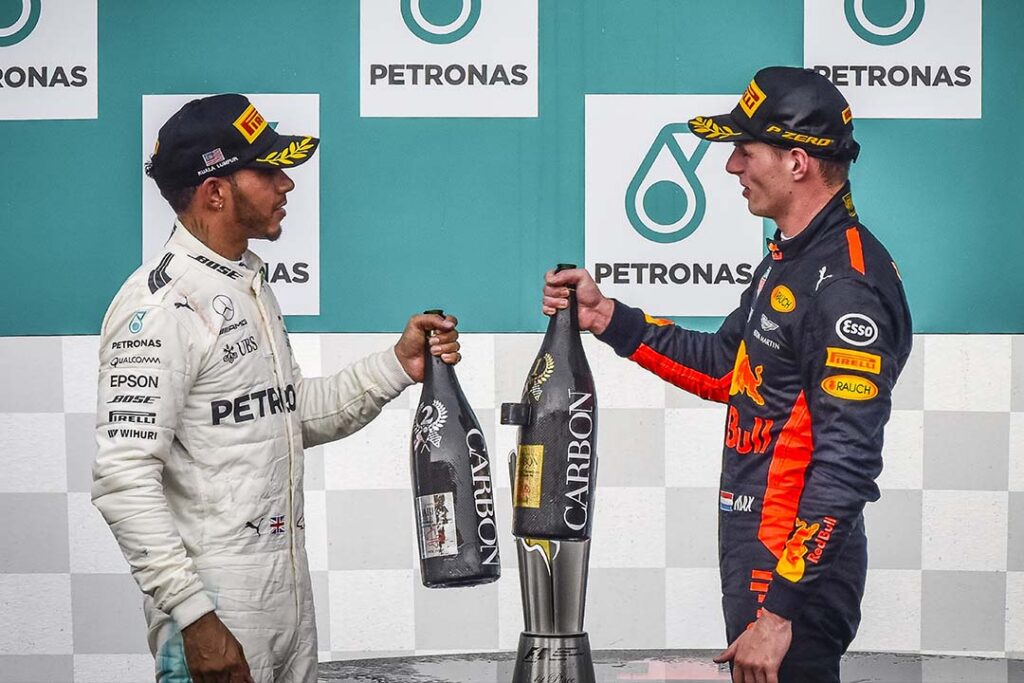
At Mercedes, George Russell and Kimi Antonelli bring youth and polish, while McLaren stays with Lando Norris and Oscar Piastri for a continued British-Australian force. The “Flying Dutchman,” Max Verstappen, now has a new teammate in “Le Petit Prost”, the nickname for French driver Isack Hadjar, who enters his second year in F1 but first with Red Bull Racing. Meanwhile, Ferrari hopes Lewis Hamilton and Charles Leclerc can finally take the title — could this season finally be the year of the prancing horse?
Though nothing is certain in 2026.
The shift in tides
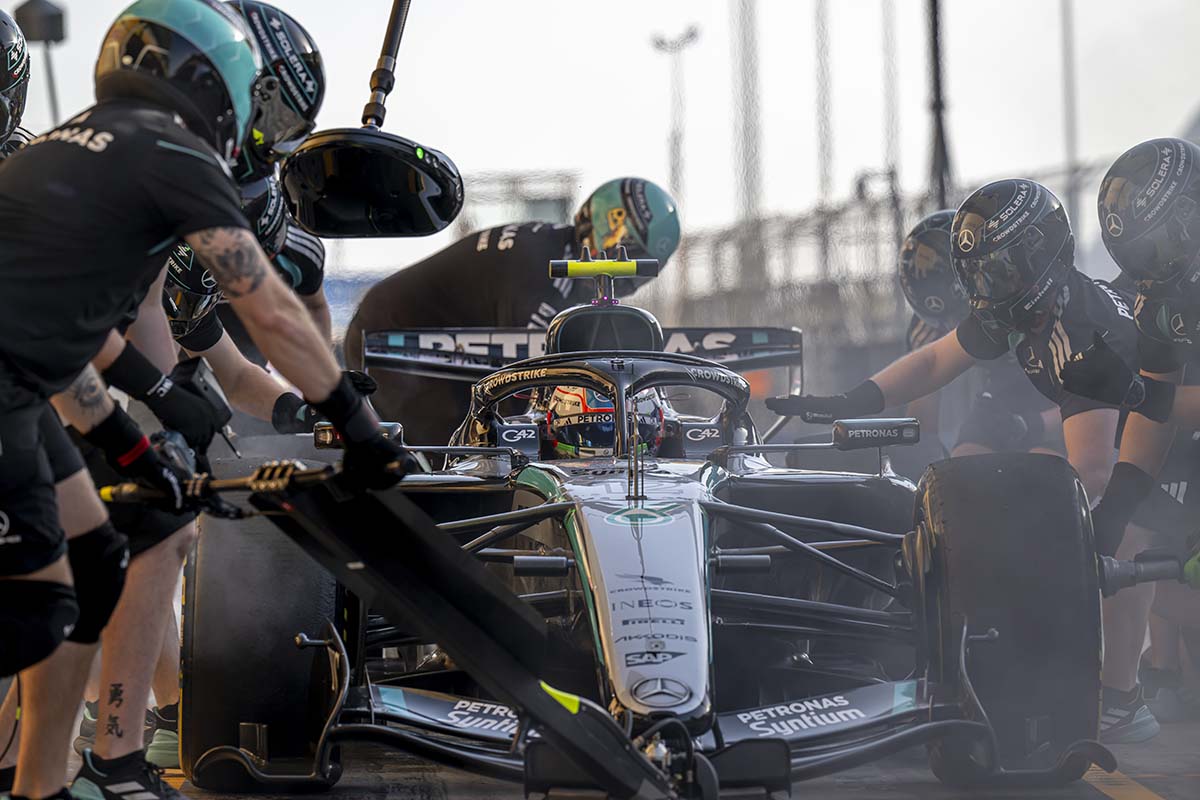
What makes the 2026 season different is not just the driver transfers or the new names appearing on the grid. It’s the rulebook. For the first time in over a decade, Formula One is fundamentally rewriting how its cars behave, how they generate power, and how they race. Changes on this scale have historically reshaped the competitive order. When the regulations shift this dramatically, the hierarchy often shifts with them, and suddenly even the most established assumptions about who will be fastest begin to disappear.
Racing rewired: the 2026 F1 transformation
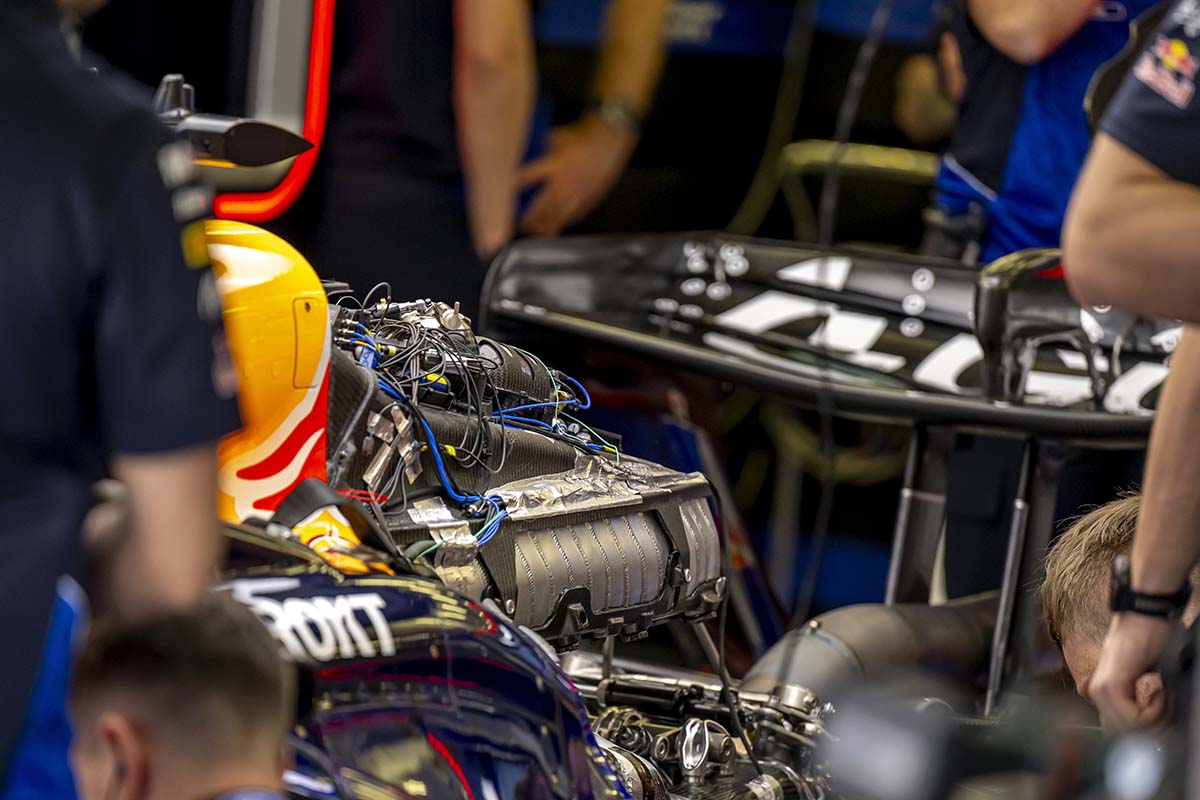
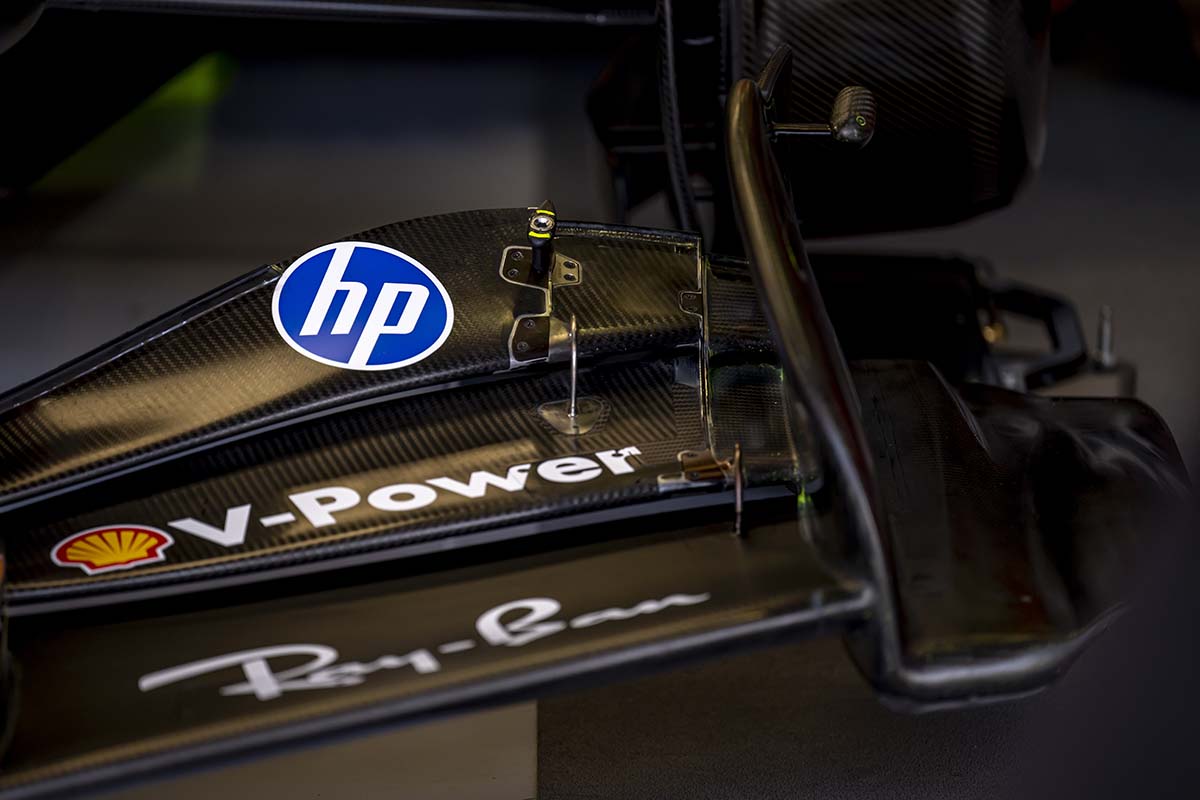
In 2026, Formula 1 is changing in wild ways — ways we’re all still trying to wrap our heads around. But here’s the gist. The cars will now have moving front and rear wings that adjust for corners and straights, making them smarter and more efficient at high speed. Overtaking gets a new twist too: instead of a simple flap opening like before, drivers chasing another car receive extra electric power to help them pass — turning energy management into part of the battle. The engines are shifting to an almost 50/50 split between traditional fuel and electric power, while running on 100% sustainable fuel for the first time. And after years of getting bigger, the cars are becoming smaller and lighter, designed to race more closely again. It’s a technical reset — but also a bridge — connecting old-school combustion to electric innovation, and performance to responsibility.
The race ahead
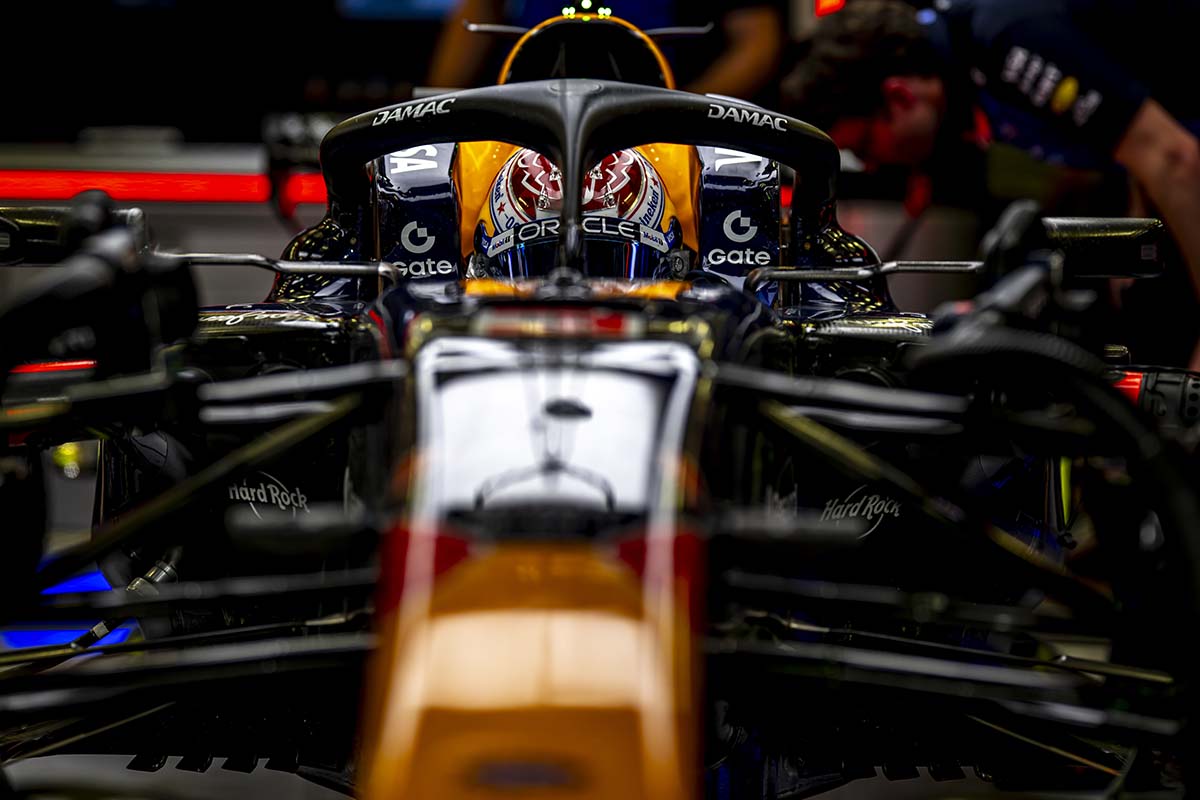
2026 is more than a season; it’s a reset that stretches across continents, teams, and technologies. Japanese, American, and European manufacturers are collaborating in ways we’ve never seen, while drivers from 13 nationalities compete across six distinct team identities. It’s messy, multinational, and deeply human — and that’s the point. The sport is no longer just about speed; it’s about adaptability, collaboration, and innovation. Anyone could rise, any team could lead, and every lap will be a reminder of why we watch — the machines, the skill, and the relentless chase for the checkered flag.