
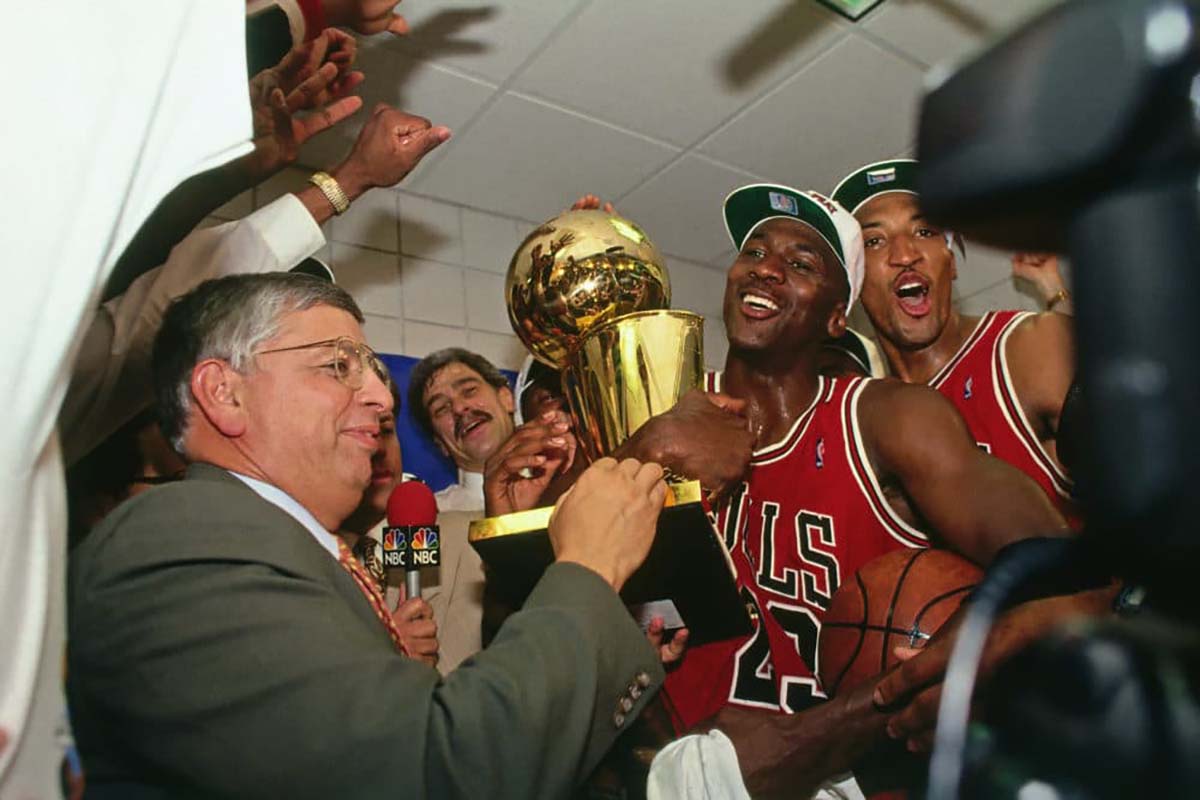
Yes — that Michael Jordan. The six-time NBA champion. The GOAT. The standard.
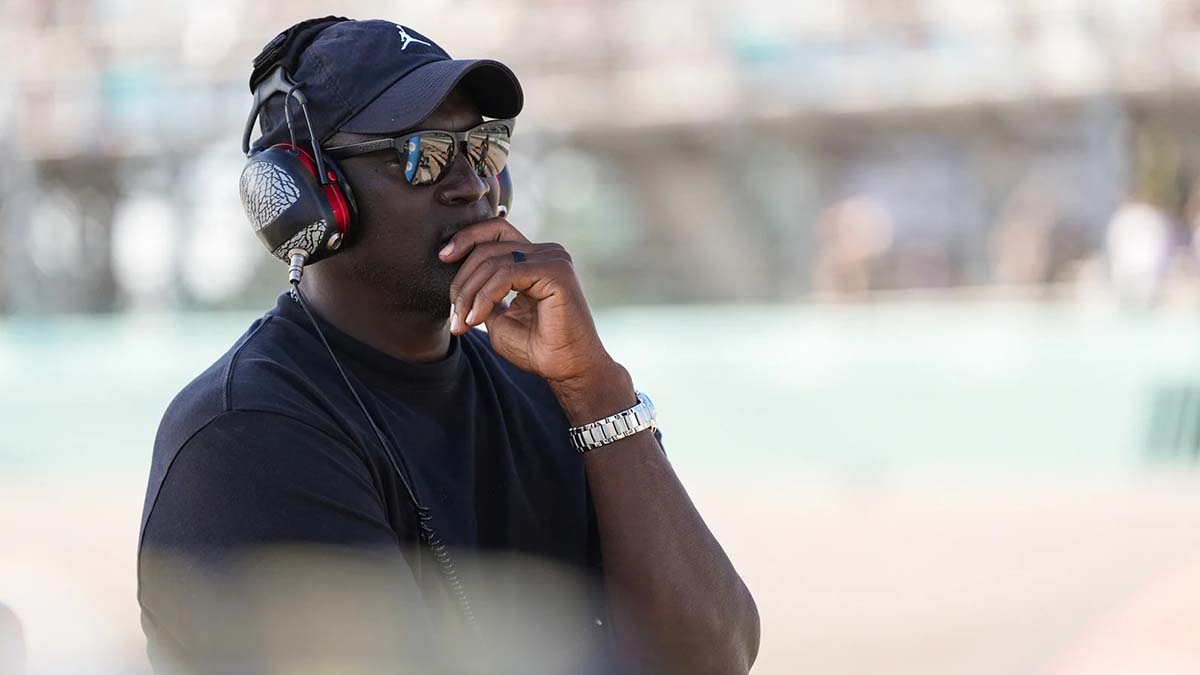
He’s a NASCAR team owner. And now he owns a Daytona 500.
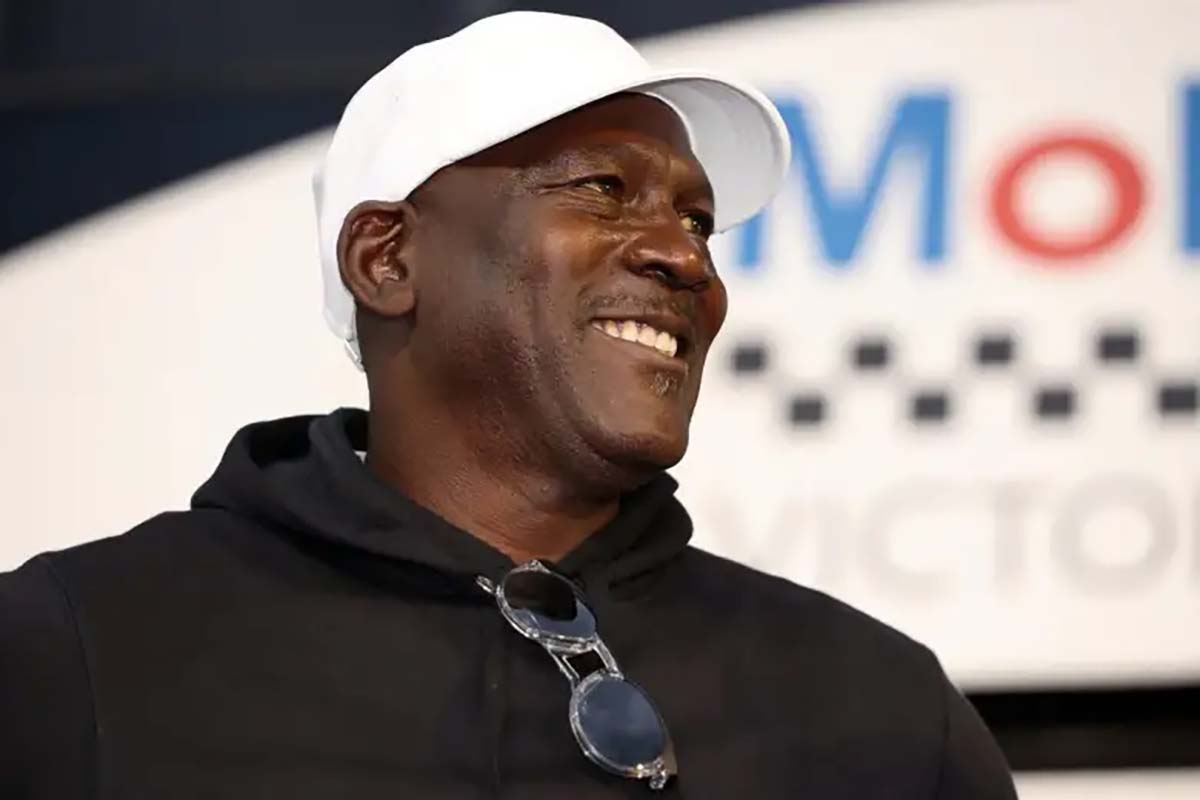
Pressure has always been Jordan territory.
Fourth quarter. Finals. Silence in the building. Ball in his hands.
Three. Two. One.
We’ve seen that clock before.
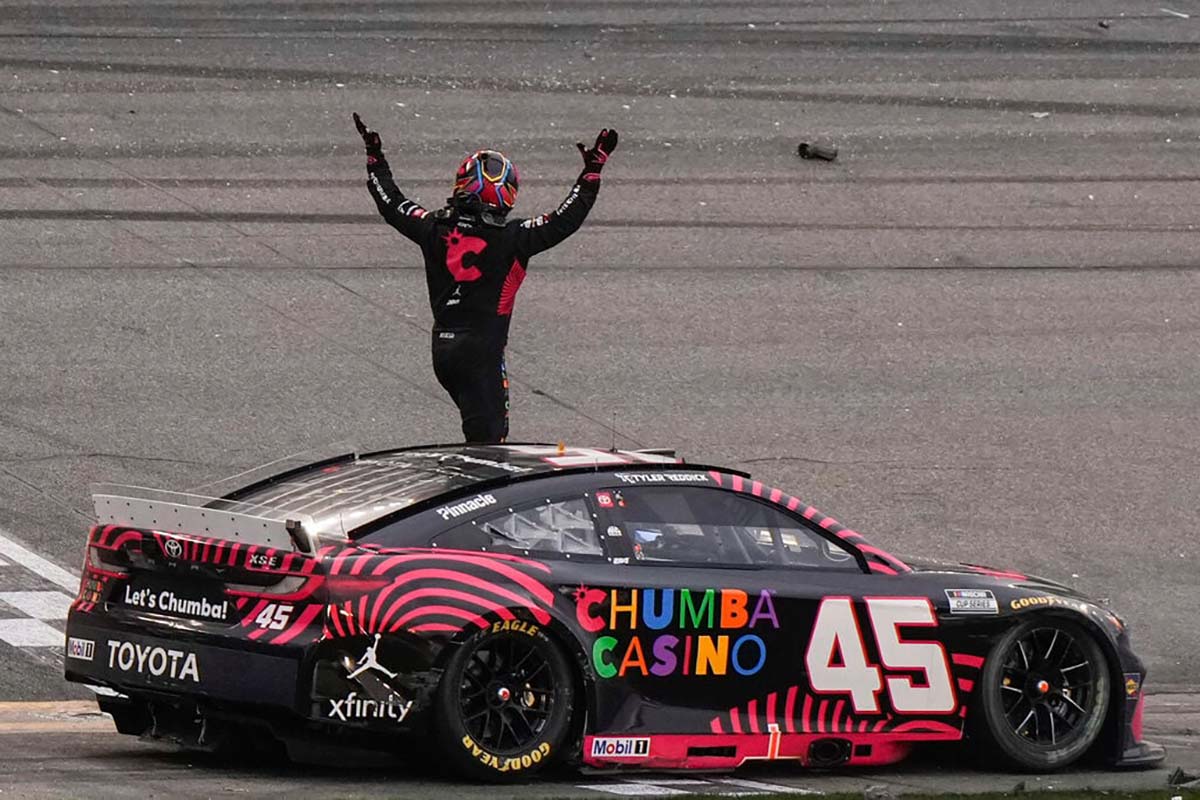
This time, it wasn’t Jordan rising over a defender. It was his driver, Tyler Reddick, buried in the draft at nearly 200 mph, steering the No. 45 Toyota down the final stretch at the Daytona 500.
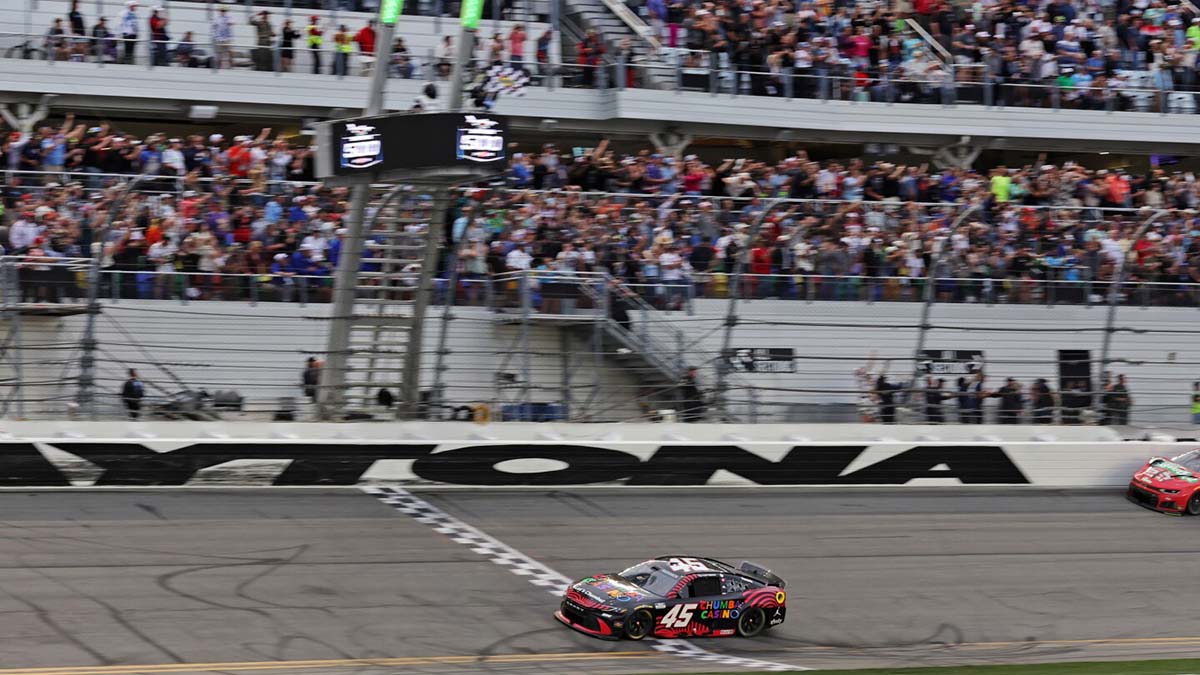
One lap led. The only one that mattered. On February 15, two days before his birthday, Michael Jordan stood in Victory Lane as his team, 23XI Racing, captured the biggest race in the NASCAR Cup Series calendar.
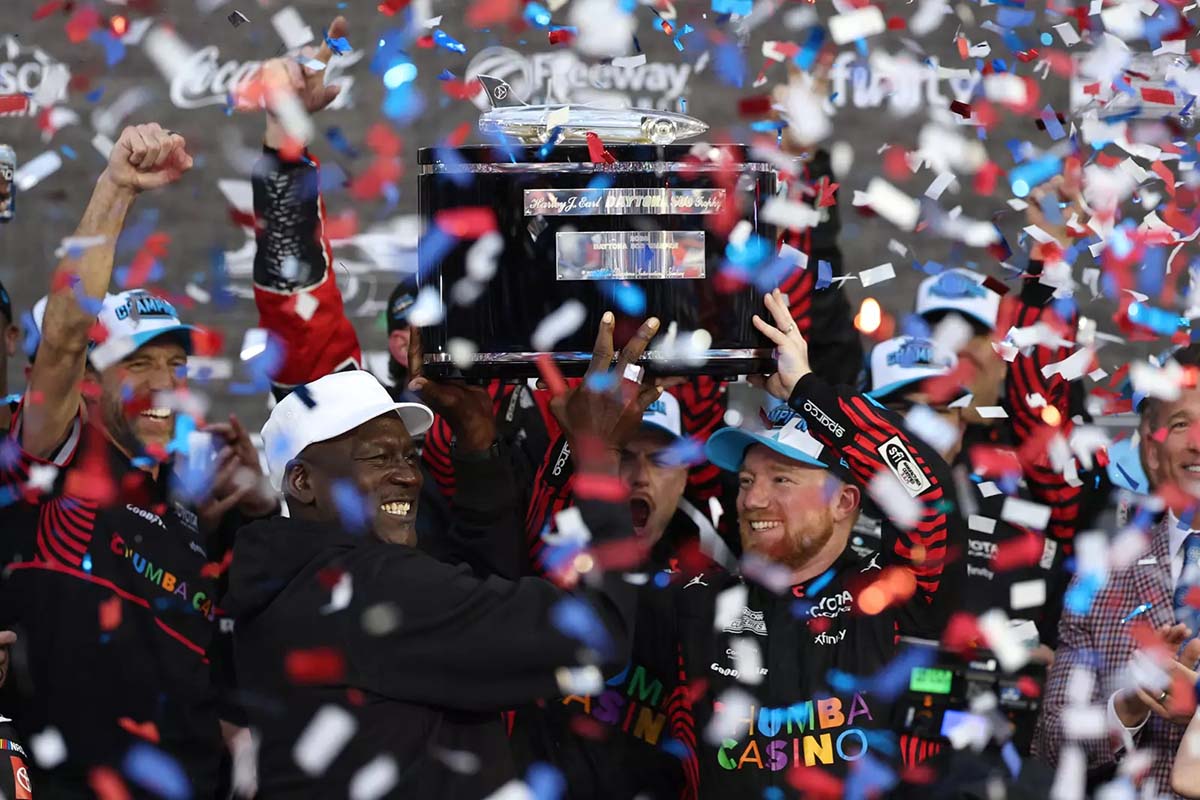
Different arena. Same demand for execution when the clock hits zero.
Built With Intent
Jordan partnered with Denny Hamlin in 2020 and formed 23XI Racing with one objective: compete at the front.
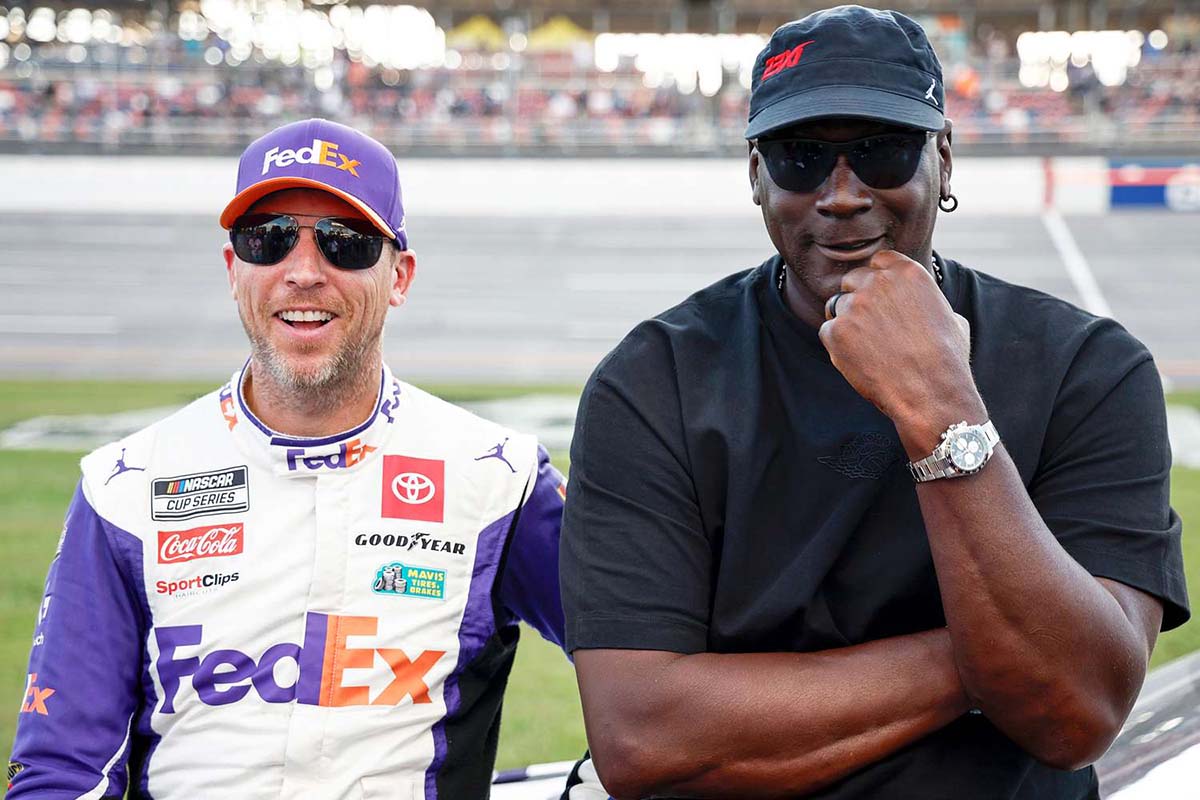
Ownership in NASCAR means infrastructure, engineering, strategy, and culture. From the start, the team aligned with Toyota. They race the Toyota Camry, backed by Toyota Racing Development in the United States.
Toyota entered NASCAR’s top series in 2007 and committed serious resources — facilities, data programs, technical support, long-term development. Wins accumulated.
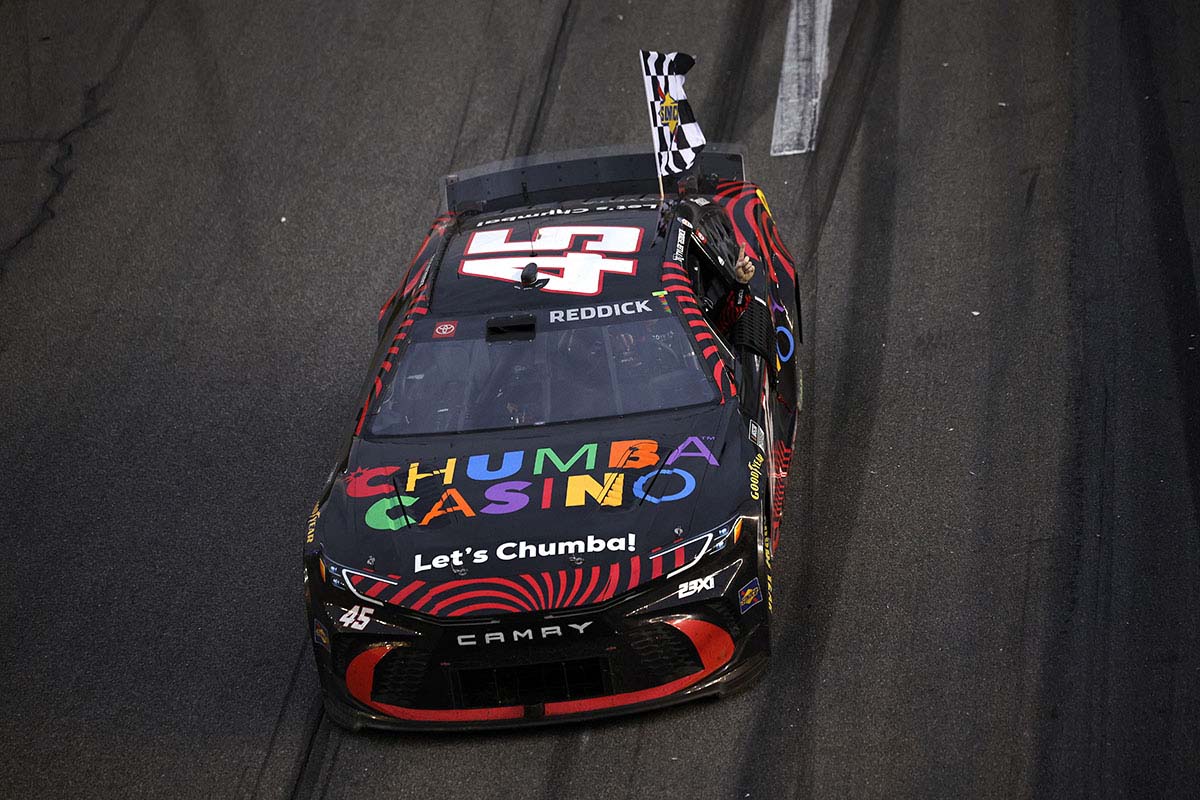
Championships followed. Credibility was earned.
NASCAR sits at the core of American motorsport culture. Competing weekly against Chevrolet and Ford is direct competition in front of the American consumer. Toyota has leaned into that environment.
As of this writing, Toyota leads the manufacturers’ standings.
That’s performance backed by commitment.
Clutch Is Portable
Reddick’s final lap at Daytona had a familiar feel.
Calm in traffic. Committed when the gap opened. Executed cleanly at nearly 200 mph.
Jordan built his legend in moments like that — Cleveland. Utah. Game 6. Score tight.
Deliver.
Leading one lap and winning the Daytona 500 requires nerve and trust in the machine beneath you. Reddick had both.
After the race, Jordan said the victory felt like a championship. From someone with six rings, that’s not casual language.
Jordan didn’t have to enter motorsport. Toyota didn’t have to chase relevance inside one of America’s most culturally embedded sports. They chose to.
Early Signal
The NASCAR season runs 36 races. The next stop is February 22. One win doesn’t define a year.
But starting with the Daytona 500 resets expectations.
23XI sits atop the early standings. Toyota leads the manufacturers’ board. The infrastructure is there — engineering depth, leadership, factory backing.
And then there’s the bigger picture.
A six-time NBA champion, widely regarded as the GOAT, winning the most iconic race in American stock car racing. A Japanese manufacturer leading in a sport long defined by Detroit power. A new-generation NASCAR team built on global ambition and competitive obsession.
That’s what happens when people and companies refuse to stay in their lanes.
Jordan didn’t have to enter motorsport. Toyota didn’t have to chase relevance inside one of America’s most culturally embedded sports. They chose to.
That’s how boundaries move.
A basketball icon thriving in NASCAR. A Japanese brand setting the pace in a U.S.-dominated series. A driver delivering under pressure when it counts.
Different backgrounds. Same pursuit.
Push the game forward. Redefine what’s possible. Win on unfamiliar ground.
When it’s 3-2-1 —
Close it.