

In Japan, mackerel occupies a paradoxical position. It is among the most widely consumed fish in the country, yet its highest expressions, those found in premium retail and refined dining, depend on precision of timing, handling and origin. Within that space, Norwegian mackerel has established a clear and enduring role.
Norwegian mackerel has been the number one mackerel consumed in Japan for many years, and more than fifty percent of all mackerel eaten in the Japanese market originates from Norway. This long-standing position reflects trust, scale and stable quality, and it means consumers encounter Norwegian mackerel in supermarkets, restaurants and convenience stores throughout the entire year.
“What sets Norwegian mackerel apart is a combination of pristine origin, consistently large size and a naturally rich fat profile at its seasonal peak,” says Johan Kvalheim, Director for Japan and South Korea at the Norwegian Seafood Council. “Buyers and chefs in Japan value this for dishes where mouthfeel and finish truly matter, such as shime saba, tataki and aburi.”
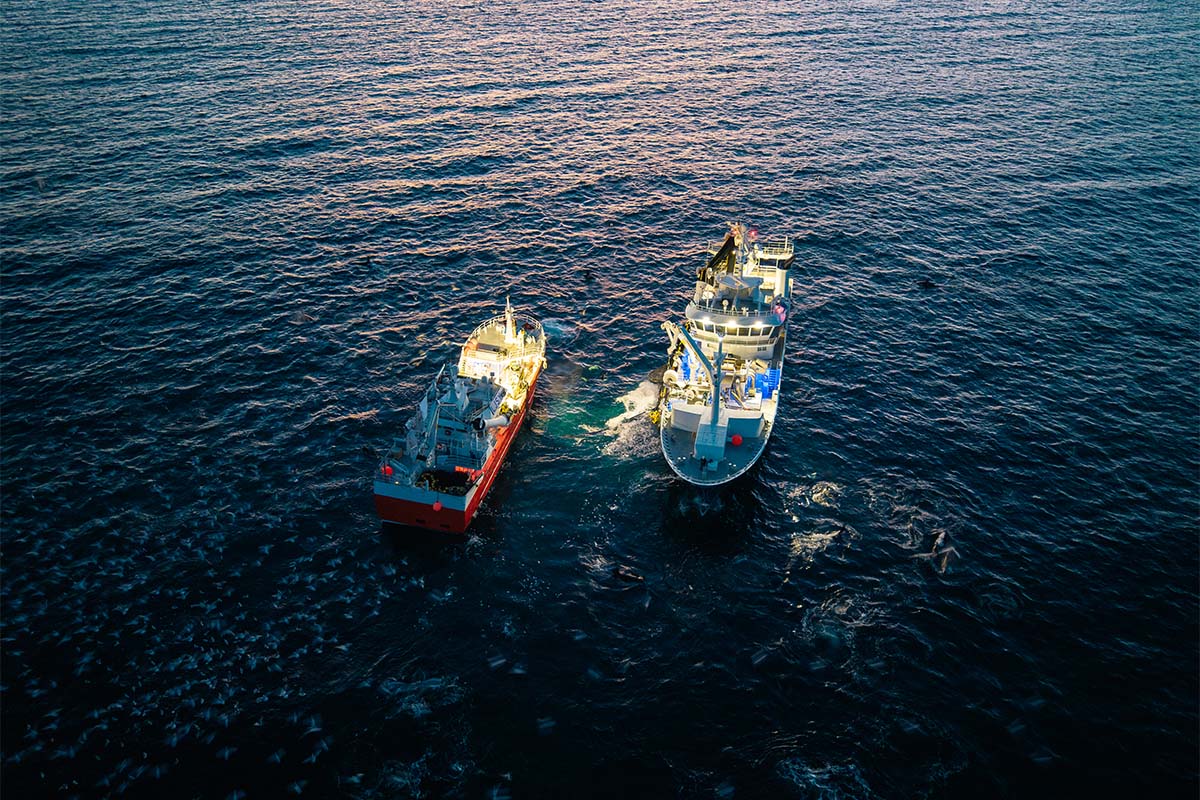
The foundation of that reputation lies in how the fish is caught and handled. Norway’s mackerel fishery concentrates harvesting in the autumn, when the fish naturally carry higher levels of intramuscular fat. At the point of landing, Japanese inspectors stationed in Norway carefully examine every catch. Their work ensures that only fish meeting strict Japanese standards are approved. This direct involvement by Japanese experts has been in place for many years and is one of the reasons the quality of Norwegian mackerel in Japan is so trusted.
“What sets Norwegian mackerel apart is a combination of pristine origin, consistently large size and a naturally rich fat profile at its seasonal peak. Buyers and chefs in Japan value this for dishes where mouthfeel and finish truly matter, such as shime saba, tataki and aburi.”
Johan Kvalheim, Director for Japan and South Korea at the Norwegian Seafood Council

After inspection, the mackerel is frozen round immediately at peak condition, preserving the full flavor and texture. The frozen fish is then shipped to Japan for further processing in major coastal fishing hubs such as Choshi, before being distributed to retailers across the country.
“The fishery’s timing concentrates harvesting in the autumn window, when the fish carry more intramuscular fat,” Kvalheim explains. “The catch is frozen immediately, which means chefs and retailers in Japan receive the same full, sweet taste and supple texture every month of the year. This dependable year-round quality is one of the reasons the product is trusted.”
This combination of peak season harvesting strict inspection at landing and rapid freezing has long supported Norwegian mackerel’s position in Japan’s premium retail sector and among chefs who value consistency at scale.
Seasonality still offers opportunities for storytelling. In Japan, the idea of autumn mackerel is not about limited availability but about the natural state of the fish at the moment it is caught. It provides a narrative frame for menu development, campaigns and collaboration.

“The natural rhythm of the fish is a gift to culinary storytelling,” Kvalheim says. “When the harvesting season begins in autumn, chefs can highlight the arrival of the new catch and then use that tone to create menu experiences that incorporate curing, marinating, smoking or koji techniques.”
This narrative layer allows retailers and restaurants to speak about the origin and timing of the fish without suggesting restricted supply. Instead, it reinforces the idea of a premium product harvested at its best and available in Japan through all seasons.
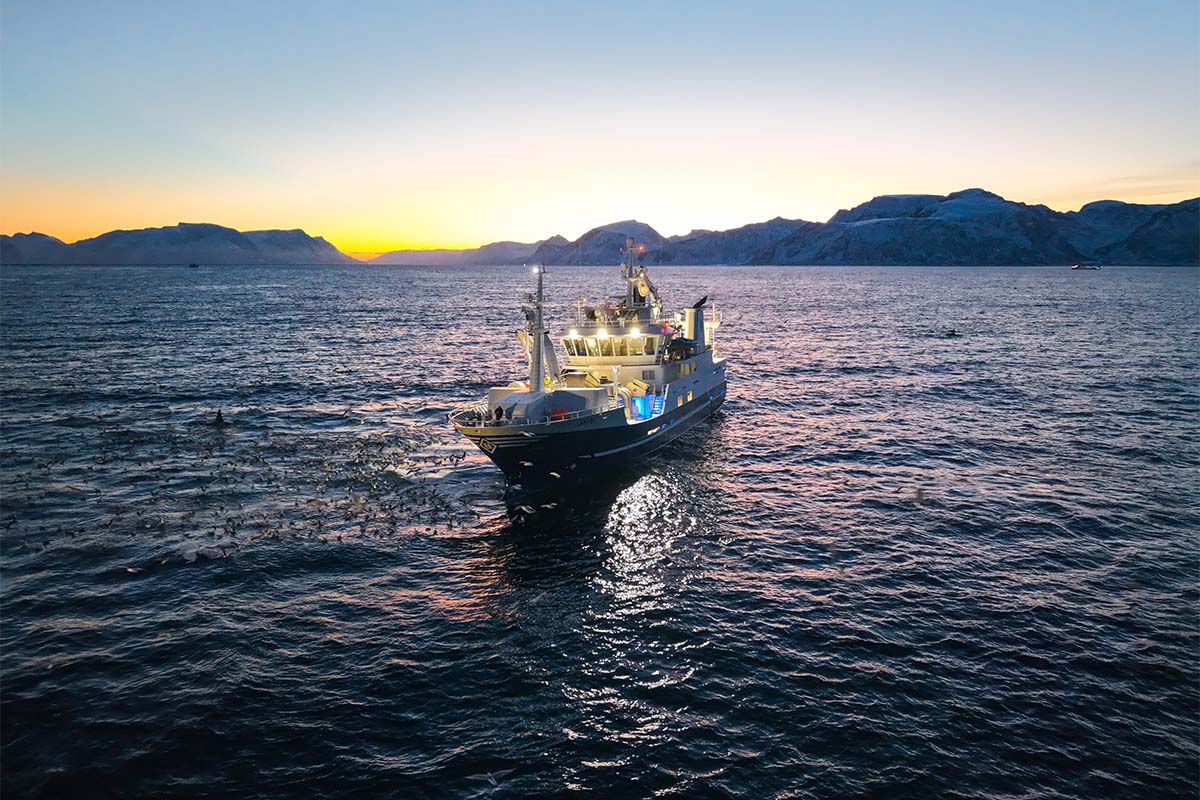
Beyond eating quality, Norwegian mackerel’s appeal is also rooted in provenance. The fishery is science based and responsibly managed, following ICES advice and total allowable catch frameworks, supported by national controls and full traceability from vessel to export.
“Norwegian mackerel comes from a science based, responsibly managed fishery,” Kvalheim says. “Traceability documents the journey from catch to processing and export, giving chefs and consumers in Japan a clear provenance story.”
According to Kvalheim, these attributes align closely with what Japanese retailers increasingly prioritize. “Independent science, predictable management and documented traceability are exactly what resonate, particularly when they can be communicated clearly on pack and in store.”
Looking ahead to 2026 and 2027, he identifies three areas of opportunity: refined convenience formats such as boneless and portioned products, origin first menu storytelling as domestic catches trends smaller and more variable, and cross-cultural techniques that blend Nordic methods with Japanese marinades, kombu finishing or koji assisted aging.
Japan’s mackerel market totaled approximately 260000 tons in 2024, with Norway accounting for around half of supply. While retail remains the strongest channel, unaided awareness of Norwegian origin still trails domestic perception, underscoring the strategic importance of origin communication.
For Norwegian mackerel, the next phase in Japan appears less about expansion and more about definition. It is about reinforcing trust, provenance and the ability to deliver peak season quality all year long in a market where those qualities continue to carry weight.