
In the far north of Japan’s Honshu island, where Mount Iwaki rises above the Sea of Japan and winter storms roll in with quiet regularity, a different kind of Olympic story unfolds.
Away from the crowds of Hokkaido and the global spotlight of Japan’s better-known ski resorts, Aomori Spring Resort has become something of a sanctuary – a place where elite athletes come not to be seen, but to work.
Recognised as the National Training Center for the Japanese National Halfpipe Snowboarding Team and a host venue for the Japanese National Championships, Aomori Spring occupies a rare position in the global snowboarding ecosystem. It is here – in a resort still considered a hidden gem by many international skiers – that Olympians quietly refine their craft, away from spectacle and distraction.
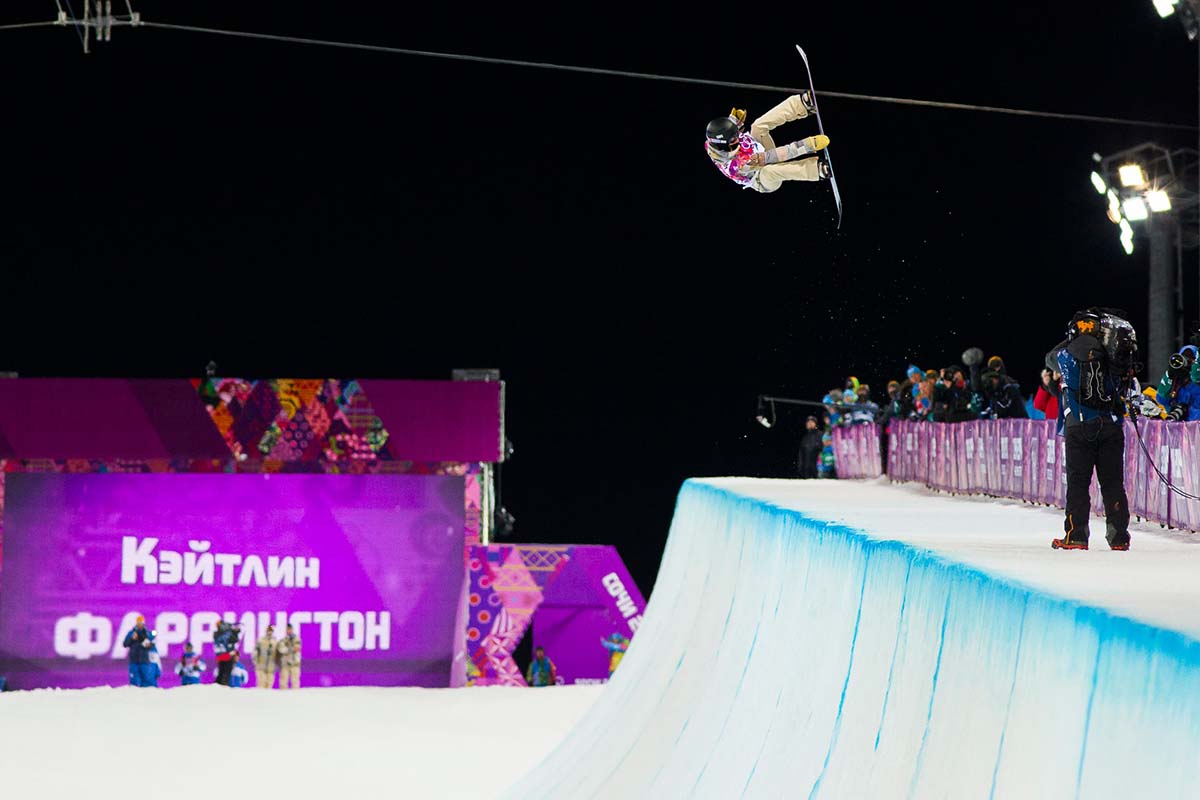
It is also here that Kaitlyn Farrington, the 2014 Olympic gold medalist in women’s snowboard halfpipe, has chosen to make her second home.
A Life Shaped by Borders Crossed Early
Farrington’s journey to the top of her sport was forged far from the world’s major cities. Raised in a small town in Idaho, she began competing internationally at just 14, often traveling the world before most of her peers had left home.

“Those experiences taught me flexibility – not just as an athlete, but as a person,” she reflects. “Traveling young, being immersed in different cultures, different coaching styles – that shaped who I am far beyond snowboarding.”
Her first international training trips took her as far as New Zealand. By her mid-teens, she was balancing global competition schedules with online schooling, effectively growing up across borders. That early exposure, she says, made international exchange feel natural -and later, essential.
Why Aomori?
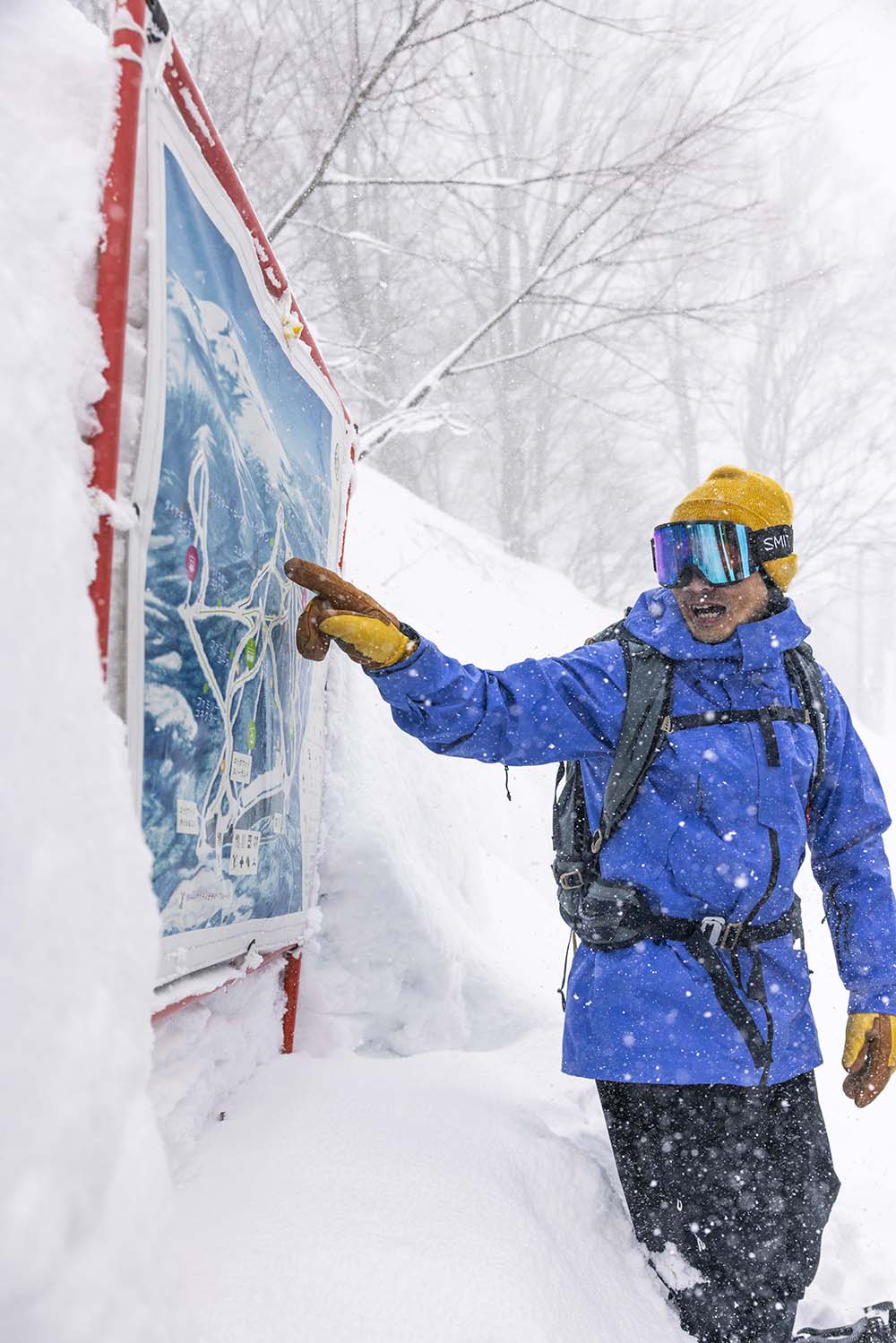
After retiring from competition, Farrington continued to spend winters riding across Japan. Yet it was Aomori – not the country’s marquee resorts – that drew her back year after year.
“There’s something very grounding about this place,” she says. “It’s quiet, it’s not crowded, and it reminds me of where I grew up. You come here to ride, not to perform.”
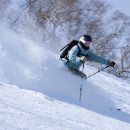
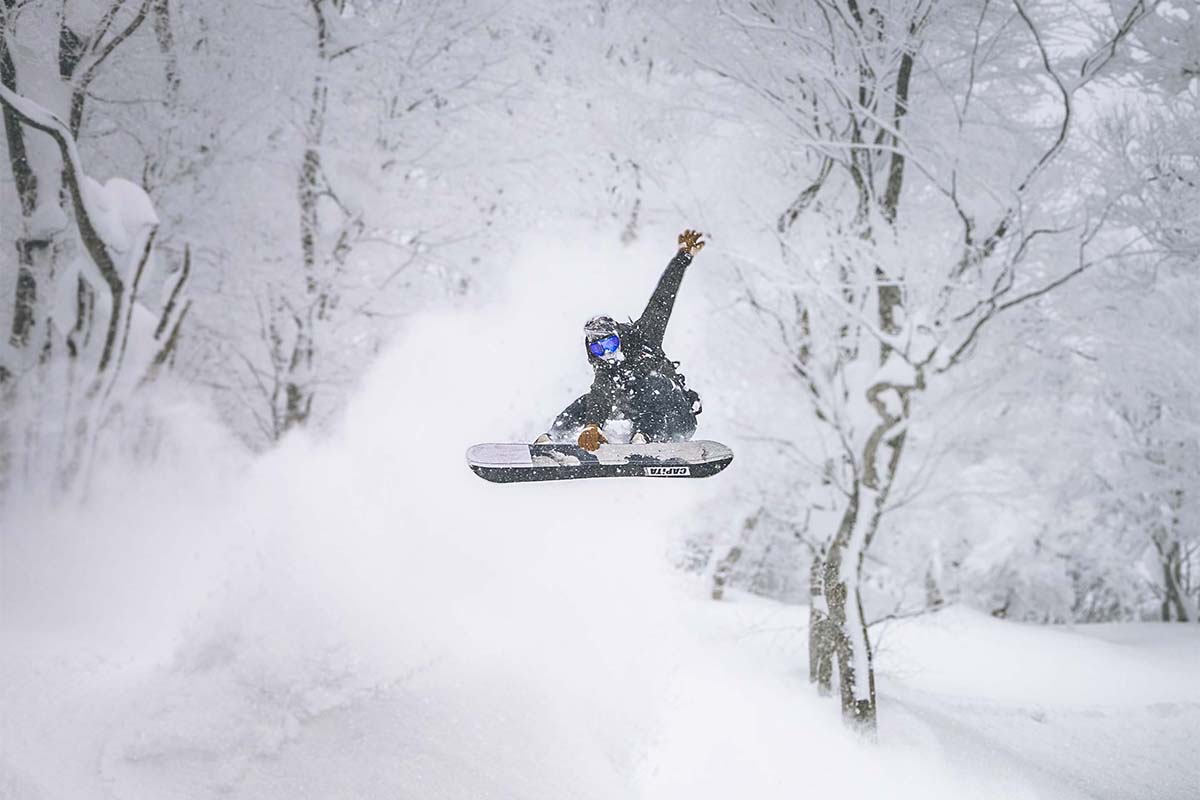
Snow quality plays its part. Sitting close to the Sea of Japan, Aomori Spring benefits from consistent snowfall, often exceeding forecasts. But what truly sets it apart is scale and intimacy: a mountain where powder days stretch well into March, terrain remains approachable, and the forested lines above the lifts invite exploration rather than exhibition.
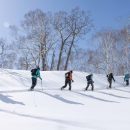
“It’s a place where you remember why you love snowboarding,” Farrington explains. “You ride powder, hike a little, explore and reset.”
Where Nations Train Side by Side
That sense of calm is precisely what attracts national teams. Aomori Spring’s 22-foot Olympic-standard halfpipe, built entirely from natural snowfall rather than artificial snowmaking, is one of only a handful of its kind in Japan. It is here that Japan’s top riders including Ayumu Hirano train extensively, often for months at a time.
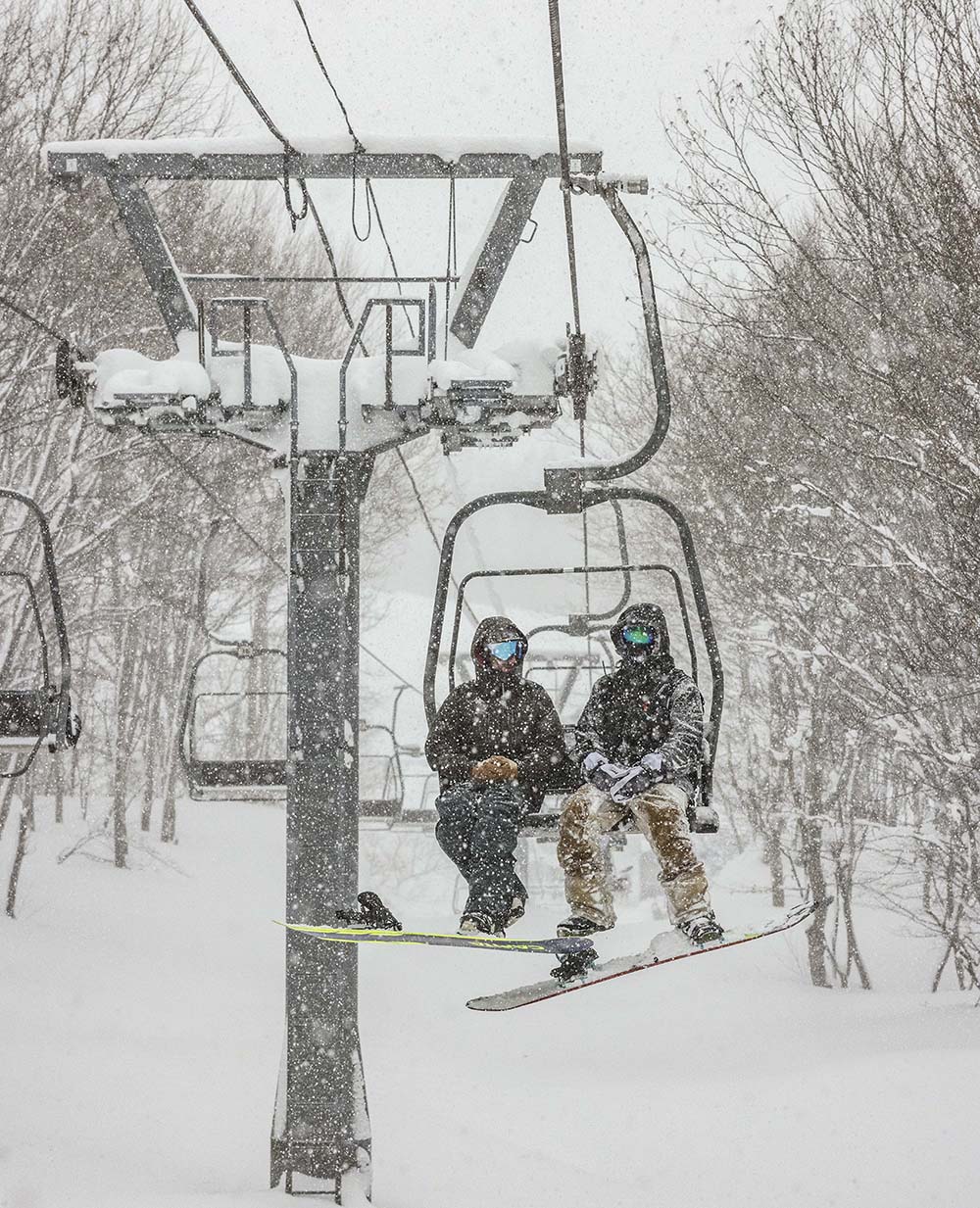
The mountain also welcomes international teams. U.S. riders such as Chase Josey, Lucas Foster, and Maddie Mastro have trained here, sometimes officially, sometimes simply to ride. What begins as a “training camp” often becomes something more informal – powder days shared across nationalities, away from competition schedules.
“There’s no scene here,” Farrington notes. “And that’s the beauty of it.”
This quiet coexistence – Japanese, American, and international riders training on the same mountain – embodies the essence of sports diplomacy. There are no ceremonies or speeches, just shared terrain, shared weather, and shared respect.
From Novices to Olympians
What makes Aomori Spring particularly rare is its breadth. The same mountain that hosts Olympic-level training is equally welcoming to families and first-time skiers. Gentle terrain, uncrowded slopes, attentive guest services, and thoughtful amenities allow the resort to function as a true one-stop destination.
For Farrington, that inclusivity matters.
“A beginner can learn here without pressure,” she says. “An Olympian can chase perfection. And everyone in between just gets to enjoy the mountain.”
“A beginner can learn here without pressure. An Olympian can chase perfection. And everyone in between just gets to enjoy the mountain.”
Kaitlyn Farrington
Off the slopes, the experience continues from restorative onsen-style spa facilities to cuisine that reflects Japan’s reverence for food as an extension of hospitality rather than an afterthought.
An Olympic Year, a Timely Story
With the 2026 Winter Olympics placing snow sports back at the center of global attention, Aomori Spring’s role feels more relevant than ever. This is not a resort chasing headlines. It is a place Olympians choose, precisely because it does not.
For readers interested in the mountain itself – its terrain, guest experience, and year-round offerings – a full destination feature on Aomori Spring Resort explores the resort in greater detail, from winter powder to summer hiking and golf.
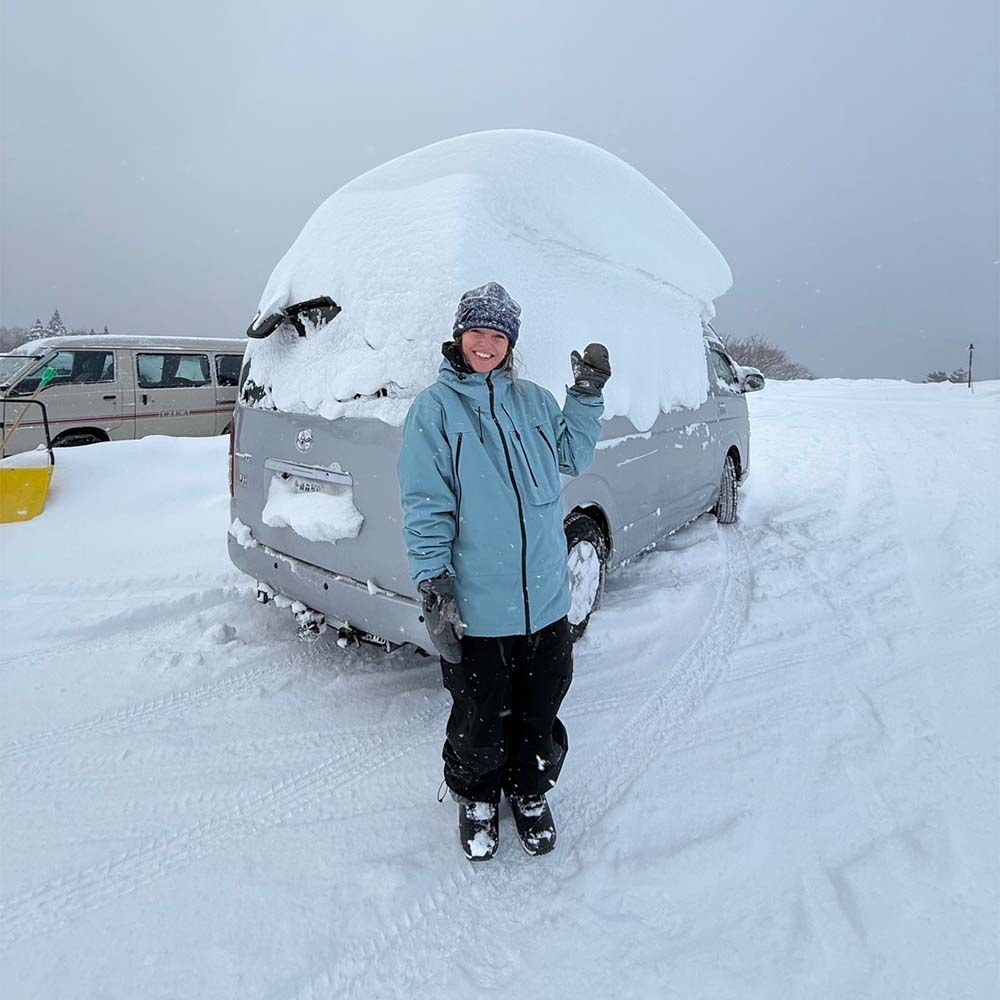
Beyond winter, Farrington speaks just as fondly of Aomori in the off-season. During the warmer months, she lives simply – often traveling alone in a camper van, exploring the region at her own pace.
“In summer, I’ll just get in the van and drive,” she says. “On my days off, I explore the coastline, the forests, small towns. It’s such a different side of Japan from what people imagine.”
For an Olympic champion accustomed to the world’s biggest resorts and busiest circuits, that freedom is telling. Aomori offers space – both physical and mental – where elite athletes can slow down, reconnect with nature, and experience Japan beyond the cities.
Winter may be the headline act, but it is this quieter, year-round rhythm that ultimately anchors Farrington here.