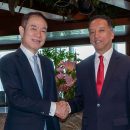

This year marks a milestone in Japan–Philippines relations: 70 years of diplomatic ties, a journey defined not only by trade and treaties, but by people, community, and shared culture. At the heart of this relationship in Manila is a uniquely Japanese institution, one that quietly blends business leadership with everyday life.
The Japanese community in the Philippines is mainly supported by three pillars: the Japanese Embassy, the Japanese Chamber of Commerce, and the Japanese Association. While the embassy represents government and the chamber focuses on corporate interests, the Japanese Association plays a different and deeply human role.

While the Chamber of Commerce is centred on companies and business entities, the Japanese Association is a broad community comprising not only corporate members but also individual members, students, parents, and retirees from a wide range of backgrounds. Its mission is built on three simple but powerful objectives:
- Strengthening Japan–Philippines friendship
- Improving the quality of life for Japanese residents
- Encouraging communication and connection within the community
Founded in 1957, just one year after diplomatic relations were normalized, the Japanese Association was created for ordinary Japanese citizens living in the Philippines. Nearly seven decades later, it has grown into a vibrant organization of around 3,200 members, including individuals, families, and companies.
Culture First
If business is the backbone of Japan–Philippines relations, culture is the heartbeat.
Every year, the Association organizes events that bring thousands of Japanese and Filipinos together. Among the most popular is the Bon Odori Festival, a traditional Japanese summer celebration held uniquely in March in the Philippines, which regularly attracts over 5,000 attendees. Japanese families, Filipino friends, students, and curious first-timers gather to dance, eat, and celebrate under lantern-lit skies.
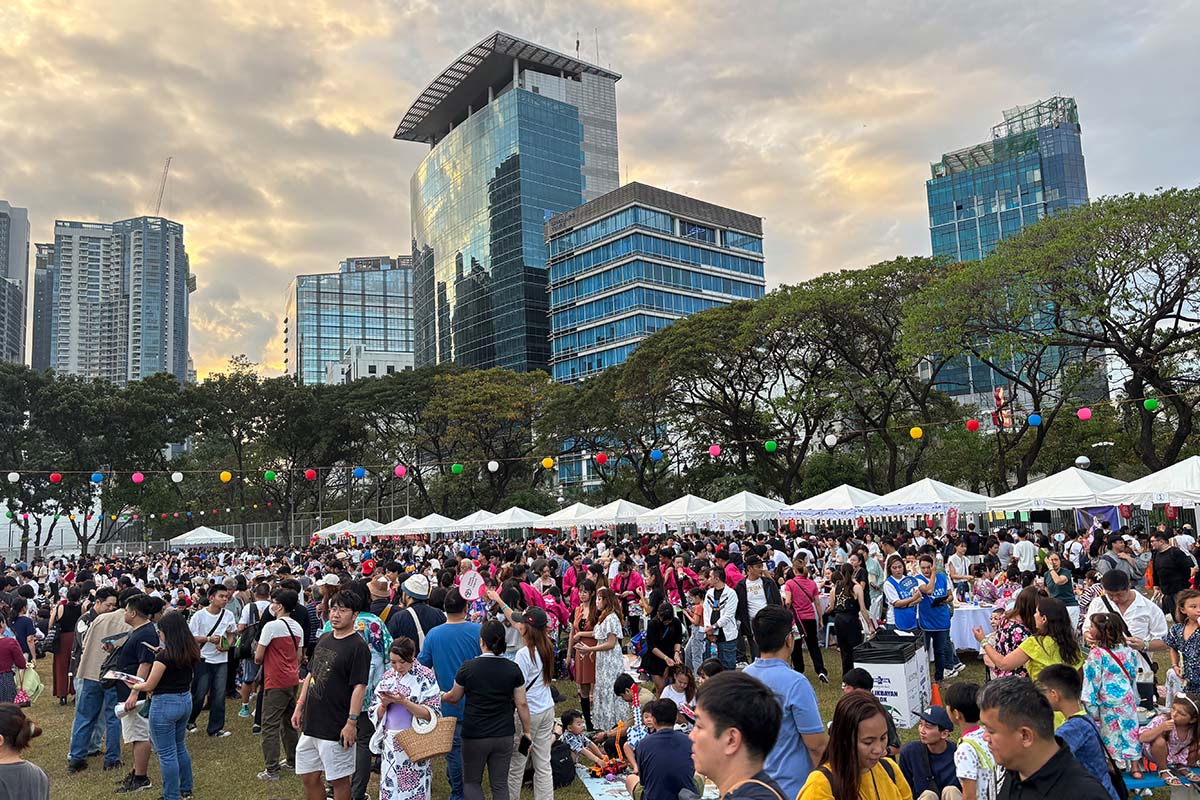
Other annual highlights include cultural festivals featuring music and dance; sports events such as softball tournaments, futsal matches, and golf events; and family-friendly gatherings that welcome both communities. These are not closed-door affairs. They are deliberately inclusive, designed to build real friendships across cultures.
If business is the backbone of Japan–Philippines relations, culture is the heartbeat.

Supporting Life Abroad
Beyond festivals, the Japanese Association plays a crucial role in daily life. It manages a Japanese-oriented medical clinic staffed by Japanese-speaking professionals, supports a library for members, and works closely with the Japanese School in Manila, where all families are Association members.
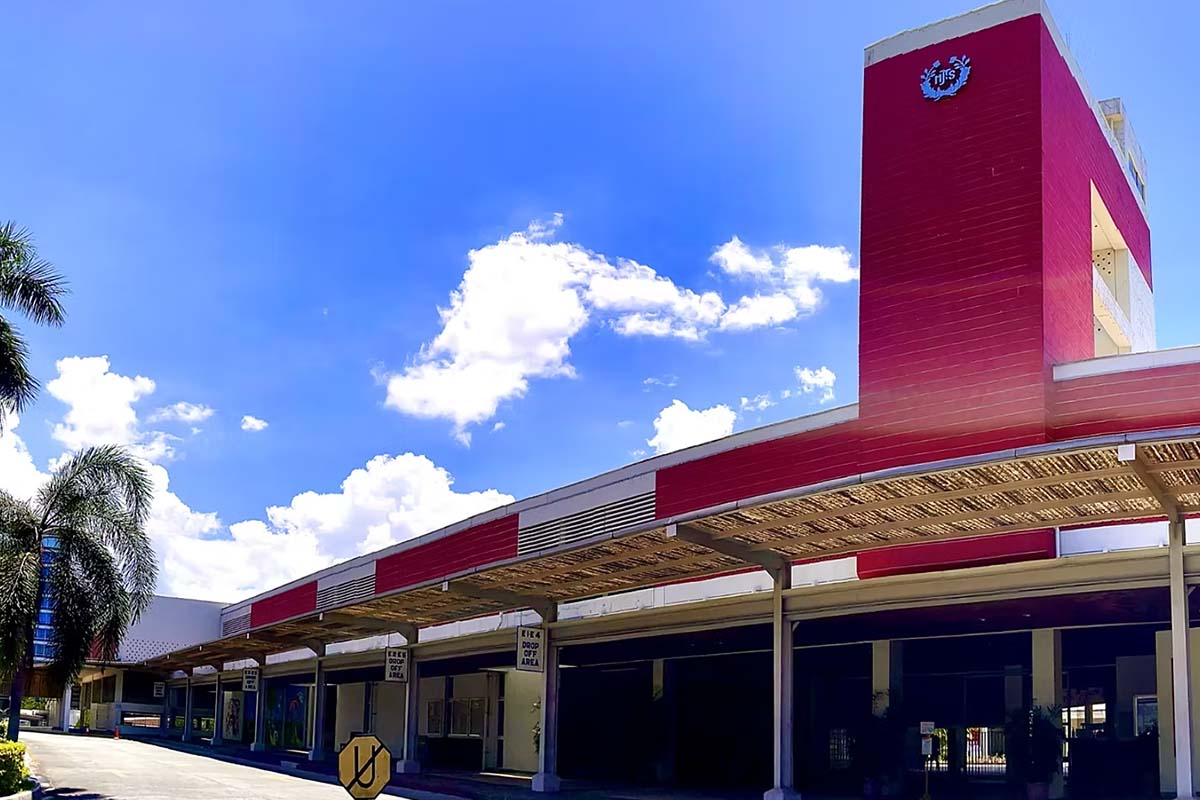
Five dedicated committees, covering healthcare, education, culture, sports, and library services, ensure that support extends well beyond social events. What binds it all together is trust. Committee members are not just colleagues; they are friends, often senior leaders from companies.
A Special Year, A Shared Future
In this landmark 70th anniversary year, the Association is not reinventing itself, but enhancing what already works. Existing festivals and cultural events will carry special commemorative elements, reinforcing a message of continuity, stability, and friendship.
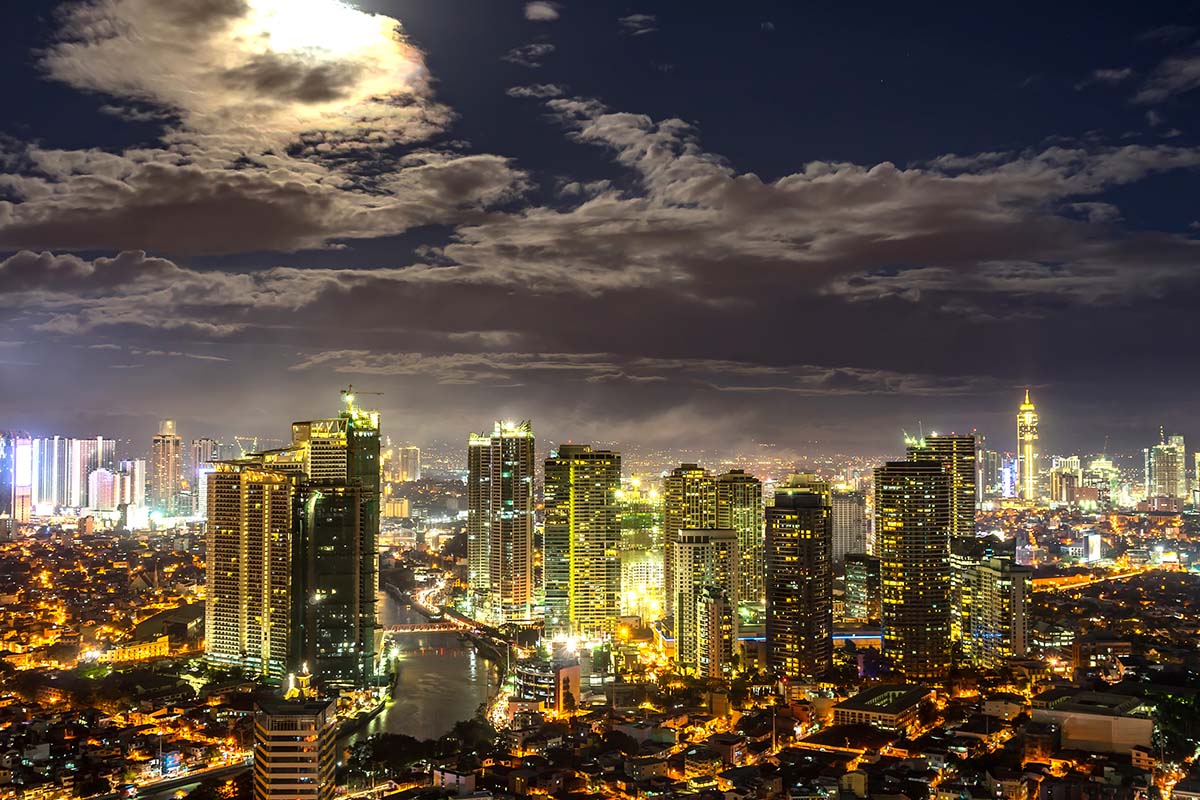
The Japanese presence in the Philippines continues to grow again after the pandemic, and so does its sense of belonging. As many Japanese residents note, the Philippines feels welcoming, familiar, and surprisingly close. It is just a four-hour flight from Tokyo, yet culturally warm in ways that resonate deeply.
Understanding history, both its difficult chapters and its progress, is part of that journey. Today, through shared celebrations, everyday support, and lasting partnerships, the Japanese Association stands as living proof that diplomacy is not only written in agreements but lived in communities.