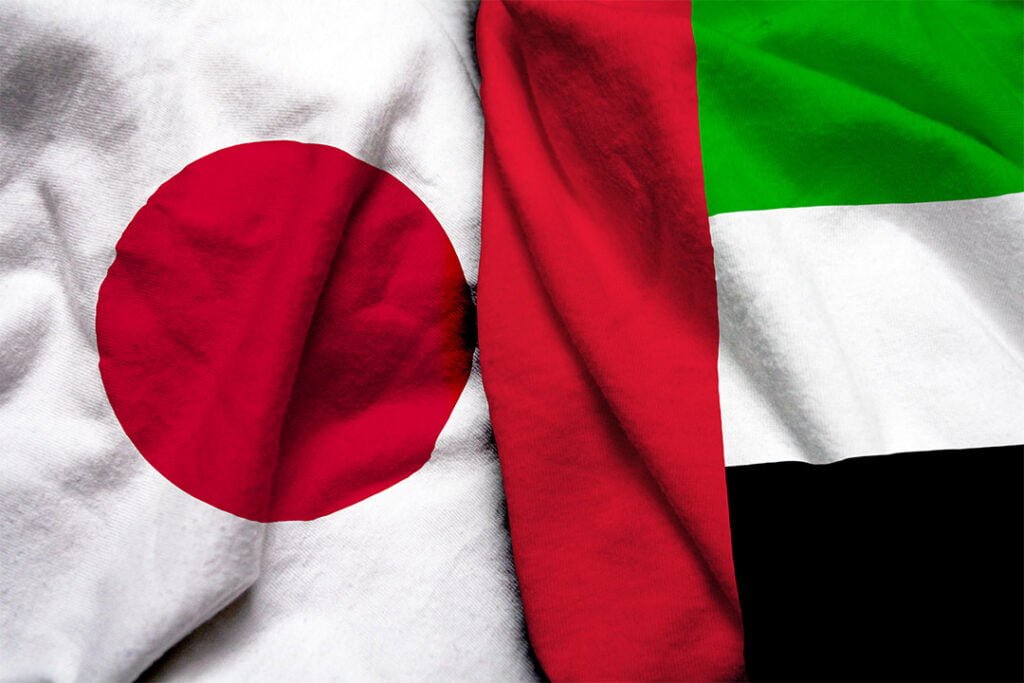

As the United Arab Emirates looks ahead to the next phase of its national development, its long-standing partnership with Japan stands as one of its most enduring and quietly influential international relationships. Now marking 55 years of diplomatic ties, UAE–Japan cooperation reflects a shared commitment to quality, long-term thinking and mutual trust—values that have guided a relationship extending from energy into infrastructure, industry, sustainability and innovation.
Today, those principles are increasingly visible across the UAE’s economic landscape, where Japanese companies continue to play a meaningful role while Emirati institutions actively shape the conditions for future cooperation. As global supply chains evolve and resilience becomes a strategic priority, Abu Dhabi has positioned itself as a stable and globally connected base for advanced industry. At the center of this effort is Khalifa Economic Zones Abu Dhabi (KEZAD), which has emerged as a key platform for Japanese firms seeking certainty, efficiency and access to international markets.
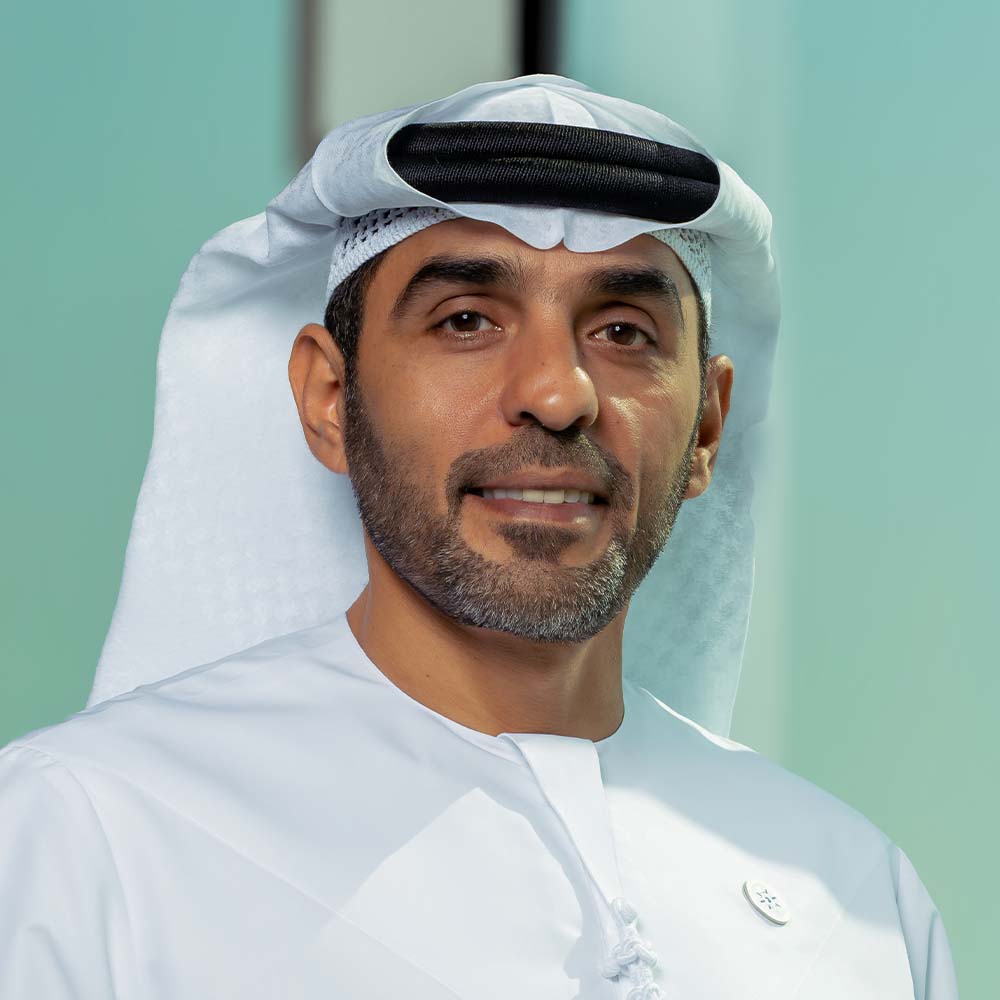
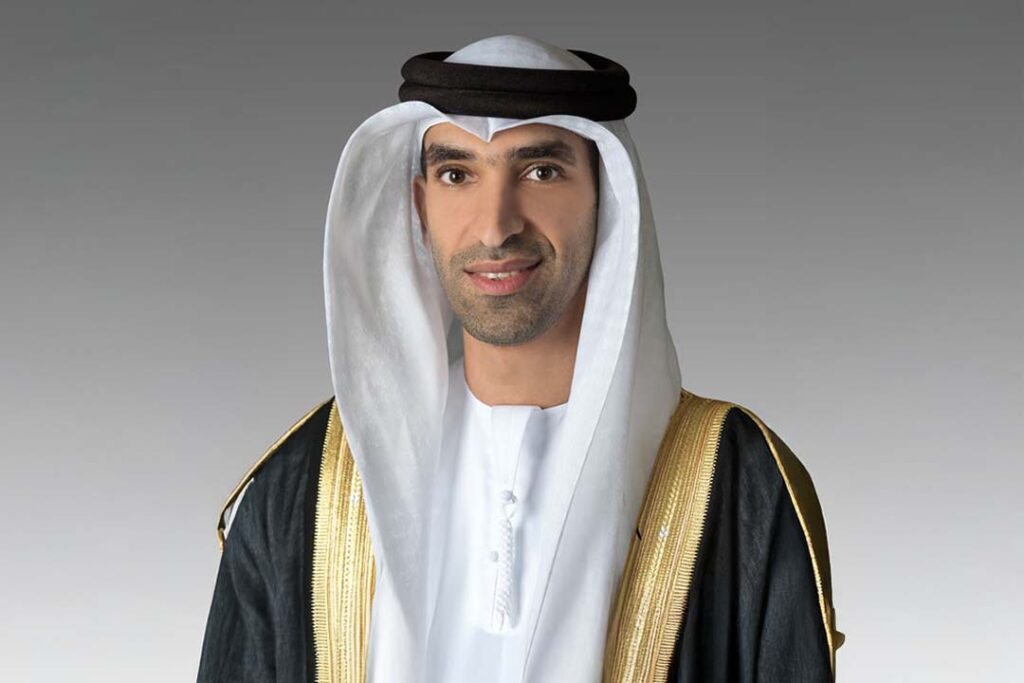
Reflecting on the strength of the bilateral relationship, KEZAD CEO Abdulla Al Hameli underscored the shared industrial values that underpin continued collaboration. “Japan is one of the world’s most advanced industrial economies and a valued partner for the UAE… Japanese firms value certainty, high service standards, and long-term stability, and this is exactly what KEZAD delivers,” he said. With multimodal connectivity through Khalifa Port, Etihad Rail and major highways, KEZAD offers Japanese manufacturers and logistics players a base from which to serve markets across the GCC, the Middle East, Africa and South Asia—reinforcing Abu Dhabi’s role as a regional and global gateway.
“Japan is one of the world’s most advanced industrial economies and a valued partner for the UAE… Japanese firms value certainty, high service standards, and long-term stability, and this is exactly what KEZAD delivers.”
Abdulla Al Hameli, CEO of KEZAD
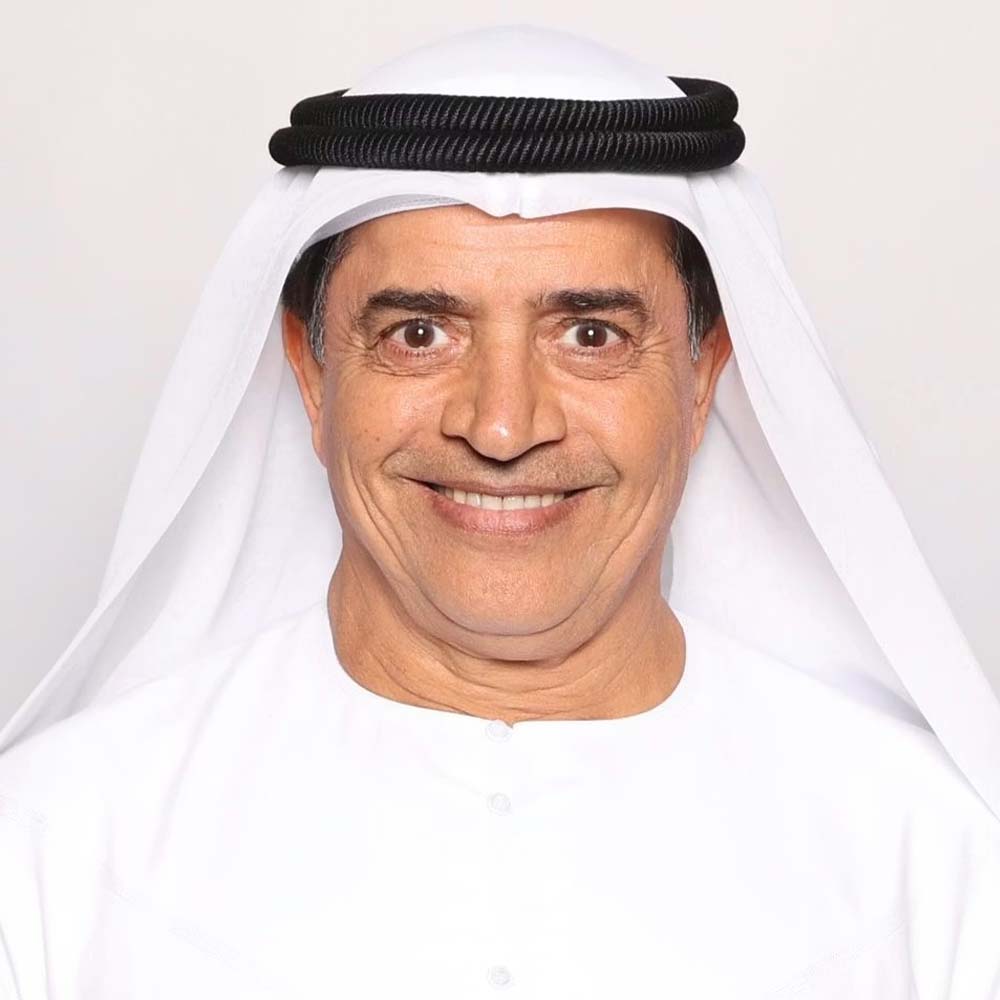
Alongside large-scale industrial development, sustainability and resilience have become defining pillars of the UAE–Japan relationship. These priorities are reflected not only in national strategies, but also in grassroots initiatives that combine innovation with environmental stewardship. In Fujairah, Wadi Dafta Plantation offers a distinctive example of how agriculture can thrive in arid conditions when tradition and technology are thoughtfully combined. Founded by Ahmed Alhefeiti, the plantation integrates clean energy, soil regeneration and rare tropical crops, while drawing on traditional Emirati agricultural knowledge.
“Wadi Dafta is more than a farm; it is a living example of heritage, resilience, and environmental stewardship,” Alhefeiti said, noting its contribution to food security, climate resilience and community education. Such initiatives resonate strongly with Japan’s own emphasis on sustainability, efficiency and long-term environmental planning, adding depth to the bilateral partnership beyond industry and infrastructure.
“Wadi Dafta is more than a farm; it is a living example of heritage, resilience, and environmental stewardship.”
Ahmed Alhefeiti, Founder of Wadi Dafta Plantation
Few projects, however, symbolize UAE–Japan cooperation as powerfully as the country’s major infrastructure developments. Japanese engineering expertise has been instrumental in shaping the UAE’s urban environment, most notably through the delivery of landmark transport projects that have transformed daily life. As a lead partner in the civil works joint venture for the Dubai Metro’s Red and Green Lines, Obayashi Middle East played a defining role in one of the UAE’s most ambitious infrastructure undertakings.
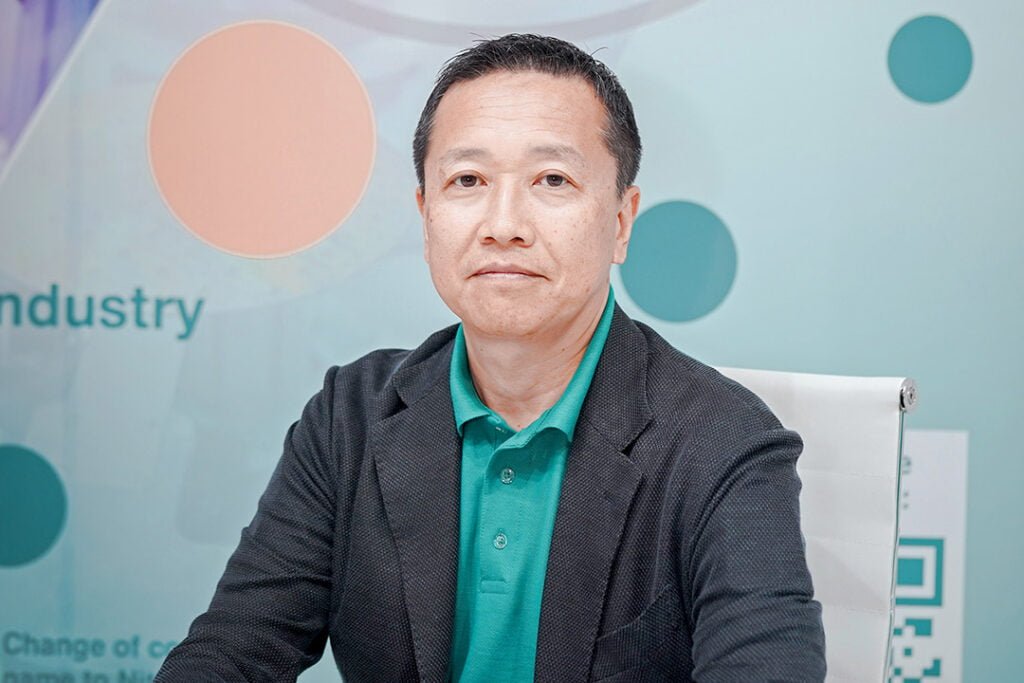
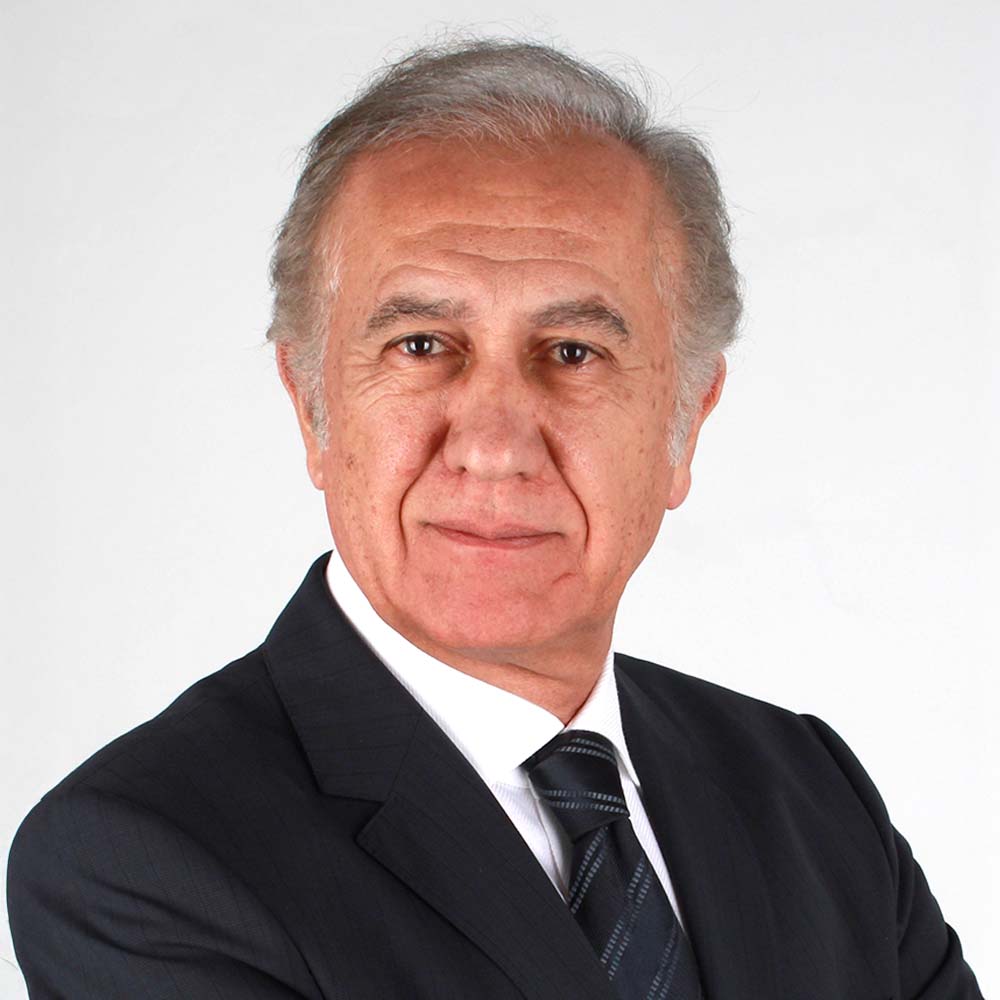
Looking back on the company’s legacy in the region, Obayashi emphasized that its contribution extends beyond physical structures. “Our legacy is defined not only by iconic structures, but by the long-term trust and cooperation formed throughout these landmark projects,” the company noted, highlighting enduring partnerships with UAE authorities and local stakeholders. That collaborative approach—grounded in transparency, teamwork and engineering precision—has long aligned with the UAE’s bold urban vision and continues to shape perceptions of Japanese excellence in the region.
“Our legacy is defined not only by iconic structures, but by the long-term trust and cooperation formed throughout these landmark projects.”
Saad Daghestani, Regional General Manager of Obayashi Corp. Middle East
Japanese participation in the UAE’s development is also evident at the industry level, where reliable tools and technologies quietly support progress across construction, manufacturing and infrastructure. Through its regional operations, Makita Gulf FZE has contributed to the country’s growth by supplying power tools, outdoor equipment and industrial solutions that meet global standards of quality and safety. Managing Director Mizukoshi Toshimichi noted that continuous investment in technology, training and product innovation has enabled the company to empower professionals and support excellence across projects of every scale. “Through continuous investment in technology, training and product improvements, we have contributed to the development of key industries and infrastructure across the UAE,” he said.
As both nations reflect on 55 years of diplomatic ties, the UAE–Japan relationship stands at a meaningful moment of renewal. From industrial ecosystems and sustainable agriculture to transformative infrastructure and advanced manufacturing, the partnership has been shaped by patience, shared standards and a belief in long-term value. As the UAE’s 55th National Day celebrations begin, the anniversary serves not only as a moment to look back, but as a signal of intent—pointing toward a future in which UAE–Japan cooperation continues to evolve, deepen and deliver lasting impact for decades to come.