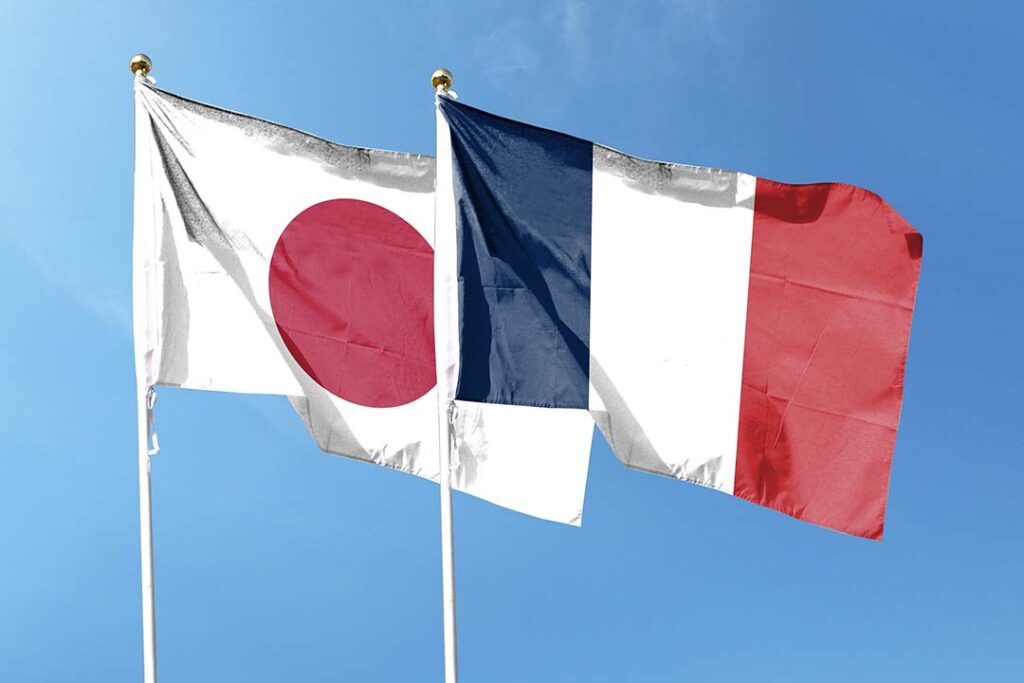

In an increasingly interconnected world, the ability to lead across cultures has become essential. Few embody this better than Akiko Klahr-Suzuki, president of AKS Japan International, whose career has spanned Japan, France and the wider global business community.

Drawing on decades of international experience, she believes that effective cross-cultural leadership is anchored by the “Three A’s” of awareness, adaptability and authenticity. These principles allow leaders to read context, adjust with intention and lead with integrity in any environment.
“The best global leaders demonstrate cultural self-awareness, adjust their leadership styles to align with local practices and yet remain true to themselves,” Klahr- Suzuki explained. “True global leadership is no longer about exporting a single model of success. It is about continuous learning, respect for local contexts and uniting people around shared values and purpose.”
Her firm advises both established Japanese companies and new businesses expanding into France and other parts of Europe. It also supports French and European firms with existing operations in Japan, as well as those entering the market for the first time.
The goal is to help executives understand how cultures shape management and communication, from Japan’s consensus-driven, relationship-based approach to Europe’s emphasis on debate and individual initiatives. These challenges can make or break cross-border business, but AKS helps companies adapt strategies without losing their authenticity.
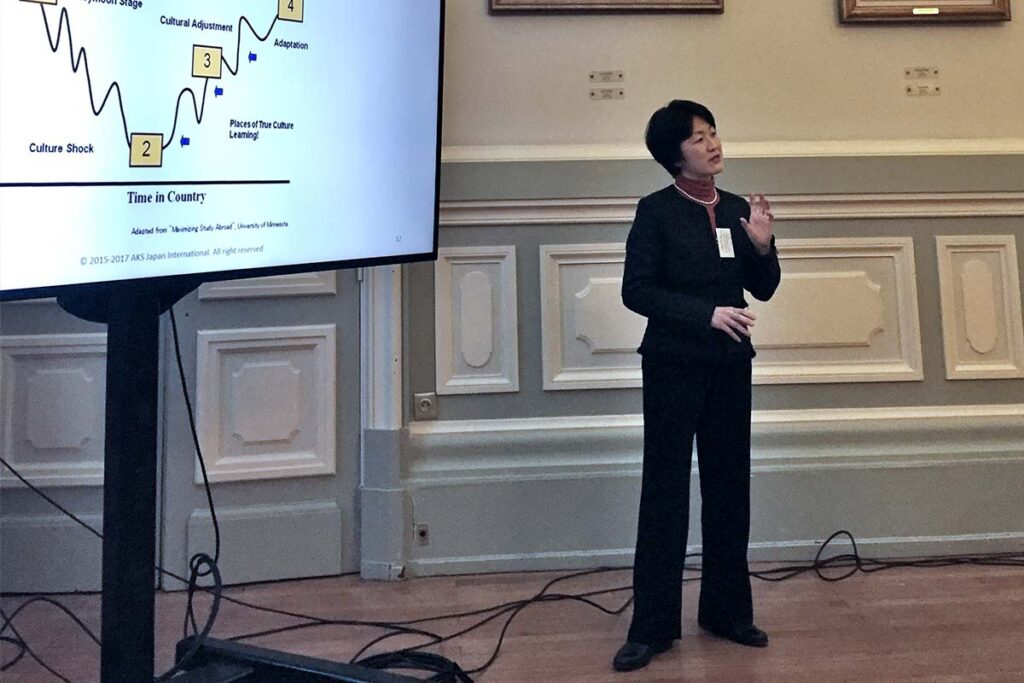
“Building trust across cultures begins with understanding what people consider ‘common sense,’” she said.
Klahr-Suzuki observes that misunderstanding often arises not from ill intent, but from differing expressions of respect. “The real challenge lies in decoding what makes people feel respected, as the expression of respect can differ greatly from one culture to another,” she noted. “When people feel both understood and valued, trust follows naturally.”
“True global leadership is no longer about exporting a single model of success. It is about continuous learning, respect for local contexts and uniting people around shared values and purpose.”
Akiko Klahr-Suzuki, President of AKS Japan International

Dialogue is at the heart of her philosophy. “Shared values cannot simply be imposed; they must be uncovered through open, respectful conversations,” she explained.
In AKS’ consulting and training programs, which emphasize management efficiency through cultural intelligence, leaders learn to transform cultural complexity into cohesion. “In cross-cultural contexts, alignment is less about uniformity and more about coherence — allowing diverse approaches toward a common goal.”
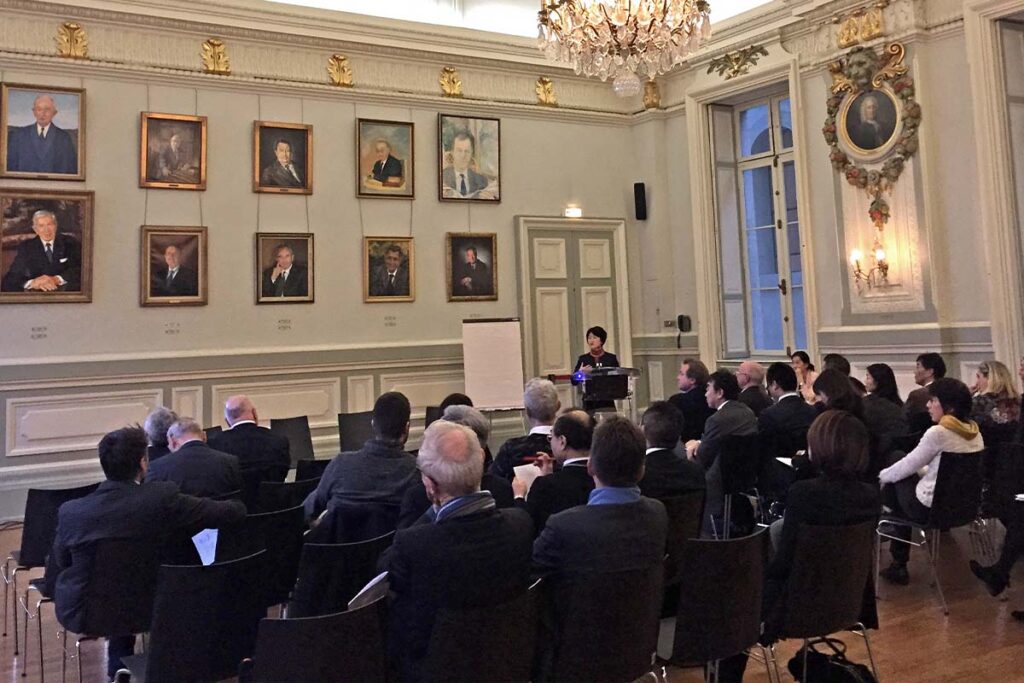
Looking ahead, Klahr-Suzuki sees strong potential in France-Japan collaboration.
“Blending France’s creativity with Japan’s precision opens the door to solutions that are more adaptive and resilient than either country could achieve alone,” she said. “Genuine partnership begins when leaders learn to see through each other’s cultural perspectives, transforming differences into shared progress and mutual growth.”