
PropertyGuru Week 2025 unfolded as a timely reflection of where Asia’s real estate industry stands today and where it is heading next. From macroeconomic uncertainty and geopolitical shifts to evolving consumer expectations and the growing role of technology, the week brought together developers, designers, policymakers, creators, and investors to confront shared challenges and opportunities. The week also included moments to recognise the finest achievements in the real estate industry.
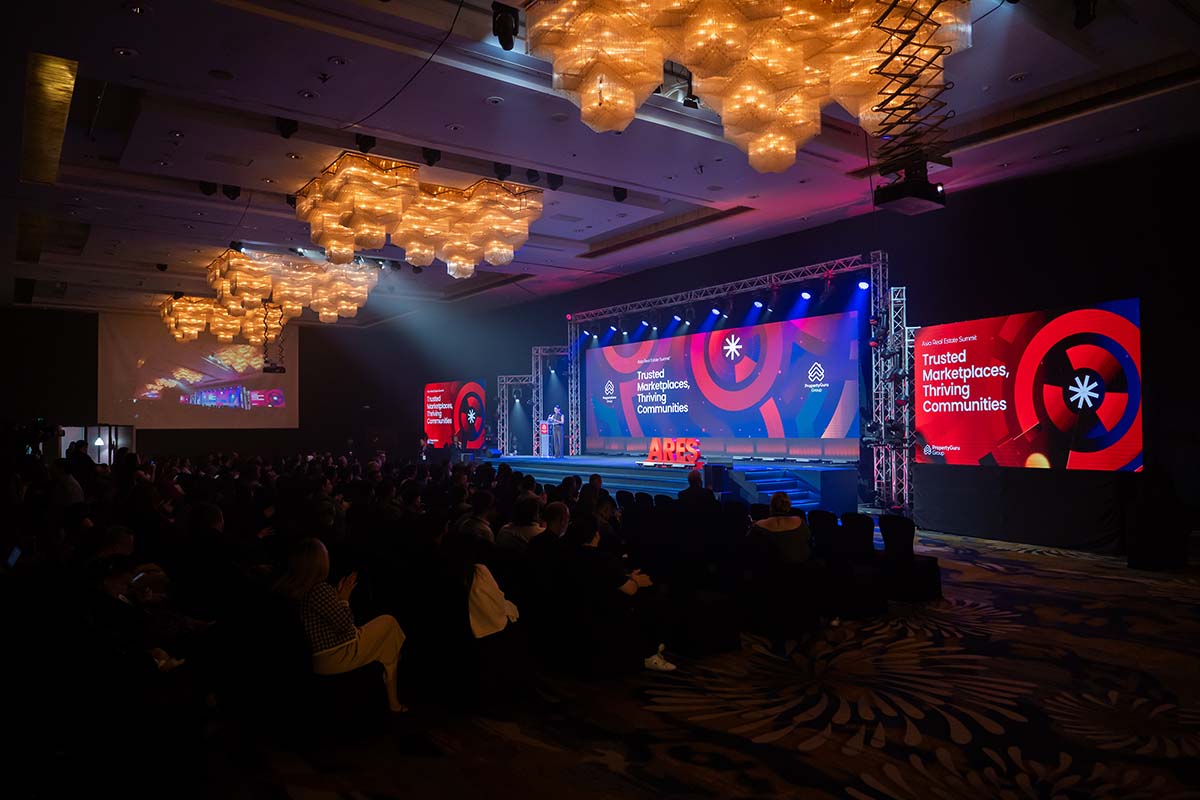
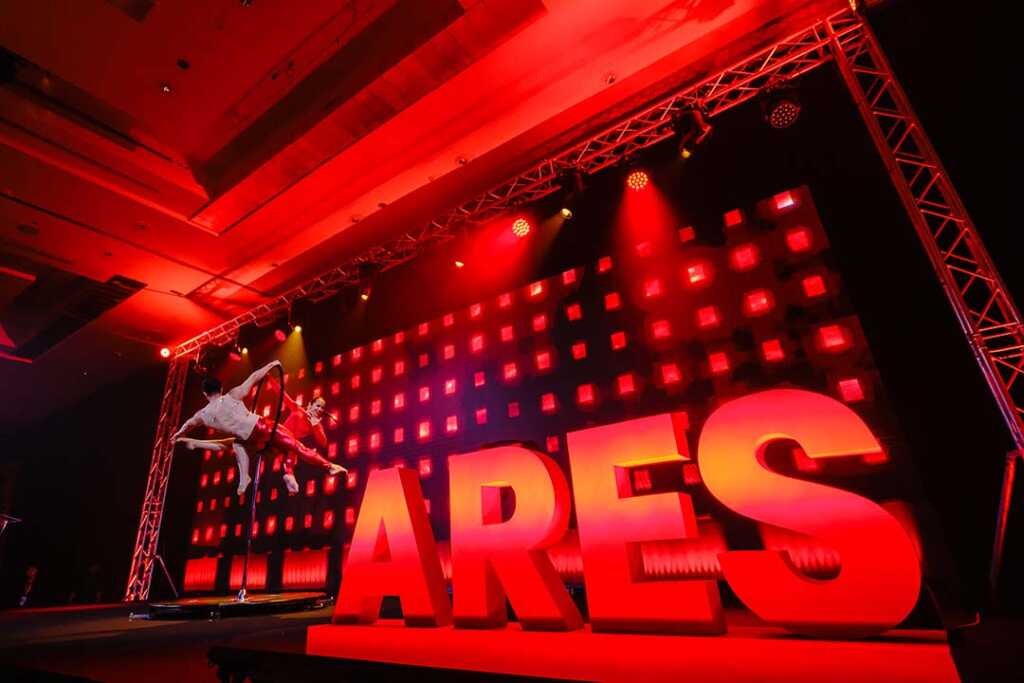
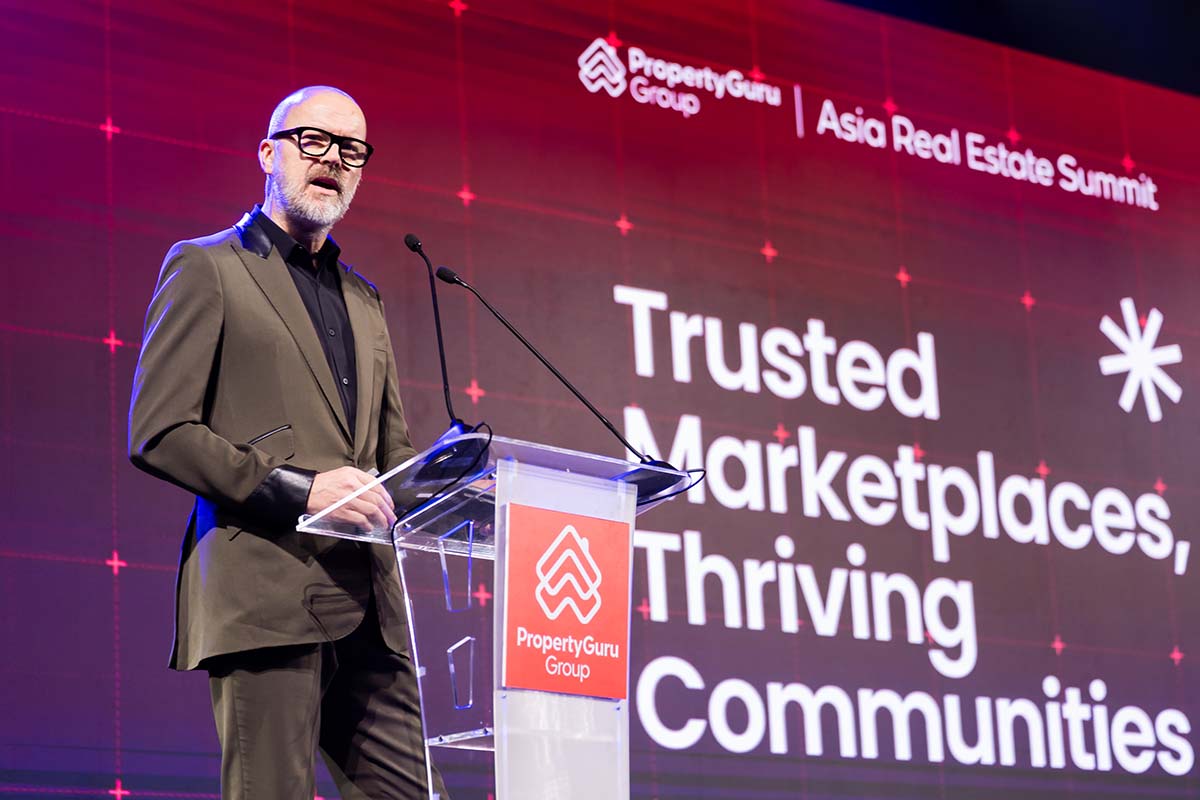
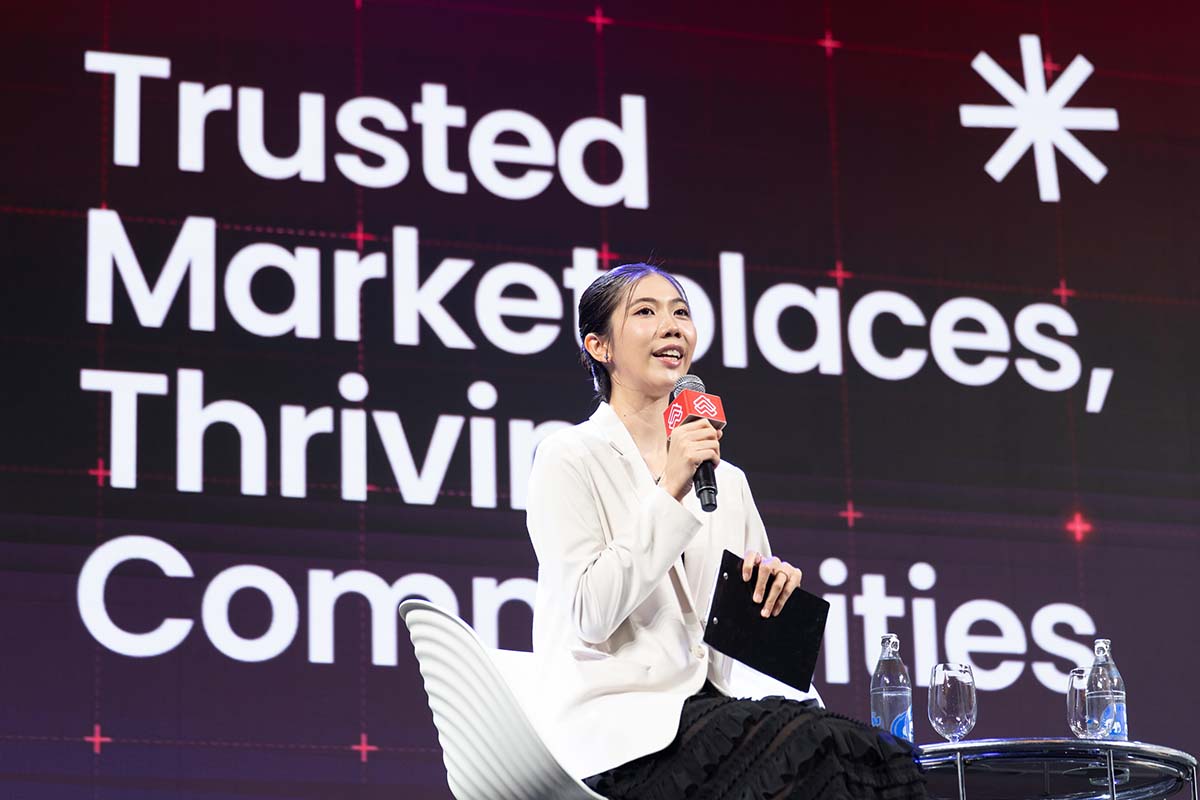
The week opened with the PropertyGuru Asia Real Estate Summit (ARES 2025), hosted by Tina Ryan, setting a collaborative and optimistic tone. In his opening remarks, Jules Kay emphasized the purpose of the summit as a space to connect people across all segments of the industry, acknowledging that the forces reshaping real estate affect everyone in the room. His call to move beyond listings, reduce noise, and rebuild trust resonated throughout the day. The underlying message was clear: trusted marketplaces are the foundation from which thriving communities grow.
Insights from ARES: Economy, Design, Technology, Wellness, and Leadership
The PropertyGuru Asia Real Estate Summit (ARES 2025) opened PropertyGuru Week with a sense of purpose and momentum. Hosted by Tina Ryan, the summit brought together voices from across disciplines, reinforcing the idea that today’s real estate challenges and opportunities cut across economics, design, technology, wellness, and culture.

In his opening remarks, Jules Kay set the tone by emphasizing connection. The summit, he said, exists to bring together people from all elements of the industry, acknowledging that the forces reshaping real estate affect everyone in the room. His call to move beyond listings, reduce noise, and rebuild trust resonated throughout the day. The message was clear: trusted marketplaces are the foundation from which thriving communities are built.
The macro perspective was anchored by Syetarn Hansakul, senior analyst for Asia at the Economist Intelligence Unit. She outlined a global and regional outlook shaped by three defining forces: artificial intelligence, geopolitical shifts, and evolving policy trends. AI, she noted, will be transformative, producing clear winners and losers. At the same time, geopolitical realignments are creating uncertainty that businesses must actively navigate. On a more encouraging note, she pointed to ASEAN’s continued push toward greener policies, reinforcing sustainability as both an economic and strategic imperative.
Design and experience emerged as powerful drivers of value in the Design Spotlight: Power of Place sessions. Simon Mitchell, co-founder of Sybarite Architects, a supporter of ARES 2025, emphasized that people may not remember buildings, but they remember how a place makes them feel.
Retail, hospitality, and mixed-use developments are increasingly conceived as immersive environments that blend entertainment, culture, and community. Luxury, the consensus held, is not declining but evolving, shaped by shifting consumer behavior and heightened expectations. Design today is strategy. It drives engagement, loyalty, and revenue, and every space matters.
This human-centered approach was echoed by hospitality leaders including Dino Sukosol Clapp, director and co-owner of Sukosol Hotels. Drawing from his experience as a third-generation hotelier and entrepreneur, Dino spoke about embedding wellness into hospitality in authentic ways, from thoughtful design to tangible benefits within hotel stays. His perspective highlighted how heritage brands can evolve while staying rooted in purpose.
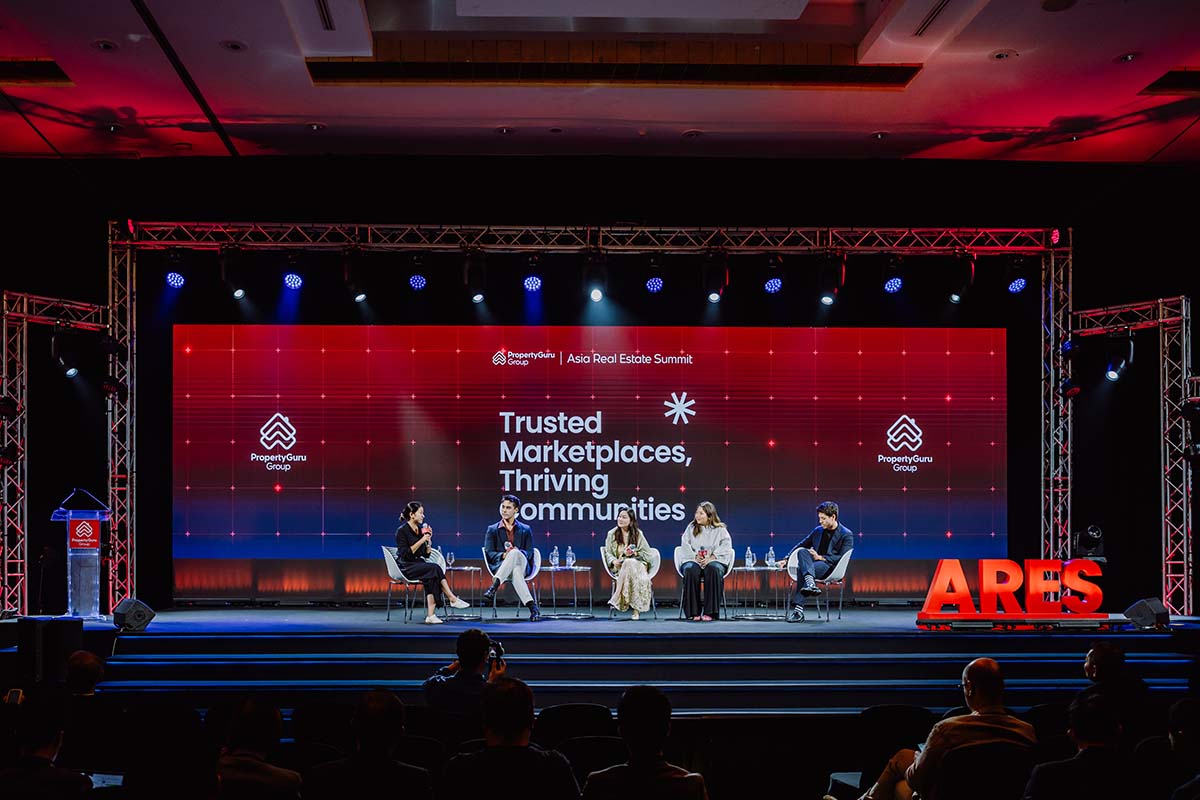
Wellness continued as a recurring theme throughout the day. Viona Zhang, deputy managing director of C9 Hotelworks and a meditation and mindful living teacher, spoke to the growing intersection between real estate, hospitality, and inner well-being. Her insights reinforced the idea that spaces influence emotional states, productivity, and long-term health. Similarly, Pim Pimchology, podcast host and wellness advocate, reflected on the importance of belonging and emotional connection, reminding the audience that thriving communities are built not only through infrastructure, but through shared experiences and identity.
Technology and trust converged in a compelling session by Duncan James Simpson, a cybersecurity expert with more than two decades of experience. He drew sharp parallels between cybercrime tactics and reality television, describing both as exercises in social engineering designed to influence behavior. In cybersecurity, however, the stakes are far higher. A single click can trigger serious consequences. Simpson emphasized that beyond technical solutions, organizations must build a culture of security through awareness, training, and sound processes, particularly as real estate transactions become increasingly digital.
Another notable contribution came from Anton Wormann, founder and CEO of Anton in Japan Media and Japandi Houses. Wormann shared insights from his cross-border work in Japan and beyond, touching on how cultural sensitivity, design philosophy, and long-term thinking are essential when advising investors and developers operating in unfamiliar markets. His perspective reinforced the importance of context, patience, and trust in international real estate.
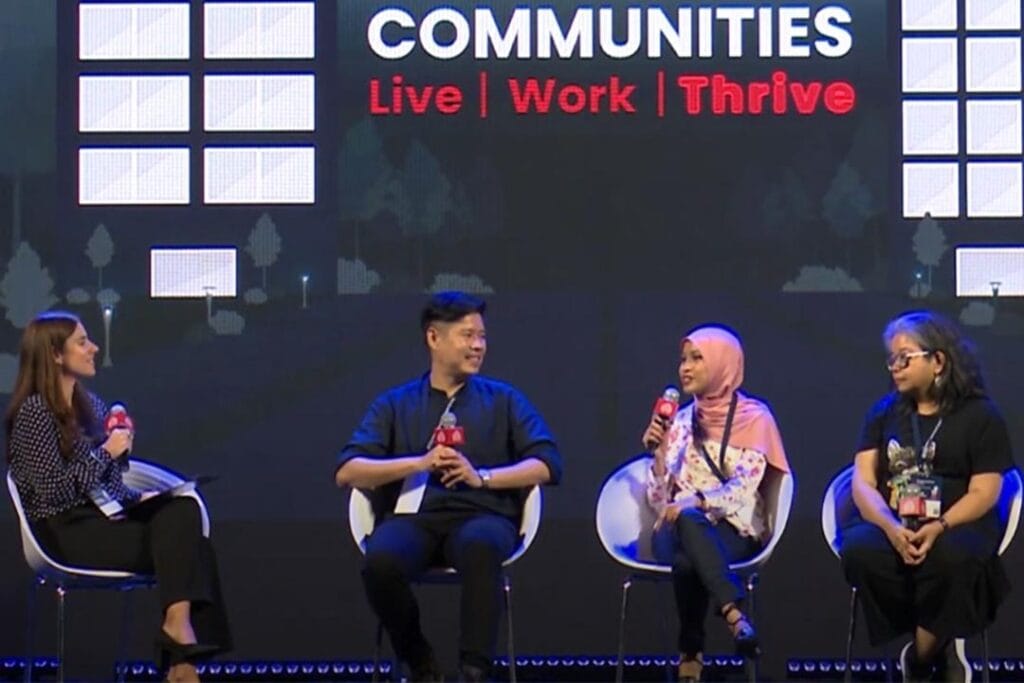
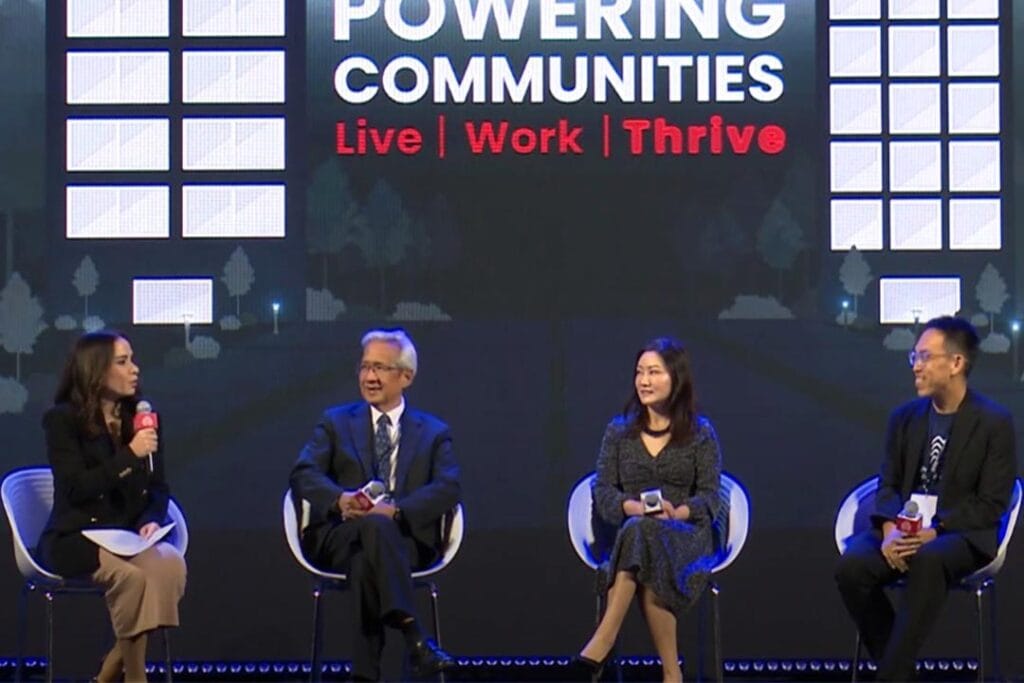
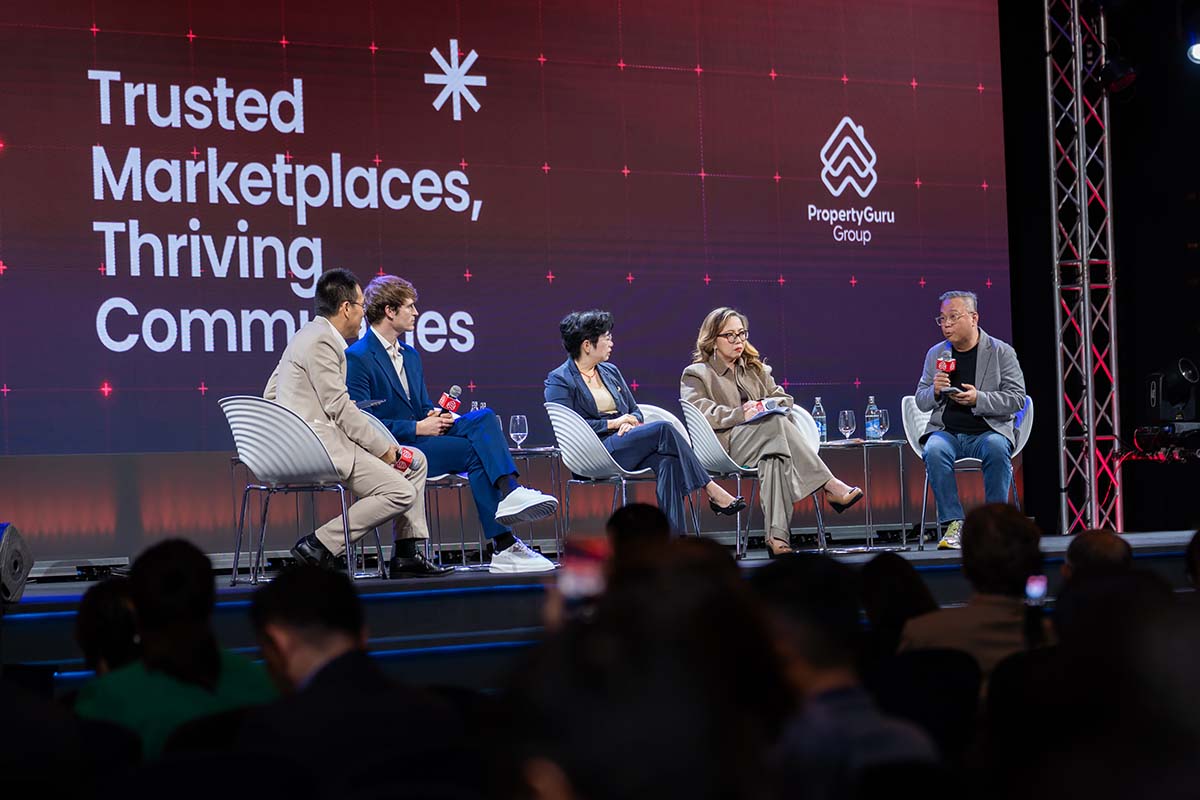
The conversation then shifted to urban resilience during the panel discussion “Resilient Cities in the Era of Digital Economies,” which examined how cities can adapt to rapid technological change while remaining inclusive and sustainable. Moderated by Sumitha Soorian, chief marketing and commercial officer of Headland Phuket and advisor to the Phuket Hotels Association, the session featured Ambassador Chantale Wong, former U.S. executive director to the Asian Development Bank; Cyndy Tan Jarabata, president of Tajara Leisure and Hospitality Group; Diep Do, green and resilient building program lead for Vietnam and Thailand at the IFC and World Bank; and Sanjay Popli, co-founder and group CEO of Cryptomind. The panel explored the intersection of digital economies, sustainable finance, and resilient infrastructure as key foundations for future-ready cities.
The summit closed on an inspiring note with a final address by Panipak “Tennis” Wongpattanakit, Thailand’s two-time Olympic gold medalist in taekwondo. Speaking beyond sport, Wongpattanakit reflected on discipline, resilience, and consistency, values that resonated strongly with an audience navigating uncertainty and transformation. Her journey, marked by precision, humility, and perseverance, served as a powerful metaphor for leadership and long-term success, leaving the room energized and reflective.
Together, the sessions at ARES 2025 underscored a central truth: the future of Asia’s built environment will be shaped not by a single discipline, but by the convergence of economics, design, technology, wellness, culture, and human values.
PropertyGuru Week 2025 unfolded as a timely reflection of where Asia’s real estate industry stands today and where it is heading next.
Celebrating Leadership: Power Women
Immediately following ARES, the ARES VIP Party: Celebrating Power Women offered a more intimate moment to recognize leadership shaping the region’s built environment. The atmosphere was celebratory and energizing, honoring women whose work continues to influence governance, sustainability, hospitality, innovation, and community development. It was a fitting pause to acknowledge that inclusive leadership remains central to building trust and long-term value.
The Heart of PropertyGuru Week: The Asia Property Awards
If ARES set the intellectual tone for PropertyGuru Week, the 20th PropertyGuru Asia Property Awards Grand Final delivered its emotional and symbolic peak. The milestone evening brought together winners from 13 property markets, culminating in the presentation of more than 90 “Best in Asia” honors across developer, development, and design categories.
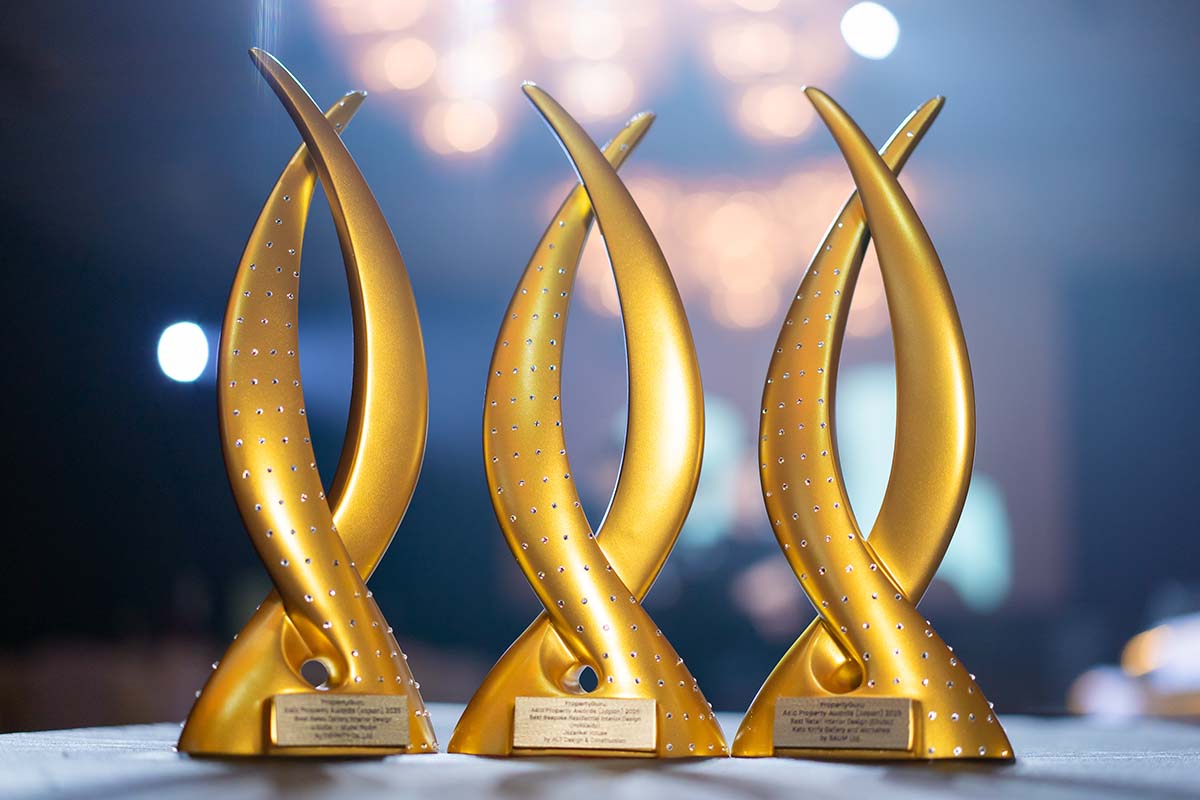
The scale of achievement on display was striking. Henderson Land Development Company Limited of Hong Kong was named Best Developer (Asia), while Malaysia emerged as the top-performing country, taking home 17 awards across a broad range of categories. Strong showings from Indonesia, Vietnam, Singapore, the Philippines, Thailand, Australia, Japan, Sri Lanka, and the Middle East reflected both the diversity of markets represented and the momentum still driving development across the region.
Winning projects spanned record-setting skyscrapers, integrated townships, branded residences, hospitality landmarks, and affordable housing, underscoring the industry’s ability to respond to multiple demands at once. Sustainability, connectivity, wellness integration, and community-centric planning were recurring themes, signaling where Asia’s developers are placing long-term bets.
One of the evening’s most resonant moments came with the presentation of the PropertyGuru Icon Award to Supaluck Umpujh, chairwoman of The Mall Group. Her recognition for pioneering mixed-use and retail development, including Bangkok’s transformative EM District, stood as a reminder of the enduring impact visionary leadership can have on urban life.
Beyond the trophies and celebration, the awards carried a deeper message. In a year shaped by economic uncertainty and shifting conditions, the breadth and ambition of the winning projects underscored the resilience of Asia’s real estate sector. Developers across the region are continuing to invest in sustainability, wellness, placemaking, and long-term community value, even amid headwinds.
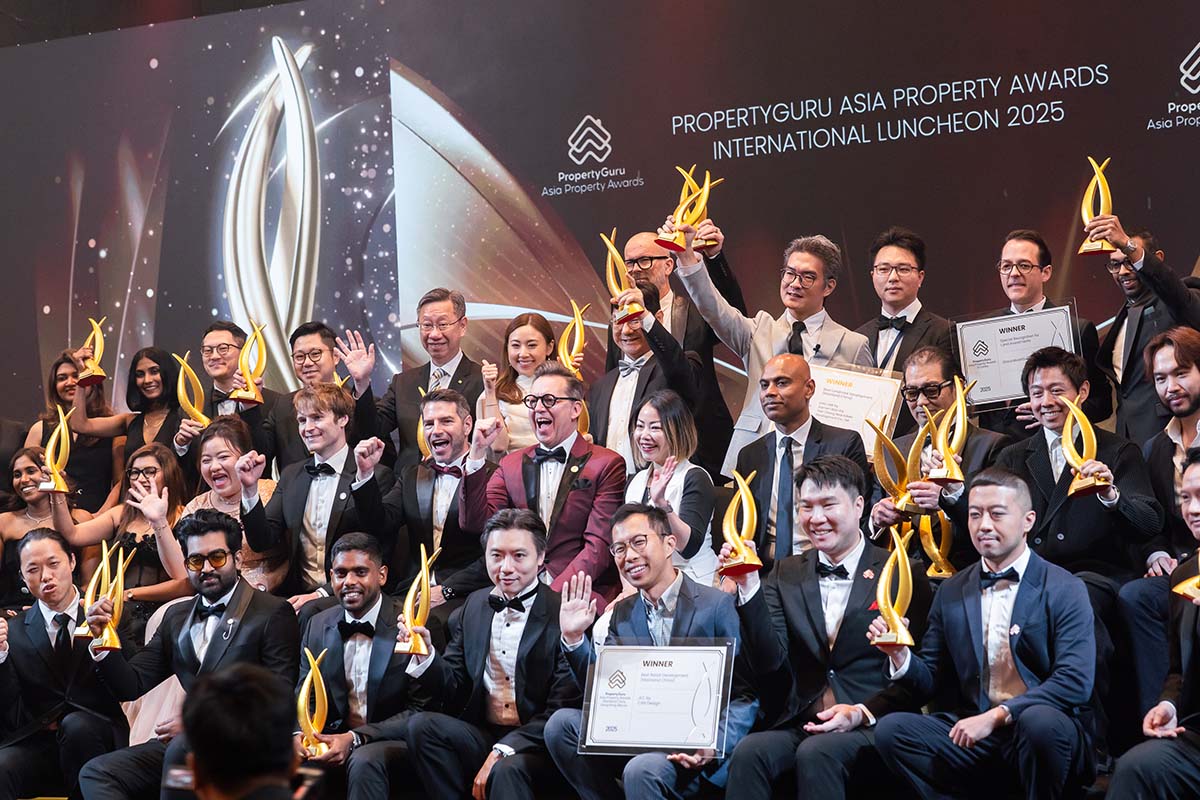
View the complete list of winners and award categories from the 20th PropertyGuru Asia Property Awards Grand Final here.
Creator Spotlight: Trust in the Digital Age
PropertyGuru Week concluded on Dec. 13 with Creator Spotlight, held at Cinema Oasis in Bangkok. Kevin D. W. Tai returned to the stage, this time focusing on trust-led storytelling and authenticity in the creator economy. Drawing from his experience in health, wellness, and media, Tai spoke candidly about building influence without filters, emphasizing consistency, transparency, and human connection across platforms.
I attended the session alongside fellow creators, and the discussion that followed was as engaging as the presentation itself. We exchanged perspectives on platforms, audience trust, and the discipline required to show up authentically over time. Adding a personal note to the close of the week, I also walked away with a prize from the raffle, a lighthearted end to an otherwise substantive series of conversations.
A Week That Reflected the Moment
PropertyGuru Week 2025 succeeded in capturing the complexity of the current real estate cycle while offering clarity on what matters most moving forward. Trust, whether in marketplaces, technology, leadership, or storytelling, emerged as the defining thread. Equally clear was the role of community, not as a buzzword, but as a measurable outcome of thoughtful design, governance, and engagement.
As the industry looks ahead to 2026, the conversations in Bangkok served as both a mirror and a map, reflecting present challenges while pointing toward a more resilient, people-centric future for Asia’s built environment.