
Let’s face it: Japan’s usual haunts often land you right in the thick of the madding crowd—like jostling through packed streets in Kyoto, elbows out, fighting for that perfect temple shot. Or, weaving through the swarming masses at Shibuya Crossing, dodging pedestrians in every direction just to make it to the other side. Or, getting swept up in the neon chaos of Osaka’s Dotonbori, where every corner is a new crowd, every restaurant has a line, and every shop begs for your attention.
It’s not that the big tourist sites are overrated (okay, maybe sometimes), but there’s something about those experiences that, while exciting, also feel…a little, well, hollow. Enter Walk Japan, a company that’s been turning conventional travel on its head since 1992.
While it is a Hong Kong-based venture, Walk Japan isn’t just another tour operator with commercial interests in Japan. It’s a movement; built on the idea that travel doesn’t need to be fast and furious to be epic. You don’t need to race through temples and shrines to feel like you’ve “seen” Japan. What you need is time—and the right guide to show you the heart of a country that doesn’t reveal itself in a rush.
Walk Japan grew out of Hong Kong University—understanding, along with appreciating and enjoying, Japan and its people is fundamental to everything we do.
Paul Christie, Chief Executive Officer of Walk Japan
As Paul Christie, the CEO of Walk Japan, explains: “Walk Japan grew out of Hong Kong University—understanding, along with appreciating and enjoying, Japan and its people is fundamental to everything we do.” He adds, “Our modus operandi is small-group walking tours that allow us to immerse ourselves into our surroundings and readily appreciate everything we see and experience.”
So, forget the selfie-stick sensationalist seekers. Let’s go for something deeper.This is Japan, but maybe not as you know it.
The art of luxury, redefined
When you think luxury, what comes to mind? White-glove service? Champagne on tap? Sure, that’s one version. But when it comes to Walk Japan, luxury is something entirely different. It’s about getting under the skin of a country. It’s the luxury of connection—of immersing yourself in a place so deeply that you feel like it’s part of you.
Christie goes on to say: “The ultimate luxury of a Walk Japan tour is really coming to understand and feel at home in Japan.” He continues, “We have great breadth and depth of experience with Japan. As just one example in Walk Japan, I first arrived in the country in 1987 at the height of Japan’s ‘bubble years’, have worked with Japanese people both within and without the nation in a variety of industries, and have been living and farming in Oita Prefecture’s deep countryside since 2002.”
For example, Walk Japan’s Shio-no-Michi: The Salt Road tour isn’t just a hike; it’s a journey back in time. You’re walking a centuries-old trade route, tracing the steps of Edo-period merchants as you pass through quiet villages, ancient shrines, and centuries-old stone Buddha statues. In other words, it’s the kind of experience you won’t get by cramming your schedule with Instagram-friendly spots.
PRO TIP : While the Salt Road trail is beautiful, it’s also a bit rugged. Solid, comfortable shoes are a must. And don’t skip the post-hike onsen (hot spring)—it’s the ultimate reward for a day on the trail.
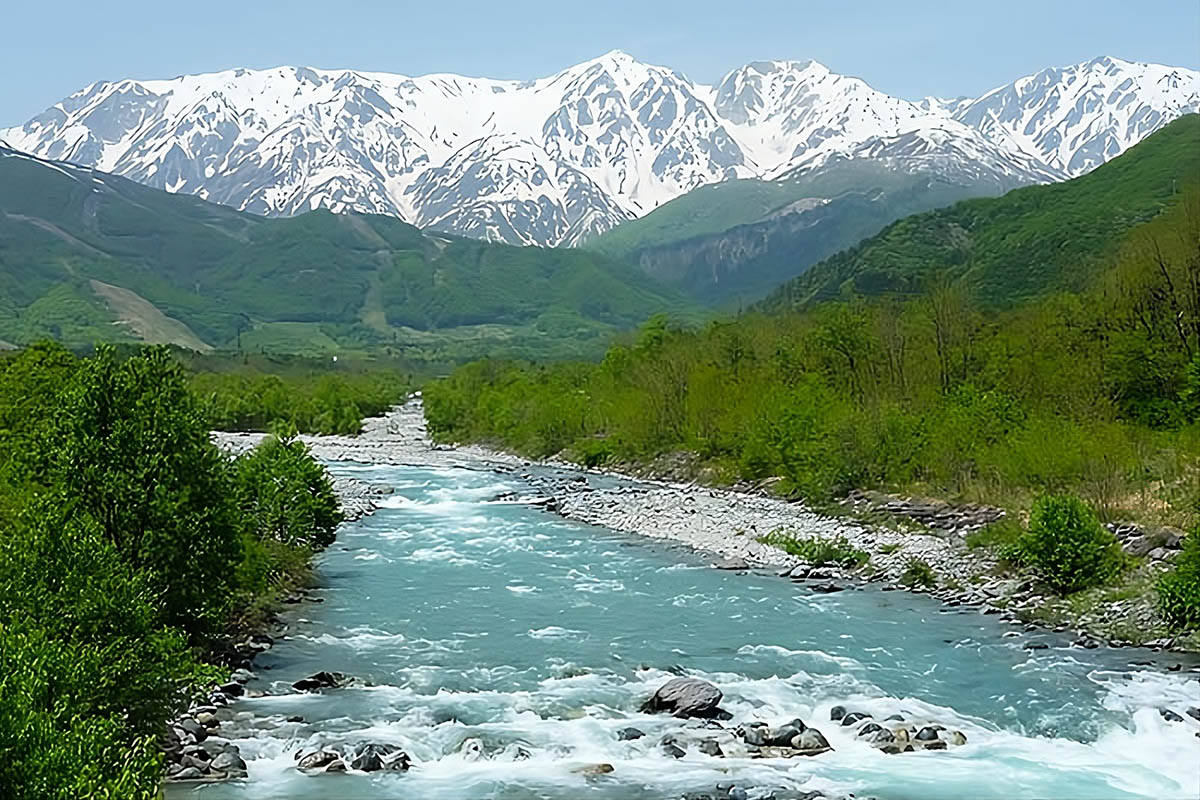
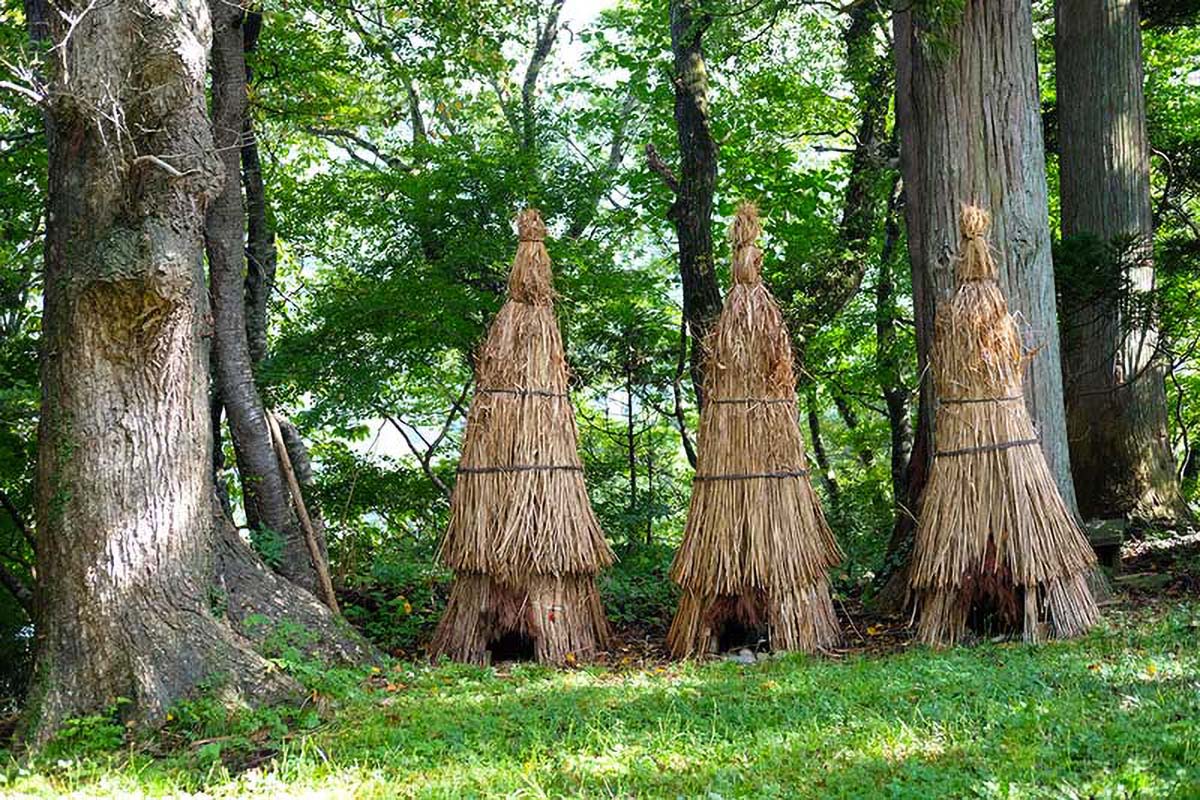
Some of the stunning views along Walk Japan’s Shio-no-Michi: The Salt Road tour: the serene Takasegawa River, offering a peaceful backdrop and the charming, thatched straw shelters dotting the hiking trail, evoking a sense of timeless rural life.
ALL IMAGES COURTESY OF WALK JAPAN.
Getting away from the chaos
While Japan’s megacities are constantly buzzing, there’s an entire country beyond the neon lights that gets far less attention—and it’s here where Walk Japan really excels. Off-the-beaten-path doesn’t just mean less crowded. It means deeper, more meaningful, and yes, more rewarding.
In a world of overtourism, where hotspots like Tokyo and Kyoto are feeling the strain, Walk Japan flips the script. They’re taking you places that even the locals overlook—rural villages, remote mountain trails, and hidden temples. Not only are these spots free of the usual tourist crush, but they’re often areas in desperate need of economic support. Christie is adamant: “From the beginning, our tours have been firmly focused on the oft-overlooked regions of Japan by Japanese themselves let alone overseas visitors.”
“Our tours help sustain and regenerate local communities and are at the core of our Community Project,” Christie adds. “For example, our first tour, the Nakasendo Way, began in 1992 and, in many cases, we have been using the same inns ever since, helping them to remain open and become prosperous some 33 years later.”
When you sign up for a Walk Japan tour, you’re not just visiting a village—you’re directly contributing to its revival. Your spending goes to the very people who are preserving the culture and traditions you’re experiencing.
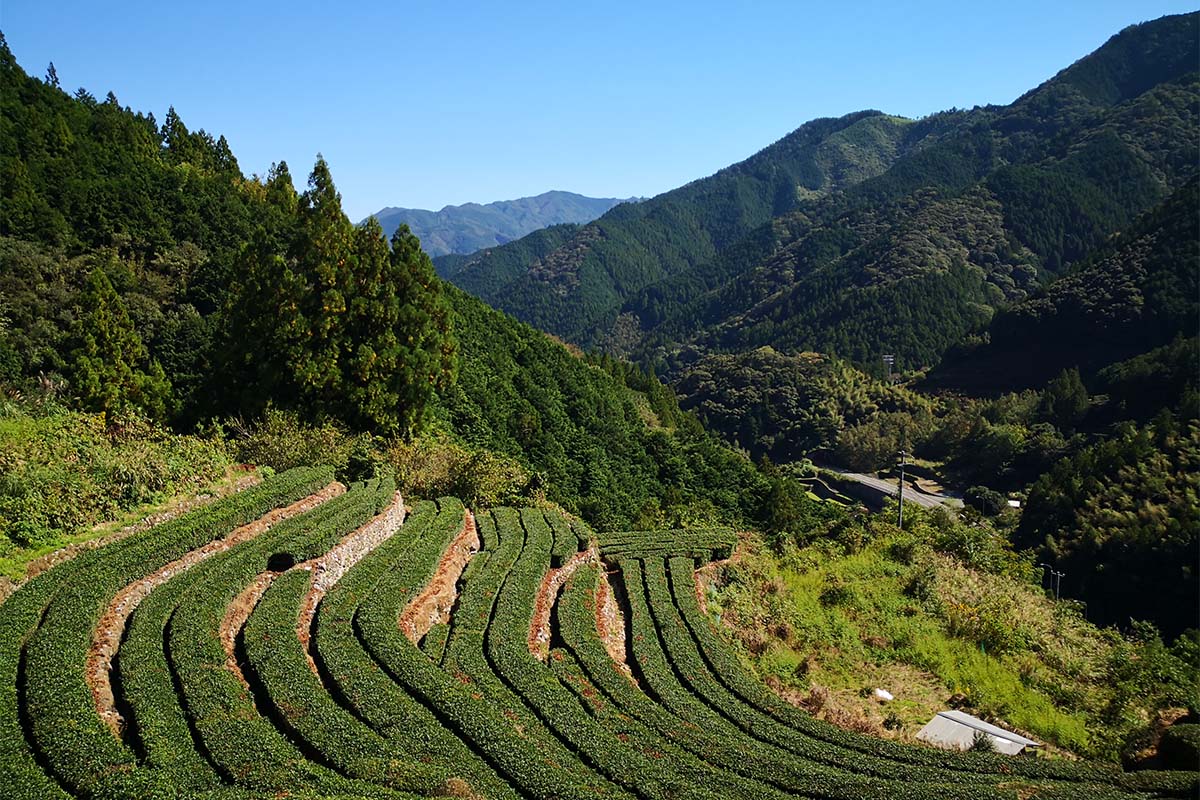
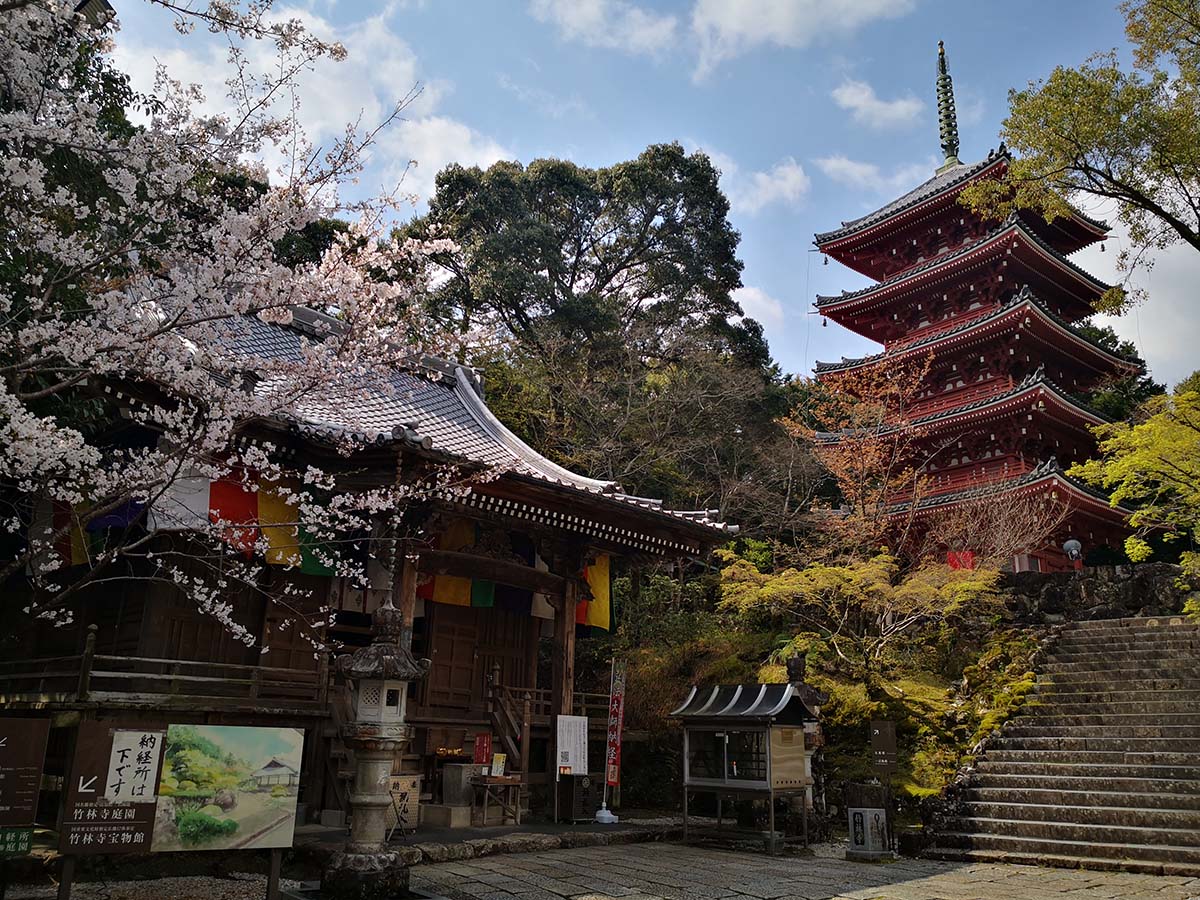
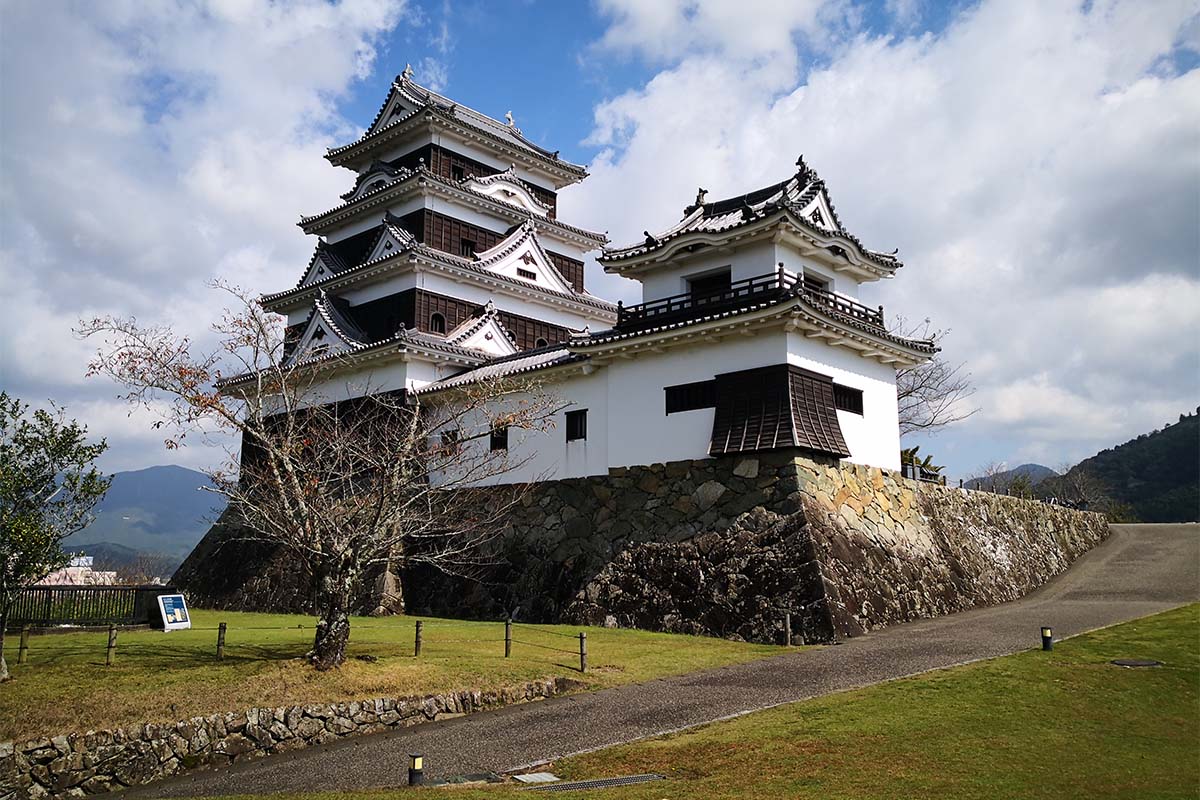
Scenes from Walk Japan’s Shikoku: Kochi & Ehime Discovery tour (L-R): the breathtaking Dappan-no-Michi Rice Terraces, showcasing the region’s agricultural beauty; Chikurin-ji Temple, the 31st temple of Shikoku’s renowned 88 Temple Pilgrimage, steeped in spiritual history; and the majestic Ozu Castle, standing proudly as a symbol of the area’s feudal past.
The power of small groups
Big bus tours and crowded sights are out. Walk Japan’s magic happens on a much smaller, more intentional scale. Think of it as VIP treatment, but without the glitz. Each tour is capped at 12 participants—enough people for meaningful conversation but not too many to feel like you’re in a herd. This small-group setting lets you experience Japan in a way that feels personal.
Imagine walking through Shikoku’s scenic mountains, stopping at a quaint family-run restaurant where the chef knows you by name, or being welcomed into a rural home on the Kunisaki Peninsula where you’re offered a seat at the dinner table. Christie explains: “We have a maximum group size of 12, which allows us to use locally owned and run family accommodation, restaurants, bento picnic lunch box providers, and taxi companies. The money we pay to these providers has a greater local economic impact than would otherwise be the case if the ultimate owners lived elsewhere.”
PRO TIP : Pack light! The weather in Shikoku can change fast—layers are your best friend. And don’t forget your camera, but use it sparingly. The scenery here deserves your full attention.
But it’s not just about convenience and community—it’s also about quality. Walk Japan’s guides are more like local insiders than traditional tour leaders. They’re experienced, passionate, and often bring their own deep knowledge of Japan’s lesser-known history, culture, and natural beauty. In fact, it’s this very aspect of the company that consistently earns rave reviews online.
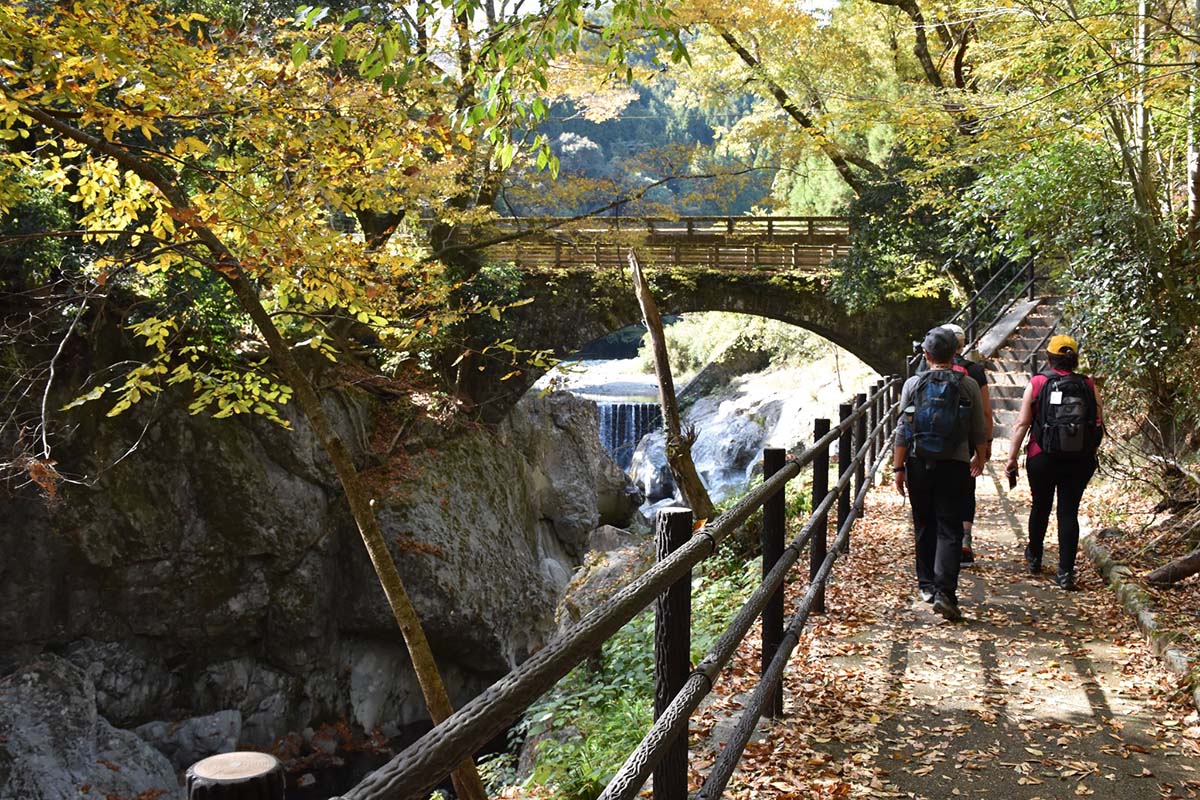
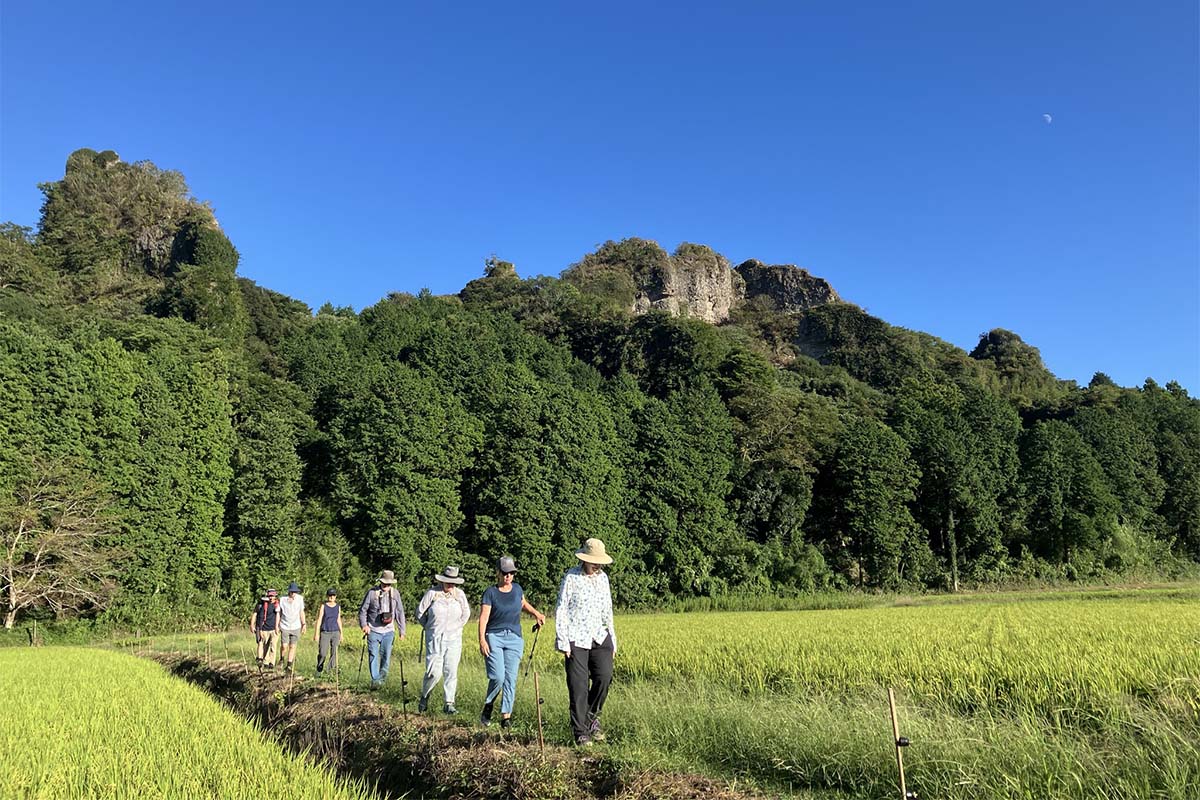
Walk Japan’s small group tours embrace the spirit of slow tourism, allowing travelers to connect deeply with Japan’s landscapes, culture, and history. Whether walking through rice terraces, exploring ancient temples, or hidden trails, these intimate tours offer the time and space to savor every moment and discover Japan at a more personal pace.
Travel with purpose
In a world where travel can often feel transactional, Walk Japan adds a layer of purpose that’s increasingly rare. This isn’t about ticking boxes; it’s about creating a lasting impact—on you, on the locals, and on the environment. Their tours aren’t just about seeing the sights—they’re about understanding them, respecting them, and leaving them better than you found them.
Take the company’s Kunisaki Peninsula Community Project. By bringing travelers to this underappreciated corner of Japan, Walk Japan is helping to revitalize a rural community that’s been in decline for decades. Through farming, restoring old houses, and providing local employment, they’re breathing new life into an area that’s been overlooked by traditional tourism. Christie says, “We are successfully regenerating a beautiful but long-declining rural region through bringing travelers on tour, providing local employment at our offices and through our farming activities, expanding our agriculture operations as farmers retire without successors, renovating and repurposing akiya vacant property into homes, guest houses, rental accommodation and offices, providing English Language education and turning plantations into more natural forests.”
It’s a model that’s both sustainable and symbiotic: you travel, you learn, you contribute, and in return, you get a connection to Japan that no guidebook could offer.
Ahead on the road
So, where does Walk Japan go from here? As the company marks over three decades in business, the plan is simple: evolve, but stay true to what they do best. They’re always tweaking their itineraries, developing new routes, and even experimenting with self-guided tours. Yet, the focus remains the same: intimate, immersive experiences in places few get to see.
Our long-term vision is for Walk Japan to remain the trusted by-word for travel in Japan.
Christie’s long-term vision is clear: “Our long-term vision is for Walk Japan to remain the trusted by-word for travel in Japan. We have created a vibrant, growing and respected company by growing without compromising our strong values, by continually tending to the quality of our tours and business as a whole, and through commitments to the long term. And, we are always working to raise our own bar.”
And with that, Walk Japan is poised to rise above travel trends—it’s part of a deeper movement in travel: the rise of conscious, slow, more responsible and sustainable tourism.
Off-the-beaten-path—and deeper
In a world that’s increasingly looking for more meaningful travel experiences, Walk Japan offers just that—a chance to leave behind the crowds and rediscover Japan on your own terms. Whether it’s the quiet pilgrimage paths of Shikoku or the rugged beauty of the Noto Peninsula, the experience isn’t just about what you see—it’s about what you learn, who you meet, and how you change.
Travel doesn’t have to be about rushing through to the next hotspot. It can (and likely should) be about slowing down and letting a place reveal itself on its own terms. And for those of us who are tired of the tourist traps, Walk Japan offers an antidote that feels not only refreshing but revolutionary.