
Long before they became a global sensation—or a fixture in Tokyo stationery shops—the Moomins began as doodles in the margins of political satire. Finnish-Swedish artist and writer Tove Jansson introduced the first Moomin in a 1945 novel, The Moomins and the Great Flood, in the wake of World War II. Born out of existential dread and longing for peace, these hippo-shaped beings with heart and humor have since become icons of Nordic storytelling. But despite their deeply Scandinavian origins, Jansson was adamant that the Moomins transcend nationality.
“Tove Jansson was very careful not to make the Moomins specifically Finnish,” says Roleff Kråkström, CEO of Moomin Characters Oy, the company that manages the brand. “She deliberately avoided references to Finnish traditions, place names, or national symbols. Instead, she wanted to address universal values.”
Even the word Moomin means nothing in either Finnish or Swedish. “It was constructed to sound palatable across all languages,” Kråkström explains. “The character design is also very geometric and abstract. It’s not a bear, wolf, or any Scandinavian animal. The idea from the beginning was universality.”
Outsiders with heart (or, why Japan fell hard for the Moomins)
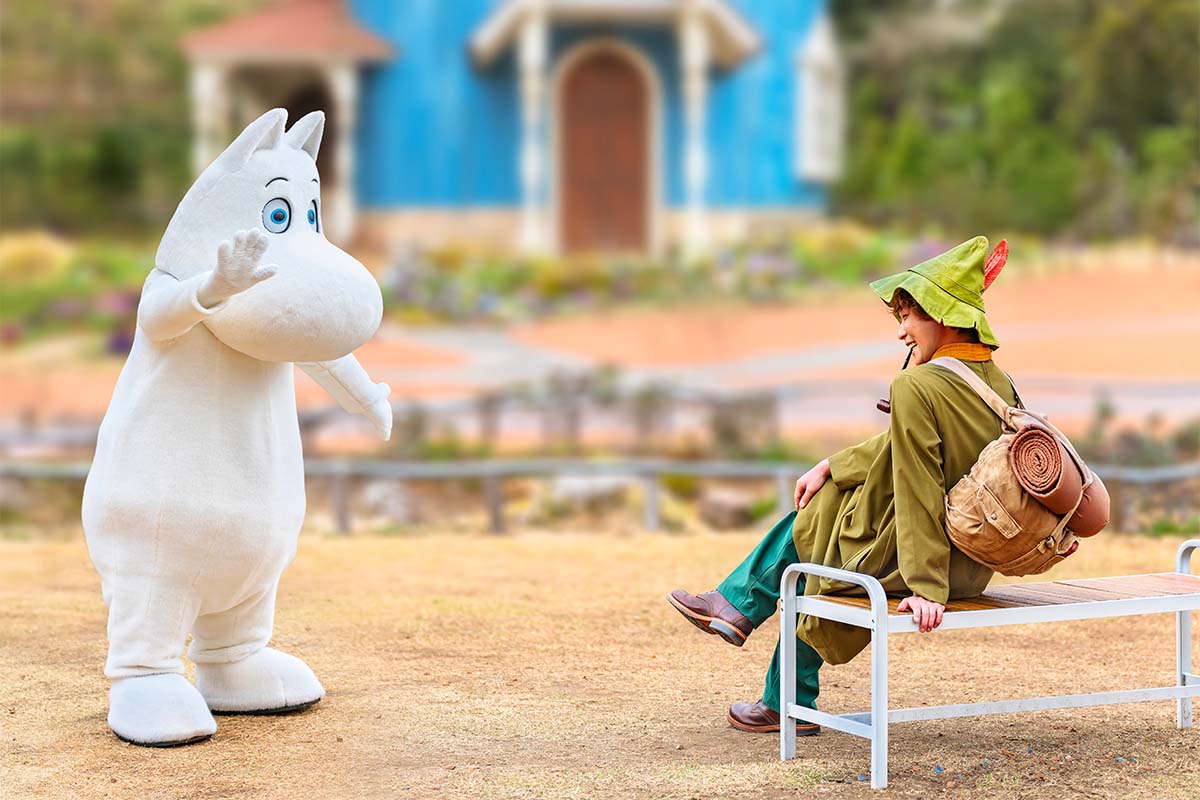
Ask most any Japanese Boomer, Gen Xer, or Millennial if they know the Moomins, and the answer is likely an enthusiastic yes. But their origin story in Japan goes beyond kawaii aesthetics and the nation’s fondness for its yuru-chara.
“It’s a mix of luck, timing, and cultural affinity,” says Kråkström. In the early 1960s, Japan’s national broadcaster NHK (Nippon Hōsō Kyōkai) picked up the Moomins—along with Heidi, Girl of the Alps—as part of its early foray into foreign animation. “With only one TV channel at the time, those shows reached an entire generation. That sheer reach created a powerful cultural imprint.”
But it wasn’t just access. It was connection. “Japan and Finland share similarities,” he notes. “Both are small nations next to huge neighbors—Japan with China, Finland with Russia. Both cultures developed languages and ways of expression that pack a lot of meaning into very few syllables.”
Postwar Japan was hurtling through a transformation—rural traditions giving way to urban life, rice paddies morphing into bullet trains. The Moomins, with their cozy valley life and imperfect, lovable characters, offered something deeply grounding. “They resonated with people whose everyday lives were rapidly changing but whose value systems were still tied to older, agrarian traditions.”
The Moomins as philosophical mirrors—imperfect, on purpose
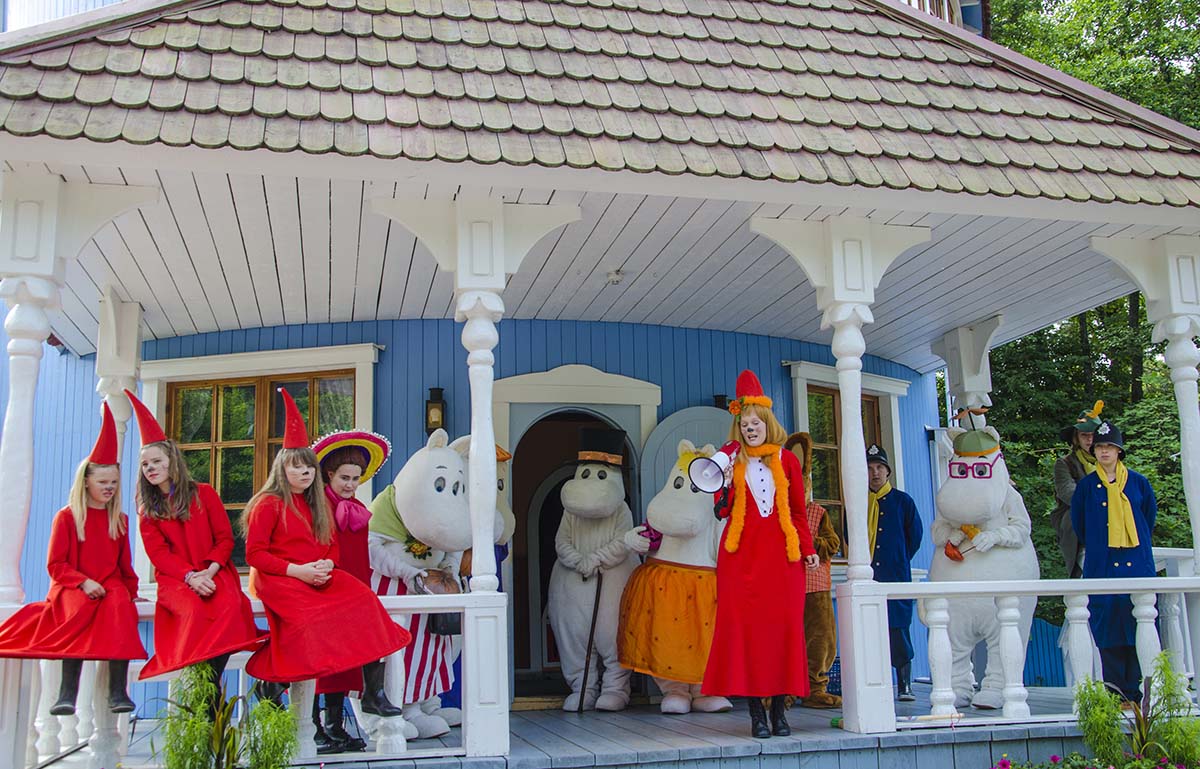
So why do these creatures still matter, 80 years after their creation? Because they’re weird. And imperfect. And real. “Relatability,” says Kråkström. “The Moomin characters aren’t perfect. Moominmamma can be overwhelmed, Moominpappa can be insecure, Little My can be very annoying. They are flawed and human-like.”
But the philosophy beneath the fur (or snouts?) runs even deeper. “The deeper message Tove Jansson gave us is this: we are all afraid,” he says. “No matter how big or small, everyone feels fear. The important part is to acknowledge it, to be brave, and then to act.”
That mix of psychological depth and radical kindness has proven universal. “Only then can we be generous, tolerant, respectful of nature, and kind to others,” Kråkström adds. “That philosophy gives hope. It’s timeless.”
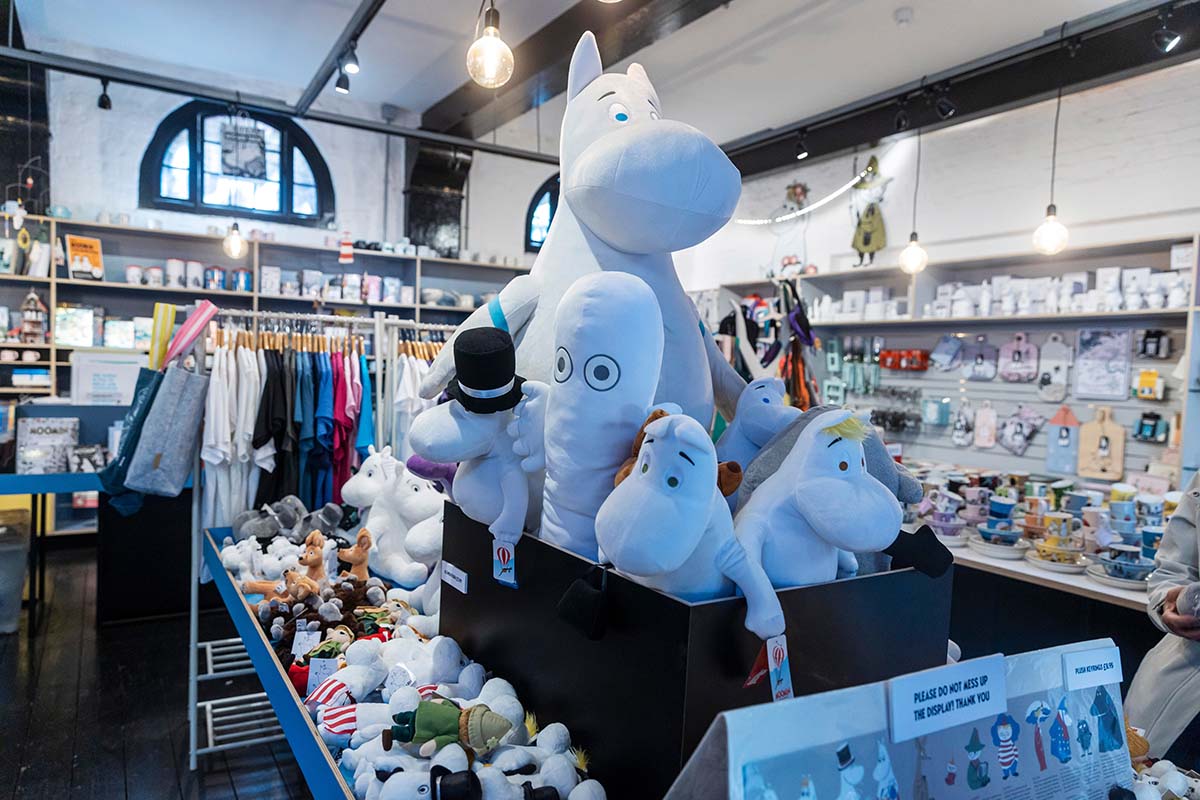

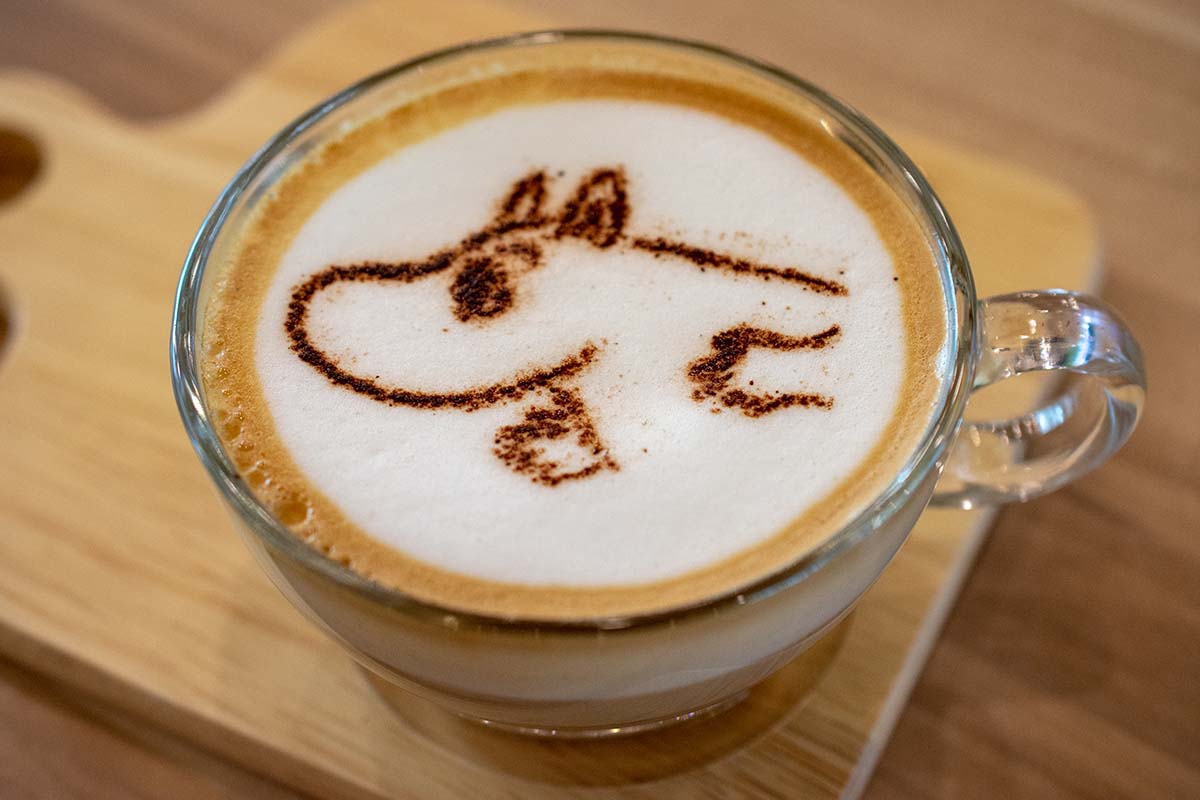
The emotional connection is real — and so is the empire. From plushies and stationery to cafés and theme parks, the world just can’t get enough of the Moomins.
From Tokyo to Turku: a soft-power empire of cuteness
The emotional connection is real—but so is the business. Moomin Characters Oy is no small operation. In a 2016 interview with the University of British Columbia, Kråkström said that Japan accounted for around 50% of global Moomin-related revenues —roughly €300–350 million of the €600–700 million global market at the time. Today, that presence includes licensing partnerships that stretch from toys, paper products, clothing lines, and cosmetic products to cafés and entire theme parks.
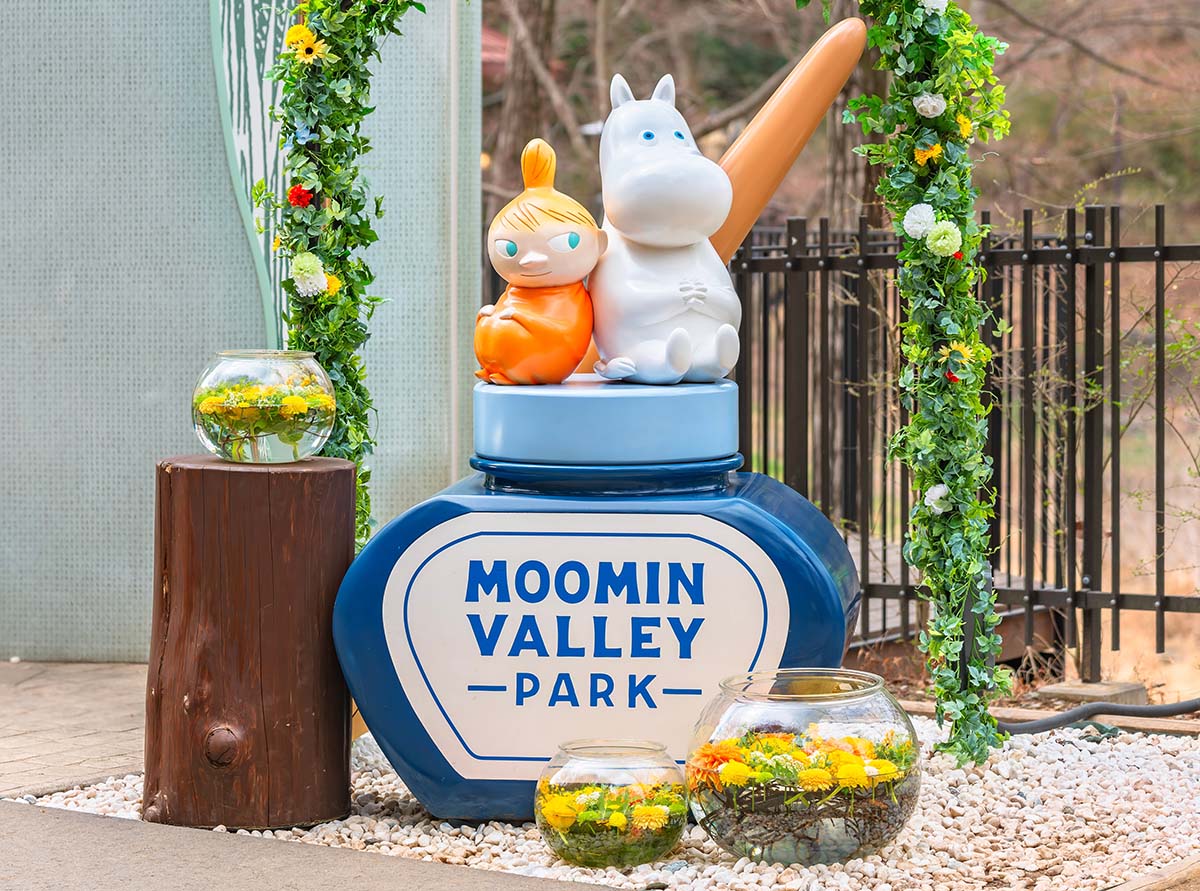
Moominvalley Park in Hanno City, Saitama Prefecture, about an hour outside of Tokyo, draws hundreds of thousands of visitors annually. It’s a serene, Scandinavian-style escape—complete with replicas of the Moominhouse and a forest walk dotted with characters. But this isn’t Disney. There’s no blaring music or overwhelming merchandising. It’s calm, even meditative.
What makes the Moomins so rare—and valuable—as a cultural export is their elasticity. They’re global, but never generic. They’re warm without being saccharine, philosophical without being preachy.
That’s intentional. As Kråkström puts it: “The Moomins are not about noise or flash. They are about emotion, storytelling, and values.” Japan got that, early—and has arguably become the most emotionally attuned Moomin-loving nation outside of Finland.
Beyond Japan, the Moomins have found devoted audiences across Europe and beyond. In Poland, the Moomins have long held a special place in the public imagination: as early as 1977, Polish studio Se‑Ma‑For produced Opowiadania Muminków, a stop‑motion‑style adaptation of Tove Jansson’s talesEarlier animation history includes Polish productions like Opowiadania Muminków (1977–82) by Se‑Ma‑For in Łódź. Their presence since then is felt everywhere—from exhibitions and educational initiatives to public awareness campaigns. In the UK, meanwhile, many first discovered them through the 1990s BBC broadcast of a dubbed Japanese Moomin series, which still continues to generate waves of nostalgia. Likewise, Sweden has embraced the Moomins through cultural displays and immersive exhibitions, while fan communities and exhibitions are growing in the Netherlands, Germany, and South Korea. The Moomins’ deep cultural integration reflects a lasting affection and familiarity that spans generations.
Overall, it’s the enduring appeal of Tove Jansson’s original books—together with a steady stream of merchandise and exhibitions—that has made the Moomins a beloved part of global pop culture.
Cultural code-switching in a post-global world
What makes the Moomins so rare—and valuable—as a cultural export is their elasticity. They’re global, but never generic. They’re warm without being saccharine, philosophical without being preachy. And as Kråkström reminds us, they’re one of the few major children’s brands to emerge from a place of postwar reflection, not commercial ambition.
That might explain why they continue to build bridges—quietly, powerfully—between worlds. “Themes of acceptance, inclusiveness, gender equality, tolerance, sustainability, and respect for nature—these are deeply Scandinavian values,” he says. “And they are strongly present in the Moomins. In that sense, they reflect the soul of our culture.”
But in a world increasingly fractured by algorithm-driven identities and cultural silos, the Moomins remain something far more radical: gentle, inclusive, and universal by design.
And that might just be the most Finnish—and the most Japanese—thing about them.