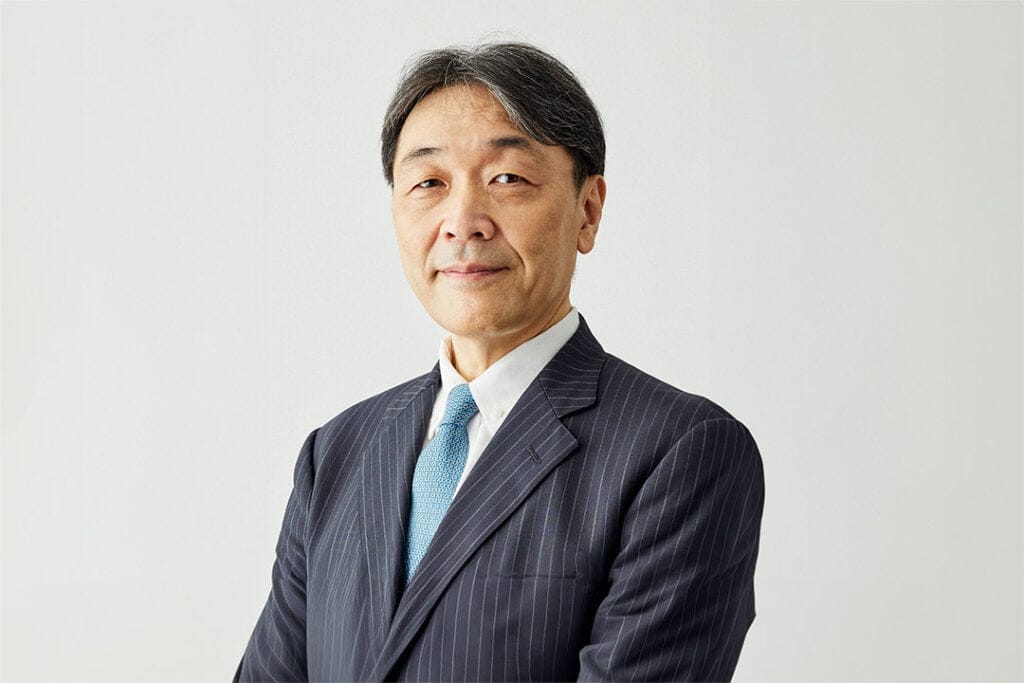

Hirofumi Yamaguchi, President Director of PT Marubeni Indonesia speaks with Bridges.
Bridges: There are very strong ties between Japan and Indonesia. How would you describe this close partnership, and how do you believe Marubeni can contribute to this important relationship?
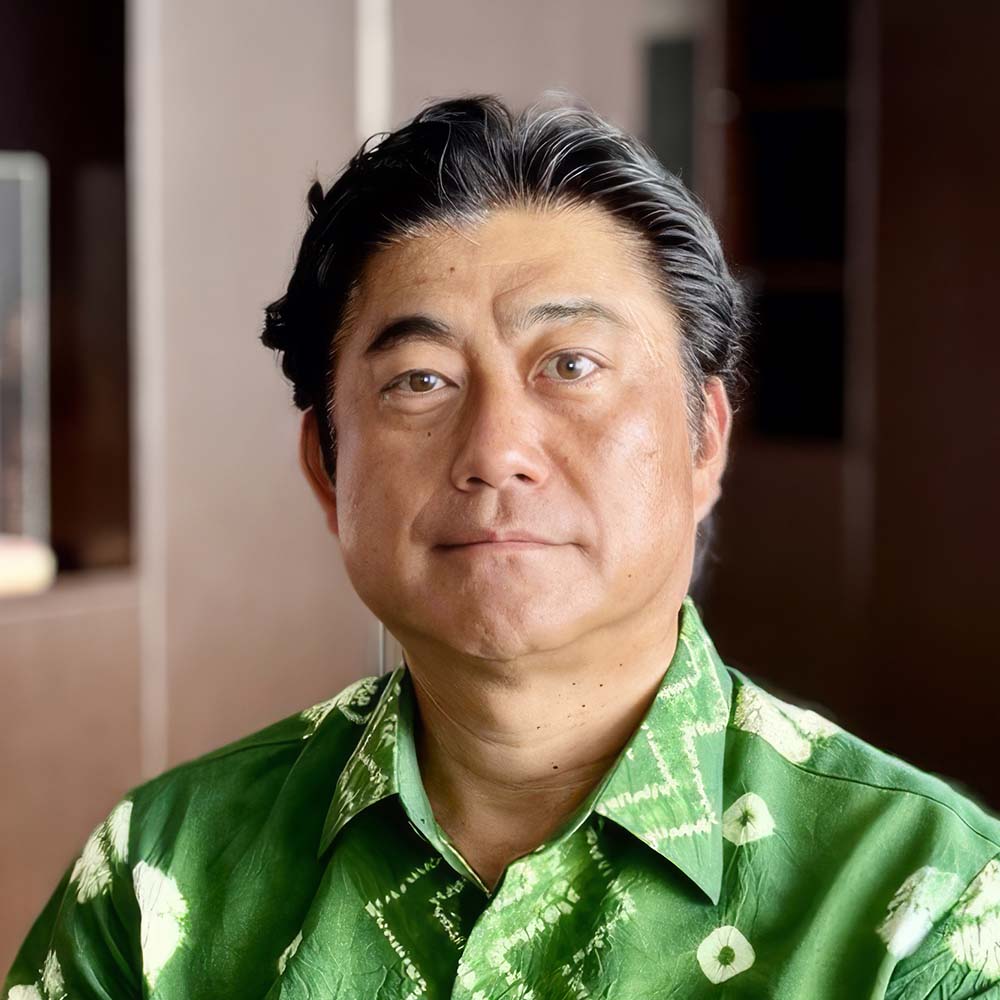
Yamaguchi: Japan and Indonesia have built a strong and mutually complementary economic relationship over many years. Combining Indonesia’s abundant natural resources and young, dynamic population with Japan’s technological capabilities and capital creates significant value for both countries.
In Indonesia, Marubeni has established a strong business base through a wide range of trading activities, including chemicals such as synthetic resins, forest products such as pulp, metal-related products and coffee, as well as the construction and/or investment & operation of power plants, Industrial plants, telecommunications infrastructure, and industrial estate.
Going forward, while maintaining these business base and platforms, we will leverage the knowledge and track record we have developed to focus on businesses closely connected to people’s daily lives and social needs, including automotive-related services, food, healthcare and wellness. By utilizing the experience and extensive network of the Marubeni Group, we are actively addressing the social challenges Indonesia faces, including supporting the stable supply of essential services, expanding people-oriented services that make maximum use of digital technologies, and upgrading social infrastructure. Through these efforts, we aim to contribute to sustainable growth in both countries and strengthening of the bilateral relations as a “strategic partner” and “project developer” that creates new value together with our Indonesian partners. ASEAN, including Indonesia, is positioned as one of the most important regions in Marubeni’s Medium-Term Management Strategy GC2027.
“Japan and Indonesia have built a strong and mutually complementary economic relationship over many years.”
Hirofumi Yamaguchi, President Director of PT Marubeni Indonesia

Regarding Marubeni’s business in Indonesia, are there any projects recently completed or currently underway in Indonesia that you would like to introduce to readers as successful examples?
One of the businesses that the Marubeni Group has been engaged in for many years in Indonesia is a sustainable plantation and pulp integrated business in South Sumatra. Through PT. MHP (Musim Hutani Persada), an industrial plantation company, and PT. TEL (Tanjungenim Lestari Pulp and Paper), a pulp manufacturing company, we operate an integrated business covering the entire value chain, from plantation development and forest management to pulp production and sales. In addition to practicing sustainable forest management, we have contributed to the development of local communities over many years through various initiatives, including job creation and infrastructure development. We consider this business one of the Marubeni Group’s flagship operations in Indonesia.
Another business area we have focused on in recent years is automotive maintenance services. We are introducing to Indonesia the successful model of “B-Quik,” which has a strong market presence in Thailand, and expanding its store network through PT BQuik Otomotif Indonesia (BQI). In Indonesia, where motorization is advancing rapidly, BQI provides safe and transparent vehicle maintenance services, helping consumers enjoy a more convenient and fulfilling motoring life. A major feature of this business is that it combines the expertise and network the Marubeni Group has cultivated over many years and develops them into a new business platform.
In the healthcare sector, we have also invested in and joined the business of PT One-ject Indonesia, a manufacturer of medical consumables. This initiative is part of the “next-generation social infrastructure business” outlined in GC2027. Together with one of Indonesia’s leading manufacturers of medical consumables such as syringes, we aim to respond to the country’s rapidly growing healthcare needs and government policies promoting domestic production. By ensuring a stable supply of safe, high-quality medical products, we hope to contribute to the development of Indonesia’s healthcare infrastructure.
From the perspective of Marubeni Indonesia’s future vision, what challenges and opportunities do you anticipate for 2026 and 2027?
From 2026 to 2027, we believe this will be an important period for further strengthening our business foundation in Indonesia and developing new growth areas in pursuit of the goals of the Medium-Term Management Strategy GC2027.
The Indonesian economy continues to grow, but we also recognize that income distribution and the expansion of the middle-income class are not necessarily progressing evenly. Even in this environment, structural demand is emerging in areas such as lifestyle-related industries and mobility. Rather than relying on expanding consumption across a broad middle-income class, we see significant potential for further expansion and scaling of “strategic platform businesses” that directly address people’s everyday needs and social challenges.
“Marubeni’s role in Indonesia is not simply to expand the scale of the company’s business. It is also an important mission to contribute to Indonesia’s long-term social and economic development and create new value together with local partners. We believe this will become an increasingly important element of our role going forward.”
At the same time, we face challenges in the business environment. Indonesia’s policy and regulatory environment may continue to change, including stricter local procurement requirements and regulations concerning natural resources. It is therefore important to respond flexibly and swiftly to these changes while further strengthening relationships of trust with local partners, government authorities and other stakeholders.
In the infrastructure sector, we will continue to leverage the knowledge accumulated through past investments and development activities, while placing greater emphasis on business areas that can make a tangible contribution to improving people’s quality of life. By accurately identifying and responding to these opportunities and challenges, we intend to actively pursue new business opportunities while further strengthening the foundation of our existing businesses.
Marubeni’s role in Indonesia is not simply to expand the scale of the company’s business. It is also an important mission to contribute to Indonesia’s long-term social and economic development and create new value together with local partners. We believe this will become an increasingly important element of our role going forward.