
Japan Tobacco International is investing in new production capabilities and broadening its German portfolio in response to changing adult consumer demand. Michal Bachan, JTI Germany’s general manager, explains the decisions behind that investment, Trier’s growing manufacturing responsibilities and the company’s approach to an evolving nicotine market. His perspective connects these commercial priorities with the employee development and workplace culture needed to deliver them.
Bridges: Cigarette production in Trier dates back to 1908, long before Japan Tobacco entered the picture. How does JTI approach preserving that century-plus of manufacturing heritage while running one of its most modern production sites today?
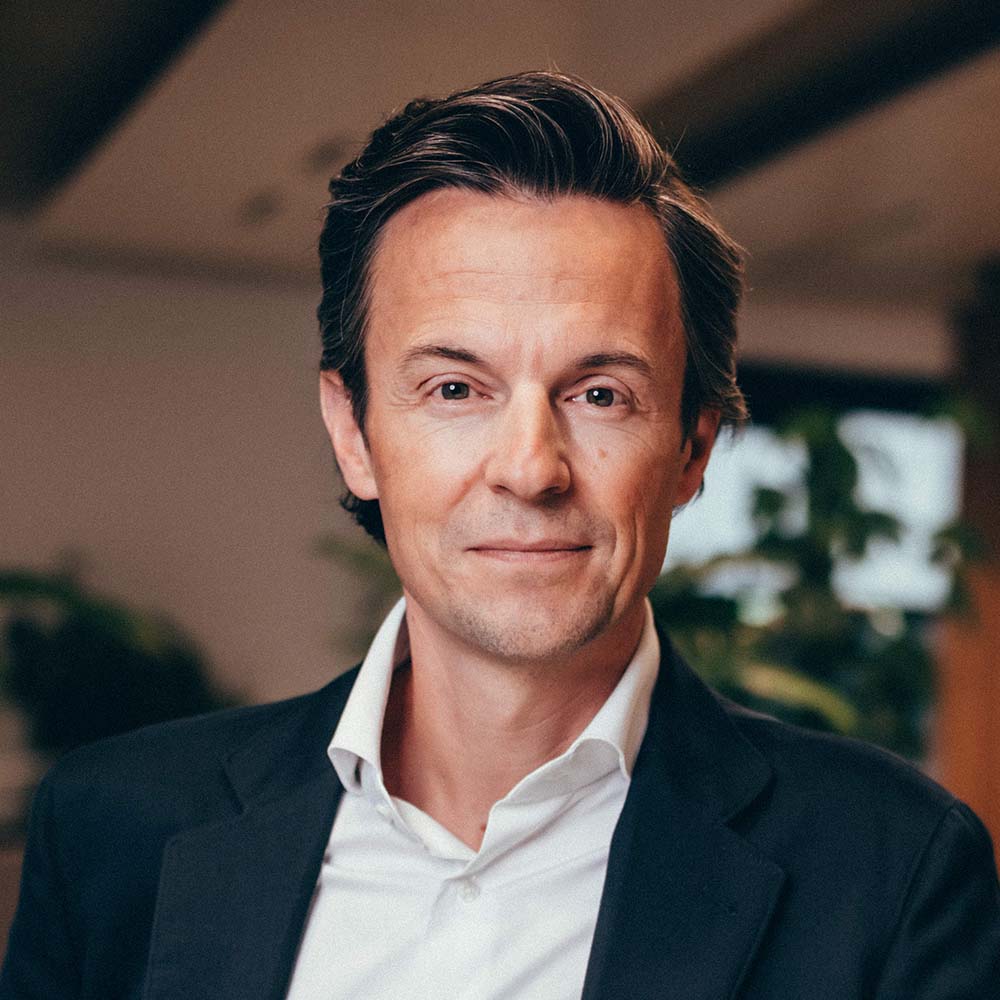
Bachan: Cigarette manufacturing in Trier has a long and very tangible history. The roots go back to 1908, when the Neuerburg brothers founded their cigarette factory in the city. Long before becoming part of JTI in 1999, the site had already established itself as an important industrial employer and a center of tobacco expertise. Preserving that heritage is important to us because it reflects generations of know-how, craftsmanship and commitment. For us, however, heritage is not something we preserve by looking backwards. We preserve it by continuing to invest in the people, skills and manufacturing expertise that have been built here over more than a century.
Over the past decades, the Trier site has evolved from a traditional cigarette factory into one of the most important production and supply hubs within JTI’s global network. Today, the factory is a key production site for cigarettes, fine-cut tobacco and tobacco components, supplying markets around the world, including Winston and Camel, two of the world’s leading tobacco brands, while also playing an increasingly important role in innovation projects. More than 80 percent of the products manufactured in Trier are exported internationally. This development has been supported by continuous investment in our employees, their skills, and the site’s infrastructure, underlining JTI’s long-term commitment to Trier and its future competitiveness.
“Over the years, we have continued to evolve how we work while maintaining a strong focus on leadership, employee development, workplace culture and an attractive working environment.”
Michal Bachan, General Manager of JTI Germany

What distinguishes Trier is the combination of long-standing manufacturing expertise and a strong focus on innovation. The site has continuously evolved, building on generations of know-how while adapting to new technologies, changing market requirements and evolving consumer preferences.
In that sense, preserving our heritage and investing in the future are not competing priorities. On the contrary, the expertise, skills and quality mindset developed and passed on by generations of employees in Trier over more than a century are precisely why the site continues to be entrusted with new technologies, strategic investments and future-oriented production capabilities.
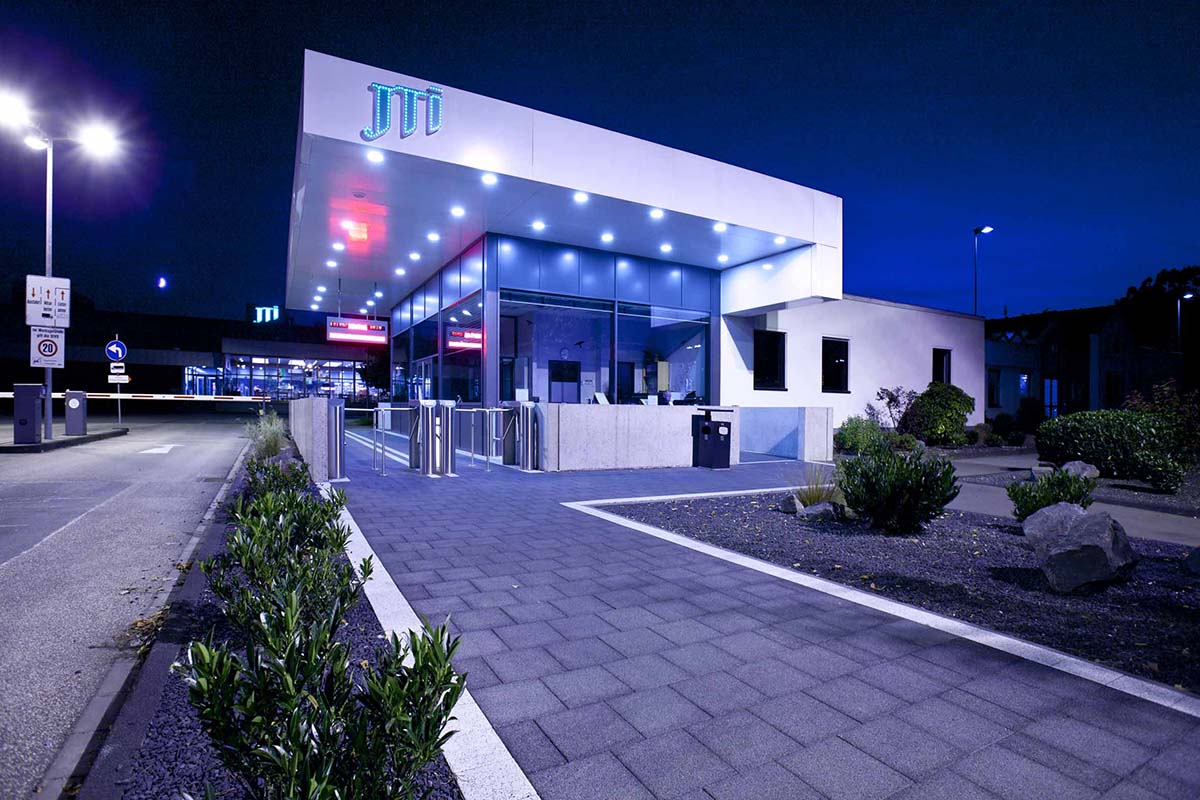
Trier now has a dedicated tobacco processing component line for heated-tobacco sticks , backed by a €30 million investment. What made Trier the right location for this capability, and what does it signal about the role of German manufacturing in JTI’s wider reduced-risk product strategy?
Trier was a natural choice because it brings together several strengths that are critical for advanced manufacturing: more than a century of tobacco processing expertise, a highly skilled workforce, strong industrial infrastructure and the close connection between manufacturing and Research & Development at the site. These factors have enabled our facility to build a reputation for quality, reliability and operational excellence.
The €30 million investment in a production line for heated sticks components is a clear signal of confidence in the capabilities, expertise and long-term competitiveness of Trier as one of JTI’s key manufacturing and supply hubs. It also demonstrates the site’s growing role as an innovation hub to meet evolving consumer preferences.
At the same time, investments of this scale require long-term planning certainty to enable competitive framework conditions. The attractiveness of manufacturing locations is influenced by a range of factors, including infrastructure, skills, regulation and taxation.
For Trier, this represents another step in the site’s ongoing evolution, helping shape the next chapter of our business.
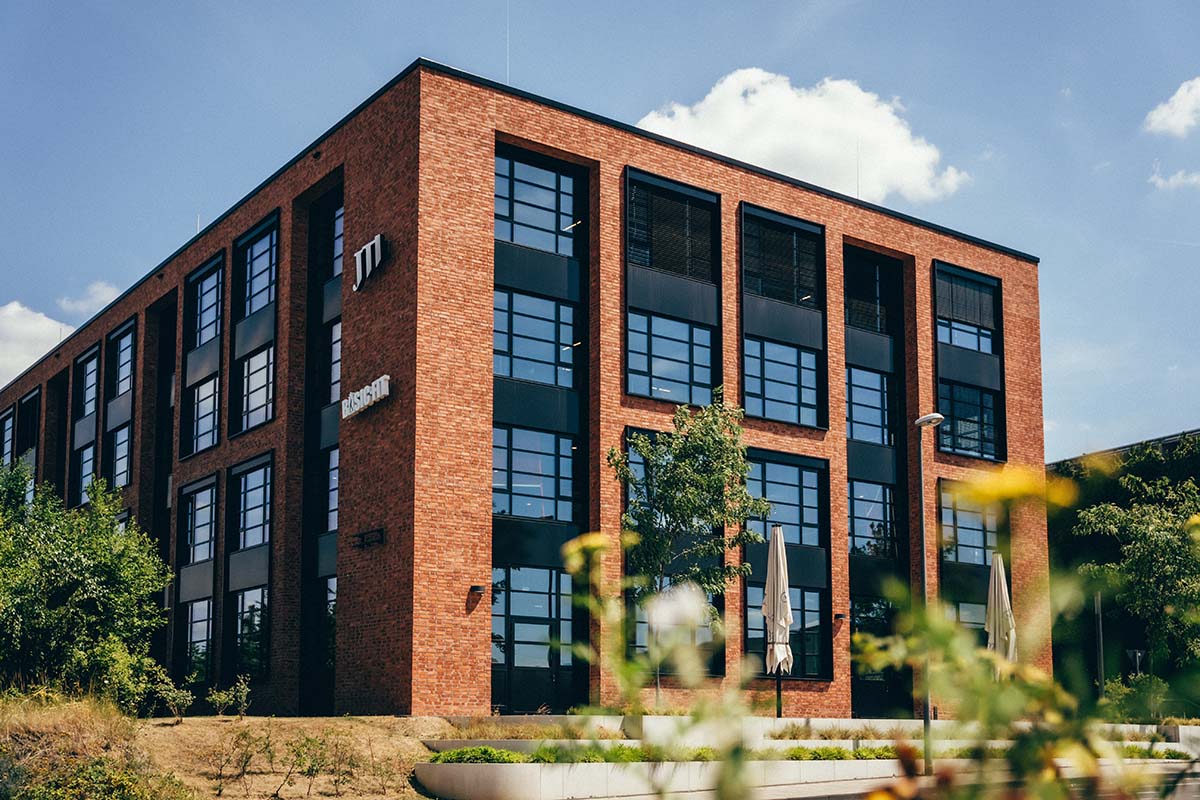

JTI’s LYO tobacco-free nicotine sticks for Ploom have just launched in Germany. How does a nicotine-only, tobacco-free product fit into JTI’s German portfolio alongside its heated-tobacco and combustible lines, and what kind of consumer is it designed to reach?
At JTI, we believe that informed adult consumers of nicotine products should be free to choose from a range of legal tobacco and nicotine products. In that context, LYO, our tobacco-free nicotine sticks launched in Germany this spring, complement the broader Ploom portfolio by expanding the choices available to adult consumers.
While EVO represents a classic tobacco taste, LYO is aimed at adult users who value flavour and sensory variety and are looking for a tobacco-free nicotine experience.
More broadly speaking, the tobacco-free heated-stick category is part of an evolving and innovative market. As the category develops, we continue to focus on providing adult consumers with high-quality products and a satisfying consumer experience. These remain our key priorities across our entire portfolio.
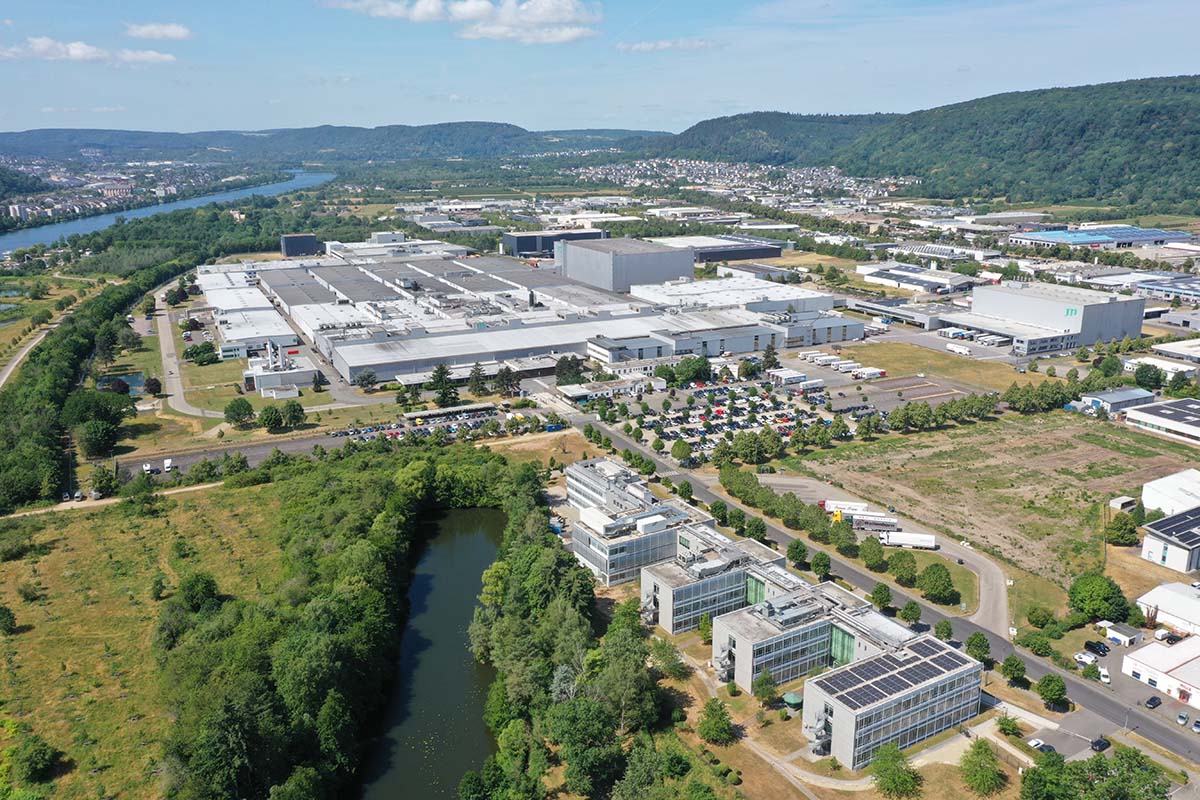
JTI Germany has now been named a Top Employer for the 13th consecutive year and describes itself as the largest employer in the German tobacco industry. What has kept that recognition consistent over more than a decade, and how has the recent consolidation of operations in Cologne-Mülheim shaped the company’s workforce strategy?
Being recognized as a Top Employer for 13 consecutive years reflects a long-term commitment to creating an environment in which people can take ownership, develop their skills and contribute to the company’s success. Over the years, we have continued to evolve how we work while maintaining a strong focus on leadership, employee development, workplace culture and an attractive working environment.
As Germany’s largest employer in the tobacco industry, we can also offer a diverse range of opportunities. From manufacturing and Research & Development in Trier to our market and corporate functions in Cologne, our employees work across very different disciplines and professional backgrounds.
The move to Cologne-Mülheim primarily reflected our ambition to provide employees with a modern working environment that supports collaboration, flexibility and exchange.
Ultimately, however, workplace culture is about more than offices, policies or individual initiatives. It is shaped by our people through their everyday interactions, projects and collaboration across functions and locations. That is why we are particularly proud of the consistency of the Top Employer recognition: we see it as a reflection of the culture our employees have helped build and continue to shape together.