
Expanding petrochemical, semiconductor and hydrogen operations raises demands on industrial safety systems. Pepperl+Fuchs develops and manufactures sensing technologies and industrial communication solutions, including those to protect against electrical explosions, for facilities where automation must meet exacting safety and regulatory requirements.
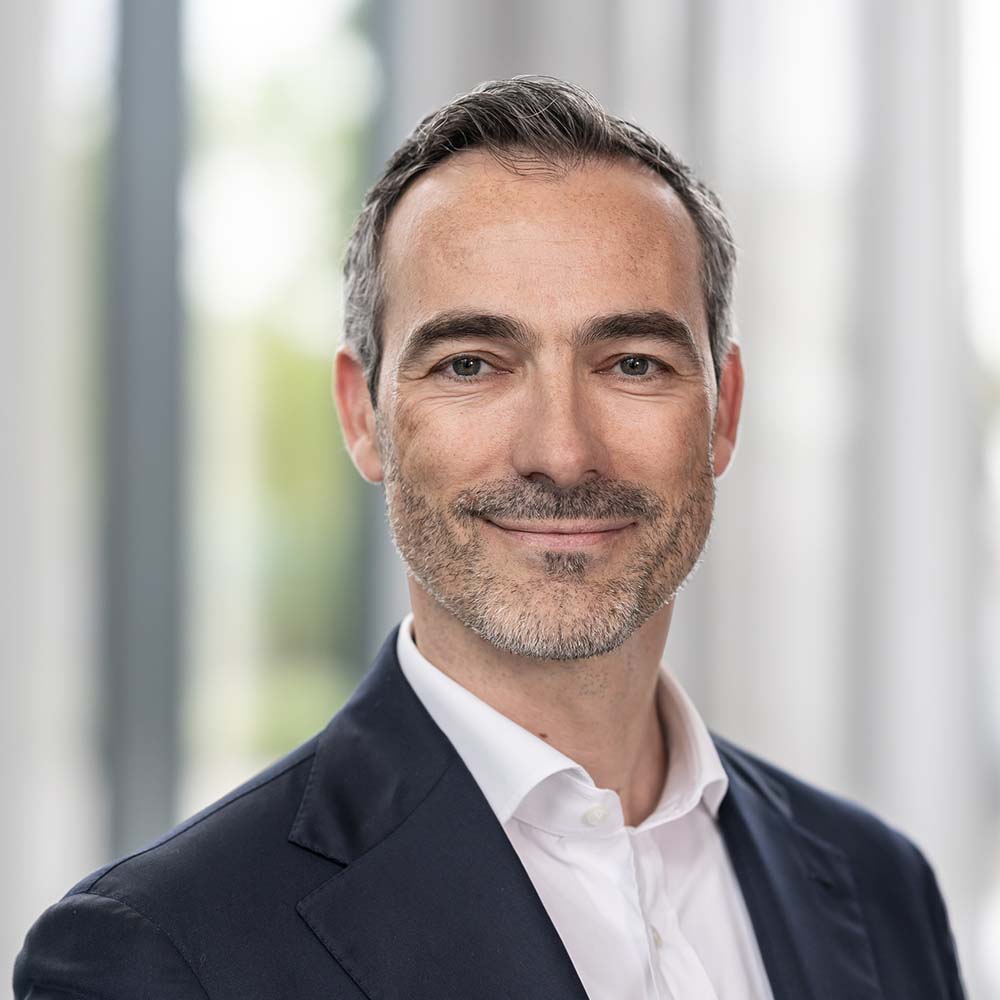
“Reliability in hazardous environments cannot be improvised, it has to be engineered from the ground up,” CEO Wilhelm Nehring said. After marking its 80th anniversary in 2025, the Mannheim-based company remains focused on applications requiring consistent performance under strict safety standards.
Japan’s regulatory framework aligns with this specialization, creating demand as operators modernize aging petrochemical infrastructure and develop new semiconductor plants.
Hydrogen creates distinct risks across electrolysis, pipeline transport and refueling stations, and many
of these remain unaddressed, Nehring said.
“Hydrogen introduces failure modes the industry has not fully mapped yet,” he said, noting that its low density and volatility make leaks at very low concentrations difficult to detect. Pepperl+Fuchs is concentrating its engineering on reliable detection methods that can be deployed economically at scale.
International standards shape product development and market access. In March, the company hosted about 170 specialists from 23 countries in Mannheim for an International Electrotechnical Commission Technical Committee 31 meeting. Discussions addressed risks, including lithium battery ignition and the safe use of robots and drones in hazardous areas.
“Our role is to be predictable and certified, so that resilience isn’t just a policy goal but something our customers can actually build on.”
Wilhelm Nehring, CEO of Pepperl+Fuchs

“Standards harmonization directly determines which products can be sold where, and at what cost of certification,” Nehring said. Because Japan’s certification system follows IEC standards, closer alignment can reduce certification variants, costs and time to market.
Pepperl+Fuchs serves Japanese customers from offices in Yokohama and Osaka, providing sales and technical support. Nehring expects this presence to deepen by linking local application engineering with global product development, allowing Japanese requirements to influence product road maps earlier.
Economic security places this relationship within a strategic context. Germany and Japan established a formal consultation framework in 2024, reflecting the importance both countries place on resilient supply chains.
“Our role is to be predictable and certified, so that resilience isn’t just a policy goal but something our customers can actually build on,” Nehring said. For manufacturers managing technologies and industrial risks, certified performance provides a practical foundation for dependable operations.