
Düsseldorf’s relationship with Japan is gathering momentum across investment, innovation and emerging technologies. The North Rhine-Westphalian capital has developed one of Europe’s strongest Japanese business communities, giving companies access to established networks, industrial partners and regional expertise.

165 years, renewed direction
The 165th anniversary of diplomatic relations gives both countries an opportunity to turn this foundation into deeper commercial cooperation.
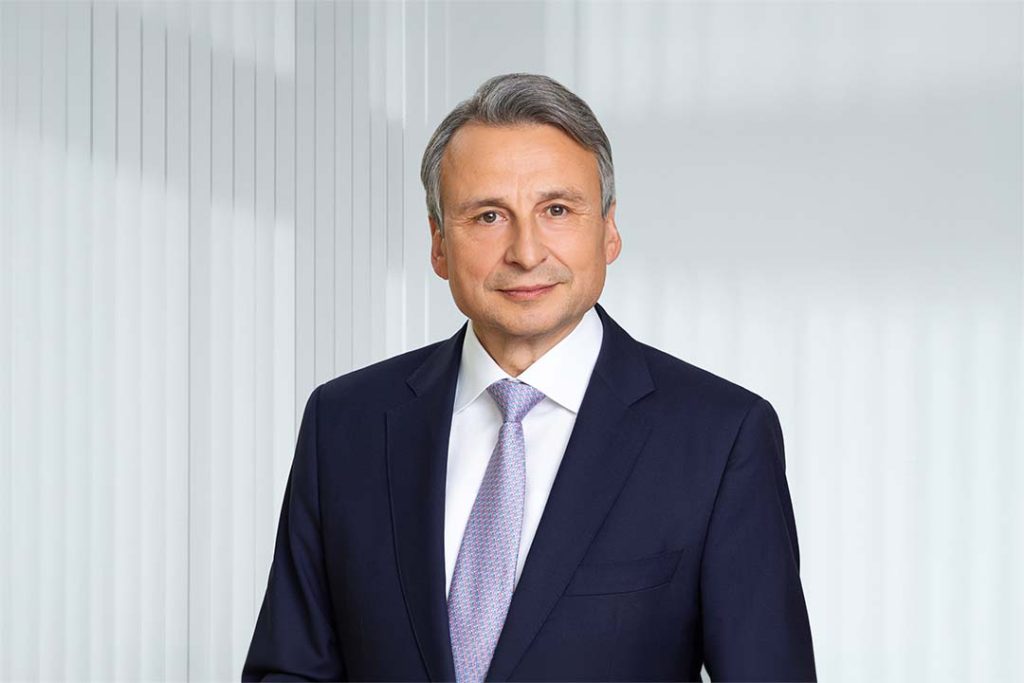
“As nations that share common values such as democracy and fairness, this year marks an important anniversary for reevaluating the relationship between Japan and Germany and shifting into a higher gear to strengthen our bilateral ties,” said Kazuyoshi Sugano, Director General of JETRO Düsseldorf.
Cultural interest becomes investment
More Germans are returning from Japan with a stronger appreciation for its cuisine, creating opportunities beyond Düsseldorf’s traditional strengths in chemicals and machinery.
“With the increase in tourists traveling from Germany to Japan, I believe that Germans who have visited Japan are showing greater interest in Japanese food culture, which is creating business opportunities for Japanese food manufacturers in this region,” Sugano said.
A Japanese noodle manufacturer is preparing to establish a production facility in Düsseldorf after assessing the European market for several years. The investment shows how rising consumer demand can support permanent operations closer to European customers.
“As nations that share common values such as democracy and fairness, this year marks an important anniversary for reevaluating the relationship between Japan and Germany and shifting into a higher gear to strengthen our bilateral ties,”
Kazuyoshi Sugano, Director General of JETRO Düsseldorf

Connecting startups and future industries
Technology startups are also viewing Düsseldorf as a practical gateway into Europe. Major events including MEDICA and Future Tech Fest allow Japanese companies to meet potential partners, evaluate market demand and explore the possibility of establishing local operations.
German startups and SMEs often offer technologies relevant to Japanese industry, but reaching the right corporate partners can be difficult without local networks. JETRO helps bridge that gap and move promising introductions into practical business discussions.
“We offer an international collaboration acceleration program called ‘J-Bridge.’ German startups and innovative small and medium-sized enterprises can use the J-Bridge platform to connect with Japanese corporations seeking European partners having innovative technologies and ideas,” Sugano said.
These connections could also open opportunities beyond established fields such as hydrogen, robotics and industrial digitalization, bringing research-intensive sectors into the bilateral business agenda.
“The realization of this may still be some time in the future, but fields such as quantum computing—including cybersecurity—and regenerative medicine may have significant potential for industrial cooperation between Japan and Germany,” Sugano said.
In Düsseldorf, long-standing ties are translating into companies taking root, capital being committed and innovation moving forward.