

Technical excellence can earn admiration without securing preference. International branding and digital agency Erretres has spent more than a decade addressing that challenge for Japanese businesses, translating precision, craftsmanship and service into identities and experiences that connect across markets. Founder and CEO Pablo Rubio Ordás believes this challenge is becoming more urgent as technology makes products easier to create and harder to distinguish, placing greater value on the experiences and stories that make Japanese brands resonate across markets.

Bridges: Japanese technology, service and craftsmanship have strong international reputations. Where can strategic design make the greatest difference in translating those strengths into global brand growth, and what makes Erretres particularly well placed to help?
Ordás: For decades Japan won what I call “the war of specifications” — manufacturing excellence, monozukuri, precision down to the smallest detail. But global growth today is decided in a different war: the war of desire, the experience and story that make someone choose one brand over another, even when the product is equally good. That’s the Galápagos effect: extraordinary products built for the home market that stay home because nobody designed the experience to make them wanted abroad. That’s the work we do at Erretres — not importing a foreign playbook, but redesigning the experience so what a company already does brilliantly finally reaches a global customer.
“For decades Japan won what I call ‘the war of specifications’ — manufacturing excellence, monozukuri, precision down to the smallest detail.”
Pablo Rubio Ordás, Founder and CEO of Erretres

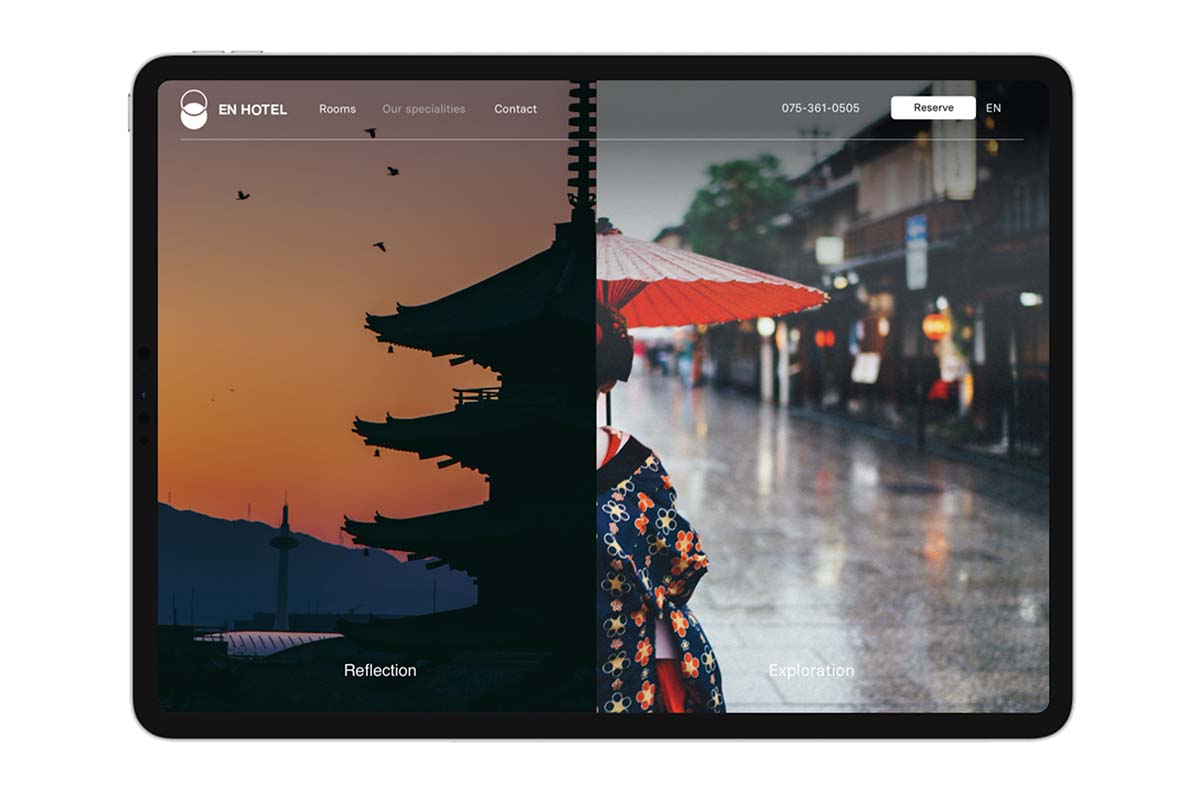
For EN Hotel Japan, Erretres brought omotenashi into the brand and digital experience. How did you make that distinctly Japanese philosophy resonate with international audiences, and what outcomes best demonstrate the value of your work?
With EN Hotel, part of the Fosun Group, omotenashi wasn’t just a value to mention in the brand book — we built it into the digital experience itself, touch by touch. Omotenashi means anticipating what a guest needs before they ask, so we asked a very practical question: how does a website or booking flow anticipate, the way Airbnb, Booking.com or an iPhone have already trained international guests to expect? We didn’t need to explain omotenashi to them — we just needed the site to feel as good as the best digital products they already use, with that extra layer of care. The proof isn’t one metric: it’s guests calling the stay “exactly right” without knowing why, and coming back without being asked.



Your book Digital Branding has brought your methodology to Japanese readers. Your next book, Design for Growth, is now underway — how does it build on that work, and what will Japanese business leaders find different in it?
Digital Branding was about never designing brand and digital experience apart. My next book, Design for Growth — out Q1 2027 — takes that further: in the age of AI, the world needs more Japan. When anyone can build a product in a weekend, manufacturing stops being the advantage; the only thing still hard to copy is monozukuri, omotenashi, the shokunin’s devotion to one craft, turned into an experience customers actually feel. It isn’t a manifesto, it’s a method: a 7×7 system — seven hours to read, seven days to apply, seven weeks to see change, seven years of value — so a leadership team can put it to work the same month they read it.
Following your recent visit to Japan, what business needs or ambitions stood out in your conversations, and how are they shaping the partnerships and projects you want Erretres to pursue next?
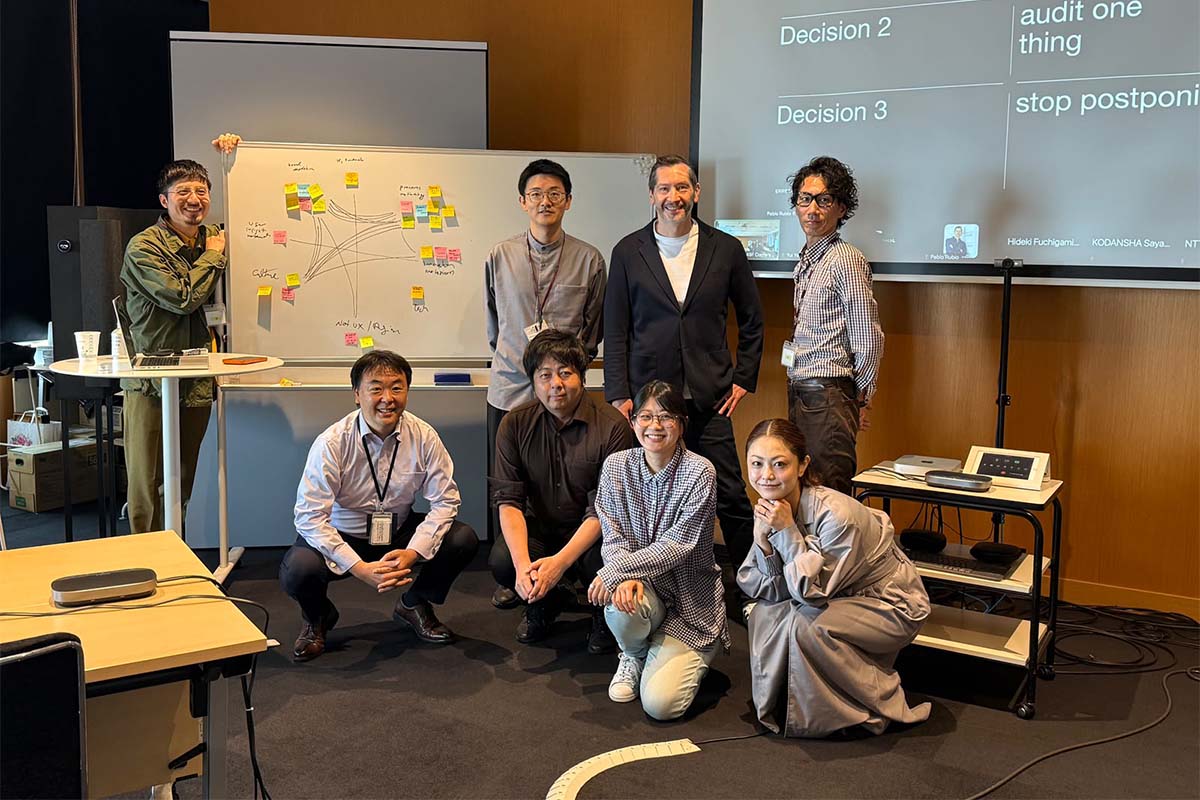
On my last trip I bought a MUJI Labo suitcase instead of a Rimowa — not for the price, but for what it says, and that’s basically what I hear in every meeting in Tokyo: real pride in the culture, real doubt about whether it travels. We’re already turning that into concrete work — we had the opportunity to run a workshop with NTT Data, Kodansha and Mori Building — and the pattern repeats everywhere: companies don’t need to become more Western, they need a design layer that translates what they already have. Combined with Europe being a genuinely underdeveloped market for strong Japanese brands, that’s exactly where I want Erretres focused next — fewer isolated projects, more long-term partnerships built on that translation.