
Why now is the time to go deeper into Japan
There is a particular kind of traveler who has been to Japan before. Several times, in fact. Who knows that the best ramen is found not in a restaurant with a Michelin star but in one with a queue at 11 in the morning and no English on the menu. Who has learned to read a train map in kanji, roughly. Who came home from the last trip already thinking about the next one.
For that traveler — and for anyone who has felt the pull — this is not just a good time to go back to Japan. It is, by most credible measures, the best time in a decade to do it.
The reason is the yen. As of this writing, the dollar buys around 161 yen — a level Japan has not seen since 1986, before most of its current prime ministers were born. For Filipinos who earn in pesos, the calculation is equally favorable. The exchange rate has hovered near ¥2.6 to the peso across the first half of 2026, meaning a trip that cost P150,000 a few years ago now delivers meaningfully more for the same outlay. The omakase counter you budgeted but skipped last time. The ryokan with the cypress bath and the private garden. The Nishiki Market ceramic that was just slightly too expensive to justify at the airport. None of that requires a larger budget right now. It simply requires going.
How We Got Here
The yen’s weakness is not a glitch. It is the product of a decade-long policy gap between Japan’s central bank and the rest of the developed world. While the US Federal Reserve, the European Central Bank, and others raised interest rates aggressively to fight inflation, the Bank of Japan stayed committed to near-zero rates to sustain economic growth after decades of stagnation. Money flows toward higher yields, and so capital — and with it the yen’s relative value — flowed out.
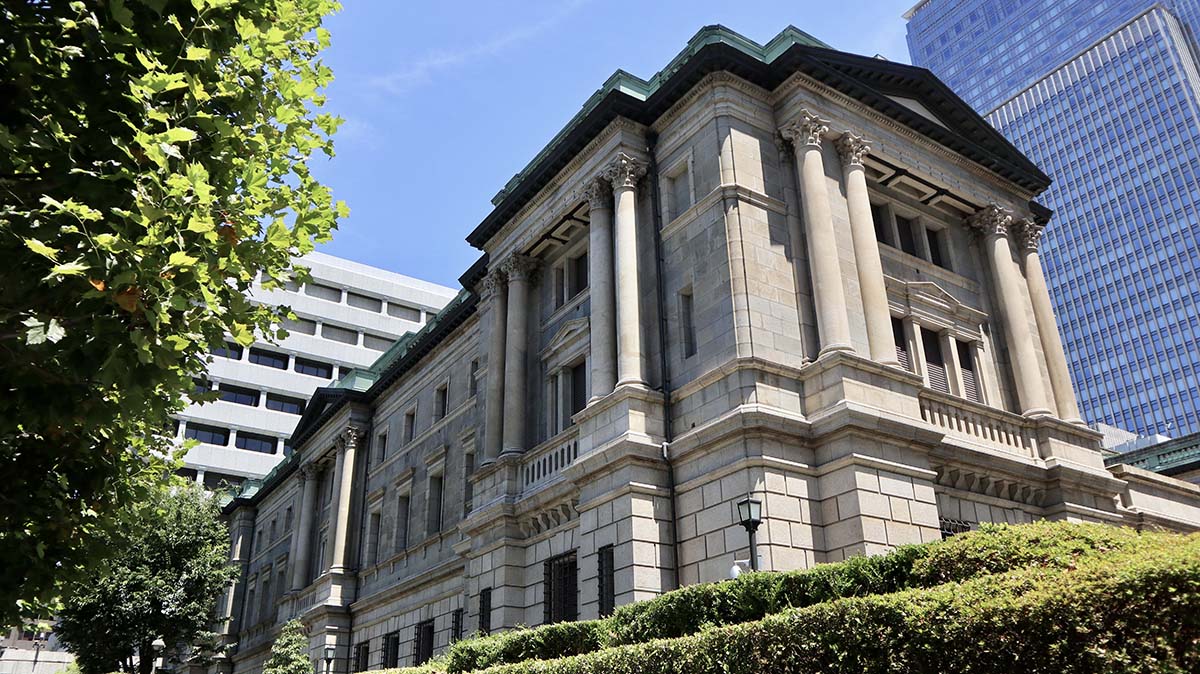
Japan has not been passive. The Finance Ministry has intervened in currency markets more than once, and the Bank of Japan has begun, cautiously, to raise rates. But the interest-rate differential between Tokyo and Washington remains wide, and markets have priced the yen accordingly. The currency could strengthen meaningfully if the BOJ accelerates its rate hikes or if US rates fall sharply. It could weaken further if neither happens.
What this means practically: no one can tell you exactly how long this window stays open. What is certain is that it is open now, and that Filipino travelers paying attention have already figured this out. Japan welcomed 885,000 Filipinos in 2025 — a record high, up 8.1% from the year prior. Visa appointment slots filled months in advance. Airlines added capacity and still could not keep up with demand. This is not a niche trend. It is a structural shift in where Filipinos choose to spend their most considered travel budgets.
The Case for Going Deeper
The temptation, when a destination becomes cheaper, is to cram in more of the same. More cities, more nights, more temples before breakfast. Resist this.
The yen moment is better used as an invitation to slow down and go further — further off the familiar routes, further into the experiences that require a little more commitment, and further into the kind of Japan that does not make it onto the top-ten lists.
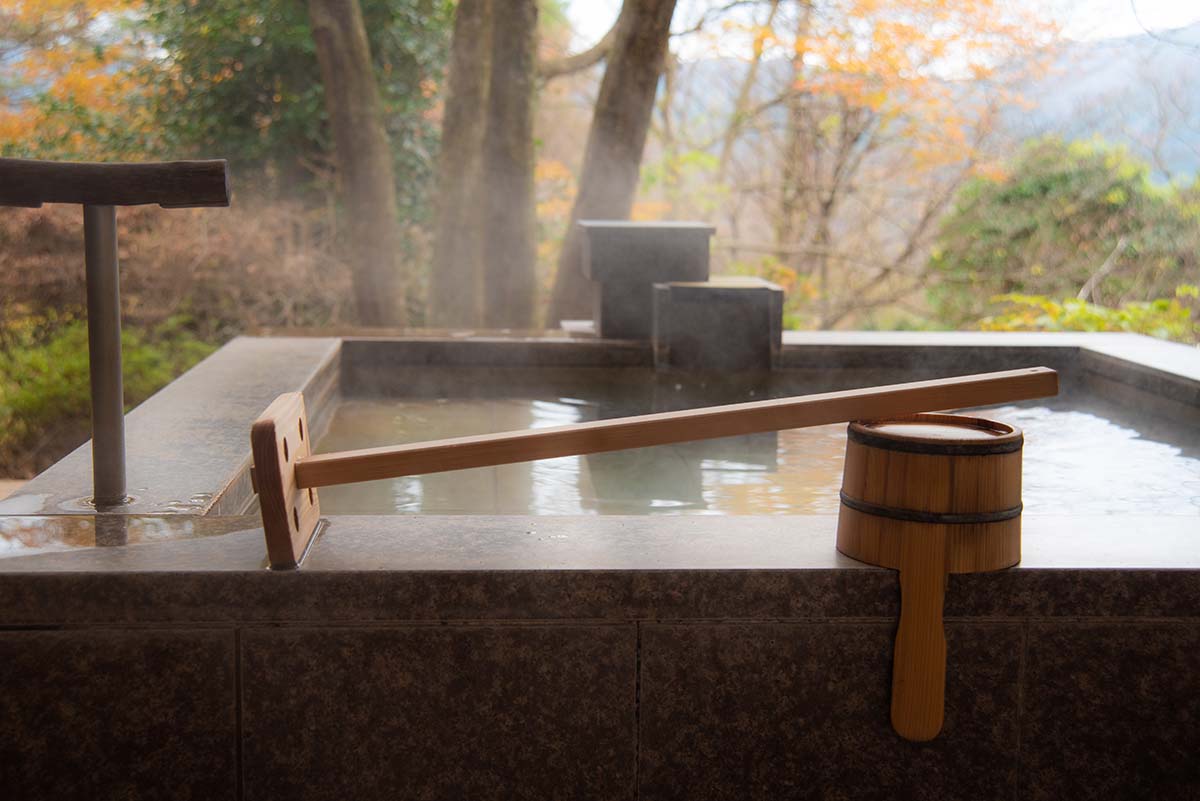
Consider what the budget unlocks at current rates. A night at a proper ryokan — the kind with a kaiseki dinner served course by course in your room, a private onsen fed by a mountain spring, and a proprietress who has been running the same establishment for thirty years — costs roughly what a decent business hotel in Tokyo commanded at 2022 exchange rates. The math has changed. The experience has not.
Omakase dining, long the preserve of either locals or visitors with very specific expense accounts, is suddenly accessible. A twelve-course counter experience at a serious sushi restaurant in Tokyo, which might have felt extravagant at ¥35,000 two years ago, lands rather differently when the yen is where it is. And unlike the luxury goods that can be replicated elsewhere, this is not something you can approximate at home. You are sitting across a counter from a craftsman who has spent twenty years mastering one discipline. That is worth the airfare on its own.
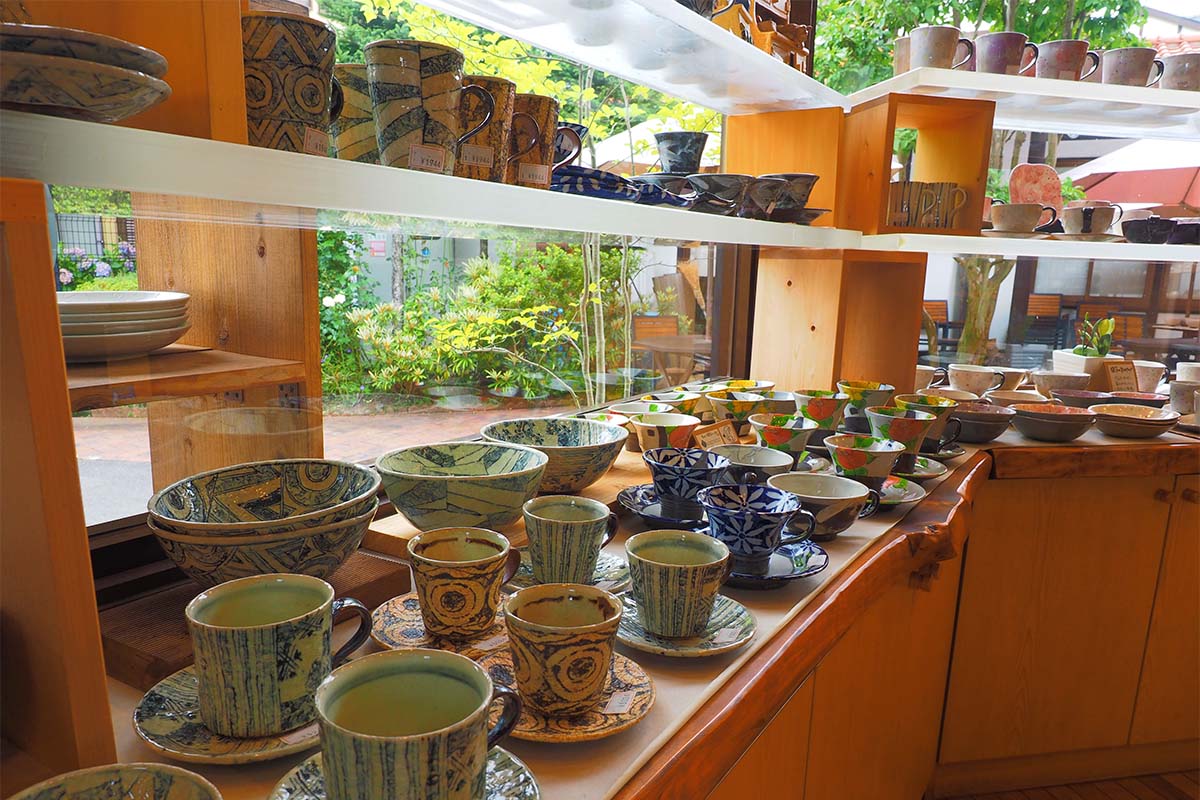
Tax-free shopping adds another layer. Japan’s consumption tax rebate for foreign visitors remains in place, and at current exchange rates the combination of the refund and the currency advantage makes luxury goods — watches, ceramics, textiles, cosmetics — materially cheaper than buying the same items in Manila or Hong Kong. The practical-minded Filipino traveler already knows this. The savvy ones consolidate purchases and present a single passport stamp.
Off the Corridor
Japan’s most visited corridor — the bullet-train run from Tokyo through Kyoto to Osaka — is genuinely magnificent. It is also, right now, genuinely crowded. Japan set a record of 42.7 million foreign arrivals in 2025, and despite a pullback in Chinese visitors following diplomatic tensions with Beijing, overall tourist numbers remain at historic peaks. The infrastructure along the Golden Route strains visibly in peak season.
The good news is that stepping off it changes everything, and the distances are smaller than they appear.
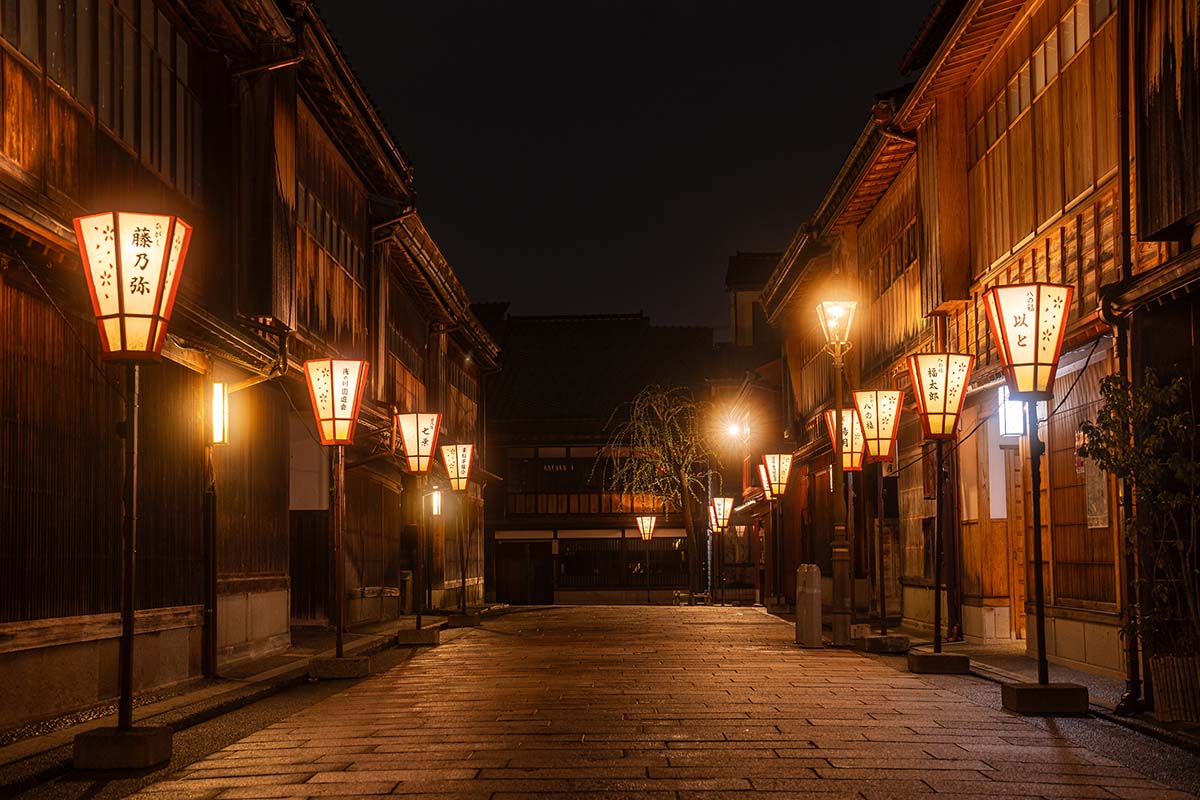
Kanazawa sits on the Sea of Japan coast, three hours from Tokyo on the Hokuriku Shinkansen. Its Higashi Chaya geisha district is among the best-preserved in the country, and the Kenroku-en garden rewards an hour of quiet walking in a way that Kyoto’s more famous counterparts, beset with crowds, increasingly do not. The city has a serious food culture anchored in Noto Peninsula seafood, and a craft tradition in gold leaf and Kutani ceramics that produces some of the most distinctive souvenirs in Japan.
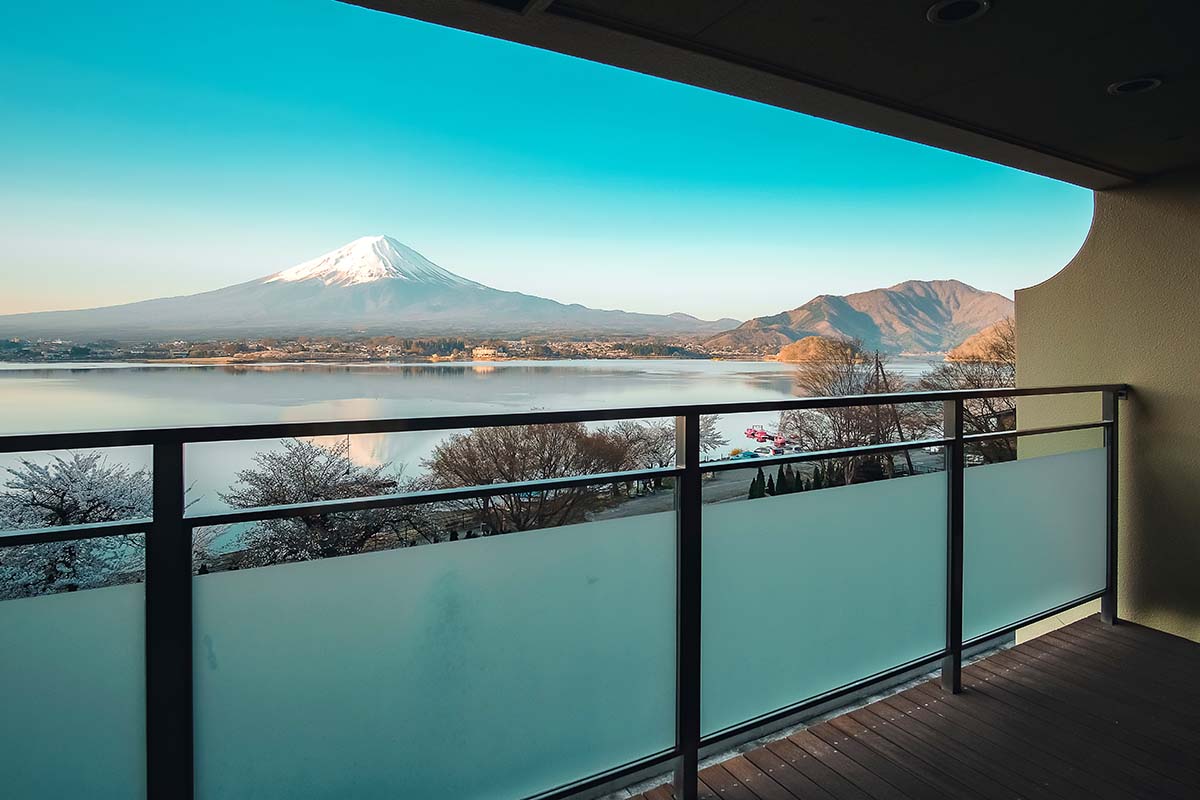
Hakone, an hour and a half from Tokyo, offers what the capital’s pace cannot: a clear view of Fuji, hot spring baths, and accommodation that ranges from international luxury brands to intimate family-run inns. It is the natural decompression chamber at the end of a Tokyo itinerary, and it rewards travelers who linger rather than day-trip.
Decades of business investment, cultural exchange, infrastructure cooperation, and intermarriage have created ties that run deeper than any single travel trend.
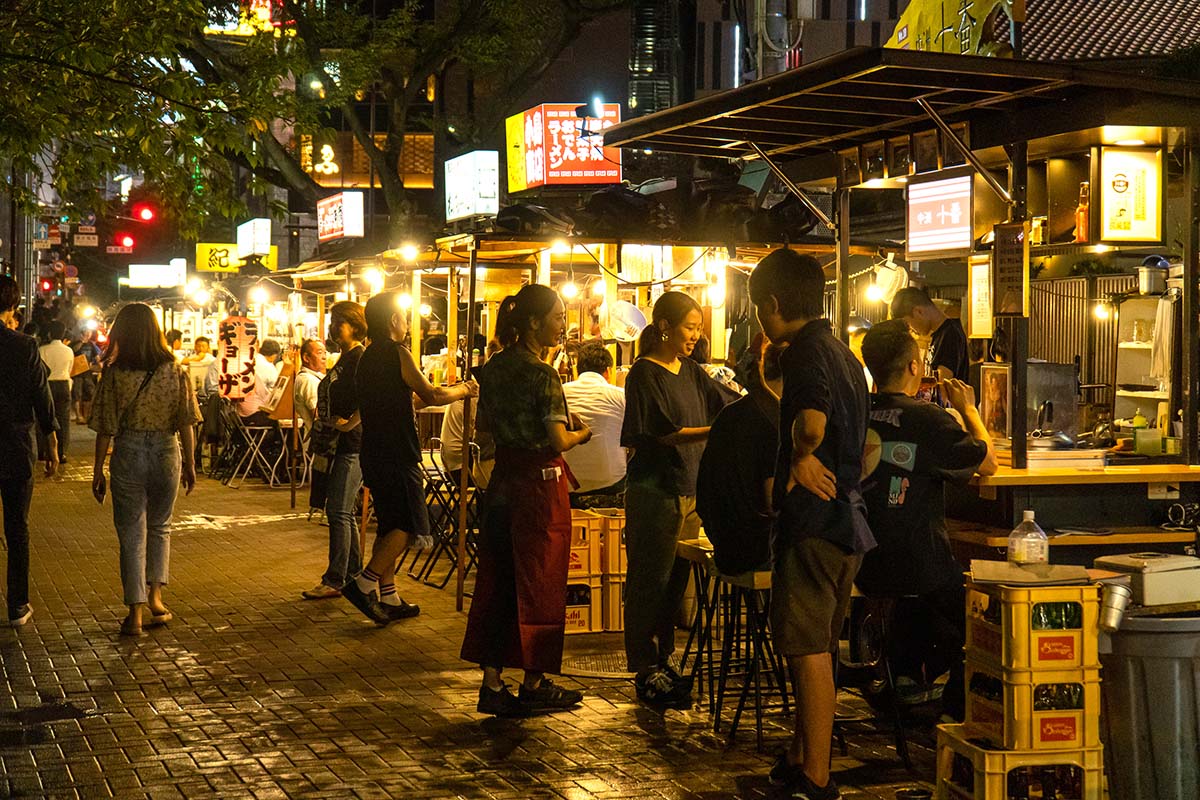
Fukuoka, on the northern tip of Kyushu, deserves more credit than it receives as a gateway city. Its airport is remarkably close to the center, the food scene — particularly its yatai street stalls — is among the most distinctive in the country, and it serves as the starting point for Kyushu’s hot spring circuit: Beppu, Yufuin, Kurokawa. This is Japan at its most unhurried.
A Note on Timing
The yen’s current weakness has not gone unnoticed by Japan’s policymakers — or by its tourism industry. Several major cities have introduced or raised accommodation taxes in 2026. Kyoto now levies a lodging fee that reaches ¥10,000 per night for higher-tier properties, part of a deliberate effort to offset the costs of mass tourism on historic infrastructure. Tokyo and Osaka have similar, smaller levies in place. These are not prohibitive amounts for a considered traveler, but they are worth factoring into budgets, particularly for multi-city itineraries.
Visa processing for Filipinos has also tightened operationally — not because fewer visas are being approved, but because demand has outrun the system’s capacity. Japan overhauled its visa application process in 2025, transitioning to a VFS-operated centre. Appointment slots for peak season can fill months in advance. Planning ahead — further ahead than you might expect — is simply the cost of traveling to Japan well right now.
The Deeper Point
There is something worth saying about why Filipinos keep returning to Japan, and why the numbers keep rising regardless of what the yen does. The exchange rate is an accelerant, not the cause. Nearly 350,000 Filipinos now call Japan home, making them the fourth-largest foreign community in the country. Decades of business investment, cultural exchange, infrastructure cooperation, and intermarriage have created ties that run deeper than any single travel trend.
Japan, for many Filipinos, is not a foreign country in the way that France or Brazil is foreign. It is something more like a second register of home — familiar enough to feel comfortable, different enough to feel like genuine travel. The yen moment makes the visit more affordable. The 70th anniversary of diplomatic relations between the two countries, which this issue of Bridges marks, gives it additional resonance.
But if you need a simpler reason to go, consider this: there are experiences available in Japan right now, at these prices, that will not be available at these prices for much longer. The window is open. The only question is what you intend to do with it.