
Cross-border recruitment between Japan and Europe has moved beyond the search for bilingual executives. A credible opportunity now depends on local decision-making authority, access to headquarters, competitive compensation and a clear career path, while successful leaders need the technical standing and cultural fluency to earn trust on both sides.
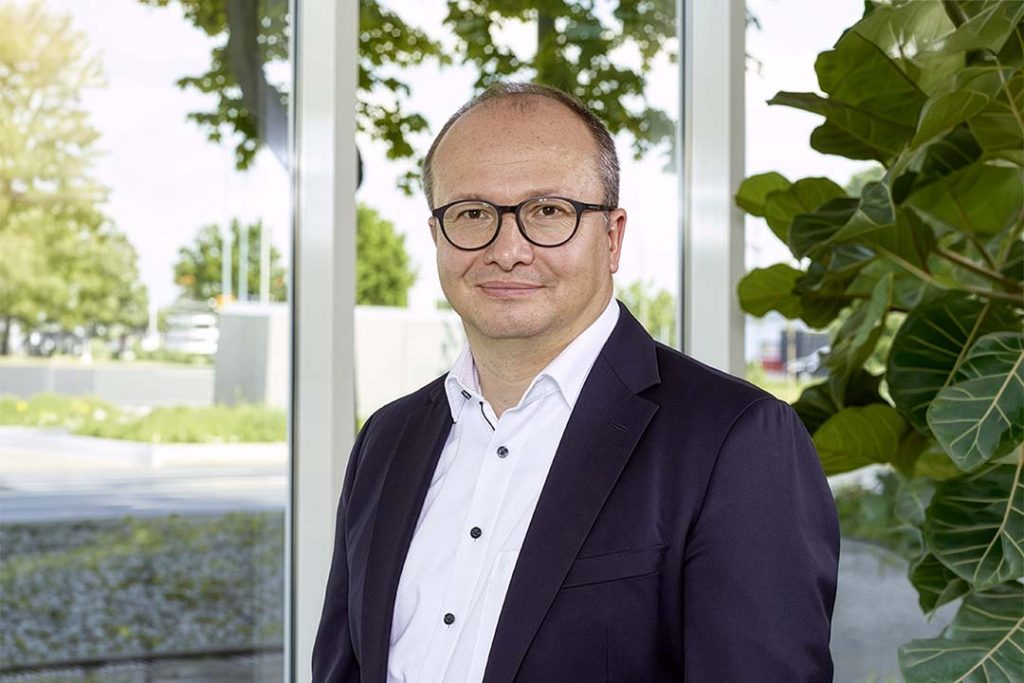
Established in 2006, Kienbaum Japan provides executive search and human resources advisory for German and Japanese businesses across Asia and Europe. Managing Director Etsuji Suzuki discusses how these shifts are reshaping recruitment, retention and leadership integration today.
Bridges: What has changed most in cross-border talent acquisition and retention?

Suzuki: The biggest change is that the challenge is no longer simply identifying qualified candidates. It is persuading them that the opportunity is credible—and retaining them after they join.
Senior cross-border candidates now examine the substance behind the job title: the degree of local decision-making authority, access to global headquarters, the company’s commitment to Japan, and the longer-term career perspective. If these points are unclear, even an attractive compensation package may not be enough.
We therefore advise clients to define the leadership mandate before starting the search. This includes clarifying decision rights between Japan and headquarters, setting realistic expectations for the first two years, and ensuring that compensation reflects the Japanese market. We also look more actively at candidates from adjacent industries when direct-sector talent is limited.
Finally, retention must begin during the recruitment process. A structured onboarding plan, regular communication with headquarters, and clearly defined milestones during the first 100 days have become increasingly important.
How has demand from German hidden champions and Mittelstand companies evolved?
Demand has evolved from simply establishing a presence in Japan to building a sustainable local organization.
In the past, many German Mittelstand companies initially asked us to recruit a Country Manager or their first sales representative. Today, the discussion is broader. Clients are looking for leaders who can develop the Japanese market, build a local sales and service organization, manage distributors or direct-sales channels, and eventually assume wider responsibility in Asia.
We are seeing particularly strong interest from industrial automation and machinery, energy efficiency and power electronics, advanced manufacturing, mobility-related technologies, specialized industrial components, and life sciences.
Supply-chain diversification has also made Japan more strategically relevant. However, German companies increasingly recognize that success in Japan requires more than an excellent product. They need local executives who have technical credibility with Japanese customers while also communicating clearly and directly with European headquarters. Finding leaders who can perform both roles is where Kienbaum Japan provides particular value.
How has Kienbaum’s retainer-based approach adapted?
The retainer model remains central to our work, but the way we deliver it has become faster, more transparent, and more consultative.
“The most successful cross-border leaders are not those who merely speak both languages. They are those who can build trust in both cultures while making clear business decisions.”
Etsuji Suzuki, Managing Director of Kienbaum Japan

In a highly competitive market, executive search cannot be limited to presenting available candidates. Many of the strongest executives are not actively looking for a new position. They must be approached discreetly, given a credible explanation of the opportunity, and carefully supported throughout what may be a lengthy decision-making process.
Our retainer-based approach allows us to conduct comprehensive market mapping, approach passive candidates, and provide clients with candid feedback when their original expectations do not reflect the market. We increasingly use early calibration meetings, regular progress reports, and comparisons with candidates from adjacent sectors to refine the search while it is underway.
This close partnership is also important when candidates receive counteroffers or have concerns about reporting lines, authority, or career prospects. We are not simply delivering CVs; we remain involved until both the client and the candidate are confident that the appointment will succeed.
What has changed in cross-cultural leadership integration, and where is the next opportunity?
When we began focusing on Japan–Europe business in 2001, the typical question was: “Can you find us a bilingual executive?” Today, the more important question is: “Can you find a leader who can translate strategy, culture, and expectations in both directions?”
German companies have become more aware that Japan cannot simply be managed as an extension of Europe. At the same time, Japanese companies are more open to international leadership, external executives, and global career paths. Nevertheless, differences remain in decision-making speed, consensus-building, communication, and the authority given to local management.
The next major opportunity for Kienbaum is therefore to support clients beyond the appointment itself. Executive search should be connected with leadership assessment, succession planning, onboarding, and the alignment of the local organization with headquarters.
The most successful cross-border leaders are not those who merely speak both languages. They are those who can build trust in both cultures while making clear business decisions. Helping companies identify and develop such leaders will be an increasingly important part of our advisory role.