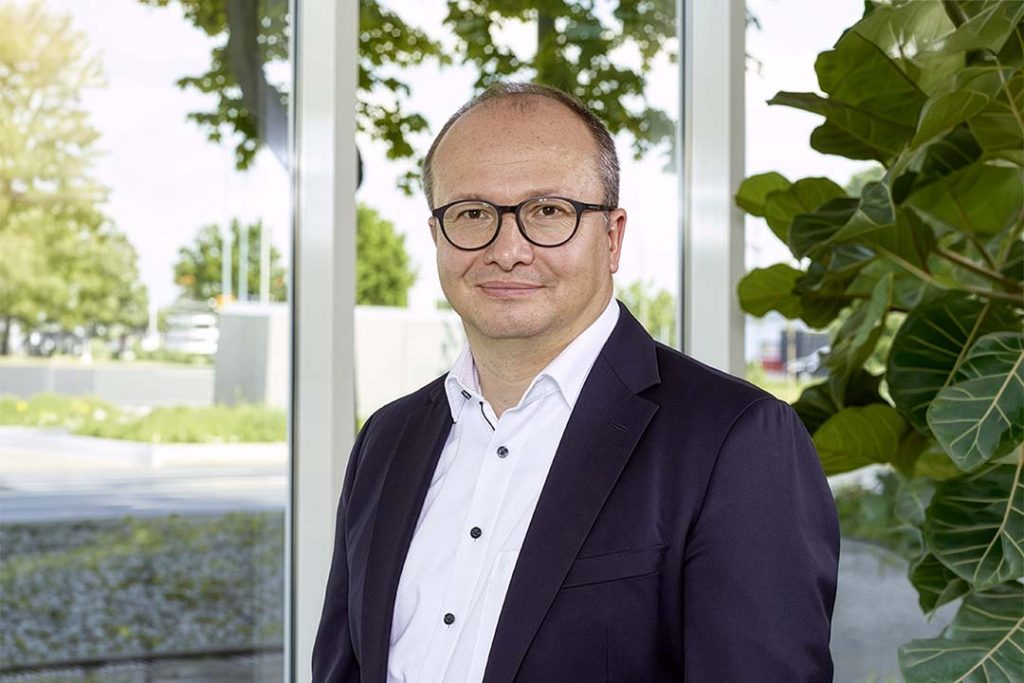

Southern Germany’s combination of industrial clusters, research institutions and leading trade fairs continues to attract Japanese companies seeking a foothold in Germany and Europe. General Director Jun Washizawa of JETRO Munich, discusses the strengths of Bavaria and Baden-Württemberg, JETRO’s support for Japanese SMEs and the regional partnerships deepening economic ties between Japan and Germany.
Bridges: As Germany and Japan mark 165 years of diplomatic relations, how do you see the economic partnership evolving, particularly from the perspective of southern Germany?

Washizawa: Germany is a federal state, and one of its industrial advantages is that industries are distributed across the country. Southern Germany has many local industrial clusters and agglomerations led and supported by chambers of commerce and industry (IHKs) or state government agencies.
This structure has enabled several successful partnerships between Japanese and German regions. Saitama City and Nuremberg have maintained a very good, active and functional relationship in the manufacturing sector for over 10 years. Companies visit one another, exchange knowledge and attend trade fairs. Kanagawa Prefecture and Baden-Württemberg also have a long-standing relationship, with an emphasis on exchanges in the life sciences industry.
Much of the trade and investment between Japan and southern Germany is driven by large companies from both countries. However, I think these regional industrial exchanges, although small and less visible, are quite important to building a solid economic partnership.
What makes Bavaria and Baden-Württemberg important regions for Japanese companies looking to strengthen their presence in Germany and Europe?
Over the past 10 years, the number of Japanese companies established in southern Germany has increased by roughly 200. I think this is because southern Germany is home to many German industries, particularly manufacturing companies. Physical proximity to customers is often a key factor when making new investments.
Southern Germany’s location at the geographical center of Europe, which provides easy access to other European markets, as well as its high standard of living and safe environment, can also be regarded as key strengths.
“Much of the trade and investment between Japan and southern Germany is driven by large companies from both countries. However, I think these regional industrial exchanges, although small and less visible, are quite important to building a solid economic partnership.”
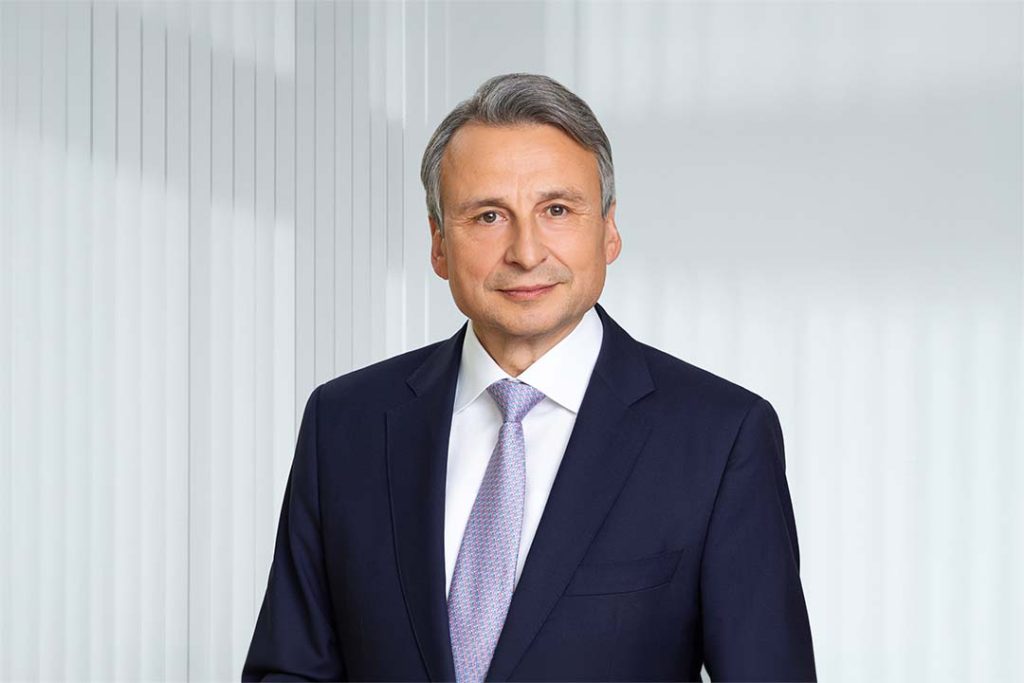
Jun Washizawa, General Director of JETRO Munich

Within Bavaria and Baden-Württemberg specifically, which industries or clusters offer the strongest competitive advantage for Japanese companies over other German states?
The German automotive industry has been struggling for various reasons, but it is still one of the most important pillars of the German economy. For Japanese companies in this sector, being part of southern Germany’s automotive ecosystem offers a clear advantage.
I would also like to mention that Bavaria calls itself the “home of cross-industry innovation,” merging traditional sectors with innovative technologies. Germany has strong industries and clusters nationwide, but southern Germany brings together manufacturing across many sectors, startups, excellent universities and research institutions. These stakeholders work together across industry boundaries, which drives innovation and is another key strength of these two southern German states.
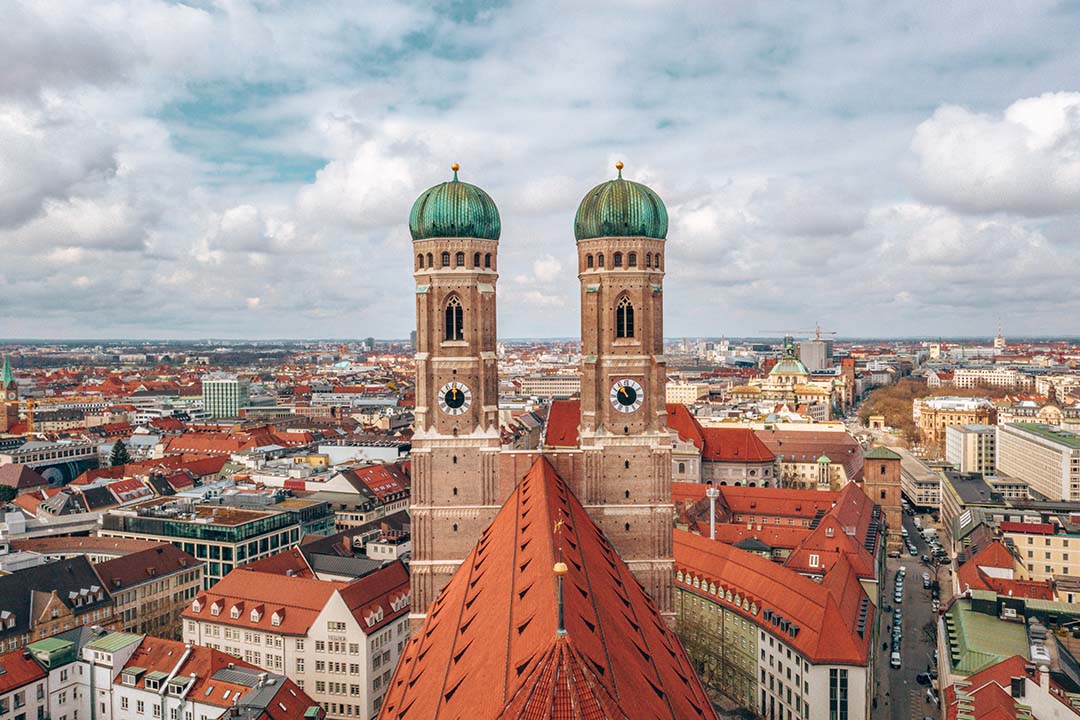
How does JETRO Munich help Japanese companies navigate and succeed in the Bavaria and Baden-Württemberg markets specifically, and what sets these two states apart as business locations?
Our main clients are Japanese SMEs seeking to export their products and expand their business in Germany and Europe. Many leading trade fairs take place in Bavaria, including SEMICON Europa, electronica and LASER World of PHOTONICS in Munich, as well as BIOFACH, the world’s leading trade fair for organic food, in Nuremberg. We support Japanese companies by providing opportunities to present themselves at these trade fairs.
Germany hosts many trade fairs, and I feel that competition among them is also intense. The fairs mentioned above, along with several others in southern Germany, are highly competitive. Attending trade fairs is a traditional but effective way for Japanese companies to enter the market.
We also help Japanese companies connect with southern German startups and explore potential collaborations. As I mentioned earlier, there are many spin-offs from renowned universities, such as the Technical University of Munich and the Karlsruhe Institute of Technology, and I see strong potential for collaboration. These are some of the elements that make Bavaria and Baden-Württemberg attractive business locations.