
Several patients in Isofol Medical’s cancer study became eligible for surgery to remove their tumors, according to the company’s preliminary observations. Isofol is investigating whether its drug candidate, arfolitixorin, can improve chemotherapy for colorectal cancer that has spread to other parts of the body. Colorectal cancer is a global burden and the most common form of cancer in Japan.
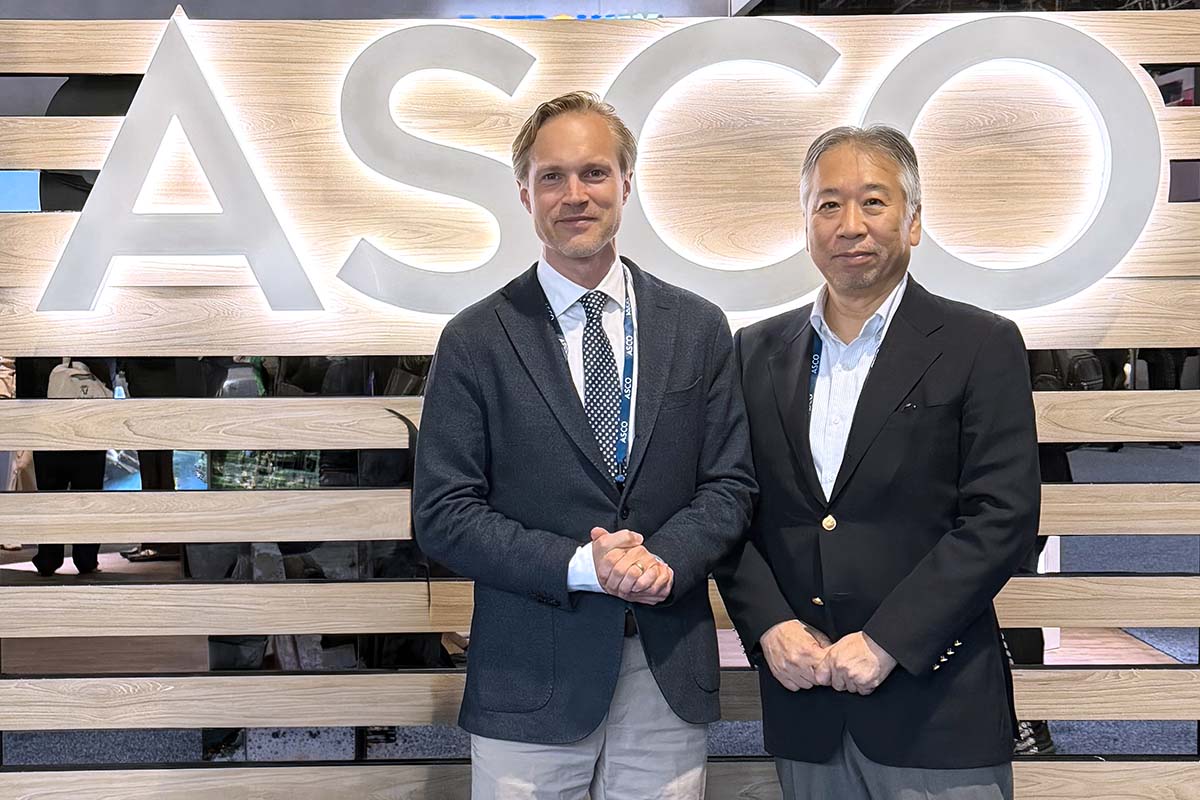
The Swedish clinical-stage biotechnology company is pursuing that question with Japan’s Solasia Pharma K.K., jointly working on clinical development and potential treatment access for Japanese patients.
“Developed primarily for first-line treatment, arfolitixorin is intended to enhance the backbone chemotherapy most patients receive, with the aim of improving overall treatment response,” said Petter Segelman Lindqvist, CEO of Isofol Medical AB.
An ongoing study evaluates safety and efficacy under optimized dosing conditions. Lindqvist said phase Ib of its phase Ib/II study was nearing completion. Solasia is also funding a parallel Japanese phase II study, with enrollment planned in the first half of 2027, just after the start of phase II in Europe.
Preliminary observations from phase Ib showed tumor shrinkage in every evaluated patient reaching up to approximately 50%, Lindqvist said.
“These promising early findings require further confirmation in phase II, which we are excited to run both in Japan and in Europe,” he said.
“Developed primarily for first-line treatment, arfolitixorin is intended to enhance the backbone chemotherapy most patients receive, with the aim of improving overall treatment response.”
Petter Segelman Lindqvist, CEO of Isofol Medical AB

Japan’s advanced healthcare system and market size makes it a priority for Isofol. Solasia holds exclusive Japanese development and commercialization rights and will sponsor trials supporting a planned regulatory submission. Japanese physicians and clinics will also contribute to the collaboration.
“Close coordination enables synchronized data generation, shared development risk and a clear route to bring a potentially transformative therapy to Japanese patients,” Lindqvist said.
He sees potential in combining Sweden’s agile biotechnology development with Japan’s clinical capabilities and established oncology market.
“Cooperation could span joint research, codevelopment, licensing, investment and academic exchange,” he said.
Lindqvist estimates peak annual U.S. sales could exceed $1 billion (¥158.2 billion) in metastatic colorectal cancer alone if development succeeds, with Japan, Europe and other markets adding potential.
Isofol is listed on Nasdaq Stockholm, and Lindqvist said the listing’s transparency, governance and liquidity allow Japanese investors to participate in Isofol’s progress toward pivotal studies and potential global commercialization.