
This year marks the 20th anniversary of the Philippines–Japan Economic Partnership Agreement (PJEPA), a landmark bilateral accord that has played a pivotal role in shaping one of Asia’s most enduring economic partnerships. Signed in 2006 and entering into force in 2008, PJEPA was Japan’s first bilateral free trade agreement in Southeast Asia—signaling the strategic importance of the Philippines as a trade and investment partner.
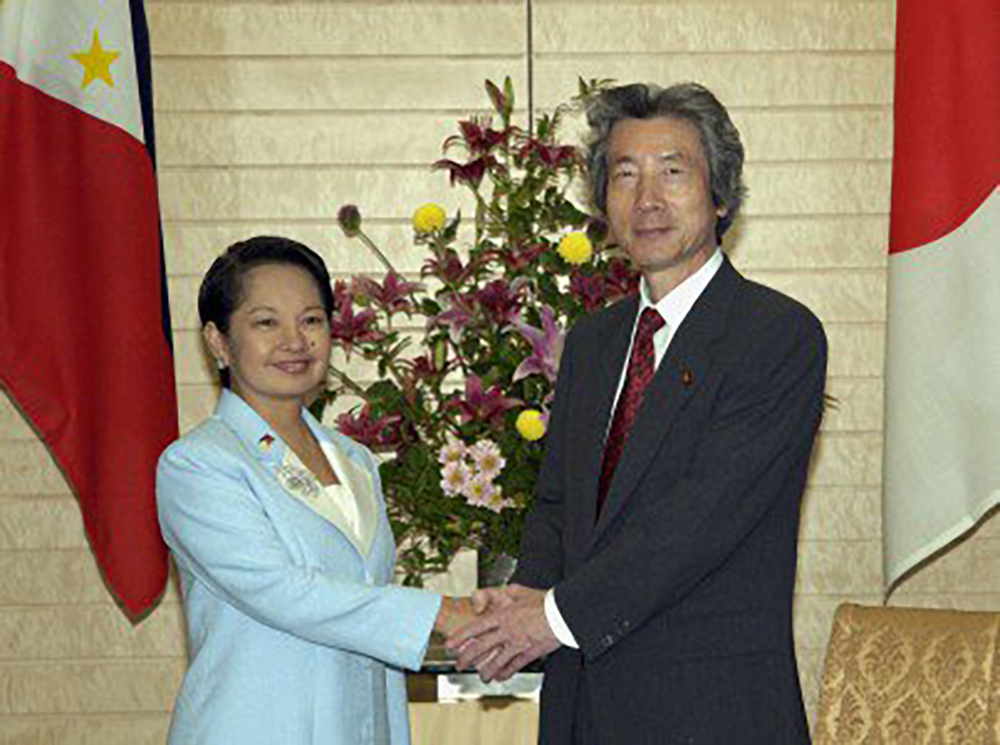
Over the past two decades, the agreement has significantly expanded bilateral trade by reducing tariffs across thousands of product lines. Philippine exports such as electronics, automotive components, coconut products, and seafood have gained improved access to the Japanese market, positioning Japan among the country’s most important and stable export destinations.
Investment flows have likewise accelerated under the PJEPA framework. Japanese manufacturers have deepened their presence across key industrial corridors including Laguna, Batangas, Cavite, and Cebu. These investments have strengthened the Philippines’ role in regional supply chains, particularly in automotive and electronics manufacturing, while generating hundreds of thousands of direct and indirect jobs. Alongside capital infusion came technology transfer, production expertise, and the introduction of Japanese management philosophies such as Kaizen (continuous improvement) and Monozukuri (the art/science of manufacturing)—elevating local industrial capabilities.
One of PJEPA’s most distinctive features is its provision on the movement of natural persons, notably Filipino nurses and caregivers. Through structured language training and licensure pathways, the agreement has enabled Filipino healthcare professionals to support Japan’s aging population while building specialized career opportunities abroad.

Beyond trade and labor mobility, PJEPA has fostered broader economic cooperation spanning human resource development, SME support, environmental standards, and technical collaboration. It has also laid a durable foundation for wider Philippines–Japan engagement in infrastructure, energy, and development financing.
Twenty years on, PJEPA’s importance is even more pronounced as the Philippines and Japan enter what leaders from both nations describe as a “golden age” of bilateral relations.
Twenty years on, PJEPA’s importance is even more pronounced as the Philippines and Japan enter what leaders from both nations describe as a “golden age” of bilateral relations.
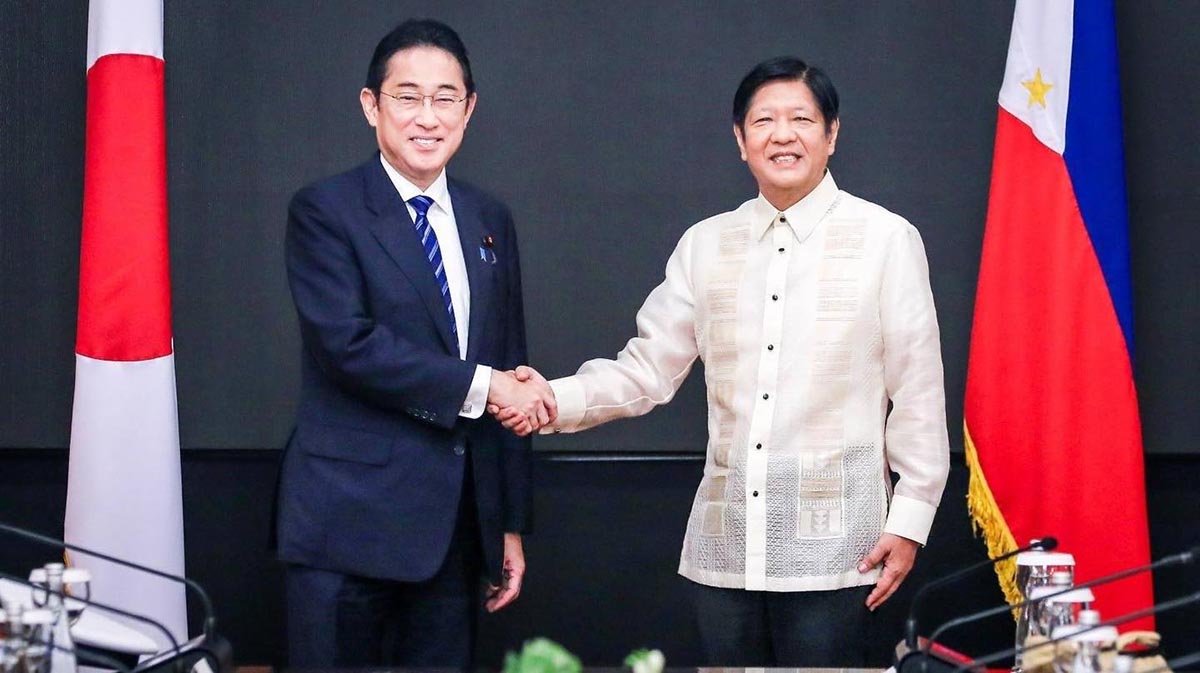
Anchored on deep economic complementarity and strategic trust, the agreement serves as a vital institutional backbone for expanding collaboration in quality infrastructure, energy transition, digital innovation, and resilient supply chains. In an evolving Indo-Pacific landscape, PJEPA remains a stabilizing framework, ensuring that trade, investment, and people-to-people exchanges continue to drive a forward-looking Philippines–Japan partnership.