
Few shipping companies can claim a relationship with Japan as long-standing and deeply rooted as Wah Kwong can. Since taking delivery of its first Japanese-built vessel, the New Venture, in 1966 at the Sanoyasu Dockyard in Osaka, the Hong Kong-based maritime group has built more than 140 ships in Japan, forging partnerships that span generations.
That legacy continues to evolve.
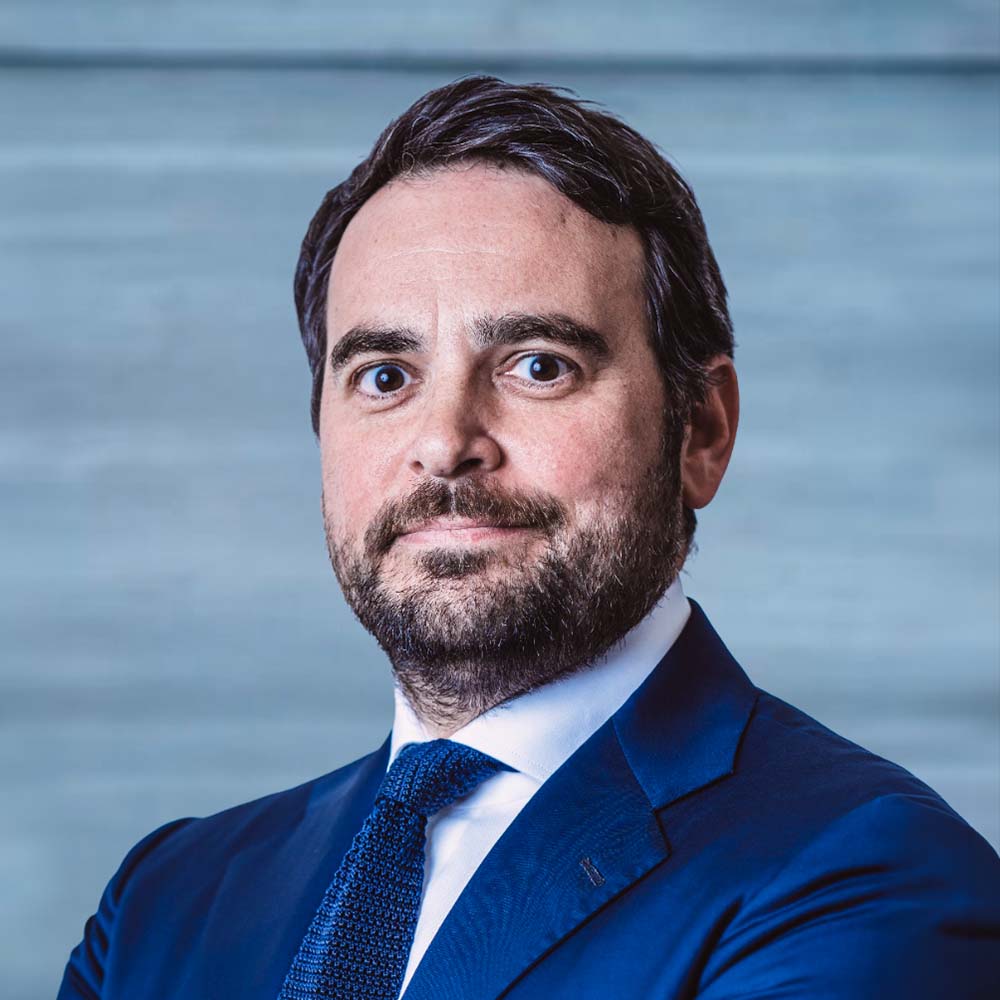
In recent years, Wah Kwong has redefined its role in Japan from a traditional shipowner to a more integrated maritime partner. According to Luigi Cafiero, chief commercial officer of Wah Kwong Maritime Services (UK) Co. Ltd., this shift reflects a broader transformation within the group.
“Historically, our interaction with Japan was centered around shipbuilding. Since 2023, we have changed the perception of what Wah Kwong can be. We are now an integrated shipping company with multiple business units interacting with the market in different ways,” Cafiero said.
This transition has enabled the company to build deeper and more varied relationships across Japan’s maritime ecosystem. Alongside newbuilding, Wah Kwong now works with trading houses, shipowners and financial institutions, providing services that range from technical and supervision management to time charter operations.
“Japan is one of the few markets where you can build truly generational relationships,” Cafiero said. “We focus on partnerships that extend well beyond individual transactions.”
“Japan is one of the few markets where you can build truly generational relationships. We focus on partnerships that extend well beyond individual transactions.”
Luigi Cafiero, Chief Commercial Officer of Wah Kwong Maritime Services (UK) Co. Ltd.
A defining feature of Wah Kwong’s approach is its emphasis on contribution. As structural changes reshape the Japanese shipping landscape, the company has positioned itself as a partner that adds operational and strategic value.
“We want to contribute to the Japanese market,” Cafiero noted. “That means sharing knowledge and supporting partners as the industry evolves.”
Capacity constraints in Japanese shipyards have prompted many owners to explore construction options beyond domestic facilities. In this environment, Wah Kwong plays a bridging role, drawing on its experience in both Japan and China to support vessel development and project execution.
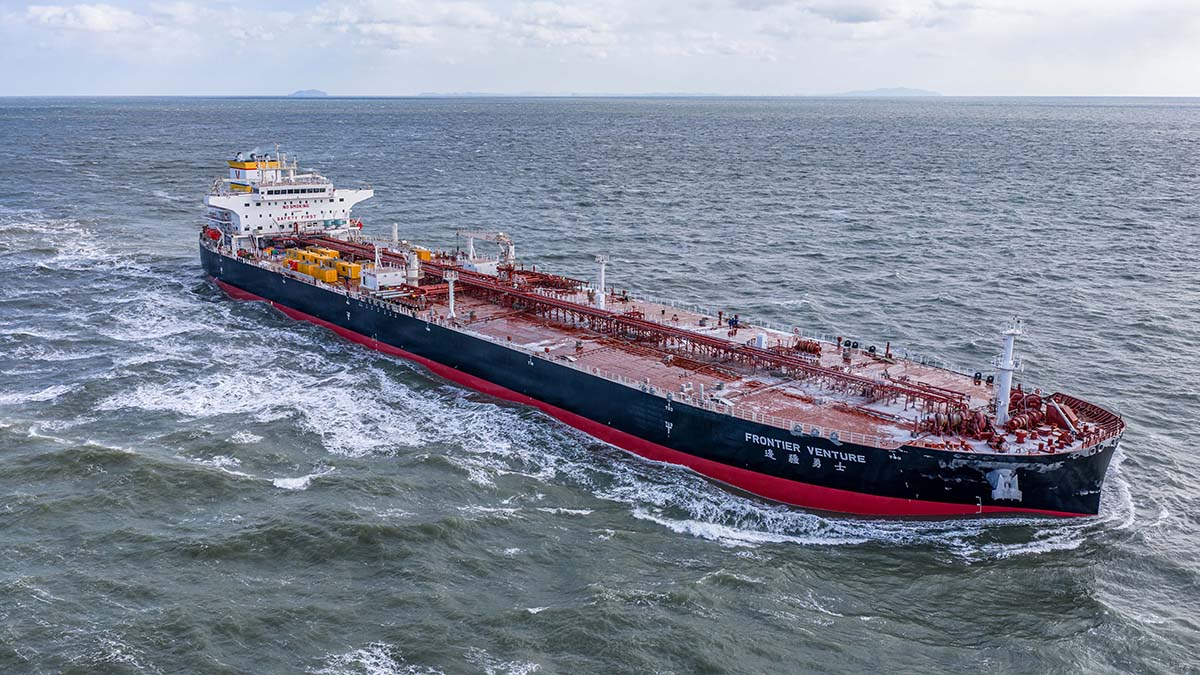
This perspective is reinforced by the group’s expanding capabilities. In 2025, Wah Kwong established Venture Energy, a subsidiary focused on the procurement and trading of clean fuels. Positioned in Hong Kong, the unit connects producers in China with end users globally, while developing supply chains for key bunkering hubs across Asia.
Together with its technical management activities, including involvement in methanol bunkering operations, this provides Wah Kwong with a detailed understanding of emerging fuel ecosystems and their practical application.
“Decarbonization requires a collective effort,” Cafiero said. “We approach it by building knowledge across the value chain and sharing that with our partners, including those in Japan.”
Beyond Asia, Wah Kwong has strengthened its international footprint, which includes a recent expansion into Europe through the acquisition of a shipping-related business in Italy. The move reflects a broader strategy to operate across key maritime hubs while maintaining a strong base in Asia.
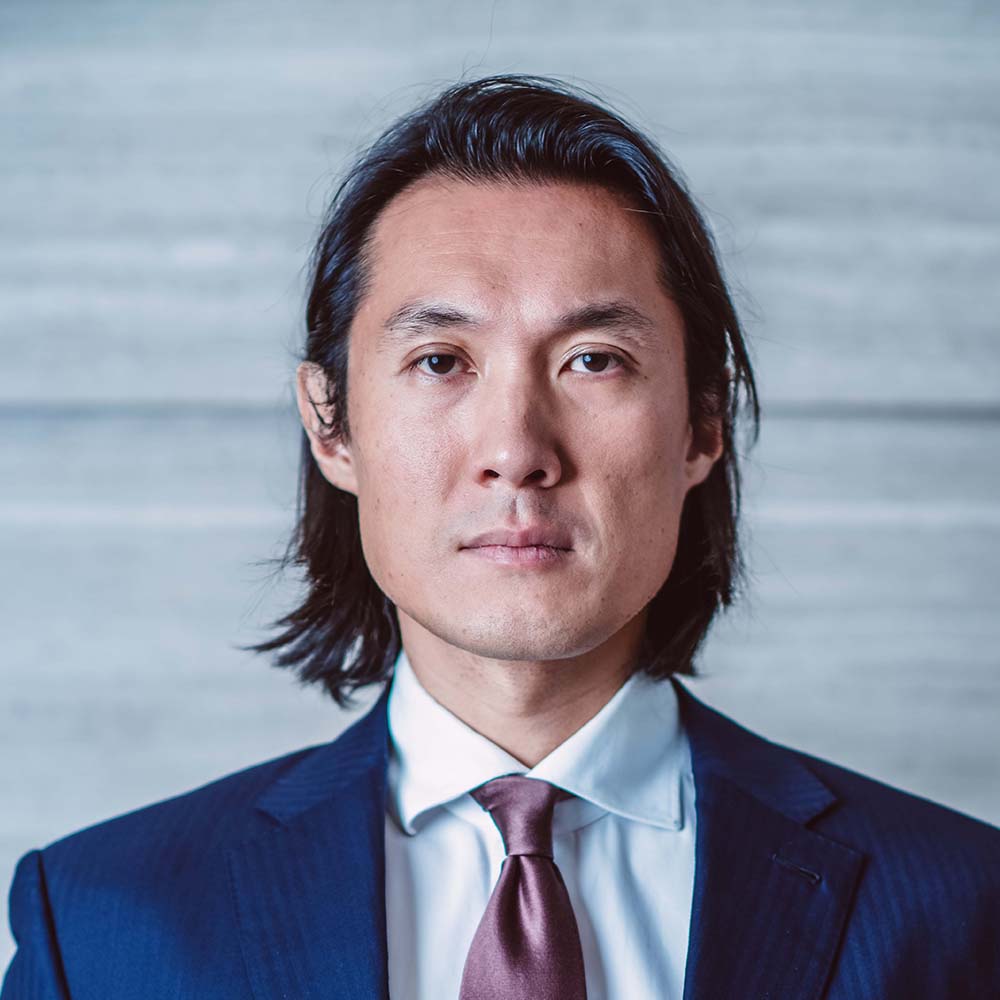
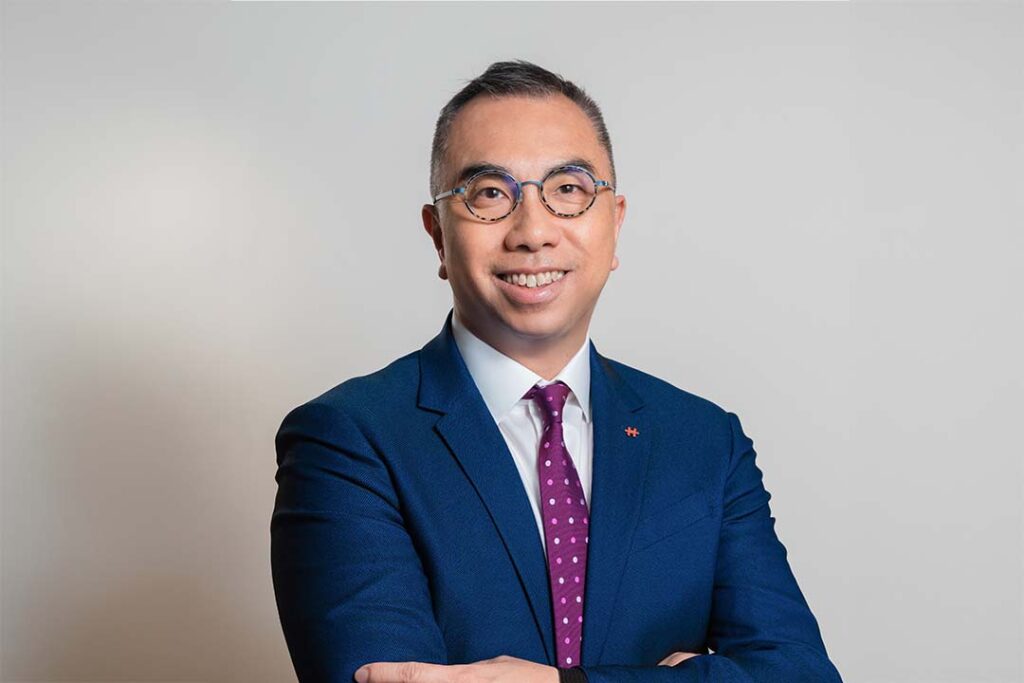
“We have been doing business in Japan since the 1960s and have relationships with key partners across generations. We were amongst the earliest international shipowners to build in Japan and for decades played a bridging role with the international market. Now, as the shipping industry enters a new phase of development marked by technological transformation, the energy transition, as well as changing patterns of global trade, there is a greater need for partnership than ever,” said Hing Chao, chairman of Wah Kwong Maritime Transport Ltd.
“Responding to these changes, Wah Kwong is reinventing as an integrated shipping company with expertise across the value chain of ship owning, asset management, commercial operations and in the broader energy transition in which shipping plays a critical role. Strategically, we have enhanced the value proposition for partners in Japan, which is reflected in the multitiered relationship we are starting to develop,” he said.
Strategically, we have enhanced the value proposition for partners in Japan, which is reflected in the multitiered relationship we are starting to develop.
Hing Chao, Chairman of Wah Kwong Maritime Transport Ltd.

Wah Kwong’s development remains anchored in long-term relationships and a willingness to adapt to changing market dynamics. In Japan, these qualities continue to align with the expectations of partners across the maritime sector.
As the company approaches its 75th anniversary in 2027, Wah Kwong continues to build on its legacy while positioning itself for the next phase of global maritime development.
“We see Japan as a key market for our future,” Cafiero said. “There is a strong alignment in mindset, and we believe we can play a meaningful role as the industry evolves.”