
China’s built environment is entering a new phase. After decades of rapid urbanisation and large-scale construction, architects and designers across the country are seeing greater attention placed on existing urban assets, public life, cultural identity and the long-term value of development.
The shift is particularly visible across the Greater Bay Area, where cities are continuing to grow while reconsidering how existing districts, buildings and infrastructure can serve changing needs.
The direction of this change can also be seen in the projects recognised by the PropertyGuru Asia Property Awards. In 2025, Nanjing Alibaba Center by Benoy won Best Mixed Use Architectural Design in Mainland China, while Shanghai Qianwan Incity Mega by Lead8 was recognised for Best Retail Architectural Design. In Japan, Yokohama Symphostage by Obayashi Corporation won Best Office Development, reflecting the breadth of development and design approaches being recognised across the region.
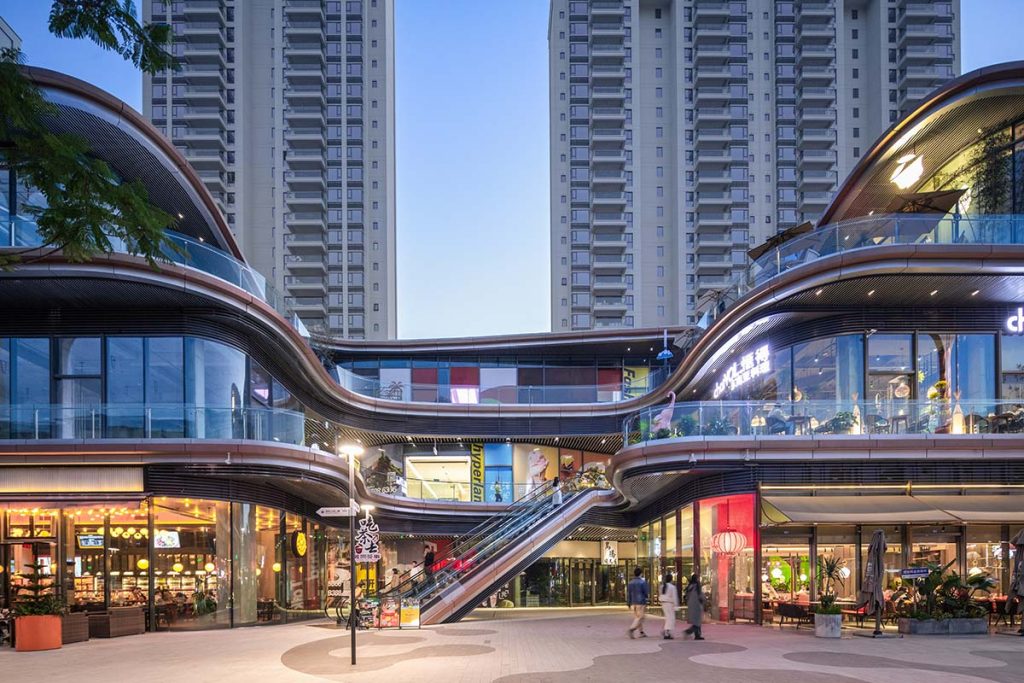
Aedas, an international architecture and design practice with extensive work across China and the Greater Bay Area, has seen this transition across its work in the region, including large mixed-use developments and projects centred on public space and connectivity. The practice describes the change as a move toward “high-quality development.”
“The architectural industry is likewise shifting away from prioritising scale and iconicity towards a more people-centric, low-carbon and highly connected urban future.”
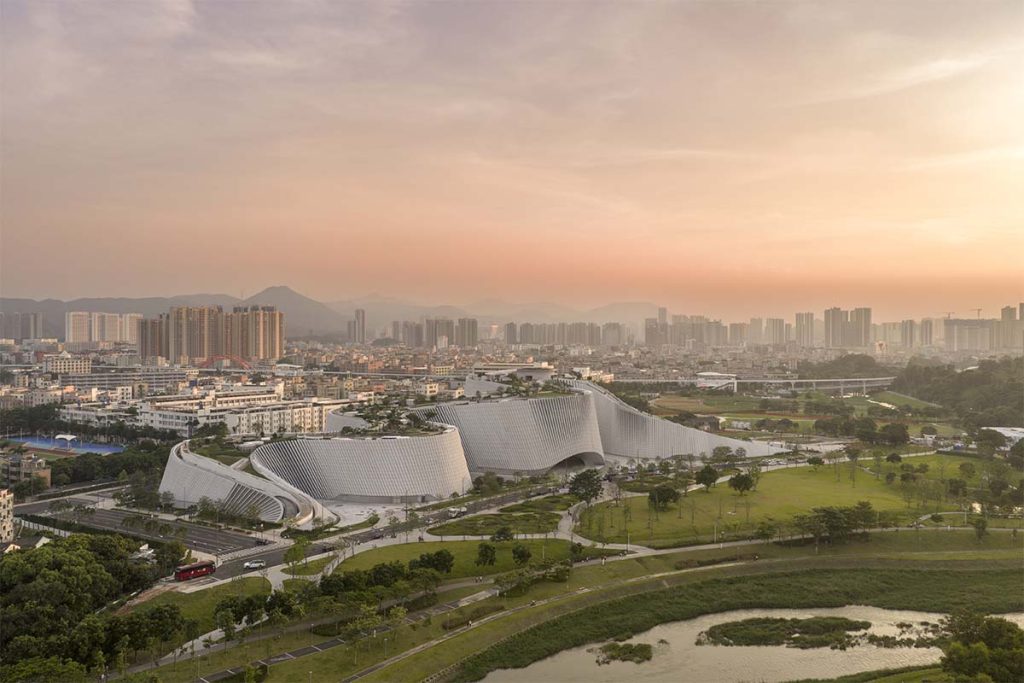
B+H Architects, which has worked in China for over 30 years, has observed a similar evolution in the market, with greater attention being given to how buildings and spaces perform for the communities around them.
“Before, there were more like the idea of how much we can build, how big, how large, how iconic we can build, and now we feel that it’s more like how good we could build.”
That change in priorities is influencing how architects approach regeneration, public space, mixed-use development, technology and cultural identity.
From expansion to regeneration
The growing focus on the quality and reuse of existing urban assets is reflected in recent award-winning projects across China. Nanjing Alibaba Center, recognised by PropertyGuru for mixed-use architectural design, and SKP Wuhan, which won Best Completed Retail Architectural Design, demonstrate the range of approaches being taken to contemporary urban development.
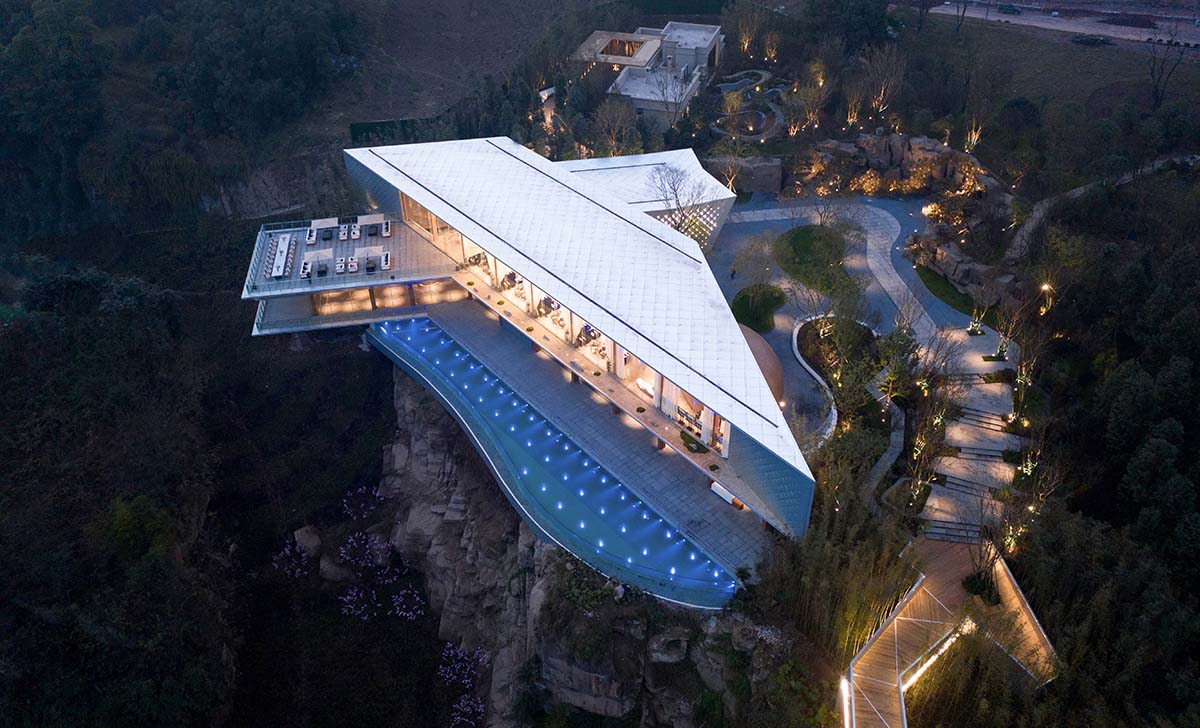
For Challenge Design, a China-based design practice working across architecture and development, the change is particularly visible in the movement away from repetitive large-scale development and toward the renewal of existing urban stock.
“Architecture across China and the Greater Bay Area has firmly left behind the era of high-turnover, copy-paste development. We are now in a phase of stock regeneration and qualitative upgrading…”
The firm’s approach centres on understanding the conditions of a place and translating them into workable design.
“Whether we are working in the fast-moving markets of the Greater Bay Area or on projects in core cities across the country, the through-line is the same: design the scenario, work with the place, make it buildable.”
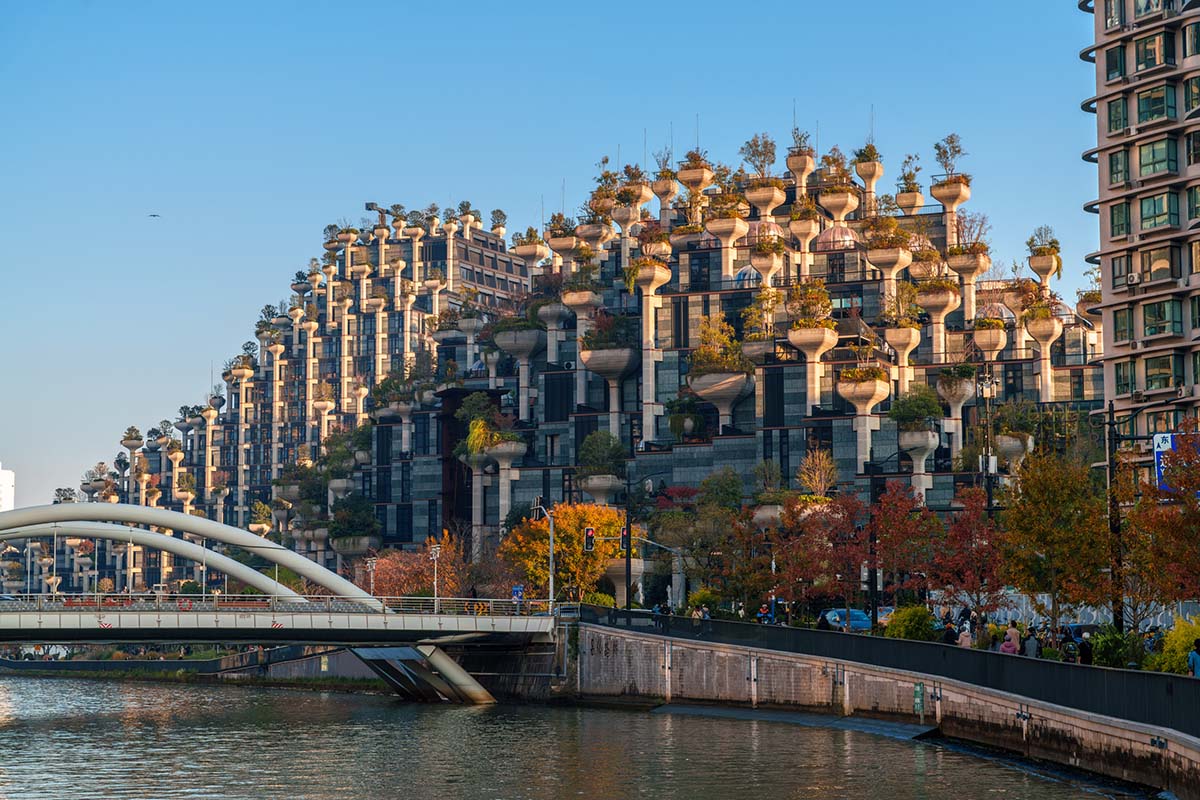
That focus on existing places is creating new opportunities for adaptive reuse, an area where Heatherwick Studio, the international design practice known for architecture, urban design and large-scale public projects, has seen growing interest across China.
Former industrial facilities, shipyards, concrete factories and steelworks are increasingly being reconsidered for their architectural character and connection to local history.
“There is a real appreciation for the role they played in the economic history and social memory of places, and for the fact that they can create fascinating and unique experiences.”
Heatherwick Studio sees opportunities in preserving the character of these places while introducing contemporary architecture that can establish a dialogue between old and new.
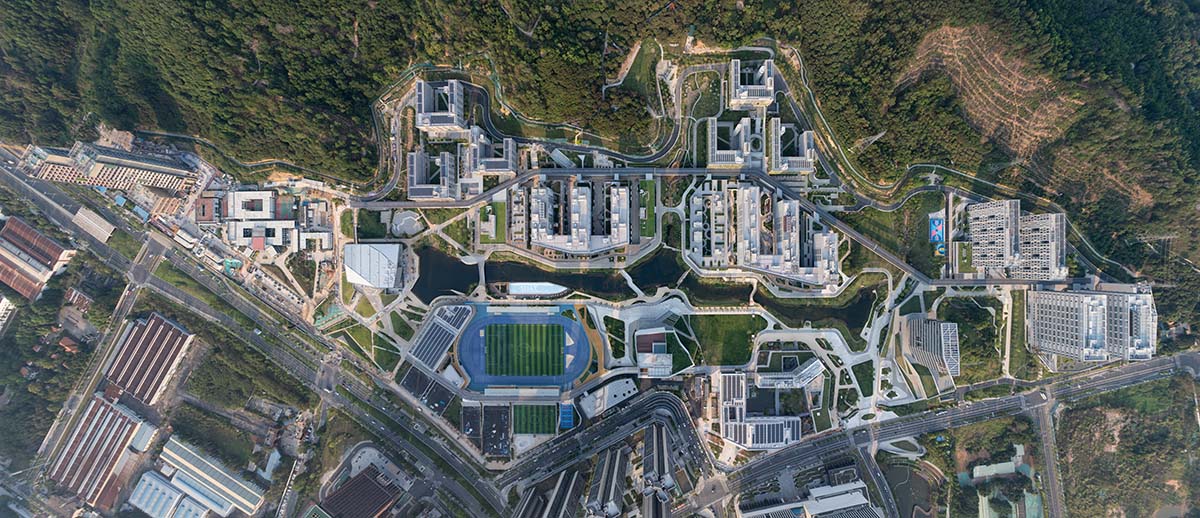
In first-tier cities such as Beijing and Shenzhen, reMIX studio, an architecture and urban design practice working across regeneration and large-scale development, is seeing a related transformation in large commercial structures. Shopping malls and other “empty shells” are becoming opportunities for new programmes and uses.
“It’s not pure design anymore. It’s a hybrid of design and curatorial work. You really have to reinvent a function and reinvent the mix of programs to make sure that these big parts of city centers can be reactivated.”
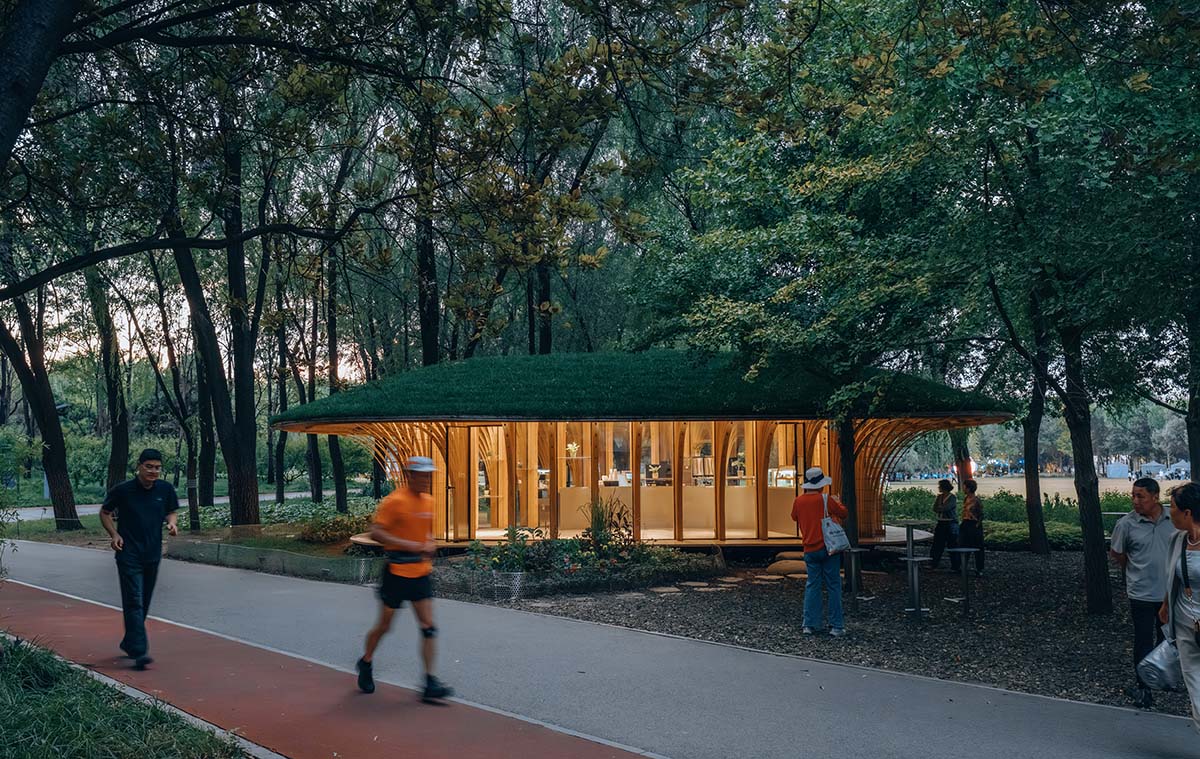
LUO studio, a China-based architecture practice focused on materials, structure and local context, sees the broader market transition in similarly fundamental terms.
“Overall, the period of rapid, large-scale urbanization and construction in China has come to an end. What we are now facing is a phase of transforming and optimizing existing urban space.”
For the studio, this next period could bring greater interest in smaller interventions, artistic expression and playfulness, while remaining grounded in materials, construction and the particular conditions of each site.
Public space as urban infrastructure
As cities turn their attention toward existing districts, public space is taking on a more prominent role in how development is planned and experienced.
The importance of the public realm is also visible in the wider awards landscape. Projects such as Shanghai Qianwan Incity Mega, winner of Best Retail Architectural Design in Mainland China, and Japan’s Kato Knife Gallery and Workshop, winner of Best Retail Architectural Design in Chubu, show how contemporary projects are being recognised for approaches that extend beyond conventional building formats.
Aedas’ Hyperlane project in Chengdu illustrates this approach through a 2.4-kilometre landscaped corridor connecting retail, residential, creative workplace and cultural facilities.
The project treats the public realm as a central part of the development, with spaces for cultural activity, recreation and community life.
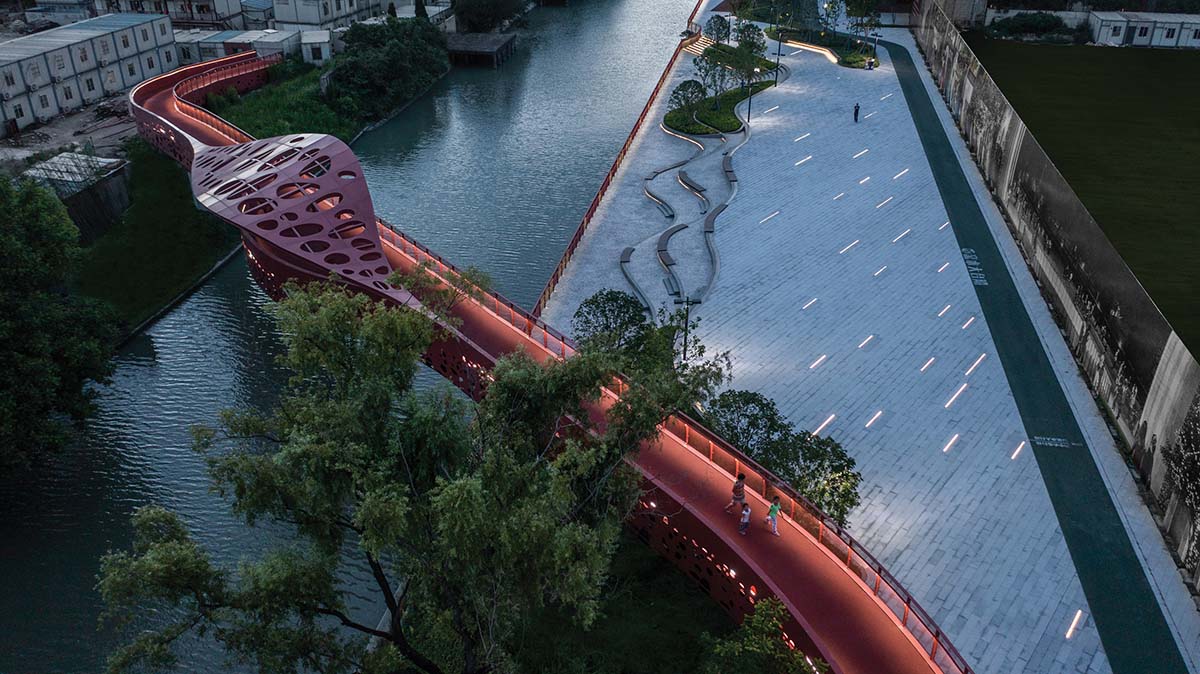
SPARK Architects, an international architecture practice working across architecture, urbanism and public space, has reached a similar conclusion through its work at Minhang.
“Public space is not the residual space left after development. It can be the infrastructure around which development happens.”
Heatherwick Studio has also observed greater recognition among governments and companies of the value of investing in public space, particularly in creating distinctive identities and bringing activity into districts.
B+H Architects’ Shenzhen Natural History Museum provides another example of this approach. The project incorporates a large elevated landscape, allowing the building and its surrounding environment to operate as a connected public experience.
As B+H puts it:
“The building becomes the landscape itself.”
The project creates opportunities for people to walk, gather and experience views of the city, while integrating ecology and landscape into the architecture.
LUO studio sees further opportunities in the revitalisation of urban green spaces and underused areas.
“In the shorter term, more immediate and effective approaches may come from creating a sense of playfulness and vitality.”
The studio also points to improvements in convenience and accessibility as areas where continued design attention can strengthen everyday urban life.
Designing for experience
The growing importance of public life is closely tied to another change: the way designers think about the experience of architecture.
Recent PropertyGuru winners in Japan underline the breadth of this approach. ILUVIO Resort Motobu by K2-Design won Best Resort Architectural Design, while FOUR SEASONS HOTEL OSAKA by CURIOSITY won Best Hotel Interior Design. The awards also recognised Kato Knife Gallery and Workshop by BAUM for both retail architecture and interior design, highlighting the role of design in shaping how people experience commercial and hospitality spaces.
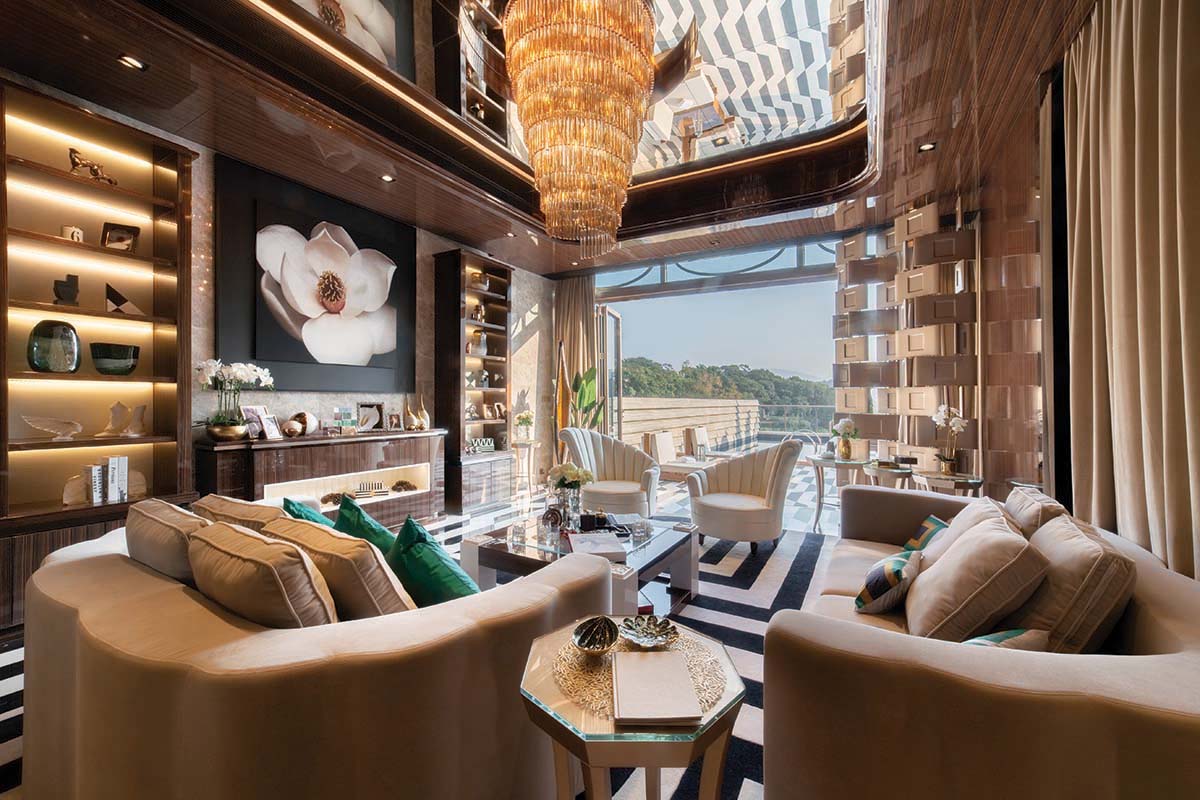
Alexander Wong Architects, the practice of architect Alexander Wong, places particular emphasis on the experience of moving through and inhabiting architecture.
“You’re not building a monument; you’re building something that is functional—functional monuments or functional spaces with commercial ideas and a lot of creativity so that people actually enjoy the spatial experience.”
Wong describes the repeated activities that take place within architecture as “rituals,” giving spaces meaning through human experience.
“That makes what we design extremely profound — not necessarily because of what we have created, but because these repetitive activities (or ‘rituals’) which are intrinsically related to the design itself, are deeply meaningful.”
ReMIX sees the same emphasis emerging at the urban scale:
“Efficiency is not the most important variable anymore. It’s all about the experience, with more emphasis on the quality of the public space and the quality of the program mix.”
The changing expectations around experience are also influencing mixed-use development.
Aedas points to integrated communities combining workplace, retail, residential, cultural and leisure functions. B+H’s OPPO campus in Dongguan applies a similar idea to the workplace, bringing offices together with sport facilities, accommodation, dining, retail and other amenities.
ReMIX is seeing new industrial campuses develop along similar lines, combining factories, offices and residential accommodation. These environments increasingly consider how people live and spend time alongside where they work.
Technology, sustainability and the human factor
Technology is adding another layer to this evolution.
For Alexander Wong, artificial intelligence is already opening new possibilities for architectural design.
“We’re in the age of AI. Everything is about artificial intelligence — using AI to further our design concepts or at least try out different possibilities.”
B+H is also incorporating AI into its workflow, using it to explore options and accelerate processes.
“We are not substituting the AI job, but we are integrating the AI in our job.”
The practice sees human judgement and creativity continuing to play a central role as the technology develops.
Sustainability is undergoing a similar shift toward deeper integration. Aedas sees low-carbon architecture, green infrastructure and healthy living environments becoming fundamental requirements across urban development.
SPARK Architects connects sustainability with the long-term relationship people develop with places.
“A sustainable city also needs places that people value sufficiently to use, share and care for over long periods of time.”
LUO studio adds a cultural dimension to the discussion, drawing connections between sustainability and traditional architectural knowledge.
“Sustainability is not only a technical matter; it can also be closely connected to traditional local architectural knowledge.”
ReMIX has seen technology influence the physical organisation of industrial campuses as well. AI-enabled logistics can reduce the amount of space required for trucks and storage, creating opportunities for more greenery and public space.
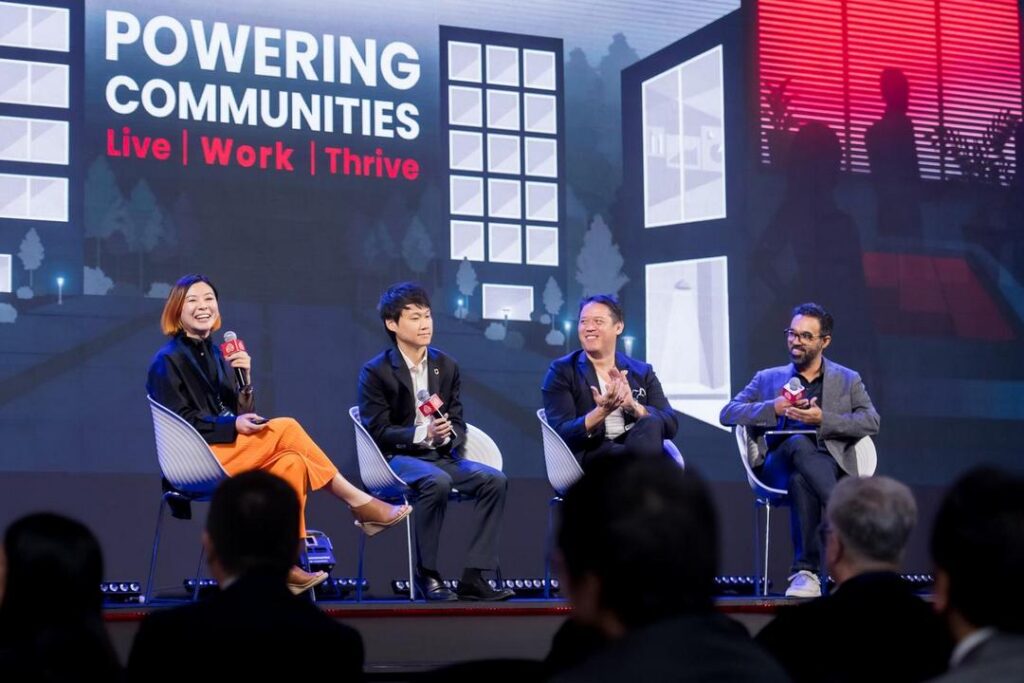
“Across Mainland China and the Greater Bay Area, we are seeing a continued shift towards developments that combine strong design thinking with a deeper understanding of how people want to live, work and thrive within their communities.”
Jules Kay, Managing Director of PropertyGuru Asia Property Awards
Modernity with a sense of place
The changing development model is also prompting designers to reconsider how contemporary architecture relates to local identity.
The PropertyGuru Asia Property Awards’ Japan winners offer another view of this relationship. Jozankei House by ALT Design & Construction won Best Bespoke Residential Interior Design in Hokkaido, while Lake Yamanakako Villa by K2-Design won Best Bespoke Residential Architectural Design in Chubu. Both sit within award categories that place emphasis on bespoke design and the relationship between architecture and its setting.
LUO studio approaches each site through detailed research into its materials, construction techniques, climate and cultural history. At the Yan Art Museum, the studio drew on traditional Chinese mortise-and-tenon principles and applied them to a contemporary public building.
ReMIX describes a related movement toward modern interpretations of traditional typologies, combining contemporary materials and standards with spatial qualities rooted in local traditions.
SPARK Architects sees cultural continuity as an important part of contemporary development.
“Modernisation and cultural continuity do not need to be opposites. The best projects can make a city feel simultaneously contemporary and unmistakably itself.”
Heatherwick Studio similarly sees value in allowing new architecture to engage with the history of a place. At 1000 Trees in Shanghai, the relationship between urban regeneration and everyday life extends beyond the building itself to the surrounding public realm.
“At 1000 Trees along Suzhou Creek, what used to be an industrial waterway is now lined with almost continuous walkways and greenery. The government has invested in bridges and connections, and it has become a great place to live. This focus on livability is going to be ever more at the forefront of regeneration.”
For Challenge Design, the broader shift can be expressed through the changing relationship between architecture and everyday life:
“In the end, what has changed is this: the center of gravity in design has moved from making buildings to making life—making scenes, making urban memory.”
Connecting the next generation of cities
Across the Greater Bay Area, these developments point toward a broader emphasis on connection.
The wider PropertyGuru awards also reflect the scale and diversity of this development environment. Nanjing Alibaba Center by Benoy was recognised for mixed-use architectural design, while Shanghai Qianwan Incity Mega by Lead8 won for retail architectural design. In Hong Kong and Macau, Henderson Land Development Company was named Best Developer in the 2025 awards, underlining the continued importance of integrated development across the wider Chinese market.
Aedas identifies transport infrastructure, intercity collaboration and networks of public spaces as important drivers of the region’s future. Its work at Hengqin CRCC Plaza reflects this thinking through a sky bridge linking four towers and creating an elevated network for movement and interaction.
“The future success of the GBA depends on strengthening connections, both between cities and within cities themselves.”
Across the interviews, the same principle appears at different scales: in the regeneration of existing buildings, the creation of public spaces, the integration of landscape and architecture, the reprogramming of large urban assets and the reinterpretation of local traditions.
For Jules Kay, Managing Director of PropertyGuru Asia Property Awards, these shifts reflect a broader change in how the industry defines a successful development.
“Across Mainland China and the Greater Bay Area, we are seeing a continued shift towards developments that combine strong design thinking with a deeper understanding of how people want to live, work and thrive within their communities. Quality today is increasingly defined not only by architecture, but also by sustainability, placemaking, wellness, adaptability and the long-term value a development creates for people and places. We see this reflected through the PropertyGuru Asia Property Awards (Mainland China, Hong Kong and Macau), where we have the opportunity to recognise the developers and design practices that are responding to these changing expectations and helping shape the next generation of places across the region.”
The next phase of development across China and the Greater Bay Area is being shaped by these changing priorities. The emphasis on experience, adaptability, cultural identity and long-term value is giving architects and designers new ways to think about how cities evolve and how people experience them.