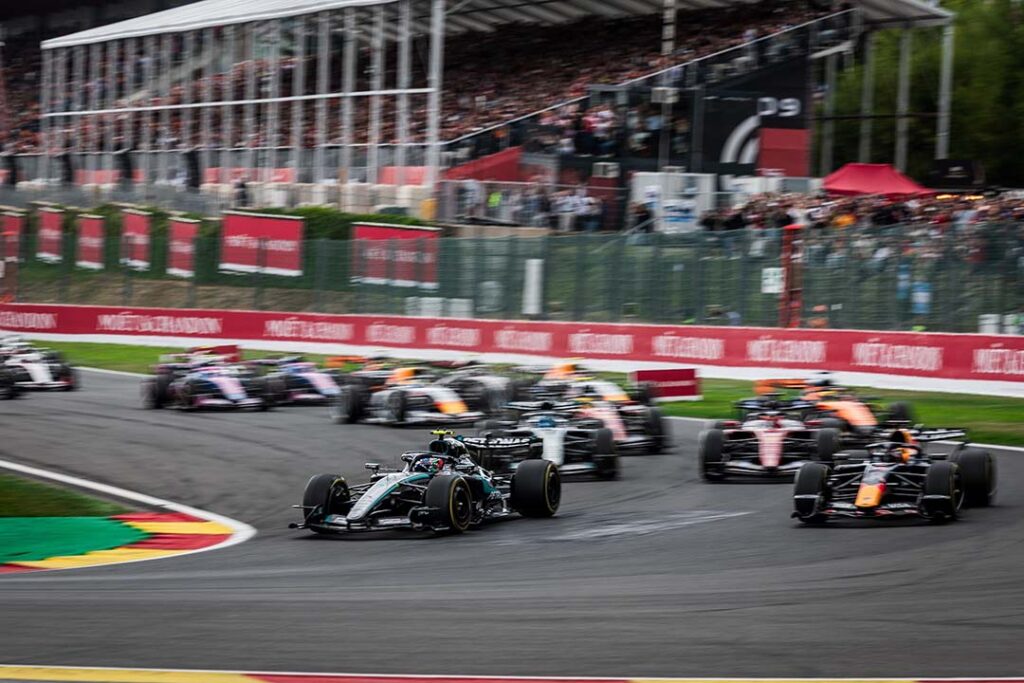

Through the years, Formula 1 has seen a never-ending debate over whether one country should have more than one Grand Prix. The United States currently has three races on the calendar, while Italy had two races share the F1 calendar for a total of 29 years. Now, Spain joins that exclusive club.
In the 2026 season, Formula 1 raced at both the Circuit de Barcelona-Catalunya and the brand-new Circuito de Madring. F1 has been racing at the Barcelona-Catalunya track for 35 years and counting, although its regularity on the calendar is set to change starting next season. With the arrival of the Madring, Formula 1 has also returned to the capital of Spain, Madrid, for the first time in 45 years.
A new race for Madrid
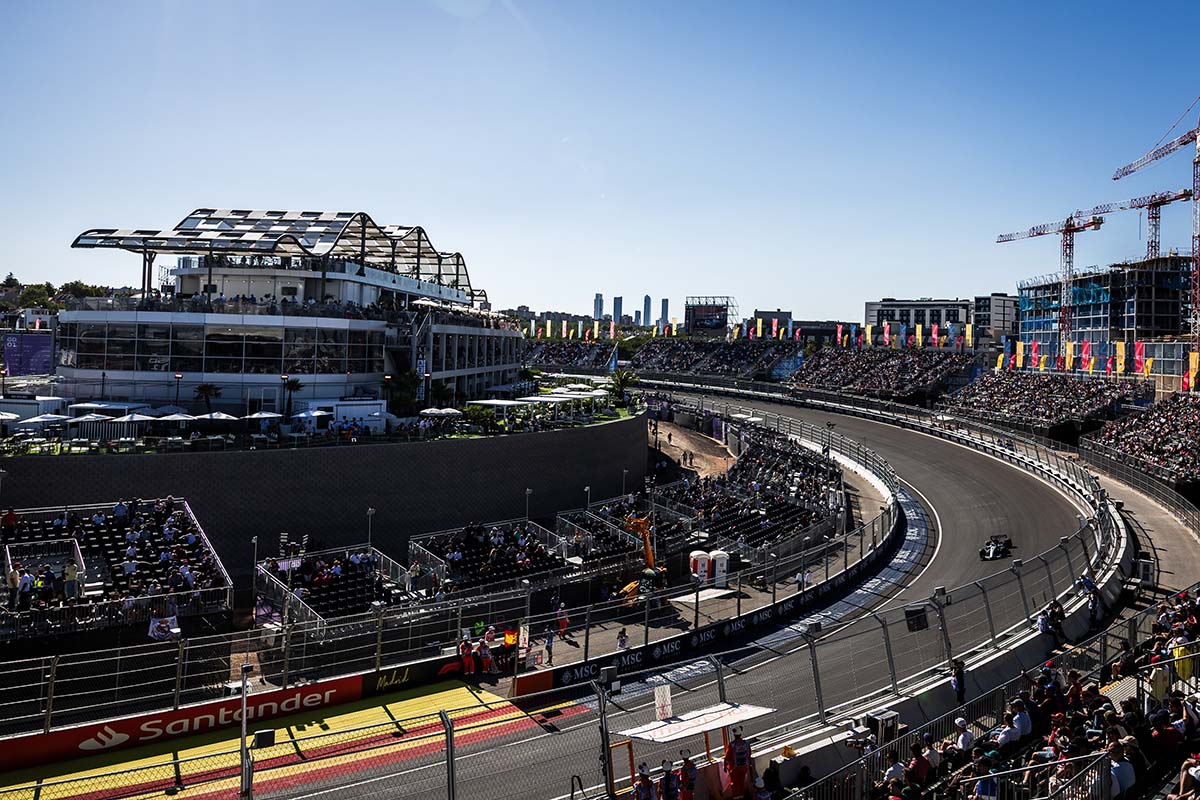
The arrival of the Madring marks a massive shift for the Spanish Grand Prix. Barcelona has been part of the Formula 1 calendar since 1991, becoming a familiar part of the sport’s European leg. Madrid, meanwhile, has been waiting for its moment on the coveted F1 calendar.
The new 5.4-kilometer circuit combines public roads around IFEMA Madrid and Valdebebas with purpose-built sections, creating a layout that combines a street circuit with a permanent venue. Its 22 corners include fast sections, heavy braking zones, elevation changes and the striking La Monumental, a banked corner with an angle equivalent to roughly 13.5 degrees.
After 45 years away, the lights are finally back on in Madrid.
It also gives Madrid something Formula 1 does particularly well: putting it on the international stage.
The circuit sits close to the city and Madrid-Barajas Airport, with public transport playing a major role in how fans reach the venue. Organizers designed the event around accessibility, with Metro, rail, buses and dedicated shuttles forming the backbone of the race weekend’s mobility plan.
For international fans, that matters. A Grand Prix can introduce millions of people to a city they may never have visited before, and Madrid now has an entirely new reason to appear on the motorsport map.
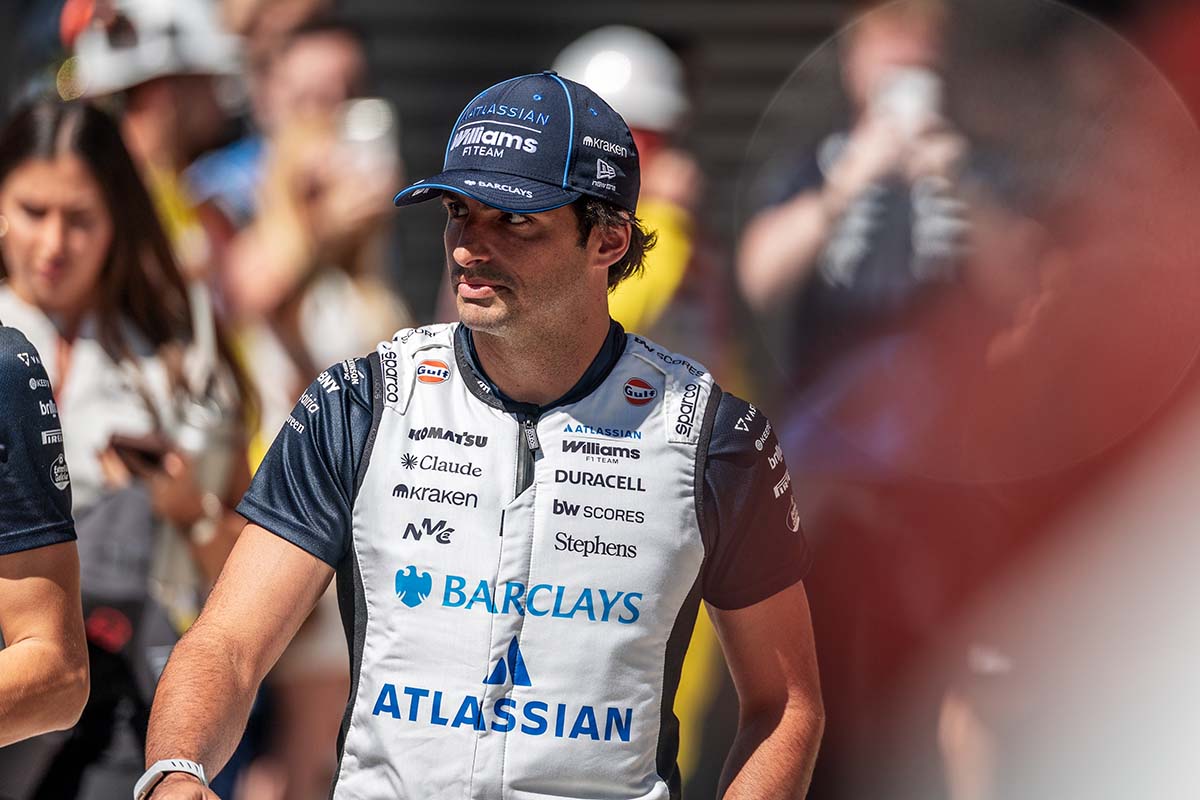
For Carlos Sainz, it means something even more personal.
The Madrid-born Williams driver became an ambassador for the circuit, giving the inaugural race a homegrown face and creating a connection between the city, its fans and one of its most recognizable modern racing figures.
From Jarama to the Madring
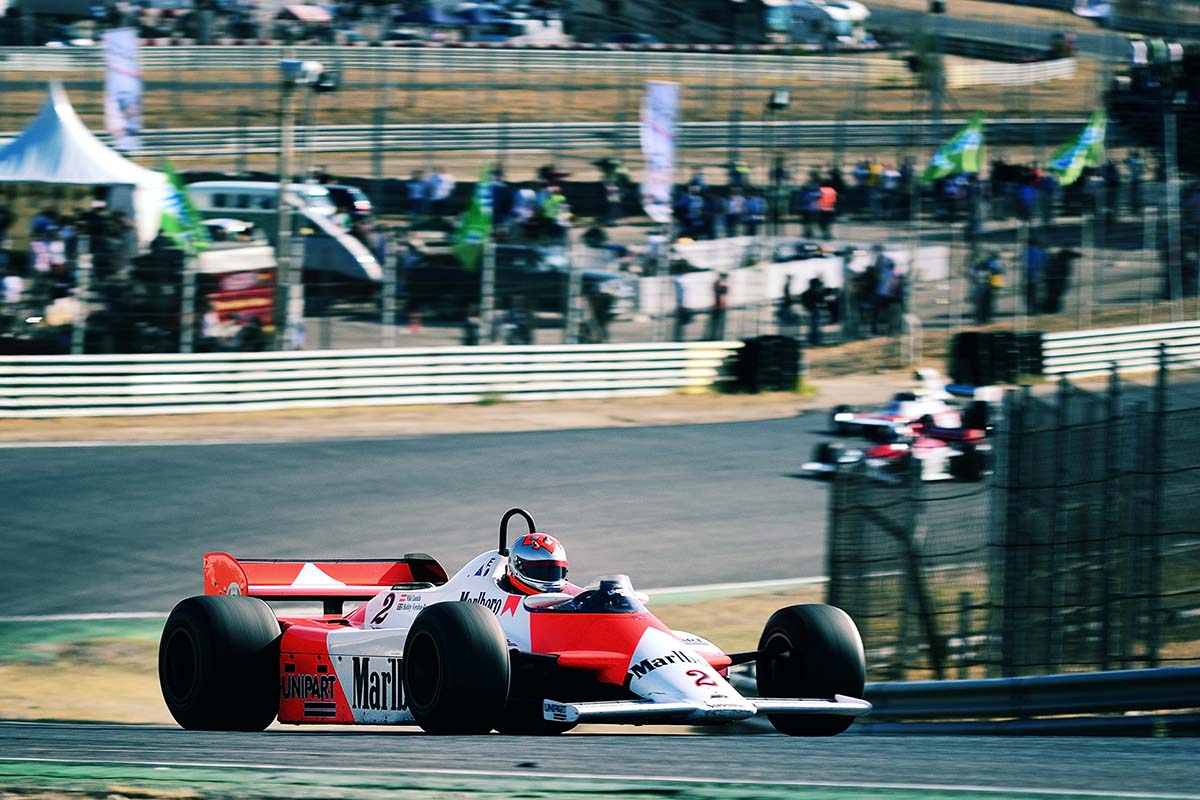
While the Madring is brand new, Formula 1’s relationship with Madrid is not.
The Spanish capital first hosted the World Championship at the Jarama circuit in 1968. Located north of the city, Jarama became part of Spain’s early efforts to establish itself as an important destination on the Formula 1 calendar, sharing the Spanish Grand Prix with Barcelona’s Montjuïc circuit during that era.
Jarama hosted the Spanish Grand Prix again throughout the 1970s and into the early 1980s, with its final World Championship race taking place in 1981.
Eventually, Formula 1 moved to Barcelona, at the Circuit de Barcelona-Catalunya.
For generations of fans, Barcelona became synonymous with the Spanish Grand Prix. Now, 45 years after Madrid’s last World Championship race, the capital has its own chapter again.
The circuit may have changed, the cars certainly have, and the sport itself has become bigger than ever, but the idea remains the same: bringing Formula 1 into the heart of a city and giving its people a race to call their own.
A first race, and a lot to learn
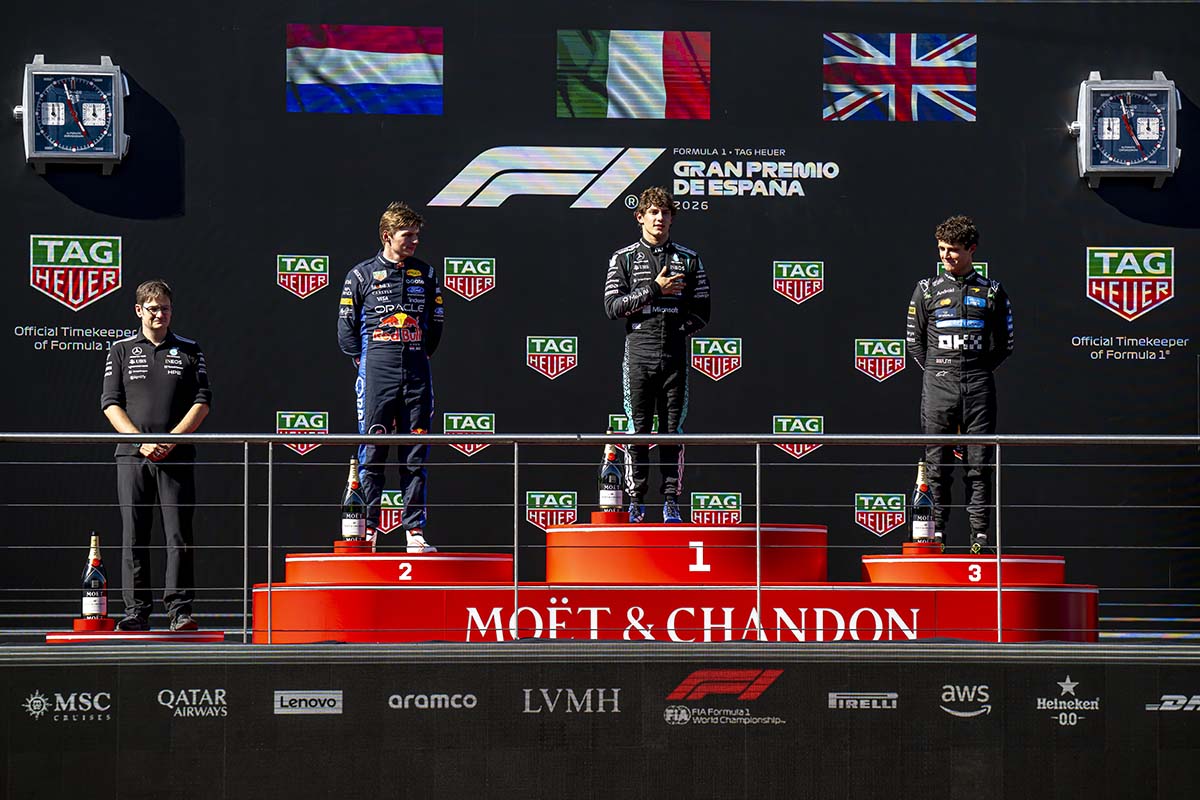
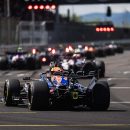
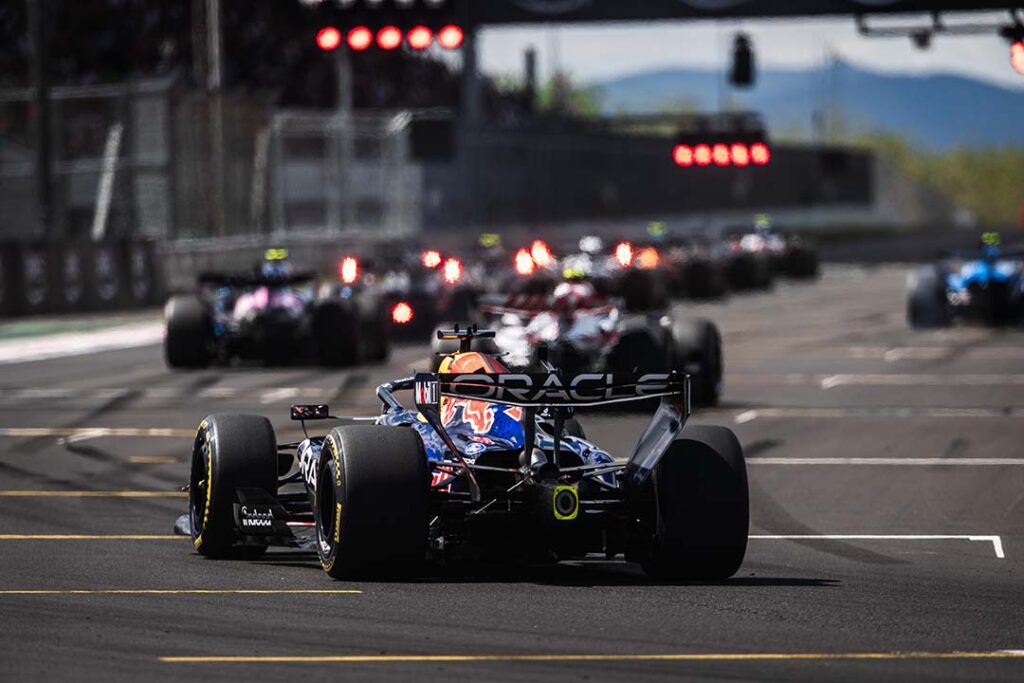
The inaugural Madring weekend gave fans their first real look at how the ambitious circuit would work under Grand Prix conditions.
On paper, the track looked quite interesting, with long straights, tight and twisty corners, walls so close to the track, and heavy braking zones. But in reality, the first race panned out quite differently. Overtaking was difficult, making qualifying position and strategy especially important. When Ferrari’s Charles Leclerc spoke about the track, he said, “It’s going to be a tricky one to overtake on, I think.” After the race, Red Bull’s Max Verstappen echoed that sentiment, saying, “It’s a circuit that’s very difficult to pass on; if you position yourself in the middle, there isn’t really a way through, so I was able to hold off Lando until the end.”
Both comments highlight one of the challenges of a new circuit: there is always room to learn and improve.
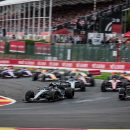
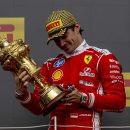
The first Grand Prix also showed how quickly teams and drivers adapt. Lando Norris took pole after producing a standout qualifying lap, while Kimi Antonelli eventually claimed the inaugural Madring victory after a Virtual Safety Car dramatically changed the strategic picture.
The result may have been decided by strategy rather than a string of spectacular passes, but that is part of what makes a new circuit interesting. The first race is the beginning of the learning process for everyone involved.
And Madrid will have the chance to evolve with it.
Madrid takes its place
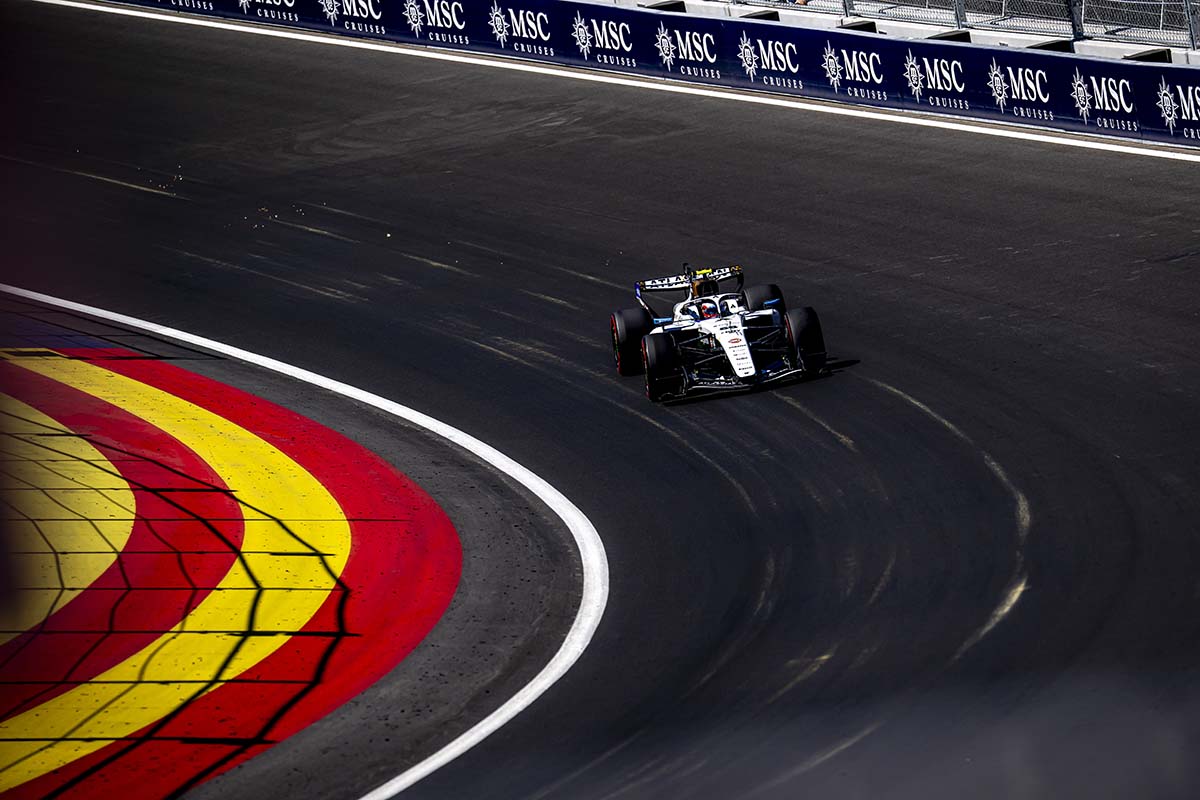
The biggest impact of Madrid’s arrival may be felt beyond the track itself. A second Spanish Grand Prix gives more fans across Spain and Europe another opportunity to experience Formula 1 in person. It also gives international visitors another reason to travel to Spain, combining a Grand Prix weekend with Madrid’s food, art, architecture, nightlife and culture.
That’s where Formula 1 becomes bigger than the race itself.
A fan traveling to Madrid from another country gets to experience a new city through Formula 1, while local fans get to welcome the rest of the world to theirs. The Grand Prix brings together people from different backgrounds who share the same reason for being there: their love for the sport.
The Madring’s first race may have left plenty for the circuit to refine, particularly when it comes to creating more opportunities for on-track battles. But for F1 fans, Madrid now offers another circuit to learn, another Grand Prix to experience, and another chapter in Spain’s long history with Formula 1.
After 45 years away, the lights are finally back on in Madrid.