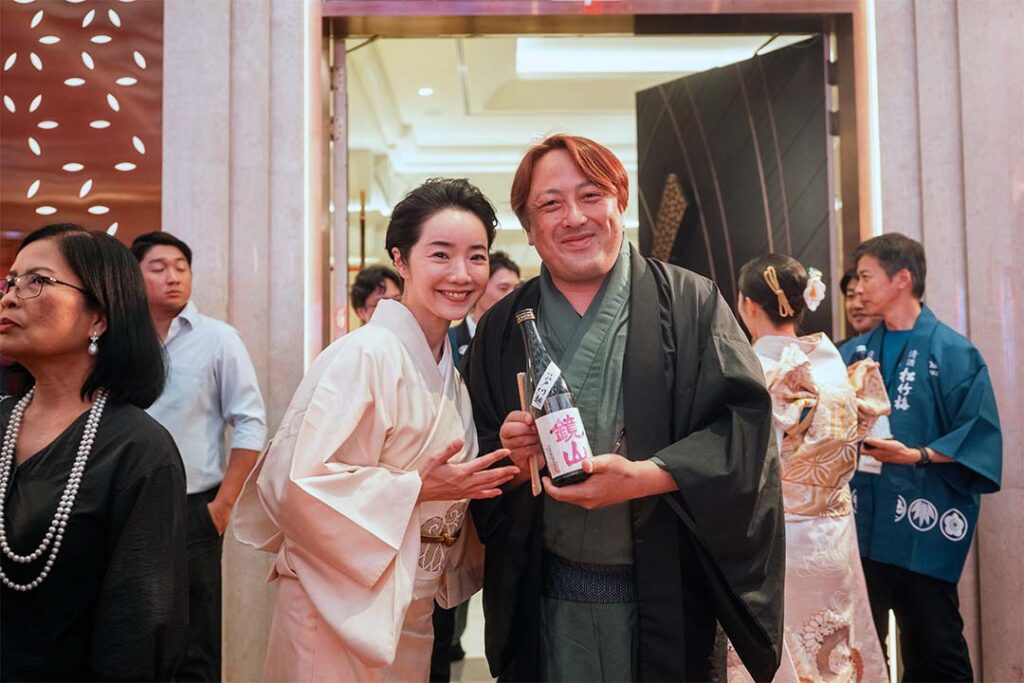

RUNRIO’s One Piece and Pokémon races are turning childhood nostalgia into sold-out start lines — and casual walkers into converts.
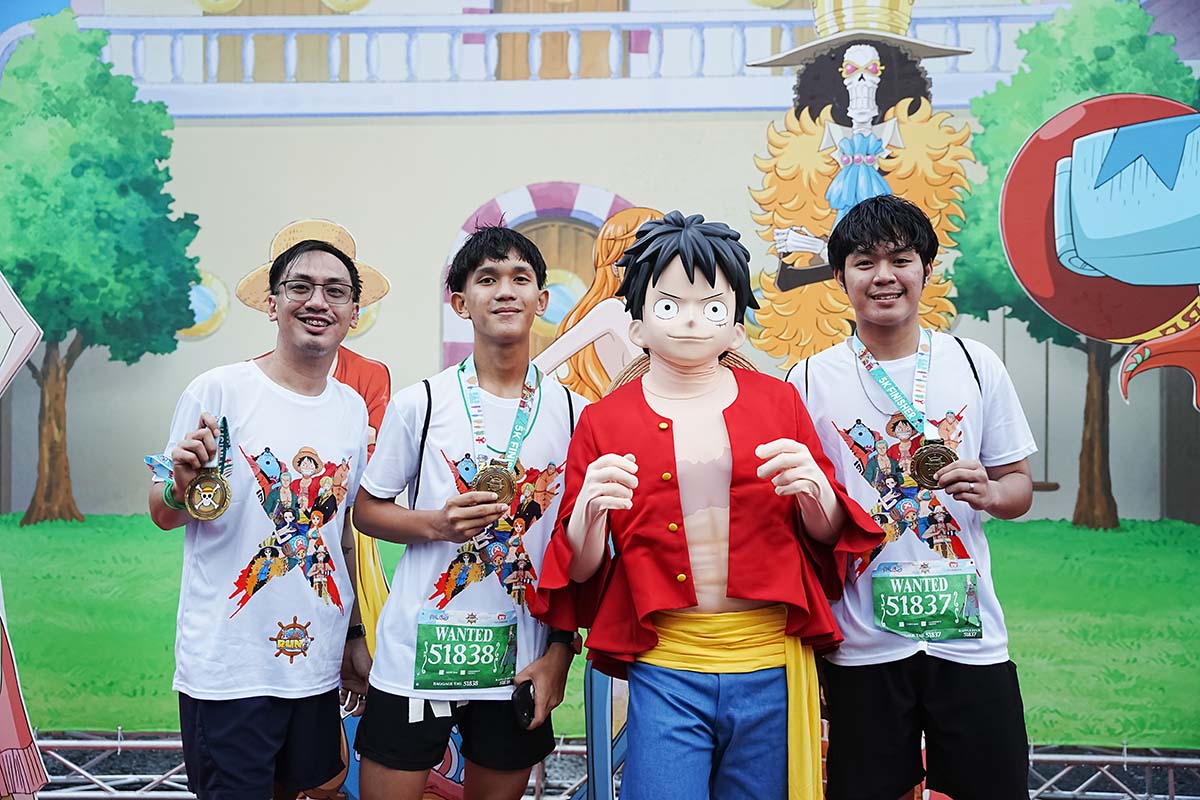
On a humid Saturday morning at the Mall of Asia grounds, a grown man dressed as Monkey D. Luffy jogs past the finish line, straw hat and all. Behind him, a toddler clutching a Pikachu plush is carried on her father’s shoulders, both of them soaked in sweat and confetti. He’s a first-timer chasing a costume photo; she’s along for the ride. For one morning, the finish line makes runners of them both.
This is the world RUNRIO has spent nearly two decades building, and it started, like most origin stories worth telling, with one person’s conviction. Coach Rio, a former national athlete who had raced in marathons around the world and is the founder of RUNRIO, came home in 2007 convinced his country was missing something.
Running here was a niche pursuit then: “around four, five, six races in a year,” he says, “and the community was very, very small.” So he left a corporate job and built a company on a simple bet: that running, staged properly, could feel less like an errand and more like an experience. “The race is front and center, but we incorporated entertainment, music, and other things to attract runners, particularly first-timers,” he says. “What we really want is for them to come back. A good experience.”
It worked. RUNRIO now stages over a hundred races a year, more than there are weekends to hold them, reaching Davao, Cebu, Iloilo, Cagayan de Oro, Clark, and beyond. But its boldest move arrived only recently, when the company bet that the fastest way to a Filipino’s heart might run through a Poké Ball as readily as a finish line.
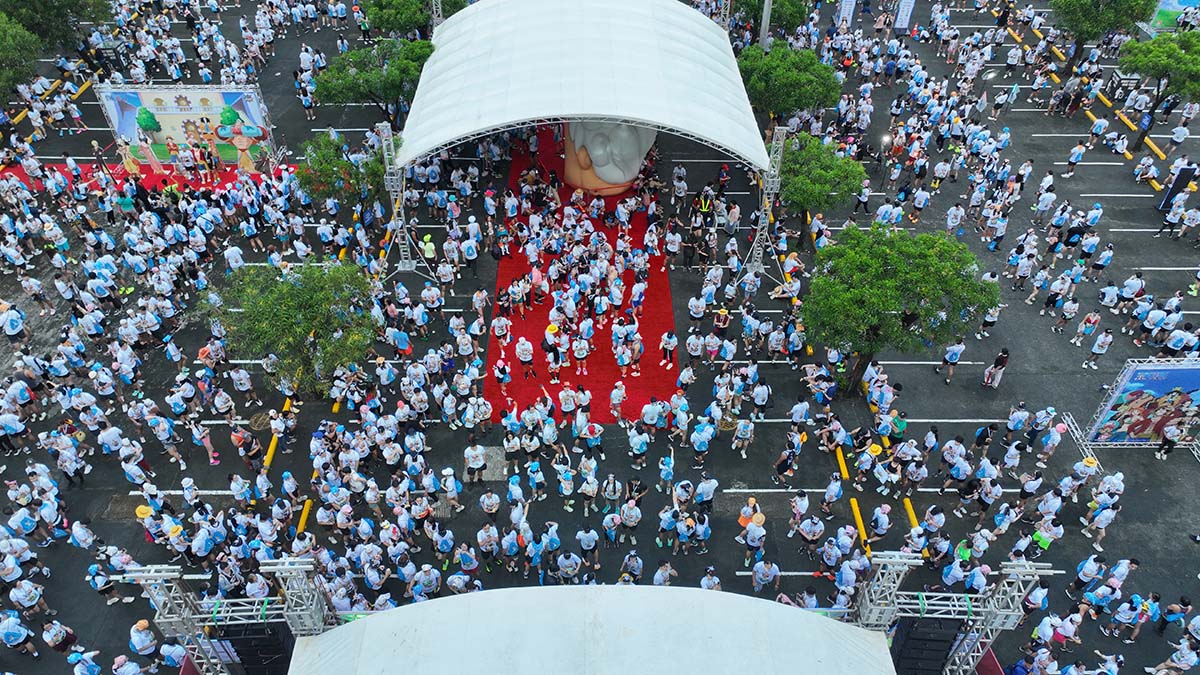
Japanese pop culture has been part of Filipino life since the 1980s, passed down from one generation of anime fans to the next. Andrew Neri, RUNRIO’s managing partner, counts himself among the franchise’s earliest fans in the Philippines. “Those of us who grew up in the ‘80s and ‘90s, we grew up with this one,” he says. The generations after them, he notes, never had to grow into the fandom. They were raised on it, anime playing in the background of entire childhoods. The growth backs that up: the Pokémon Run drew ten thousand participants in its first year and is on track to double or triple that this year, while the One Piece Run has grown from eight thousand participants to fifteen thousand in the same span. By RUNRIO’s count, roughly ninety percent of entrants are anime fans. “So that’s how fanatic the fans of Japanese anime are,” Neri says. Coach Rio puts the appeal more simply: “It’s a double opportunity for us. Number one is creating a new experience for our regular runners. Second is we are attracting non-runners to participate.”
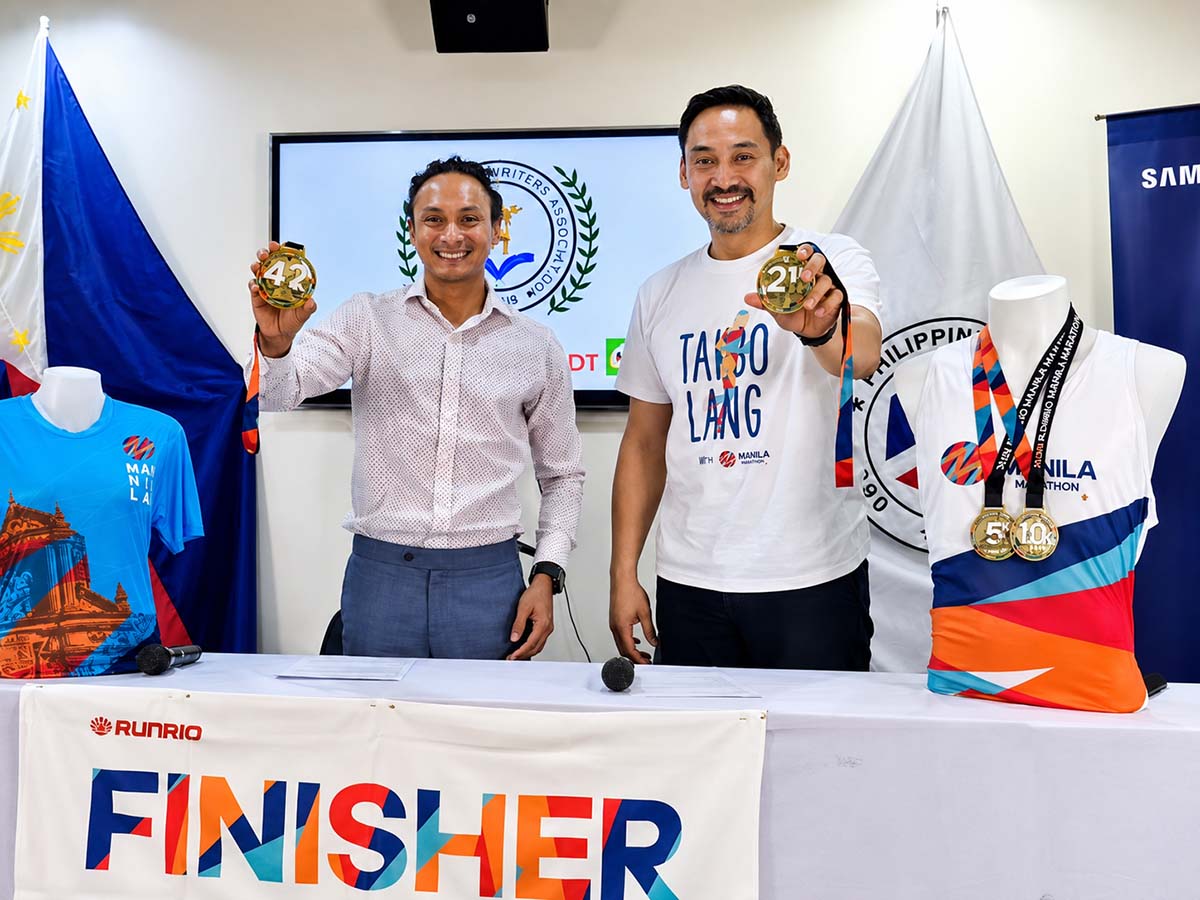
Costumes explain part of the pull, but the mechanics matter too. Theme runs lower the barrier that keeps many first-timers away from traditional races: costumes stand in for compression gear, selfies stand in for split times, and families cross the finish line together instead of chasing a personal best. Roughly a third of entrants — thirty-two percent — are running a race for the first time in their lives, proof the format is turning spectators into participants.
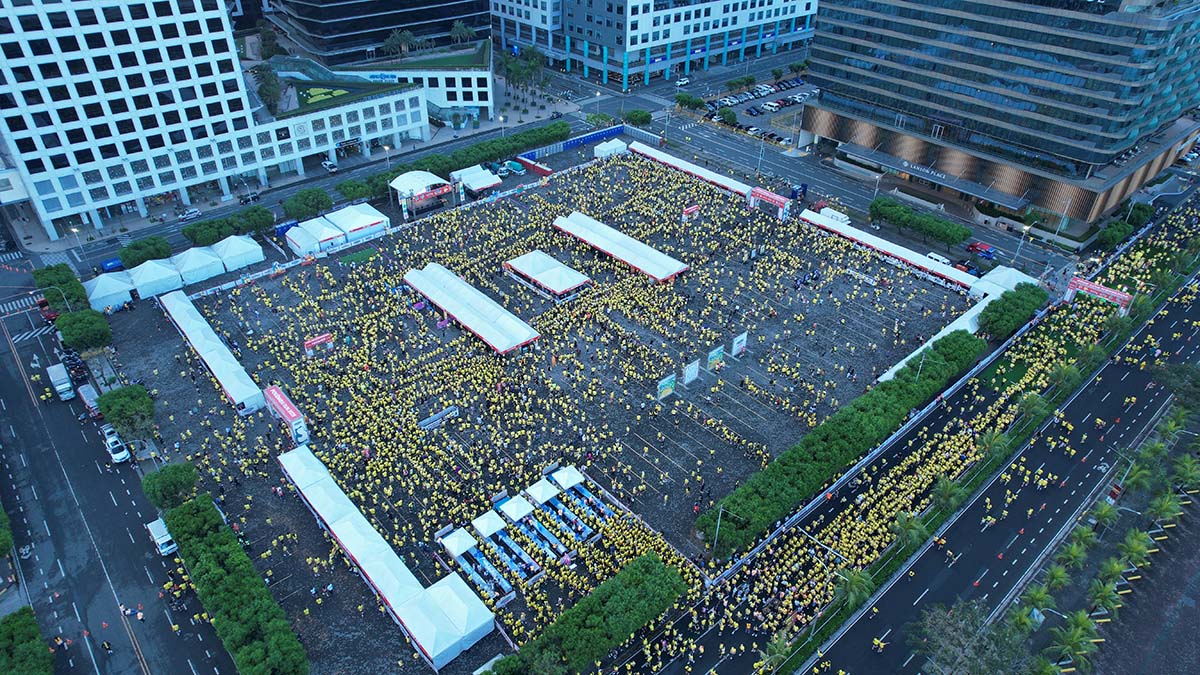
RUNRIO’s largest experiment yet is the One Piece Run at the Mall of Asia and the two-day Pokémon Run 30 festival, which makes Manila the first stop on a global tour marking Pokémon’s thirtieth anniversary, ahead of Taipei, Singapore, and beyond. Neither event is really about speed; most entrants walk it rather than race it. “There’s always a starting point,” Neri says. “We see this partnering with Pokémon and One Piece as a starting point.” What RUNRIO is really selling, in other words, is a door shaped like a childhood memory, one a non-runner might wander through in costume, and walk out of, months later, having quietly become someone who runs.
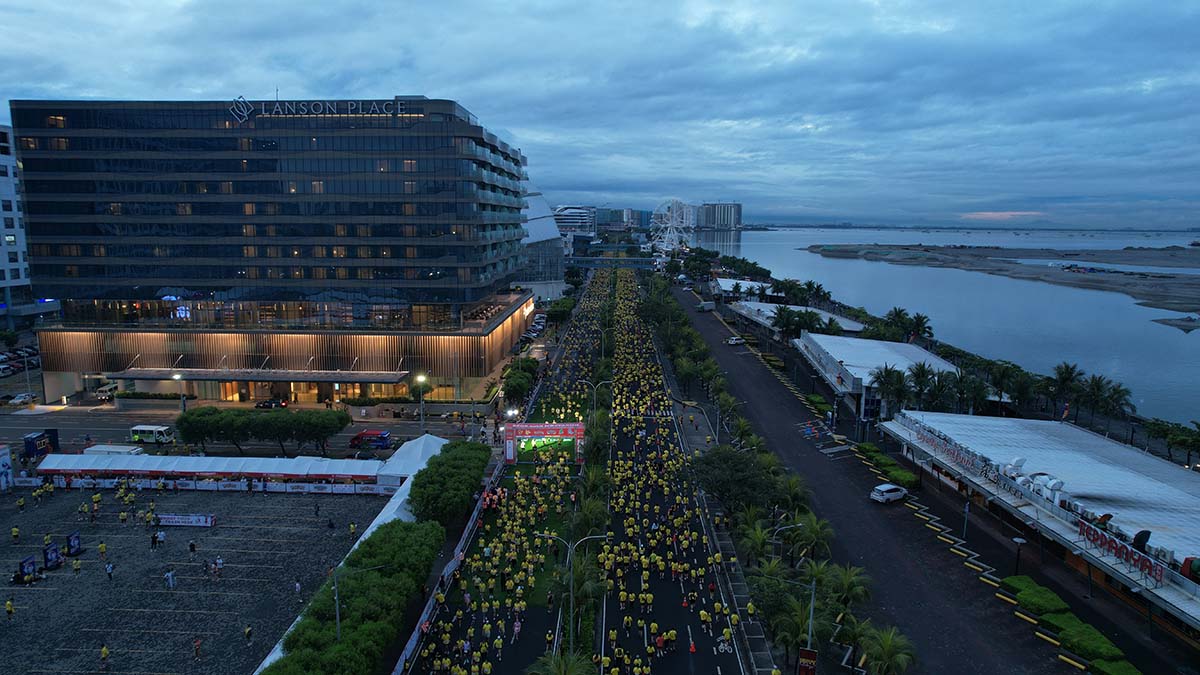
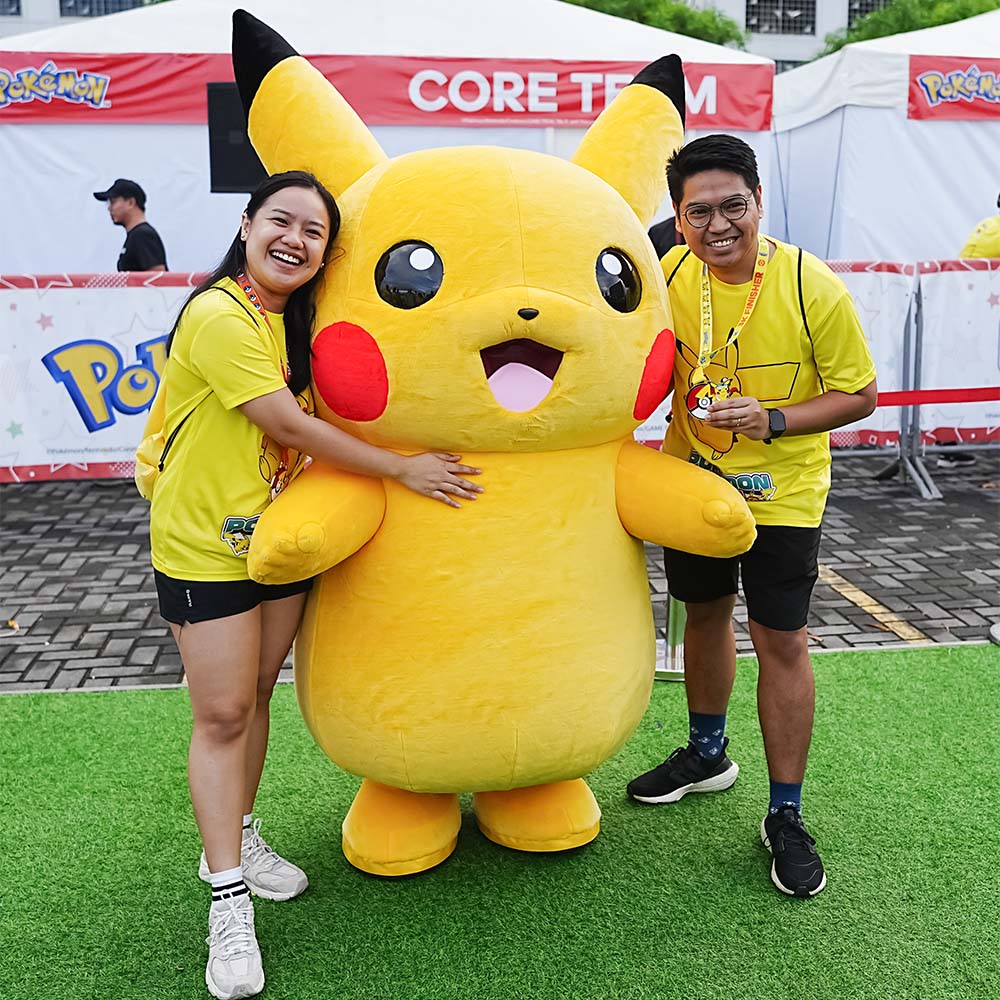
The One Piece Run brings fifteen thousand slots across the 10K, 5K, 3K, and 1K to the Mall of Asia. Pokémon Run 30 follows as a single 5K race, with capacity that could reach as high as thirty thousand participants. Runners choose a starter Pokémon, refuel at Pokémon Center hydration stations, and watch their partner evolve right at the finish line, before spilling into a free festival zone with a pop-up store, a walk through three decades of Pokémon history, and a meet-and-greet with Pikachu himself. “The Pokémon Company is that confident because of last year,” Neri says, of the franchise’s global licensor. “All eyes are on us.”
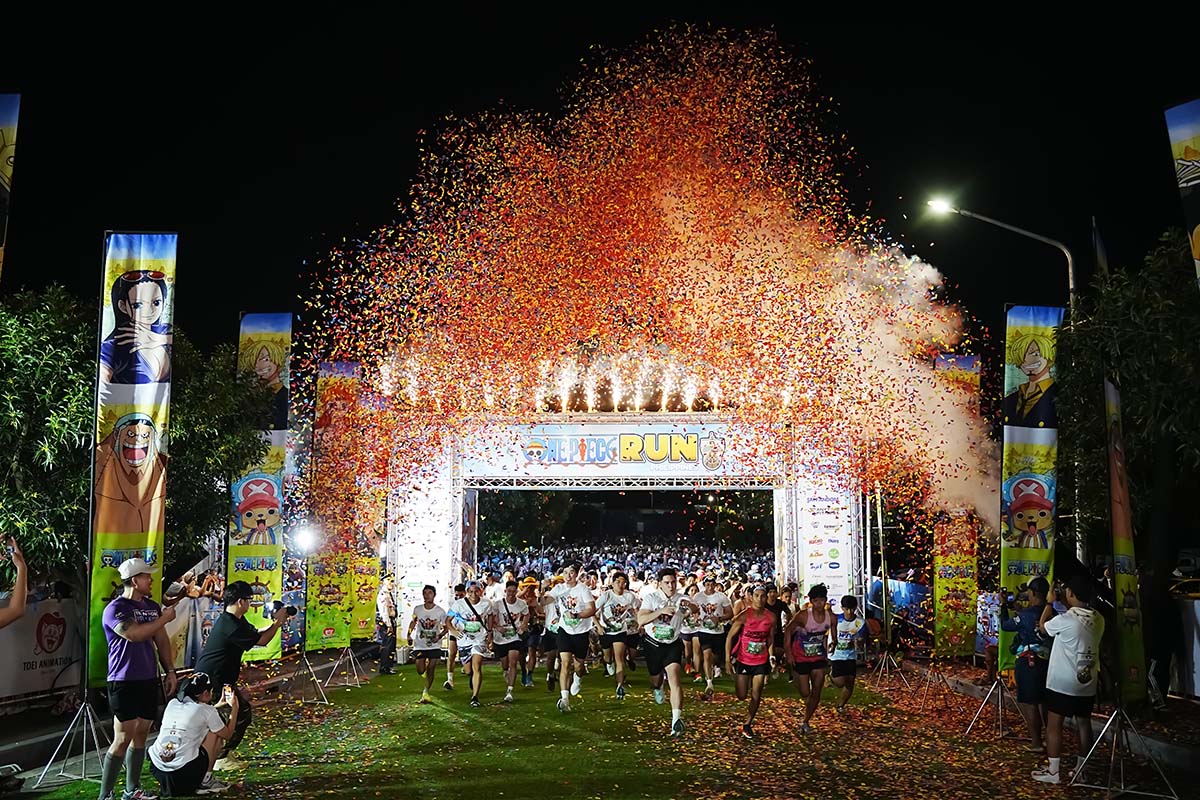
RUNRIO started with four or five races a year, in a community too small to sustain them. There’s a quiet magic in how it got here: the same worlds people once explored through a screen or a page are now getting thousands of Filipinos on their feet. Coach Rio built a company on the belief that running could be an experience. It took a straw hat and a Poké Ball to prove him right.