

Taikisha Engineering India designs and builds the systems on Full turn key basis for modern factories, Its capabilities span Paint-finishing plants, Robotics, Material-handling Conveyors, Electrical control panels, Digital tools and Precision-fabricated steel components for original equipment manufacturers.
Paint finishing is one of the most energy-intensive stages of vehicle production because airflow, temperature, humidity and contaminants must be tightly controlled. Taikisha integrates these requirements with automation and material handling, allowing manufacturers to manage coating quality, production speed and environmental performance as one connected system.
The company serves automotive producers and has extended its paint-finishing expertise to railway coaches, wagons, locomotives and aircraft. Through Nicomac Taikisha, the wider group also provides heating, ventilation and air conditioning systems and cleanrooms for battery plants, semiconductor facilities and data centers.
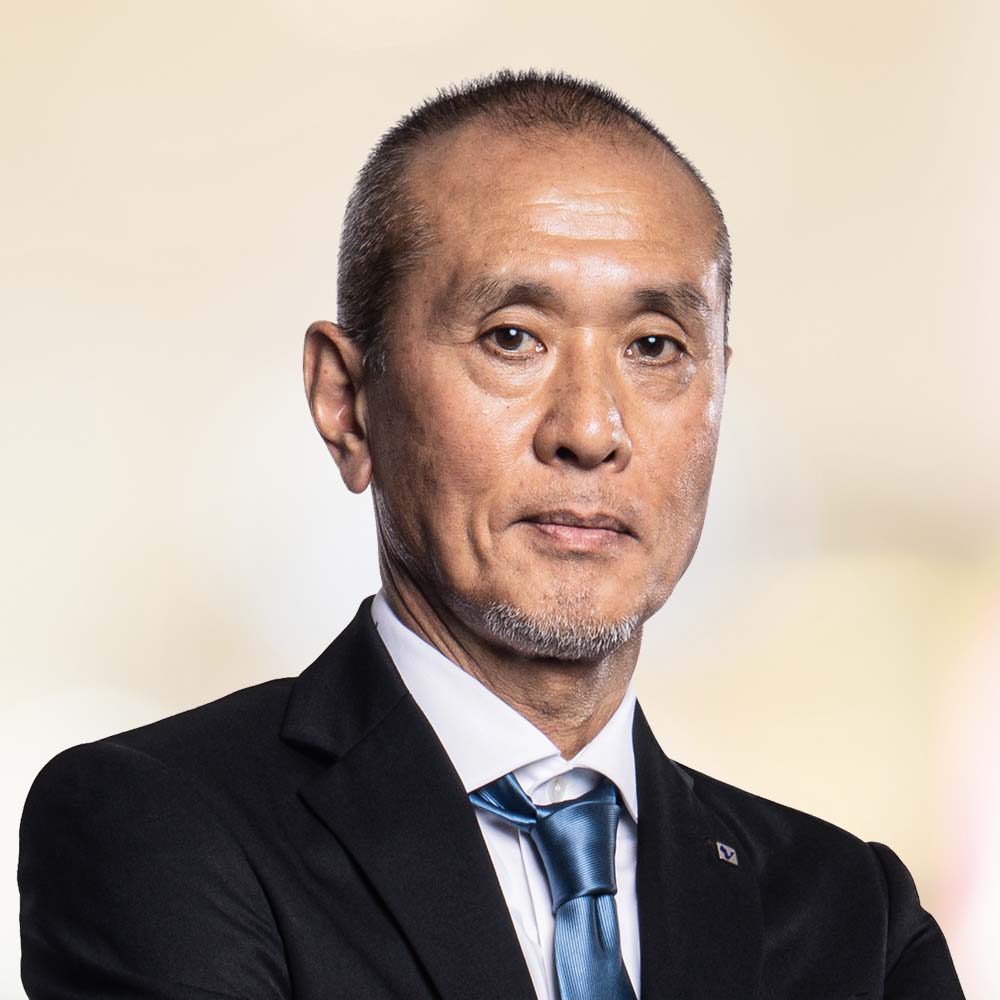
“The process begins with understanding each client’s needs and proposing a solution that serves as a strategic investment, rather than simply providing equipment,” Managing Director Itsumi Kanazawa said.
Established as a Japan-India joint venture in 1995 and a consolidated subsidiary of Taikisha Ltd., Taikisha Engineering India applies the Japanese group’s engineering standards through its local operations. Factories in Pune, Manesar and Jamshedpur, supported by qualified subcontractors across the country, provide manufacturing capacity and customer support at project sites.
“Our shared vision is to help build India’s infrastructure through the railway and metro sectors while contributing to economic growth through our work in the automotive and other industries ,” Director Hemant Makwana said.
“The process begins with understanding each client’s needs and proposing a solution that serves as a strategic investment, rather than simply providing equipment.”
Itsumi Kanazawa, Managing Director of Taikisha Engineering India

The NeXcel Technical Centre in Manesar brings automation closer to customers by preassembling and testing painting robots with actual parts and paints before installation. Its systems handle exterior and interior painting, underbody coating and sealing, while its training facilities help prepare employees and plant operators for new equipment.
“The Indian market is highly cost-sensitive, so we provide localized solutions supported by cost-effective engineering and carefully controlled manufacturing and installation services,” Makwana said.
Digitalization provides manufacturers with another layer of operational support. Taikisha’s “i-Tips” software captures, monitors and analyzes production, equipment and quality data, helping teams identify faults, schedule maintenance and improve performance. Automated guided vehicles and autonomous mobile robots connect production stages and reduce repetitive material-handling work.
“Every solution is developed to improve productivity, reduce energy consumption and support stringent quality standards,” Kanazawa said.

Taikisha is also working towards reducing the environmental burden of vehicle finishing. Its upcoming dry decoration technology applies film to automotive surfaces instead of conventional wet paint. Removing parts of the spraying and drying process can drastically lower energy use and carbon dioxide emissions while improving finish consistency and shortening production time.
Continued research supports this work through Taikisha’s innovation center in Aikawa & Zama technical center in Japan, where the group develops energy-efficient technologies and works with customers, research institutions and startups. Taikisha Engineering India adapts those advances to local production conditions, cost requirements and service expectations.
The center combines simulation with testing, giving engineers a practical environment for evaluating technologies before customers deploy them.
The company’s “Customer First” philosophy extends responsibility across its business relationships. “For us, the customer includes society, shareholders, employees, partners, suppliers, local communities and the environment,” Kanazawa said.
“Our shared vision is to help build India’s infrastructure through the railway and metro sectors while contributing to economic growth through our work in the automotive and other industries.”
Hemant Makwana, Director of Taikisha Engineering India
More than 650 trained employees work for customers satisfcation. Taikisha also invests in training and employment pathways that strengthen the technical workforce required by India’s rapidly expanding industries.
Company’s investments and actions are intended to give young engineers lasting careers while ensuring that increasingly automated factories have the local expertise required for reliable operation and maintenance throughout the country.
“Our teams help customers confidently adopt new technologies and operate and maintain their plants effectively,” Makwana said.
After three decades, Taikisha’s impact in India is visible on the factory floor: reliable production lines, lower energy use and local engineers equipped to keep industry moving.