
ZEISS technologies have helped scientists reveal what was once invisible, supported advances in medical diagnosis and treatment, and become integral to some of the world’s most sophisticated manufacturing processes.
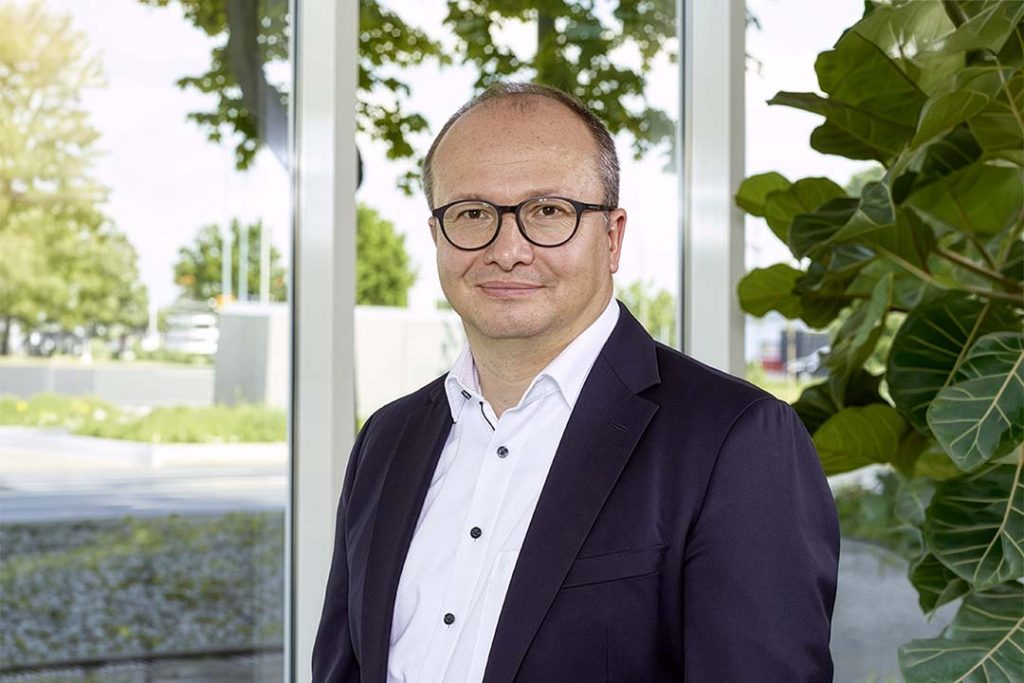
Marking 180 years globally and 115 years in Japan, ZEISS reflects on a legacy shaped by innovation, long-term relationships and technological progress. Vincent Mathieu, CEO of ZEISS Japan Group, discusses what continues to define the company’s role today.

Bridges: Which milestones best capture ZEISS’s evolution over 180 years and its enduring commitment to innovation?
Mathieu: Looking back on ZEISS’s 180-year journey, what best defines our evolution is a consistent commitment to helping people see beyond what was previously possible and, in doing so, advancing science and society.
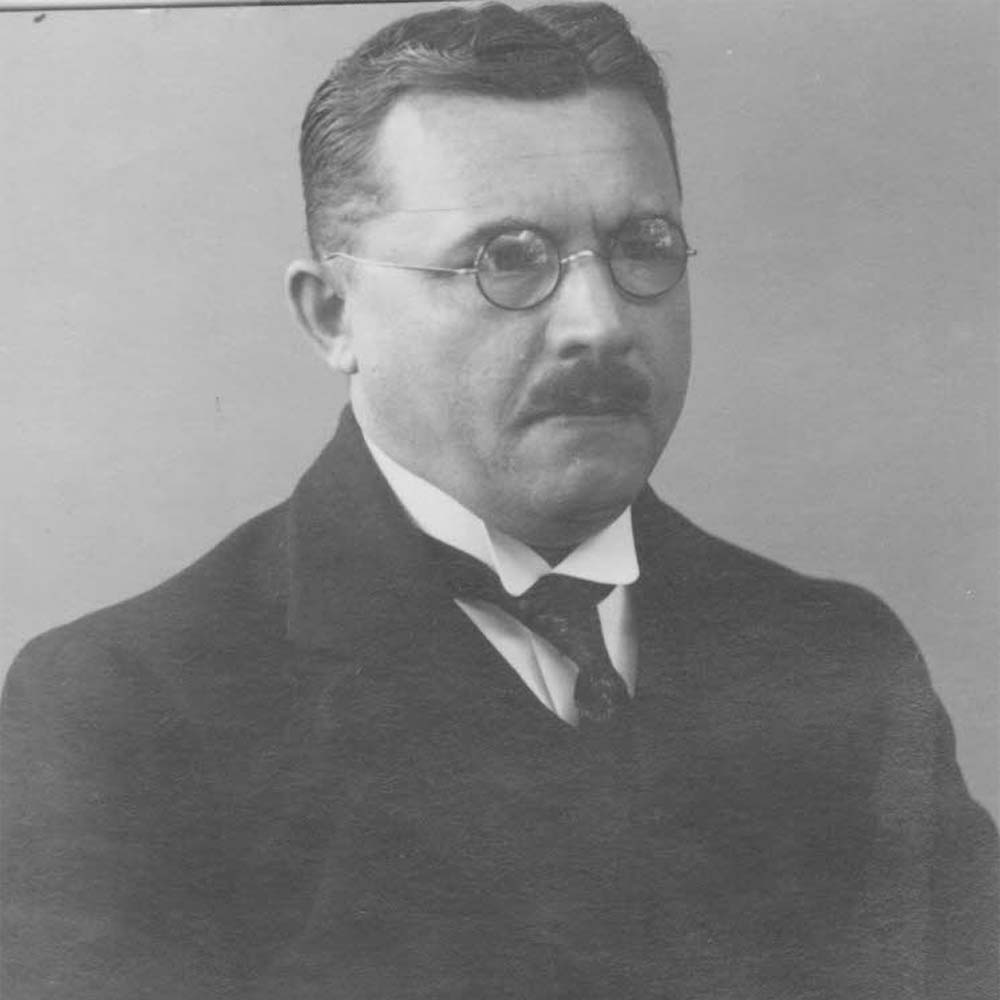
Our history began in 1846, when Carl Zeiss founded a workshop for precision mechanics and optical instruments in Jena, Germany. A defining milestone came through the collaboration between Carl Zeiss and physicist Ernst Abbe, whose scientific approach transformed optics from a craft based largely on experience into a discipline grounded in reproducible scientific principles. This laid the foundation for modern optical engineering.
Over the decades, ZEISS technologies have enabled scientists to explore structures and processes that were previously invisible. More than 30 Nobel Prize laureates have used ZEISS systems in their research, reflecting our long-standing role as an enabling partner in scientific discovery. From life sciences and medicine to materials research, ZEISS technologies have helped expand humanity’s understanding of the world around us.
Today, the impact of ZEISS extends far beyond microscopy and medical technology. ZEISS optics are an essential component of the world’s most advanced semiconductor manufacturing systems, and approximately 80% of the world’s microchips are produced using ASML lithography systems equipped with ZEISS optics. In this way, technologies originally developed to better understand the microscopic world now also help power the digital society of the future.
While our fields of activity have expanded significantly over the past 180 years, our purpose remains unchanged: to advance progress through science, innovation, and precision, enabling people to better understand and shape the world around them.
As ZEISS also marks 115 years in Japan, what have been the defining moments in its history here, and how has the company contributed to Japan’s scientific, medical and industrial development?
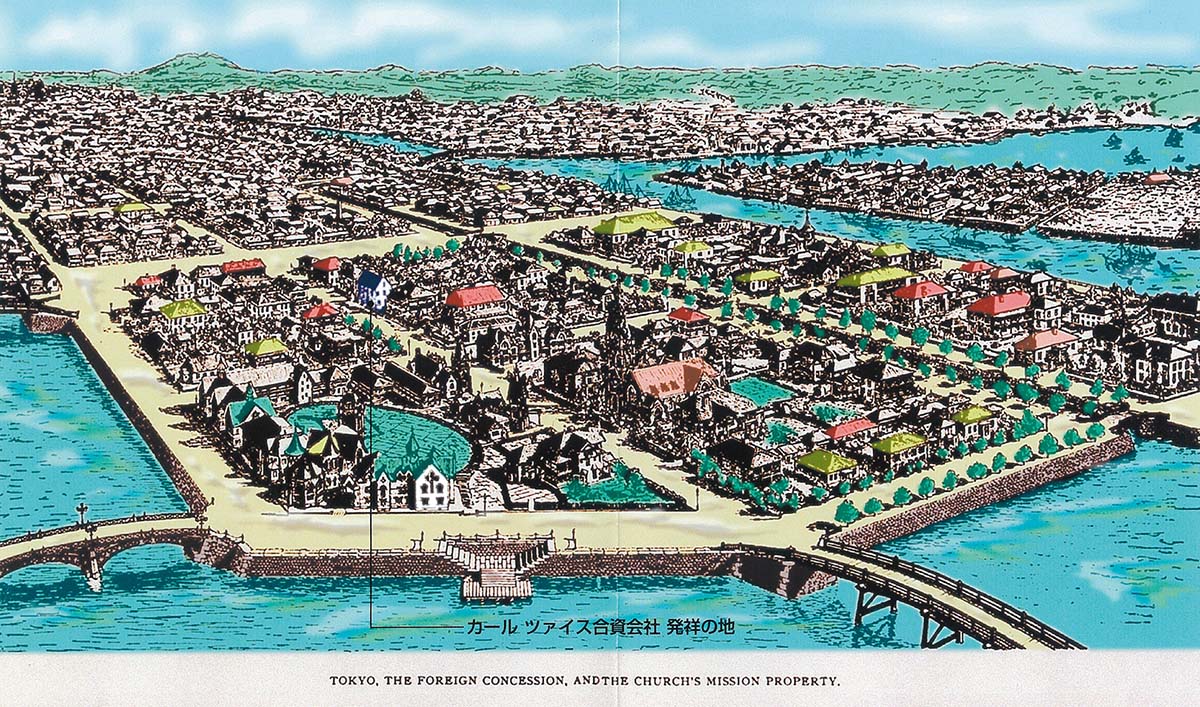
ZEISS began doing business in Japan in 1911 and will celebrate its 115th anniversary in 2026. For us, these 115 years represent far more than a business presence. They reflect a long-standing partnership with Japan’s scientific, medical, and industrial communities and a shared commitment to progress.
One important milestone was the establishment of Carl Zeiss Joint-Stock Company in Tokyo in 1911, marking the beginning of ZEISS’s presence in Japan. Another was the strengthening of our local organization in 1961, which enabled ZEISS to support Japan during a period of remarkable economic, industrial, and technological growth. Over time, ZEISS technologies became widely used across academia, healthcare, research, and manufacturing.
In science, ZEISS has supported universities and research institutions with advanced microscopy and imaging solutions. Scientific progress begins with the ability to observe, measure, and understand. By providing researchers with technologies that reveal structures and phenomena previously beyond reach, ZEISS has helped create the conditions for discovery and innovation.
In healthcare, ZEISS has contributed to advances in ophthalmology as well as surgical specialties such as neurosurgery and ENT. Working together with healthcare professionals, we have supported increasingly precise diagnosis and treatment, helping improve outcomes for patients across Japan.
In industry, ZEISS has supported Japan’s world-renowned manufacturing sector through metrology, quality assurance, and analytical solutions. From automotive and electronics to precision engineering, our technologies have helped manufacturers achieve higher levels of quality, accuracy, and efficiency. More recently, ZEISS technologies have also become part of the global semiconductor ecosystem in which Japan continues to play a vital role.
The defining feature of our 115-year history in Japan is not simply the technologies we have provided, but the relationships we have built. Together with customers, researchers, healthcare professionals, and industrial partners, we have evolved alongside Japan and contributed to progress through long-term collaboration and trust.

In the context of the 165th anniversary of Japan–Germany relations, how does ZEISS exemplify the strength of cooperation between the two countries?
We believe ZEISS represents many of the qualities that have defined the relationship between Germany and Japan for more than a century: a commitment to science, engineering excellence, precision, quality, and long-term trust.
For 115 years, ZEISS has connected German innovation with Japan’s strengths in research, healthcare, and manufacturing. Through close collaboration with customers and partners, we have helped bring advanced technologies to Japan while supporting scientific, medical, and industrial progress across a wide range of fields.
At the same time, the relationship is not one-way. Japan’s exceptionally high standards, deep technical expertise, and culture of continuous improvement have provided valuable insights that contribute to the broader ZEISS organization. The experience and knowledge gained through collaboration with Japanese customers continue to help shape our global perspective.
In this sense, ZEISS serves not only as a provider of technology but also as a bridge between two countries that share a belief in the power of science and innovation to improve society. Our 115-year presence in Japan demonstrates how international cooperation can create lasting value, and we remain committed to strengthening that connection in the years ahead.


What are ZEISS Japan’s priorities for the coming years, and how will the company continue using its technologies and expertise to address the needs of Japanese society and industry?
Looking ahead, ZEISS Japan’s priority is to connect the strengths of the global ZEISS network with the evolving needs of Japanese society and industry, creating sustainable value through science and technology.
Japan faces both significant challenges and exciting opportunities, including an aging population, growing healthcare needs, the continued advancement of digital technologies, and increasing demand for highly sophisticated manufacturing capabilities. While ZEISS Japan is not a research and development hub itself, our role is to bring world-leading optical, medical, semiconductor, and industrial technologies developed across the global ZEISS network to customers in Japan and support their successful application.
“We believe ZEISS represents many of the qualities that have defined the relationship between Germany and Japan for more than a century: a commitment to science, engineering excellence, precision, quality, and long-term trust.”
Vincent Mathieu, CEO of Zeiss Japan Group

In healthcare, we will continue to support advances in diagnosis and treatment across ophthalmology and surgical disciplines. In science, we aim to help researchers push the boundaries of discovery through advanced microscopy and imaging solutions. In industry, we will continue supporting Japanese manufacturing through metrology, quality assurance, and analytical technologies that improve quality, productivity, and competitiveness.
Beyond our B2B businesses, ZEISS is also committed to improving everyday life. Through our vision care solutions, including ZEISS spectacle lenses, we help people enjoy better vision and quality of life. We also see exciting opportunities in Extended Reality (XR), where advanced optical technologies have the potential to create entirely new ways of experiencing and interacting with the digital world.
We are equally committed to fostering the next generation of scientists and innovators. Initiatives such as A Heart for Science reflect our belief that encouraging curiosity and scientific thinking among young people is essential for building a better future.
Ultimately, we see the future role of ZEISS Japan as a bridge: connecting global innovation with local needs, connecting science and technology with society, and connecting today’s challenges with tomorrow’s possibilities. Together with our customers and partners, we will continue working to create meaningful progress for future generations.