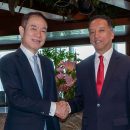

For decades, Japanese trading houses have played a quiet yet transformative role in the Philippine economy. Among them, Sojitz Corporation stands out for its breadth of investments, long-term perspective, and commitment to strengthening ties between Japan and the Philippines.
From agriculture to automotive distribution, food manufacturing to infrastructure-related ventures, Sojitz’s footprint reflects not only commercial ambition but also a broader vision: to contribute meaningfully to Philippine development while reinforcing a 70-year diplomatic and economic partnership between the two nations.
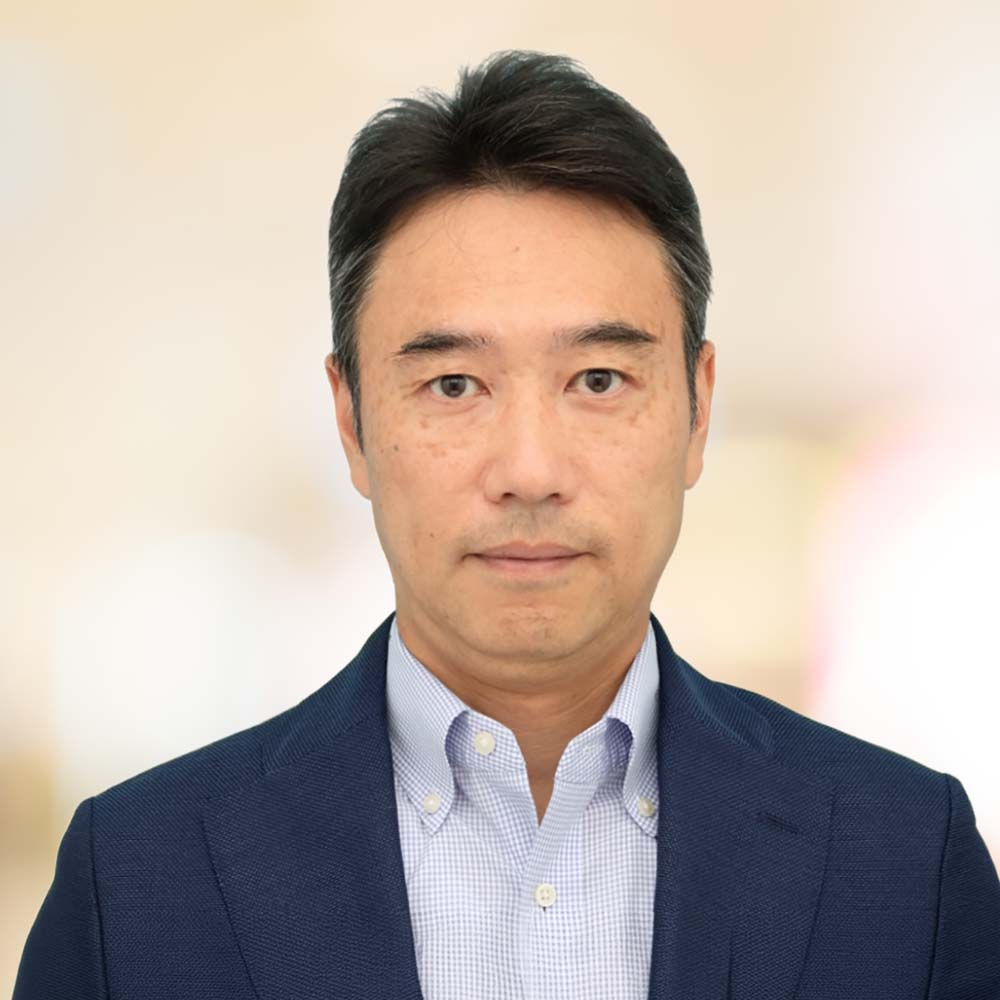
A Trading House with Deep Roots
Sojitz is one of Japan’s sogo shosha—diversified trading and investment conglomerates that combine global reach with operational involvement. In the Philippines, the company’s history stretches back to the late 1950s, when it helped introduce Japanese automotive manufacturing and distribution to the local market through joint ventures.
Over time, Sojitz’s portfolio has evolved. Like many global firms, it has reviewed and reshaped its investments to respond to market realities and shareholder expectations. But its presence has remained steady—demonstrating a long-term confidence in the country’s economic trajectory.
Today, Sojitz Philippines and its subsidiaries collectively employ around 1,700 people, underscoring its role not just as an investor, but as a local employer and ecosystem builder.
Strengthening Philippine Agriculture
One of Sojitz’s most established businesses in the Philippines is fertilizer distribution and manufacturing, operated through a long-standing subsidiary acquired in the late 1990s.
The company produces and distributes compound NPK fertilizers—formulations containing nitrogen (N), phosphorus (P), and potassium (K), the three essential nutrients required for plant growth. These products are delivered directly to farmers cultivating rice, corn, and other key crops across the country.
In a nation where food security and agricultural productivity remain central policy priorities, this business has tangible impact. By ensuring access to quality inputs, Sojitz contributes to improved crop yields, farmer incomes, and rural development.
Sojitz is one of Japan’s sogo shosha—diversified trading and investment conglomerates that combine global reach with operational involvement.

Unlike purely transactional trading, this model is relationship-driven. Distribution networks connect directly with farmers, embedding the company within the agricultural value chain. It is a practical example of how Japanese investment supports Philippine grassroots economic resilience.
Mobility and Industrial Growth: Sojitz Fuso Philippines
Mobility and logistics are critical to an archipelagic economy. Through Sojitz Fuso Philippines Corporation, the group distributes Fuso commercial trucks nationwide.
The Fuso brand remains one of the most recognized names in commercial transport. In the Philippines, Fuso trucks compete alongside other Japanese and international brands, serving industries from construction to logistics and retail distribution.
Reliable commercial vehicles are essential to infrastructure development and supply-chain efficiency. By maintaining and expanding this distribution network, Sojitz supports the backbone of Philippine commerce—moving goods between islands, cities, and economic zones.
The company’s earlier involvement in automotive joint ventures further highlights its historic role in building the country’s transport and industrial capabilities. Even as corporate structures changed over time, Sojitz’s automotive engagement reflects decades of Japanese industrial partnership with the Philippines.
A Cultural Bridge Through Food: NipponPremium Bakery
Perhaps the most culturally distinctive of Sojitz’s ventures is ‘FuwaFuwa’.
The concept: introduce Japanese-style soft bread to the Philippine market. Unlike traditional local loaves, Japanese milk bread emphasizes a delicate, fluffy interior with a light crust—often best enjoyed toasted, where the surface crisps while the inside remains tender.
By maintaining and expanding this distribution network, Sojitz supports the backbone of Philippine commerce—moving goods between islands, cities, and economic zones.
Initially, products closely mirrored Japanese offerings. However, market feedback revealed differences in taste preferences and consumption habits. Toasting, common in Japan, is less prevalent in Filipino households. Flavor profiles also vary significantly.
In response, the company adapted. It developed sweeter milk loaves and incorporated locally loved ingredients such as ube. By partnering closely with retailers and listening carefully to consumer demand, Nippon Premium BakeryB evolved from a pure Japanese transplant into a hybrid product tailored to Filipino tastes.
This adaptability reflects a broader lesson in Japan–Philippines business relations: success lies not in imposing models, but in blending strengths.
Japan–Philippines Relations: From History to Partnership
The year marking 70 years of diplomatic relations between Japan and the Philippines underscores how far the two nations have come. The relationship has steadily developed into one of Asia’s most stable bilateral partnerships, marking a profound transformation over time.
Today, Japan is one of the Philippines’ largest sources of investment and official development assistance. Shared values—democracy, rule of law, and open markets—have strengthened the relationship.
Companies like Sojitz play a pivotal role in translating diplomatic goodwill into practical cooperation. Their investments generate employment, technology transfer, supply-chain integration, and infrastructure support. They also serve as bridges between cultures—bringing Japanese management practices while learning from Filipino dynamism.
Looking Ahead: Infrastructure and Opportunity
As Southeast Asia evolves, competition for foreign investment intensifies. Vietnam has recently emerged as a favored destination under “China+1” supply-chain strategies. Yet the Philippines holds its own advantages: a young English-speaking workforce, strong consumer market, and deep ties with Japan.
For Sojitz, future opportunities lie in infrastructure, logistics, mobility, food systems, and emerging industries.
For Sojitz, future opportunities lie in infrastructure, logistics, mobility, food systems, and emerging industries. Improved transport networks, regulatory stability, and continued economic reform could unlock even greater Japanese participation.
The company’s philosophy mirrors that of many Japanese firms: constant portfolio review, disciplined investment, and long-term commitment. There is no “secret formula,” only patient adaptation and partnership.
A Shared Path Forward
Sojitz’s story in the Philippines is not defined by a single flagship project, but by sustained engagement across sectors. Fertilizer that strengthens crops. Trucks that move the economy. Bread that blends cultures. Investments that create jobs.
In this way, the company embodies the modern Japan–Philippines relationship: pragmatic, respectful, and forward-looking.
As both nations look beyond their 70-year milestone, firms like Sojitz will continue to shape the next chapter—one built not only on trade, but on shared growth and mutual trust.