
Energy security between Japan and Australia has been built through disciplined investment, patient diplomacy and projects designed to last beyond market cycles.

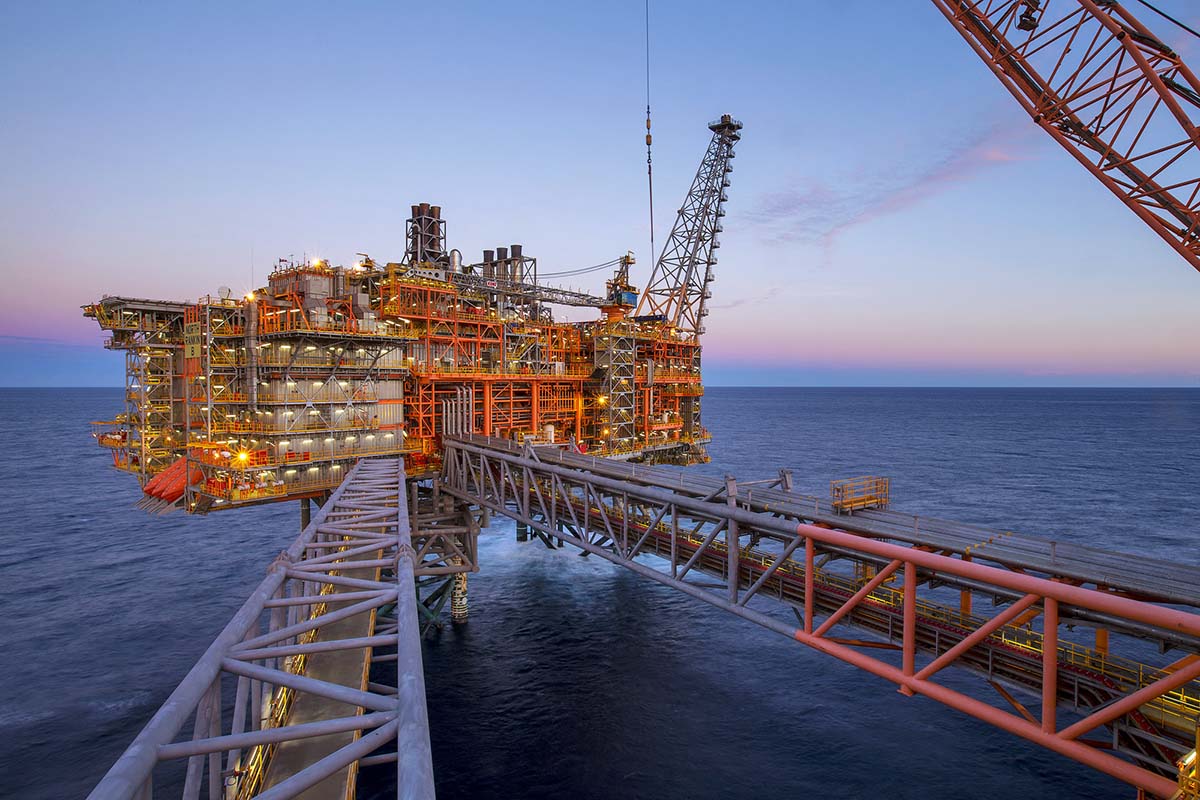
For 40 years, Japan Australia LNG (MIMI) Pty. Ltd., co-owned by Mitsubishi Corp. and Mitsui & Co., has stood at the center of that history through its role in Western Australia’s North West Shelf Project (NWS).
Formed in the 1980s, this venture, dubbed “MIMI,” has helped link Japanese LNG customers with the long-term contracts underpinning investment in Australia’s first LNG development. The company has evolved from an operating company managing shareholder interests into a key participant in the commercial management of major energy assets, while preserving relationships that have established Australia as a dependable supplier to Japan.
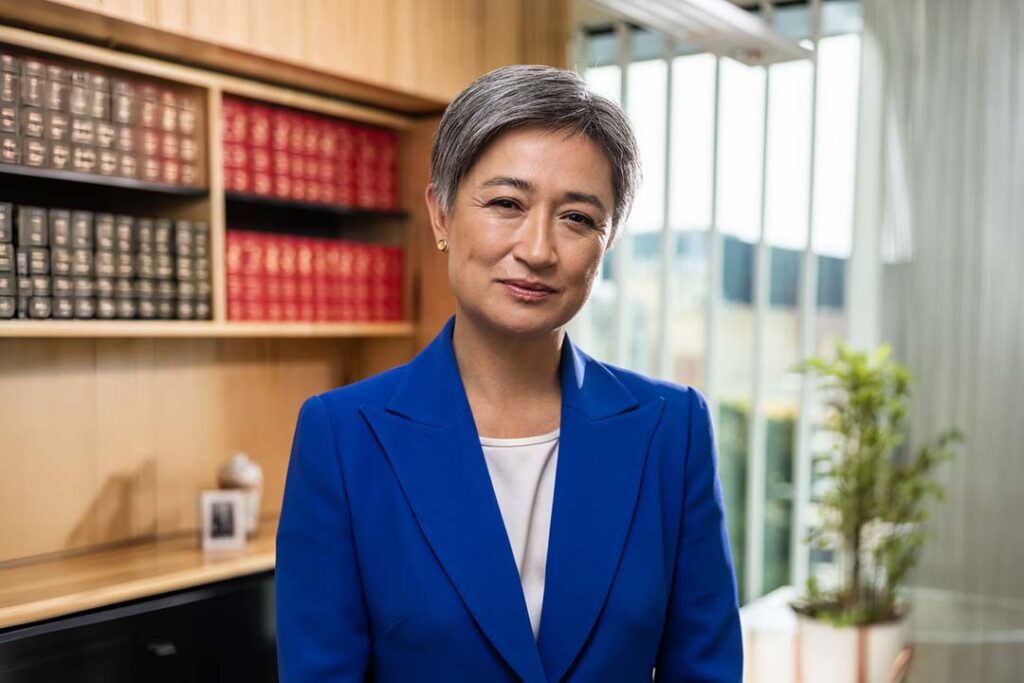
“The NWS is integral to the DNA of MIMI,” said MIMI Managing Director and CEO Tetsuko Egawa.
MIMI’s position reflects the strengths of its shareholders, whose global project development, marketing expertise and customer relationships support its interests in the North West Shelf and Browse ventures. In 2012, MIMI acquired a 14.4% interest in Browse, giving MIMI a platform across the Indo-Pacific.
“While the NWS represents our establishment and history, the Browse Project represents our future,” Egawa said.
“The NWS is integral to the DNA of MIMI.”
Tetsuko Egawa, Managing Director and CEO of MIMI
The company views natural gas as part of a practical transition pathway for countries balancing emissions reduction, affordability and reliability. It is also participating in Browse carbon capture and storage and the proposed Angel carbon capture and storage hub to lower project emissions while supporting supply.
“Stable supply is no longer just a commercial objective, it is a strategic imperative,” Egawa said.
For MIMI, the future of natural gas depends on the principles that shaped its past, from long-term investment and regulatory stability to trust across generations. Those conditions matter as Japan and its partners work to secure energy while reducing emissions across the wider Indo-Pacific region.